Have you ever wondered if non-refrigerated probiotics can really do the job? You’re not alone.
With so many probiotic options out there, it’s easy to feel overwhelmed. You want the best for your gut health, but how can you be sure you’re making the right choice? Non-refrigerated probiotics promise convenience and effectiveness, but do they really deliver?
We’ll uncover the truth behind these shelf-stable supplements and explore whether they can truly support your digestive health. Stick around as we delve into what makes these probiotics tick and how they might just be the solution you’ve been searching for. Your gut will thank you!
Probiotics And Their Benefits
Probiotics are live bacteria that benefit the body, especially the digestive system. They help balance the natural bacteria in the gut. This balance supports digestion and boosts overall health. Many people take probiotic supplements to improve their well-being and support immune function.
How Probiotics Support Health
Probiotics help break down food and absorb nutrients. They also protect against harmful bacteria that cause illness. By supporting gut health, probiotics may reduce digestive issues like bloating and diarrhea. They can strengthen the immune system to fight infections. Some studies suggest probiotics improve mental health and skin conditions too.
Common Probiotic Strains
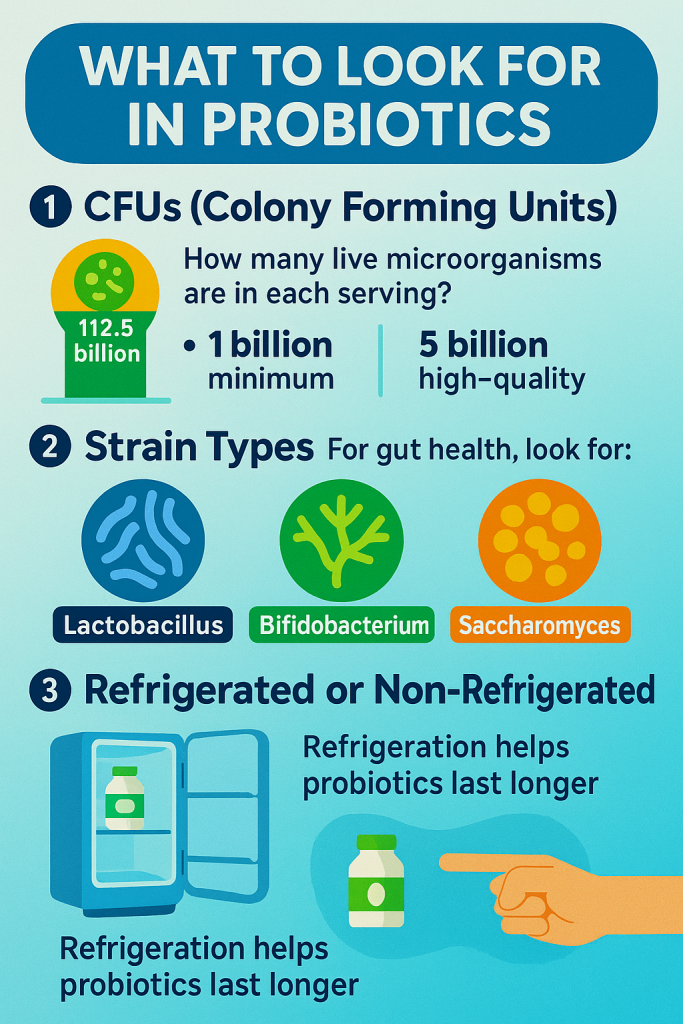
- Lactobacillus:Found in yogurt and fermented foods, helps digest lactose.
- Bifidobacterium:Common in the intestines, supports digestion and immunity.
- Saccharomyces boulardii:A yeast strain that helps with diarrhea and gut health.
- Streptococcus thermophilus:Aids in lactose digestion and reduces inflammation.

Credit: thegoodbug.com
Importance Of Refrigeration For Probiotics
Refrigeration plays a crucial role in maintaining the effectiveness of probiotics. These living microorganisms need a stable environment to stay alive and active. Without proper cooling, their health benefits can diminish quickly, leaving you with a product that might not deliver the results you expect.
Effect Of Temperature On Probiotic Viability
Probiotics are sensitive to heat and moisture. High temperatures can kill the beneficial bacteria, reducing their numbers drastically. Even short periods of exposure to warmth can weaken their strength.
Have you ever left a probiotic bottle on a sunny kitchen counter and noticed it lost its potency? That’s because the heat broke down the bacteria. Keeping probiotics cold slows down their metabolism, helping them survive longer and work better when you take them.
Storage Recommendations
- Keep probiotics in the refrigerator:Most strains thrive best between 36°F and 46°F (2°C – 8°C).
- Avoid humidity:Moist environments can trigger premature activation or spoilage.
- Seal tightly:Exposure to air can reduce probiotic viability.
- Check the label:Some probiotics are specially formulated to be shelf-stable, but always follow the manufacturer’s advice.
Are you paying attention to how you store your probiotics? Proper storage can make a big difference in how effective your supplements are. Treat them like delicate living cultures, and they’ll reward you with better digestive health.
Non Refrigerated Probiotics Explained
Non refrigerated probiotics offer a convenient option for those who want to support gut health without worrying about cold storage. These probiotics are designed to remain stable and effective at room temperature. Understanding how they work helps you choose the right product for your needs.
Shelf-stable Probiotic Types
Not all probiotics need refrigeration. Certain strains can survive without cold storage. Common shelf-stable probiotic types include:
- Bacillus species:These form spores that protect them from heat and moisture.
- Lactobacillus strains:Some are specially selected for stability at room temperature.
- Bifidobacterium strains:Certain varieties remain active without refrigeration.
Choosing probiotics with these strains ensures they stay effective on your shelf.
Manufacturing Techniques For Stability
Manufacturers use special methods to make probiotics shelf-stable. These techniques protect the live bacteria during storage and use. Key techniques include:
- Freeze-drying:Removes moisture to keep bacteria dormant but alive.
- Microencapsulation:Encases probiotics in a protective coating.
- Use of stabilizers:Ingredients that help maintain probiotic viability.
These processes help probiotics survive heat, humidity, and air exposure.
Effectiveness Of Non Refrigerated Probiotics
Understanding how effective non refrigerated probiotics are can help you make smarter choices for your health. Many people assume these probiotics might lose their potency without cold storage, but is that really the case? Let’s look closely at what research says and how these products compare to their refrigerated counterparts.
Scientific Studies On Stability And Efficacy
Several scientific studies have tested the stability of probiotics stored at room temperature. These studies often focus on the survival rate of the live bacteria over time. Surprisingly, some strains maintain their effectiveness well without refrigeration, especially if manufacturers use protective technologies like microencapsulation.
One study showed that certain Lactobacillus strains stayed active for months at room temperature. However, the key lies in the probiotic’s formulation and packaging. This means not all non refrigerated probiotics are created equal—some may lose potency faster than others.
Have you ever checked the expiration date or storage instructions closely on your probiotic bottle? These details often hint at how stable the probiotics really are outside the fridge.
Comparing Refrigerated Vs Non Refrigerated
| Factor | Refrigerated Probiotics | Non Refrigerated Probiotics |
|---|---|---|
| Stability | Generally high if kept cold | Varies by strain and packaging |
| Convenience | Less convenient; requires fridge | More convenient; easy to carry/travel |
| Cost | Often more expensive due to cold chain | Usually cheaper and longer shelf life |
| Effectiveness | Consistently potent if stored properly | Can be potent but depends on formulation |
Choosing between refrigerated and non refrigerated probiotics depends on your lifestyle and how you plan to use them. If you travel frequently or dislike storing supplements in the fridge, non refrigerated options might suit you better.
Still, pay attention to the strain types and storage instructions. Some probiotics simply need cold storage to stay effective, while others are designed to be shelf-stable. What’s your priority—convenience or guaranteed potency?
Choosing The Right Probiotic Supplement
Choosing the right probiotic supplement affects its benefits and effectiveness. Not all probiotics are the same. Some need refrigeration, while others do not. Understanding how to pick the best probiotic helps maintain its strength and supports your health.
Labels And Expiration Dates
Check the label carefully before buying. Look for the number of live bacteria, shown as CFUs (colony-forming units). More CFUs do not always mean better quality. Choose probiotics with strains proven to support your health needs.
Expiration dates matter. Probiotics lose strength over time. Select products with the latest expiration date possible. This ensures you get the most benefit from the supplement.
Storage Tips For Maximum Potency
Store probiotics as the label instructs. Non-refrigerated probiotics should stay in a cool, dry place. Avoid heat, light, and moisture to keep bacteria alive.
For refrigerated probiotics, keep them in the fridge at the right temperature. Do not leave them out too long. Proper storage helps maintain the probiotic’s effectiveness until use.

Credit: www.womenshealthmag.com
Myths About Non Refrigerated Probiotics
Non refrigerated probiotics have sparked a lot of debate and confusion. Many people believe they are less effective or simply don’t work at all. It’s important to look closely at these ideas and separate fact from fiction.
Common Misconceptions
One popular myth is that probiotics must always be kept cold to survive. This has led many to think that non refrigerated probiotics lose their potency quickly. However, some probiotic strains are designed to be stable at room temperature.
Another misconception is that non refrigerated probiotics contain fewer live bacteria. People often assume that without cold storage, the probiotics die off. But manufacturers use special techniques to protect the bacteria, like freeze-drying or using protective capsules.
Have you ever tossed out a probiotic supplement just because it wasn’t refrigerated? You might have been throwing away perfectly good probiotics due to these myths.
What Science Actually Shows
Scientific studies show that some probiotics can survive and remain effective without refrigeration. Research has identified specific strains that are more resistant to heat and humidity. These strains are commonly found in shelf-stable probiotic products.
Manufacturers test probiotics to ensure a certain number of live bacteria reach your gut by the expiration date, even without refrigeration. This means you can trust that the product is still effective when you use it as directed.
Isn’t it worth checking the label and research instead of assuming refrigeration is the only way? Understanding the science can help you choose the right probiotic for your needs without unnecessary worry.
Practical Advice For Using Probiotics
Using probiotics effectively can make a big difference in how well they work for your health. It’s not just about popping a pill; timing and habits around probiotic use matter a lot. Paying attention to when and how you take them helps you get the most benefit from these friendly bacteria.
When To Take Probiotics
Taking probiotics at the right time can boost their chances of reaching your gut alive. Many experts suggest taking them on an empty stomach, either first thing in the morning or before bedtime. This reduces stomach acid exposure, which can kill the bacteria.
Some people find they feel better taking probiotics with a small meal. You might want to try both ways and see what feels best for your body. Have you noticed any difference in how your digestion responds depending on when you take your probiotics?
Combining With Diet And Lifestyle
Probiotics work best when paired with a healthy diet and lifestyle. Eating fiber-rich foods like fruits, vegetables, and whole grains feeds the good bacteria and helps them grow. Avoiding too much sugar and processed foods also supports a balanced gut environment.
Stress and lack of sleep can upset your gut health too. Simple habits like daily walks, meditation, or getting enough rest can enhance probiotic benefits. What small change in your daily routine could help your probiotics work better?

Credit: www.amazon.com
Frequently Asked Questions
What Are Non Refrigerated Probiotics?
Non refrigerated probiotics are live beneficial bacteria stored at room temperature. They use special strains or packaging to survive without refrigeration.
Do Non Refrigerated Probiotics Maintain Effectiveness?
Yes, well-formulated non refrigerated probiotics maintain effectiveness. They contain strains that resist heat and moisture, ensuring good gut health benefits.
How To Store Non Refrigerated Probiotics Properly?
Store them in a cool, dry place away from sunlight. Avoid heat exposure to preserve probiotic potency and extend shelf life.
Are Non Refrigerated Probiotics Safe To Use?
Yes, they are safe when produced by reputable brands. Always check expiration dates and storage instructions for optimal safety.
Conclusion
Non refrigerated probiotics can work well if stored properly. They often use special strains that survive without cold. Always check the expiration date before buying. Quality and storage matter more than refrigeration alone. Your gut health depends on live good bacteria.
Choose products with clear instructions and trusted brands. Remember, not all probiotics are the same. Keep them away from heat and moisture. This helps keep the bacteria alive and active. Try to learn what suits your body best. Small steps lead to better digestive health over time.