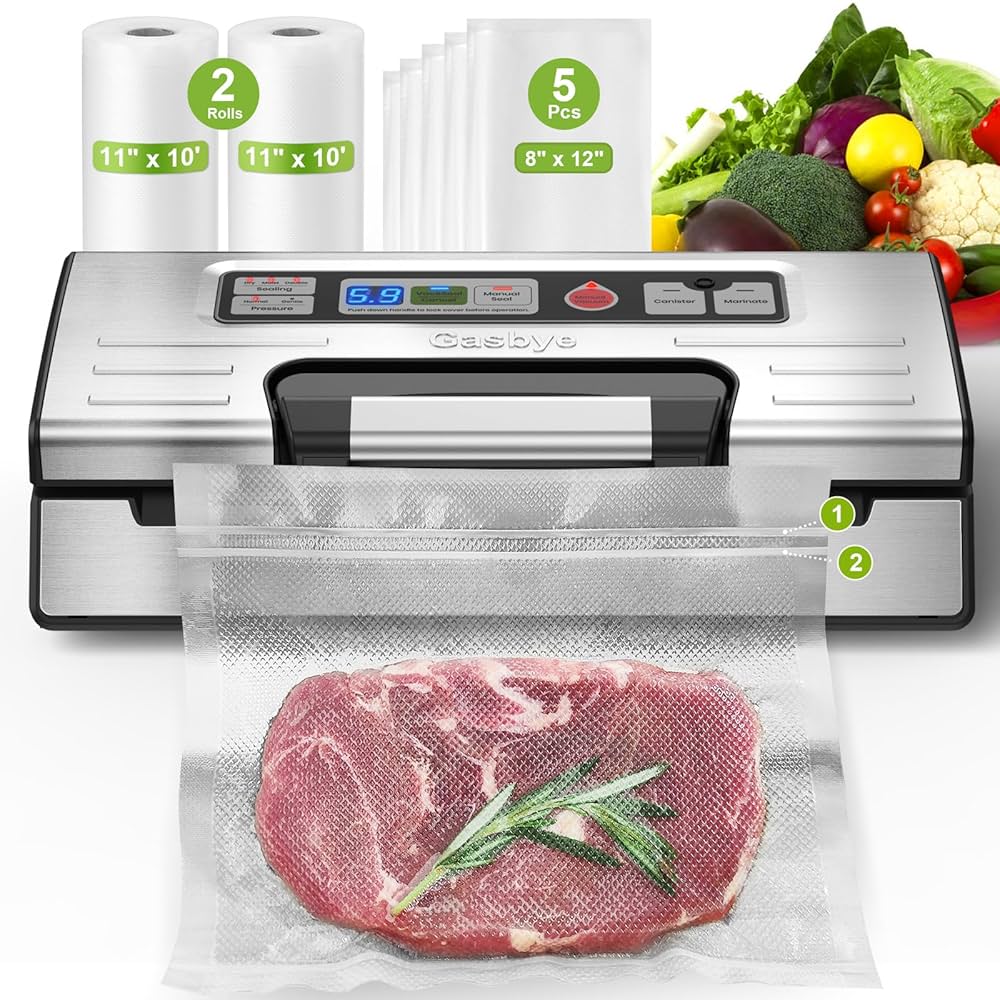
Have you ever wondered if you can vacuum seal hot food? Perhaps you’ve whipped up a delicious meal and are eager to preserve its freshness.
Understanding the best practices for food storage can save you time, money, and keep your dishes tasting their best. But before you reach for that vacuum sealer, there are some crucial things you need to know. You’ll discover whether it’s safe and effective to vacuum seal hot food and how it can impact the quality of your meals.
Get ready to unlock the secrets of food preservation and ensure every bite is as delightful as the first. Dive in to find out more!
Vacuum Sealing Basics
Vacuum sealing is a popular way to preserve food and keep it fresh longer. It removes air from the packaging, which slows down spoilage. This method also protects food from freezer burn and bacteria. Understanding the basics helps you use vacuum sealing properly and safely.
How Vacuum Sealing Works
Vacuum sealing removes air from a bag or container. A machine pulls the air out, creating a tight seal. Without air, bacteria and mold struggle to grow. This process keeps food fresh and flavorful. It also prevents freezer burn by stopping moisture loss.
Common Uses For Vacuum Sealing
- Storing raw meat and fish safely
- Preserving cooked meals for later use
- Keeping fruits and vegetables fresh
- Marinating food faster and deeper
- Organizing bulk food purchases
- Protecting dry goods like nuts and grains
Risks Of Sealing Hot Food
Sealing hot food in a vacuum bag might seem like a quick way to preserve freshness, but it comes with several risks that you should carefully consider. Ignoring these risks could lead to food safety issues and damage your vacuum sealing equipment. Understanding what can go wrong helps you make better decisions in your kitchen.
Bacterial Growth Concerns
Sealing hot food traps heat and moisture inside the bag, creating an ideal environment for bacteria to grow rapidly. Even though vacuum sealing removes air, it doesn’t kill bacteria or stop their growth if the food stays warm.
Think about how quickly leftovers spoil if left out on the counter. If you seal hot food without cooling it first, you might be encouraging dangerous bacterial growth like Clostridium botulinum, which thrives in low-oxygen conditions.
Are you willing to risk foodborne illness just to save time? It’s safer to cool your food before sealing to keep it fresh and safe.
Impact On Vacuum Seal Quality
Hot food releases steam and moisture that can interfere with the vacuum sealing process. Excess moisture can prevent the vacuum sealer from creating a tight, reliable seal on the bag.
This weak seal can cause air leaks, which spoil the food faster and waste your efforts. I once sealed a warm stew and noticed the bag puffing up after a day—clearly, the seal wasn’t holding.
To avoid this, always let your food cool to room temperature or chill it in the fridge before vacuum sealing. This small step ensures a strong seal that keeps your food fresh longer.
Best Practices For Hot Food
Vacuum sealing hot food can be tricky, but mastering the right approach keeps your meals safe and flavorful. Handling hot items without proper care risks both the quality of the food and your vacuum sealer’s performance. Let’s look at practical tips that help you seal hot food correctly and avoid common pitfalls.
Cooling Before Sealing
Never seal food while it’s piping hot. Hot steam can damage the vacuum sealer’s sealing strip or cause the bag to melt.
Allow your food to cool down until it’s warm or at room temperature. This step prevents moisture buildup inside the bag, which can promote bacterial growth.
One trick I use is spreading cooked food on a shallow tray to speed up cooling. It’s much faster than leaving it in a deep container.
Proper Food Temperature Guidelines
Food should be cooled to below 140°F (60°C) before vacuum sealing. This temperature reduces the risk of bacteria multiplying inside the sealed bag.
For safety, chill hot food quickly by placing it in an ice bath or dividing it into smaller portions. Quick cooling is essential if you plan to freeze the food immediately.
Ask yourself: how quickly can you get your food below this temperature? Your answer impacts both safety and food quality.
- Foods above 140°F can produce steam that interferes with sealing
- Sealing below 40°F (4°C) keeps food safe for longer storage
- Use a food thermometer to check temperatures accurately
Techniques To Preserve Freshness
Preserving the freshness of hot food before vacuum sealing is crucial for safety and taste. Cooling food quickly stops bacteria from growing. Proper techniques keep food fresh and safe for storage.
Using Ice Baths
Ice baths cool hot food fast and evenly. Place the hot container in a larger bowl filled with ice and water. Stir the food often to speed up cooling. This method reduces the temperature quickly without drying out the food. It helps keep the texture and flavor intact before sealing.
Rapid Cooling Methods
Rapid cooling prevents bacteria growth and keeps food fresh. Spread hot food in a thin layer on a tray to cool faster. Use a fan or place it near a cool surface. Refrigerate the food once it reaches room temperature. Cooling quickly means safer vacuum sealing and longer storage life.
Safety Tips For Storage
Storing vacuum-sealed hot food requires careful attention to safety. Improper handling can lead to bacterial growth, which spoils your food and poses health risks. Knowing how to store your sealed meals correctly helps keep them fresh and safe to eat.
Refrigeration Vs Freezing
Deciding between refrigeration and freezing depends on how soon you plan to eat the food. Refrigerate vacuum-sealed hot meals if you’ll consume them within a few days. This keeps them cool enough to slow bacteria but avoids the texture changes freezing might cause.
Freezing is best for longer storage—think weeks or months. It stops bacteria from growing completely and preserves your food’s quality over time. Just make sure your food is cooled to room temperature before sealing and freezing to avoid condensation and freezer burn.
Recommended Storage Times
How long can you safely keep vacuum-sealed hot food? Here’s a quick guide:
| Storage Method | Food Type | Safe Storage Time |
|---|---|---|
| Refrigeration | Cooked meats and hot dishes | 3-4 days |
| Refrigeration | Soups and stews | 3-4 days |
| Freezing | Cooked meats and hot dishes | 2-3 months |
| Freezing | Soups and stews | 2-3 months |
Storing food beyond these times increases the risk of spoilage and foodborne illness. Have you ever kept leftovers too long and regretted it? Vacuum sealing extends freshness, but only if you respect these limits.

Credit: www.amazon.com
Equipment Considerations
Vacuum sealing hot food requires careful choice of equipment. Not all vacuum sealers work well with warm or hot items. Using the right tools prevents damage and ensures food stays fresh. Equipment considerations help protect your sealer and improve sealing quality.
Choosing The Right Vacuum Sealer
Select a vacuum sealer designed for moist or hot foods. Some models have special settings for heat and steam. These sealers handle hot steam without malfunctioning. Look for machines with adjustable sealing time and temperature. This control helps avoid melting or weak seals.
Consider a chamber vacuum sealer. It seals food inside a chamber, handling liquids and hot food better. These are common in professional kitchens. They provide strong, airtight seals on hot meals without damage.
Heat-resistant Bags And Materials
Use vacuum bags made from heat-resistant materials. Regular bags may melt or warp with hot food. Heat-safe bags maintain strength and seal integrity after exposure to heat. Look for bags labeled as BPA-free and FDA-approved for food safety.
Thicker bags or those with special layers help protect against heat damage. These bags also prevent leaks and keep air out. Proper bags extend food shelf life and preserve flavor better.
Common Mistakes To Avoid
Vacuum sealing hot food can save you time and preserve flavors, but it’s easy to make mistakes that ruin the process. Knowing what to avoid helps you seal your meals safely and effectively. Let’s look at some common errors that many people don’t realize they’re making.
Sealing Food While Too Hot
Sealing food immediately after cooking can cause problems. Hot food releases steam, which creates moisture inside the bag. This moisture can interfere with the vacuum process, preventing a tight seal.
Have you ever noticed your vacuum sealer bag puff up or fail to seal properly? That’s often because the food was still hot. Let your food cool down to at least room temperature before sealing to avoid this issue.
Also, sealing hot food can damage your vacuum sealer. The heat may warp or break the sealing strip. Protect your appliance by waiting for your food to cool.
Ignoring Food Moisture Levels
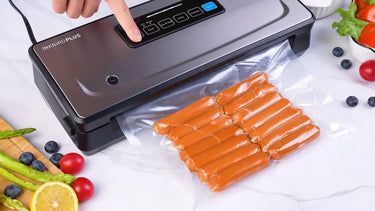
Excess moisture is a common challenge with vacuum sealing. Too much liquid can be sucked into the vacuum sealer, causing blockages or leaks. This can spoil your seal and ruin your food’s freshness.
Before sealing, drain or pat dry your food to reduce surface moisture. For watery foods like soups or stews, consider freezing them first. This solidifies the liquid and makes vacuum sealing easier and cleaner.
Have you tried sealing juicy meats or marinated dishes without preparation? The excess juice often causes sealing failures. Taking a moment to manage moisture saves you from wasted bags and spoiled meals.
Credit: inkbird.com

Credit: www.reddit.com
Frequently Asked Questions
Can You Vacuum Seal Food While It’s Still Hot?
Vacuum sealing hot food is not recommended. Hot food creates steam, which can damage the vacuum sealer and cause bacteria growth. Always let food cool to room temperature before sealing to ensure safety and preserve quality.
Why Should Hot Food Cool Before Vacuum Sealing?
Cooling hot food prevents steam from forming inside the bag. Steam can cause poor seals and promote bacterial growth. Cooling also protects your vacuum sealer from damage and maintains food safety and freshness.
How Long Should Hot Food Cool Before Vacuum Sealing?
Allow hot food to cool for about 30 to 60 minutes. The food should reach room temperature before sealing. This practice ensures a strong vacuum seal and prevents moisture buildup inside the bag.
Can Vacuum Sealing Hot Food Cause Bacteria Growth?
Yes, sealing hot food traps moisture and heat, creating an ideal environment for bacteria. Cooling food first reduces this risk and helps maintain food safety and quality during storage.
Conclusion
Vacuum sealing hot food can be tricky but is possible with care. Let food cool slightly before sealing to avoid damage. Sealing hot meals right away might cause steam and spoilage. Use proper bags and machines designed for sealing warm foods.
This method helps keep food fresh longer and saves space. Always store sealed food in the fridge or freezer quickly. Try these tips to enjoy safe, fresh meals every time. Simple steps make vacuum sealing hot food easier and safer.