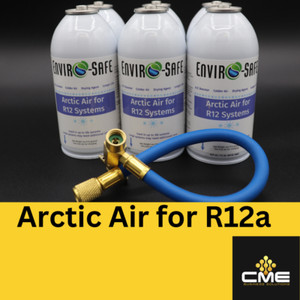
Are you curious about the value of R12 refrigerant? If you’ve ever opened an old fridge or heard whispers about vintage car air conditioning, you’ve likely stumbled upon this chemical.
As regulations and environmental concerns have shifted over the years, the worth of R12 refrigerant has become a hot topic. Is it still in demand? How does its rarity affect its price? By the time you finish reading this article, you’ll have a clear understanding of what makes R12 refrigerant a valuable commodity today.
Dive in to discover why this little-known substance might just be more valuable than you think!

Credit: www.ebay.ca
R12 Refrigerant Market Value
The R12 refrigerant market value varies based on supply, demand, and regulations. This refrigerant, once common in air conditioning and refrigeration, has become rare due to environmental laws. Its price reflects this scarcity and the difficulty in obtaining it legally.
Understanding the market value of R12 helps buyers and sellers make informed decisions. Below, we explore current price trends and the factors influencing the price.
Current Price Trends
The price of R12 refrigerant has risen steadily in recent years. Limited production and strict regulations have reduced availability. Many suppliers charge a premium for genuine R12 refrigerant.
Prices vary widely depending on quantity and source. Small cans often cost more per pound than larger containers. Illegal or counterfeit products may appear cheaper but carry risks.
Factors Influencing Price
- Regulations:Laws banning R12 production increase scarcity and cost.
- Environmental Concerns:R12 damages the ozone layer, limiting its use.
- Supply and Demand:Low supply and steady demand keep prices high.
- Availability of Alternatives:New refrigerants reduce demand for R12 but do not eliminate it.
- Legal Restrictions:Import and export controls affect market access.

Credit: www.amazon.ca
Historical Price Changes
The price of R12 refrigerant has seen many changes over the years. These changes reflect shifts in supply, demand, and global rules. Understanding these patterns helps explain why R12 refrigerant can be costly today.
Price Fluctuations Over The Years
In the past, R12 was cheap and easy to find. It was widely used in cars and air conditioners. Prices stayed low because factories produced it in large amounts.
As time passed, demand dropped. New, safer refrigerants replaced R12. Production slowed down. This caused prices to rise steadily.
At some points, prices jumped sharply. This happened when supplies ran short. Collectors and sellers raised prices due to limited availability. Buyers had to pay more to get R12.
Impact Of Regulations
Governments around the world made strict rules to protect the environment. R12 harms the ozone layer. It was banned for new equipment in many countries.
These rules cut the production and import of R12. Old stocks became rare and valuable. People who repair old systems had to pay high prices.
Recycling and reclaiming R12 grew important. This process made the refrigerant more expensive but necessary. Regulations keep pushing prices up by limiting supply.
Legal And Environmental Restrictions
R12 refrigerant is tightly controlled by many laws worldwide. These rules affect how it can be sold and used. They protect the environment and human health. Understanding these limits helps explain why R12’s value changes over time.
Phase-out Policies
R12 is part of a group of chemicals called CFCs. Many countries banned or limited CFCs to protect the ozone layer. The Montreal Protocol, signed in 1987, started this global phase-out.
Since then, manufacturing and importing R12 have stopped in most places. Only recovered or recycled R12 can be used, often at a higher price. Illegal sales can occur but carry heavy penalties. These rules reduce R12 availability and increase its market price.
Environmental Impact
R12 damages the ozone layer that shields Earth from harmful UV rays. It also contributes to global warming. These effects cause health problems and environmental damage.
Regulations aim to cut R12 use to protect the planet. Using alternatives with lower environmental risks is encouraged. Old equipment with R12 must be handled carefully to avoid leaks. This concern drives demand for proper disposal and recycling services.

Credit: www.amazon.ca
Alternatives To R12 Refrigerant
R12 refrigerant, once a staple in air conditioning systems, is now largely phased out due to environmental regulations. If you’re still using equipment designed for R12, you need to consider alternatives that protect your system and the planet. Choosing the right replacement can save you money and keep your cooling running smoothly.
Popular Replacement Options
Several refrigerants have emerged as suitable substitutes for R12, each with its pros and cons. Here are some popular choices:
- R134a:Widely used in automotive air conditioning, R134a is compatible with many R12 systems after some modifications. It offers good cooling performance but requires a retrofit of the system’s seals and oils.
- R-408A:Known as a drop-in replacement for R12 in many applications, it minimizes the need for system changes. However, it can be more expensive and less efficient in some cases.
- R-422D:Another drop-in alternative, R-422D works well with existing lubricants and provides a similar cooling effect. It’s often favored for its balance of cost and performance.
- Hydrocarbon refrigerants (like R-290):These are natural and environmentally friendly but require specialized handling due to flammability concerns.
Have you checked which refrigerants your equipment manufacturer approves? This step can save you from costly mistakes.
Cost Comparison
| Refrigerant | Approximate Cost per Pound | Retrofit Required | Environmental Impact |
|---|---|---|---|
| R12 (obsolete) | $150 – $300 | No | High Ozone Depletion |
| R134a | $10 – $20 | Yes | Low Ozone Depletion |
| R-408A | $20 – $40 | Minimal | Moderate |
| R-422D | $15 – $30 | Minimal | Moderate |
| Hydrocarbons (e.g., R-290) | $8 – $15 | Yes (Safety Precautions) | Very Low |
Notice the price gap between R12 and its alternatives? That difference can add up quickly, especially if your system uses a significant amount of refrigerant. Balancing cost with compatibility and environmental impact is key to making the right choice.
Have you considered how long you plan to keep your equipment? Sometimes investing in a proper retrofit can save more money and headaches in the long run.
Buying And Selling R12
Buying and selling R12 refrigerant requires care and knowledge. R12, also known as Freon, is a refrigerant once common in air conditioning systems. Its production stopped in many countries due to environmental laws. This makes buying and selling R12 tricky and often regulated by law. Knowing where to buy and how to sell R12 safely is important for both buyers and sellers.
Where To Purchase
R12 is not easy to find in regular stores. Many places no longer stock it because of legal restrictions. Buyers often turn to specialty shops or online markets that serve refrigeration professionals.
- Licensed refrigerant dealers
- Certified HVAC supply stores
- Online marketplaces with verified sellers
It is important to check if the seller follows local laws. Some regions require proof of certification to buy R12. Always ask for proper documentation and safety information.
Resale Considerations
Selling R12 has strict rules. Many governments control its sale to protect the environment. Sellers must be aware of these rules to avoid fines or legal trouble.
- Confirm buyer’s certification and need for R12
- Keep records of all transactions
- Ensure the refrigerant is stored and handled safely
Prices for R12 can vary widely. The cost depends on demand, availability, and regulations. Selling R12 at a fair price requires knowing current market values and legal limits.
Tips For Handling R12 Safely
Handling R12 refrigerant requires more than just knowing its value. Your safety and the environment depend on how carefully you manage this substance. Let’s look at some practical tips that help you handle R12 properly and responsibly.
Storage Guidelines
Store R12 cylinders in a cool, dry place away from direct sunlight. Heat can increase pressure inside the cylinder, making it dangerous. Always keep the containers upright to prevent leaks and damage.
Make sure the storage area is well-ventilated to avoid buildup of any leaked gas. Use proper labels to identify R12 cylinders clearly. This not only helps in quick recognition but also ensures anyone handling them knows the risks involved.
Disposal Regulations
Disposing of R12 requires following strict legal rules. Never release R12 into the atmosphere as it damages the ozone layer. Contact authorized disposal services that specialize in refrigerants.
Keep records of how much R12 you dispose of and how. This documentation is often mandatory and protects you from legal trouble. Have you checked if your local waste management has specific guidelines for refrigerants?
Frequently Asked Questions
What Is The Current Price Of R12 Refrigerant?
The price of R12 refrigerant varies but typically ranges from $50 to $150 per pound. Prices depend on availability and market demand. Due to its phase-out, R12 is rare and often more expensive than newer refrigerants.
Why Is R12 Refrigerant So Expensive Today?
R12 is costly because it is banned for new use under environmental laws. Limited supply and high demand for vintage AC systems drive prices up. Handling R12 requires certification, adding to its overall cost.
Can I Legally Buy And Use R12 Refrigerant?
In many countries, buying and using R12 is restricted to certified technicians. It is allowed only for servicing existing systems. New installations must use approved alternatives, making R12 use highly regulated.
How Does R12 Price Compare To Newer Refrigerants?
R12 is generally more expensive than newer refrigerants like R134a. New refrigerants are more environmentally friendly and widely produced. This causes R12’s scarcity and higher market value.
Conclusion
R12 refrigerant prices change based on demand and supply. Its value depends on purity and quantity. Old stock may sell for more money. Selling R12 requires following legal rules carefully. Understanding its worth helps make better decisions. Always check current market rates before selling.
Keep safety and environment in mind at all times. Knowing R12’s value saves time and avoids trouble. Stay informed to handle refrigerants responsibly and smartly.