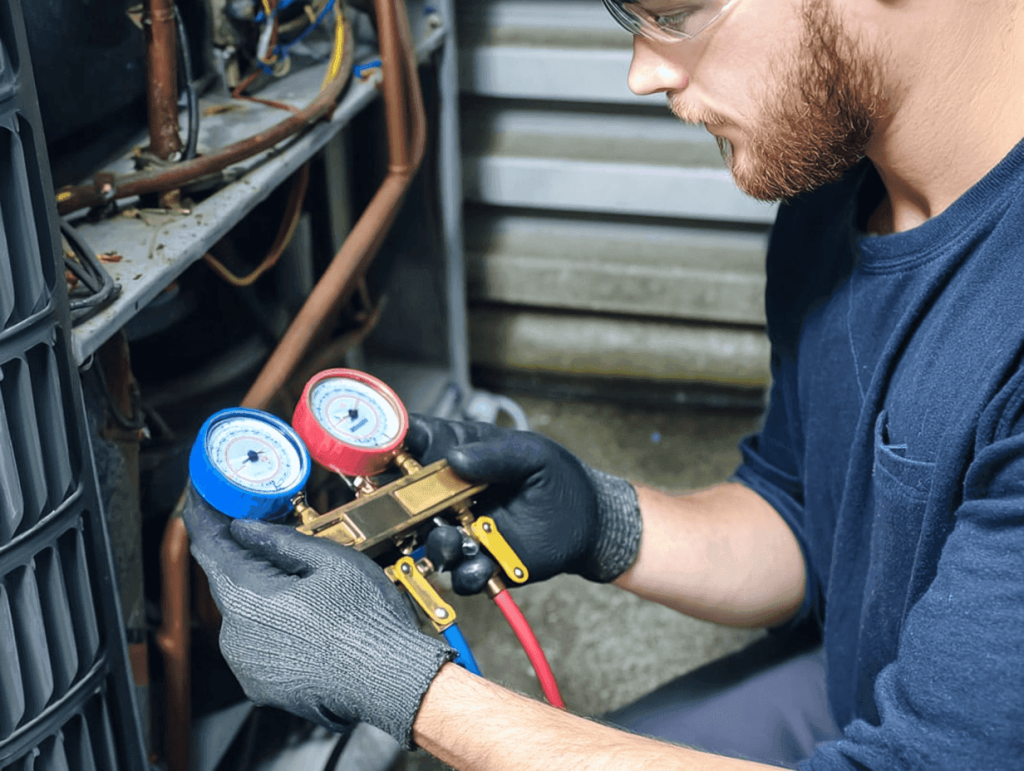
Is your air conditioner not cooling as efficiently as it used to? Or maybe you’ve noticed a sudden spike in your energy bills?
These could be signs of a refrigerant leak. But what exactly causes these leaks, and why should you care? Understanding the underlying reasons for refrigerant leaks can save you time, money, and stress. It can also prevent further damage to your cooling system.
You’ll discover the common culprits behind these leaks and learn how to spot them before they wreak havoc on your comfort and wallet. Stay with us to uncover the secrets that could keep your air conditioner running smoothly and efficiently.
Common Leak Sources
Identifying the common sources of refrigerant leaks is crucial for maintaining your air conditioning or refrigeration system. These leaks can cause your system to lose efficiency and increase energy bills. Understanding where leaks typically occur helps you take timely action and avoid costly repairs.
Worn Out Seals
Seals are designed to keep refrigerant contained within the system. Over time, these seals dry out, crack, or become brittle due to heat and pressure changes. If you notice your system losing refrigerant frequently, worn out seals might be the culprit.
Have you ever noticed oil stains near your unit? This often signals a leaking seal because oil travels with refrigerant. Regular inspection and replacement of seals can prevent small leaks from turning into big problems.
Corroded Pipes
Corrosion happens when metal pipes are exposed to moisture and oxygen. This weakens the pipe walls, eventually causing pinhole leaks. Pipes located outdoors or in humid environments are especially vulnerable to corrosion.
One homeowner shared how rust spots on their AC pipes led to a sudden refrigerant leak. Protecting your pipes with insulation or coatings can extend their life and keep leaks at bay.
Damaged Coils
Coils play a key role in heat exchange, but they can get damaged by debris or physical impact. Tiny punctures or cracks in the coils allow refrigerant to escape. Even a small hole in the coil can significantly reduce system performance.
Think about the last time you cleaned your outdoor unit—did you check the coil for dents or scratches? If not, it’s worth adding this to your routine maintenance checklist.
Loose Connections
Connections between pipes and components must be tight to prevent leaks. Vibration from the system running can gradually loosen these joints. Loose connections often cause slow leaks that are hard to detect until the system shows signs of failure.
If you hear unusual noises or notice your system cycles more often, inspect the connections. Tightening them can save you from a costly refrigerant refill and improve system efficiency.
Credit: www.watkinsheating.com
Environmental Factors
Environmental factors play a key role in causing refrigerant leaks. These factors create stress on the cooling system’s components. Over time, this stress can lead to small cracks or holes. These openings allow refrigerant to escape, reducing efficiency and increasing repair costs.
Understanding these environmental causes helps in preventing leaks. Let’s explore the main environmental elements that affect refrigerant systems.
Temperature Fluctuations
Rapid changes in temperature cause metal parts to expand and contract. This constant movement weakens seals and joints. Over time, it creates gaps where refrigerant can leak out. Extreme heat or cold can also damage rubber components, making leaks more likely.
Humidity Effects
High humidity levels cause moisture to build up inside the system. Moisture leads to corrosion and rust on metal parts. Corrosion eats away at pipes and fittings, creating holes for leaks. It also weakens the overall structure of the cooling system.
Physical Impact
Physical damage from bumps or knocks harms refrigerant lines. Even small impacts can cause dents or cracks. These damages reduce the system’s ability to hold refrigerant properly. Vibrations from nearby machines or traffic can also loosen connections and cause leaks.
Signs Of Refrigerant Leaks
Detecting refrigerant leaks early can save you from costly repairs and discomfort. Knowing the signs helps you act before the problem worsens. Here are some clear indicators that your system might be leaking refrigerant.
Reduced Cooling Efficiency
One of the first signs you’ll notice is that your air conditioner isn’t cooling as well as it used to. You might feel warm spots or uneven temperatures around your home. This happens because low refrigerant reduces the system’s ability to absorb heat effectively.
Have you ever adjusted your thermostat multiple times but still couldn’t get your room to cool down? That’s a strong hint that something is off with the refrigerant levels.
Unusual Noises
Listen closely when your air conditioner runs. If you hear hissing or bubbling sounds, it could be refrigerant escaping from a leak. These noises often come from the coils or pipes where the refrigerant flows.
Ignoring these sounds might seem harmless, but they indicate a problem that can lead to bigger issues. Have you noticed any new or strange noises from your unit recently?
Ice Formation
Ice buildup on the evaporator coils or refrigerant lines is a common symptom of refrigerant leaks. When there’s not enough refrigerant, the pressure drops, causing the coils to freeze. This ice can block airflow and make your system work harder.
If you spot frost or ice on your AC parts, don’t wait. This is a clear sign that your system needs immediate attention to prevent damage.
Higher Energy Bills
When your AC struggles due to a refrigerant leak, it uses more energy to maintain the desired temperature. You might notice a sudden spike in your electricity bill without any change in usage habits. This extra cost is your system working overtime to compensate for lost refrigerant.
Could your rising energy costs be linked to an unnoticed leak? Checking your system might reveal the cause and help you save money.

Credit: www.achrnews.com
Easy Leak Detection Methods
Detecting refrigerant leaks early saves money and prevents damage. Easy leak detection methods help spot leaks without special skills. These simple techniques allow homeowners and technicians to check systems quickly. Each method uses basic tools and clear signs to find leaks fast.
Soap Bubble Test
The soap bubble test is a classic and easy way to find leaks. Mix soap with water and apply it to pipe joints and fittings. Watch for bubbles forming. Bubbles mean air escapes through a hole, showing a leak. This method works best on visible and accessible parts.
Electronic Leak Detectors
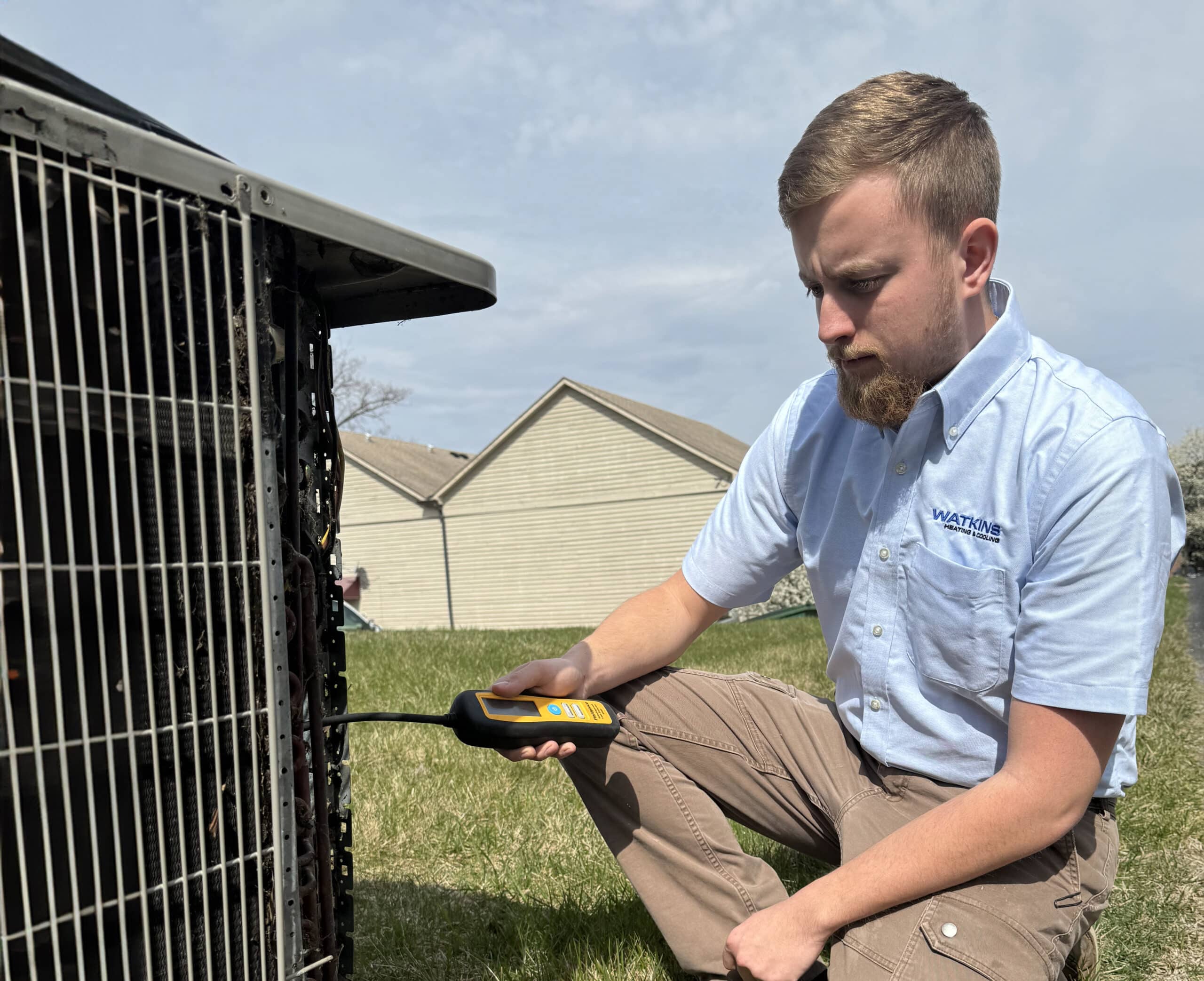
Electronic leak detectors sense refrigerant gas in the air. They beep or light up near leaks, making detection quick. These devices detect even small leaks that are hard to see. They are handheld and easy to use, perfect for regular checks.
Uv Dye Inspection
UV dye inspection uses a special dye added to the refrigerant system. The dye moves with the refrigerant and escapes through leaks. Shine a UV light on pipes and connections. Glowing spots reveal leaks clearly. This method works well for hidden leaks inside machines.
Simple Repair Tips
Simple repair tips can help stop refrigerant leaks quickly. These fixes save money and extend your system’s life. Some repairs need basic tools and little experience. Others require more care and attention. The right fix depends on the leak’s cause and location.
Tightening Connections
Loose connections often cause refrigerant leaks. Check all fittings and joints. Use a wrench to tighten any loose parts. Avoid over-tightening, which can cause damage. Regularly inspect connections to catch leaks early.
Replacing Seals
Seals wear out over time and start leaking. Replace old or cracked seals with new ones. Use the correct seal type for your system. Clean the area before fitting new seals to ensure a tight fit. This prevents future leaks from weak spots.
Fixing Corrosion
Corrosion eats through metal and causes leaks. Look for rust or discoloration on pipes and components. Remove corrosion with a wire brush or sandpaper. Apply a corrosion inhibitor to protect the surface. Replace any parts with severe damage.
Professional Servicing
Some leaks need expert attention. Professionals use special tools to find and fix hidden leaks. They recharge the refrigerant to the right level. Regular servicing keeps your system safe and efficient. Call a technician if leaks persist after simple repairs.
Preventive Measures
Preventing refrigerant leaks is key to keeping your HVAC system running efficiently and avoiding costly repairs. Taking the right steps early can save you headaches later. Let’s look at some practical ways you can protect your system from leaks before they start.
Regular Maintenance
Checking your system regularly helps catch small issues before they turn into leaks. Schedule professional tune-ups at least once a year to inspect seals, coils, and connections. You can also keep an eye out for signs like unusual hissing sounds or reduced cooling to spot problems early.
Think about how often you’ve put off maintenance on your equipment. Could a quick inspection have prevented bigger damage? Staying proactive means you avoid emergency repairs and extend your system’s lifespan.
Proper Installation
Leaks often happen because of poor installation. Make sure your HVAC unit is installed by certified technicians who follow manufacturer guidelines closely. Incorrect fittings or loose connections provide easy escape routes for refrigerant.
Have you ever had a repair that kept breaking down? Sometimes it’s not the product but how it was set up. Investing in proper installation upfront reduces the chance of leaks and improves overall performance.
Using Quality Parts
Cheap or incompatible parts can cause leaks, even if your system is well-maintained. Always choose high-quality components designed specifically for your model. This includes pipes, valves, and seals that withstand pressure and temperature changes.
Imagine replacing a tiny seal with a subpar one just to save money. It might seem like a good idea until the leak comes back. Using trusted parts ensures your system stays sealed tight and works smoothly for years.

Credit: northnjhvac.com
Frequently Asked Questions
What Are The Main Causes Of Refrigerant Leaks?
Refrigerant leaks mainly occur due to corrosion, physical damage, and poor installation. Over time, components wear out, causing small cracks or holes. Improper maintenance and aging systems also increase leak risks. Identifying these causes helps prevent costly repairs and energy loss.
How Does Corrosion Lead To Refrigerant Leaks?
Corrosion weakens metal parts in HVAC systems, creating tiny holes. Moisture and chemicals accelerate this process. Once compromised, refrigerant escapes, reducing efficiency and causing system failure. Regular inspections and protective coatings can minimize corrosion-related leaks.
Can Poor Installation Cause Refrigerant Leaks?
Yes, poor installation often results in loose fittings or damaged seals. Incorrect brazing or improper handling can create weak spots. These issues cause refrigerant to leak quickly. Hiring certified technicians ensures proper installation and reduces leak risks.
How Does Wear And Tear Affect Refrigerant Leaks?
Wear and tear degrade system components like valves and pipes. Over time, seals may crack, and joints loosen, allowing refrigerant to escape. Routine maintenance helps spot wear early, preventing leaks and prolonging system life.
Conclusion
Refrigerant leaks happen for many reasons. Tiny holes, worn parts, and poor installation cause leaks. These leaks reduce cooling and increase energy use. Fixing leaks quickly saves money and protects the environment. Regular checks help find leaks early. Knowing what causes leaks helps keep systems working well.
Take care of your cooling system for long-lasting comfort.