Have you ever reached into your refrigerator to grab some lettuce or tomatoes, only to find them frozen solid? You’re not alone.
Many people experience the frustrating mystery of why their refrigerator, designed to keep food fresh, sometimes turns it into an icy block. But why does this happen? Is it something you did, or is your fridge acting up on its own?
Unraveling this chilly conundrum can save you time, money, and prevent future food disasters. We’ll dive deep into the reasons behind your food freezing in the fridge and offer practical solutions to keep your produce perfectly crisp. Stick around, because understanding this common issue might just change the way you look at your kitchen appliance forever.
Common Signs Of Food Freezing
Noticing your food freezing inside the refrigerator can be confusing and frustrating. It’s important to recognize the signs early so you can adjust your settings or check your appliance before more food gets ruined. Here are some common signs that your refrigerator might be freezing your food.
Frost Buildup On Shelves
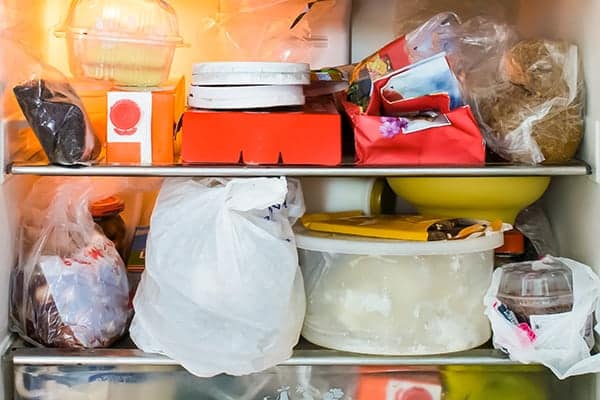
Have you ever opened your fridge to find a layer of frost covering the shelves or walls? This frost buildup is a clear indication that the temperature inside is too low or that there’s excess moisture. If you spot this, it’s a strong hint your fridge is working harder than it should and likely freezing your food unintentionally.
Ice Crystals On Food
Finding tiny ice crystals on fresh fruits, vegetables, or leftovers is a sign they’ve been partially frozen. This often happens when the fridge temperature drops below the ideal range. Ice crystals not only affect the appearance but also change the taste and nutritional value of your food.
Unexpected Texture Changes
Have you noticed your lettuce becoming limp and mushy or your dairy products turning grainy? These unexpected texture changes happen because freezing alters the structure of food. Even if the food isn’t solidly frozen, partial freezing can ruin its texture and make it less enjoyable to eat.

Credit: oakvalleyappliance.com
How Temperature Settings Affect Freezing
Understanding how your refrigerator’s temperature settings affect freezing can save you from ruined meals and wasted groceries. If your food is freezing unexpectedly, the temperature might be set too low. Knowing the right balance helps keep your food fresh without turning it into an ice cube.
Ideal Temperature Range
The perfect fridge temperature is usually between 37°F and 40°F (3°C to 4°C). This range keeps your food cool enough to slow bacterial growth but not cold enough to freeze it. If your fridge is colder than this, you risk freezing items like fruits, vegetables, and dairy products.
Have you checked your fridge thermometer lately? Many people forget that the default setting might be colder than necessary, especially after a power outage or cleaning session.
Effects Of Too Low Settings
Setting the temperature too low causes unwanted freezing. Soft vegetables like lettuce and cucumbers can turn limp and watery once thawed, ruining their texture. Milk and juices can separate or develop ice crystals, affecting taste and appearance.
Freezing also affects leftovers and sauces, causing them to separate or become grainy. This happens because water inside the food freezes and expands, damaging the structure. Think about the last time you found ice crystals in your yogurt — it’s a sign the temperature is too cold.
Adjusting Thermostat Accurately
Most refrigerators have a numbered dial or digital control for temperature adjustment. Instead of guessing, use a fridge thermometer to check the actual temperature inside. Place it in the middle shelf and adjust the thermostat gradually, then wait 24 hours before checking again.
- Turn the dial one step warmer if you notice frozen food.
- Allow the fridge to stabilize before making more changes.
- Keep the door closed as much as possible during adjustments.
Have you tried adjusting your thermostat this way? It can be a simple fix that stops your food from freezing and saves money on wasted groceries.
Role Of Refrigerator Placement
The placement of your refrigerator plays a crucial role in how well it maintains the right temperature and prevents your food from freezing. Even slight misplacement can cause cold air to concentrate in certain areas, leading to unexpected freezing of items. Understanding how your refrigerator’s position affects its internal environment can help you avoid these issues and keep your food fresh.
Impact Of Door Seals
Your refrigerator’s door seals must be tight and intact to keep cold air inside and warm air out. If the seal is damaged or dirty, cold air can leak and cause the fridge to overcompensate by freezing food. Have you checked your door seals lately? A simple wipe or replacement might stop your food from freezing.
Proper Air Circulation Inside
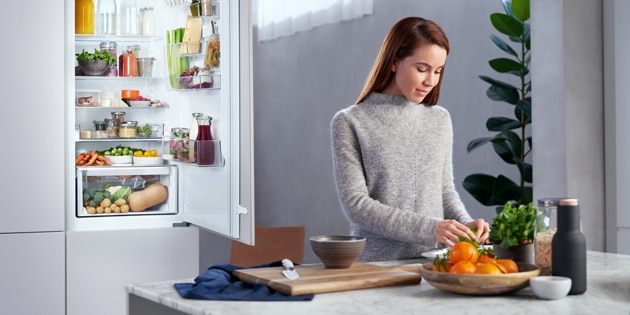
Airflow inside the fridge is vital to maintain an even temperature throughout. Blocking vents or placing food too close to the cooling elements can cause some areas to get colder than necessary. Try to leave space around items so cold air can circulate freely—this can prevent those unexpected frozen spots.
Avoiding Overcrowding
It’s tempting to fill your fridge to the brim, but overcrowding restricts air circulation and can cause uneven cooling. When the cold air can’t move properly, some food might freeze while other parts stay warm. Think about spacing your items better or removing anything you don’t need to keep your fridge running smoothly.
Credit: www.electrolux.in
Malfunctions That Cause Freezing
Malfunctions inside a refrigerator can cause your food to freeze unexpectedly. These issues disrupt the normal cooling cycle. Instead of keeping food just cold, the fridge becomes too cold.
Several common malfunctions lead to freezing problems. Understanding these faults can help you spot the issue early. Acting fast can save your food and avoid costly repairs.
Faulty Thermostat Issues
The thermostat controls the fridge’s temperature. A faulty thermostat may send wrong signals. It can cause the compressor to run too long. This makes the fridge colder than needed. Food near the thermostat or vents may freeze first. Replacing a bad thermostat often solves freezing problems.
Defrost System Failures
The defrost system stops ice build-up inside the fridge. If it fails, ice can block vents and sensors. This leads to uneven cooling and freezing spots. Food touching ice-covered walls may freeze quickly. Common defrost system parts include the heater, timer, and thermostat. Repairing or replacing these parts clears ice and stops freezing.
Sensor And Control Board Problems
Sensors detect temperature and send data to the control board. The control board manages the fridge’s cooling cycles. Faulty sensors give wrong temperature readings. The control board may cool too much based on bad data. This causes the fridge to freeze food. Sometimes, the control board itself malfunctions. Both parts need checking and replacement if broken.
How Food Placement Influences Freezing
Food placement inside your refrigerator plays a crucial role in whether your items freeze or stay fresh. The cold air circulation and temperature zones vary throughout the fridge, so where you put your food can make a big difference. Understanding these subtle variations can help you avoid unwanted freezing and keep your food at the right temperature.
Items Near Cooling Vents
The cooling vents blast cold air directly into the fridge. Items placed too close to these vents often get exposed to temperatures lower than the rest of the compartment.
Have you noticed your lettuce or milk freezing near the back wall? That’s because the coldest air hits those spots first. Try moving sensitive items away from vents to prevent them from freezing.
Storing Liquids Vs. Solids
Liquids freeze faster than solids because they expand as they turn into ice. If you place liquids near cold spots, they’re more likely to freeze.
On the other hand, solid foods like vegetables or cooked meals usually resist freezing a bit longer. You might want to keep liquids in the middle shelves where the temperature is more stable.
Using Containers And Wrappers
The type of container or wrapper you use affects how quickly your food cools and freezes. Thin plastic wrap offers little insulation, so food can freeze faster.
Using airtight containers or thicker wraps slows down the cooling process, protecting your food from extreme cold. Have you tried switching your packaging method to see a difference?

Credit: www.dtappliance.com
Tips To Prevent Food From Freezing
Preventing food from freezing in your refrigerator improves taste and texture. It also reduces food waste. Simple habits and checks help keep your fridge’s temperature balanced. Proper care ensures your food stays fresh without freezing.
Regular Temperature Checks
Keep your fridge’s temperature between 35°F and 38°F (1.7°C to 3.3°C). Use a fridge thermometer for accurate readings. Check the temperature weekly to spot changes early. Adjust the thermostat if the fridge is too cold. Avoid setting it below freezing to protect your food.
Routine Maintenance Steps
Clean the fridge coils twice a year to help it run efficiently. Check door seals for cracks or gaps to keep cold air inside. Defrost the fridge if frost builds up on freezer walls. Remove expired food to improve airflow. A clean fridge cools more evenly.
Smart Food Organization
Place items away from air vents to avoid direct cold blasts. Use clear containers to see contents without opening doors often. Store fruits and vegetables in the crisper drawers for proper humidity. Avoid overcrowding; it blocks cold air circulation. Rotate older items to the front to use them first.
Frequently Asked Questions
Why Does My Refrigerator Freeze Some Foods?
Your refrigerator may be too cold or items are placed near cooling vents. Adjust the temperature to 37-40°F and avoid blocking air vents to prevent freezing.
How To Stop Freezer Burn In My Refrigerator?
Freezer burn happens due to air exposure. Use airtight containers or freezer bags and avoid frequent opening to maintain consistent temperature and protect food.
Can Improper Fridge Settings Cause Food To Freeze?
Yes, setting the fridge temperature too low can freeze food. Keep the fridge between 37-40°F for optimal cooling without freezing your items.
Why Is My Fresh Produce Freezing In The Fridge?
Placing produce near cold air vents causes freezing. Store fruits and vegetables in the crisper drawer to regulate humidity and temperature properly.
Conclusion
Freezing food in your refrigerator can happen for several reasons. Temperature settings might be too low. Placement near cooling vents often causes freezing. Old or faulty parts may also play a role. Regularly check your fridge’s settings and items inside.
Adjusting the temperature can stop unwanted freezing. Keep food away from cold air sources. Understanding these tips helps keep your food fresh. Small changes make a big difference in food storage. Stay aware and enjoy your food without surprises.