Breastfeeding is a special bond between you and your baby, full of love and nourishment. But life can get busy, and sometimes you need to plan ahead.
Maybe you’ve heated up some breast milk and your baby didn’t drink all of it. Now you’re left wondering: Can you refrigerate breast milk after heating it up? This simple question might seem small, but it’s crucial for your baby’s health and your peace of mind.
We’ll dive into the facts and myths surrounding this topic, ensuring you have all the information you need to make the best choices for your little one. Stay with us, because what you learn here might just make your life a little bit easier.
Breast Milk Storage Basics
Storing breast milk properly is key to keeping it safe and nutritious for your baby. Once breast milk is heated, its storage rules change, and understanding these basics helps you avoid waste and protect your little one’s health. Let’s break down what you need to know about fresh versus heated milk and the right temperatures for storage.
Fresh Vs. Heated Milk
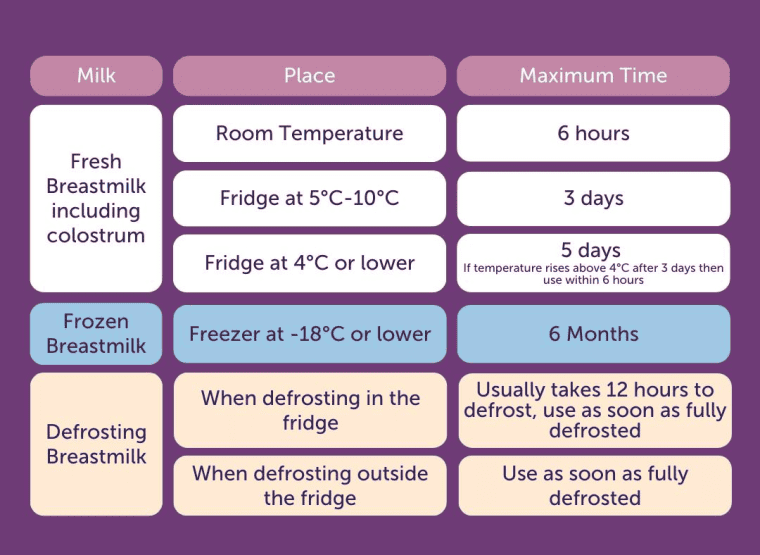
Fresh breast milk can be stored in the refrigerator for up to 4 days, but once you heat it, the clock starts ticking faster. Heated milk should never be refrigerated again after warming because bacteria can grow quickly. If your baby doesn’t finish the bottle, it’s best to discard the leftover milk rather than saving it for later.
Think about this: have you ever reheated milk and wondered if it’s still safe? The answer is no—you should avoid reheating or refrigerating milk more than once. Each heating and cooling cycle increases the risk of bacterial contamination.
Safe Storage Temperatures
Temperature control is critical when storing breast milk. Keep fresh milk in the back of the fridge where the temperature is most stable, ideally at or below 4°C (39°F). If you freeze milk, maintain it at -18°C (0°F) or colder to preserve nutrients for up to 6 months.
After heating, breast milk should be used within 2 hours and never placed back in the refrigerator. Leaving it out longer can allow harmful bacteria to multiply. Always label your milk with the date it was expressed and heated, so you know exactly how long it’s been stored.

Credit: kiinde.com
Heating Breast Milk Safely
Heating breast milk needs care to keep its nutrients and safety intact. Improper warming can destroy important vitamins and harm your baby’s health. Follow safe heating steps to make sure the milk stays fresh and healthy for feeding.
Recommended Warming Methods
Warm breast milk gently to preserve its quality. Use these safe methods:
- Place the milk container in a bowl of warm water for a few minutes.
- Use a bottle warmer designed for breast milk.
- Hold the bottle under warm running water until it feels warm.
Avoid microwaving as it heats unevenly and can create hot spots.
Avoiding Overheating
Keep the milk below 40°C (104°F) to protect nutrients. Overheating can break down proteins and reduce antibodies. Check the temperature by shaking a few drops on your wrist. It should feel warm, not hot. Stop warming as soon as the milk reaches the right temperature.
Refrigerating Heated Breast Milk
Refrigerating heated breast milk requires careful attention to safety and timing. Proper handling helps keep the milk fresh and protects your baby from harmful bacteria. Understanding guidelines about storage after heating is vital for all parents and caregivers.
Is It Safe To Refrigerate?
Refrigerating breast milk after warming is generally not recommended. Bacteria can grow faster once milk is heated and then cooled again. This can increase the risk of illness for your baby.
Experts advise that breast milk should be used right after warming. If your baby does not finish the milk, discard the leftovers instead of storing them again.
Time Limits For Storage
Freshly expressed breast milk can be refrigerated for up to 4 days. Once heated, it should be used within 1 to 2 hours. Any milk left after this time should be thrown away.
Keep the milk in a clean container. Store it in the coldest part of the refrigerator, not in the door.
Credit: www.cafeoflifesandiego.com
Risks Of Reheating Multiple Times
Reheating breast milk multiple times can cause health risks. Each heating cycle increases the chance of problems. It is important to understand these risks before storing or feeding.
Bacterial Growth Concerns
Heating milk more than once can encourage bacteria to grow. Warm temperatures help bacteria multiply quickly. Repeated heating and cooling cycles raise the risk of contamination. This can lead to illness in babies. Keeping milk safe means avoiding multiple reheats.
Nutrient Degradation
Reheating breast milk repeatedly reduces its nutrients. Important vitamins and proteins break down with heat. This makes the milk less healthy for the baby. Fresh or properly stored milk keeps nutrients intact better. Limit reheating to preserve the milk’s quality and benefits.
Tips For Handling Breast Milk
Handling breast milk safely is crucial for your baby’s health and your peace of mind. Proper techniques can help you preserve the nutrients and avoid waste. Let’s look at some practical tips that make storing and using breast milk easier and safer for you and your little one.
Labeling And Tracking Milk
Always label your breast milk with the date and time it was expressed. This simple step helps you use the oldest milk first, reducing waste and ensuring your baby gets the freshest milk possible.
Use waterproof labels or permanent markers on storage bags and containers. If you pump several times a day, noting the exact time can help you track usage and avoid confusion.
Keeping a small log or using an app to track your milk can be a game-changer. Have you ever opened a container wondering how old the milk is? Labeling stops that uncertainty immediately.
Proper Thawing Techniques
Thaw breast milk slowly to preserve its nutrients and prevent bacterial growth. The best way is to place frozen milk in the refrigerator overnight rather than thawing it quickly at room temperature.
If you need milk faster, hold the container under warm running water or place it in a bowl of warm water. Avoid using a microwave or boiling water, as high heat can destroy beneficial properties and create hot spots.
Once thawed, use the milk within 24 hours and never refreeze it. Have you noticed how quickly milk can spoil once warmed? Thawing correctly helps you avoid that and keeps your baby safe.

Credit: oshwellness.com
When To Discard Breast Milk
Knowing when to discard breast milk is vital for your baby’s health. Breast milk changes after heating. Not all milk stays safe to feed. Using spoiled milk can cause stomach issues. Pay close attention to signs of spoilage and contamination risks. Proper handling helps keep milk fresh.
Signs Of Spoilage
- Milk smells sour or bad
- Appearance turns yellow or greenish
- Milk looks curdled or lumpy
- Taste becomes bitter or off
- Milk stays warm for more than 2 hours
Discard milk immediately if you notice any of these signs. Trust your senses. It is better to be safe.
Avoiding Contamination
- Use clean bottles and utensils
- Wash hands before handling milk
- Do not refreeze milk after thawing
- Store milk in small portions
- Label milk with date and time
- Do not heat milk more than once
Keep milk safe by following these simple steps. Contamination can happen easily. Proper care preserves milk quality and protects your baby.
Frequently Asked Questions
Can You Refrigerate Breast Milk After Warming It?
It’s best not to refrigerate breast milk after warming. Reheated milk can spoil faster and may lose nutrients. Use warmed milk within 2 hours to ensure safety and quality for your baby.
How Long Can Heated Breast Milk Stay Refrigerated?
Heated breast milk should not be refrigerated again. Once warmed, use it within 2 hours and discard any leftover milk to avoid bacterial growth.
Is It Safe To Reheat Breast Milk Multiple Times?
No, reheating breast milk multiple times is unsafe. Each reheating increases contamination risk and nutrient loss. Warm only the amount your baby will consume.
What Happens If You Refrigerate Heated Breast Milk?
Refrigerating heated breast milk can cause bacterial growth and spoilage. It’s best to store milk cold, then warm only before feeding to maintain quality and safety.
Conclusion
Refrigerated breast milk should not be reheated and stored again. Bacteria can grow quickly after warming. Always use heated milk within two hours for safety. Storing milk properly keeps your baby healthy. Remember, fresh milk is best for feeding. Follow safe handling to protect your little one.
Safe milk means happy, healthy babies. Keep these tips in mind to avoid risks. Simple care makes a big difference every day.