
Have you ever wondered if you can put a refrigerator outside? Maybe you’re considering adding one to your backyard kitchen or need extra storage in your garage.
Before you make a decision, it’s crucial to understand how outdoor conditions can affect your fridge. You might think it’s as simple as plugging it in, but there’s more to it than meets the eye. We’ll dive into the surprising truths and little-known facts about using a refrigerator outdoors.
Stick around to discover if this is a cool idea for your home or a chilling mistake waiting to happen.
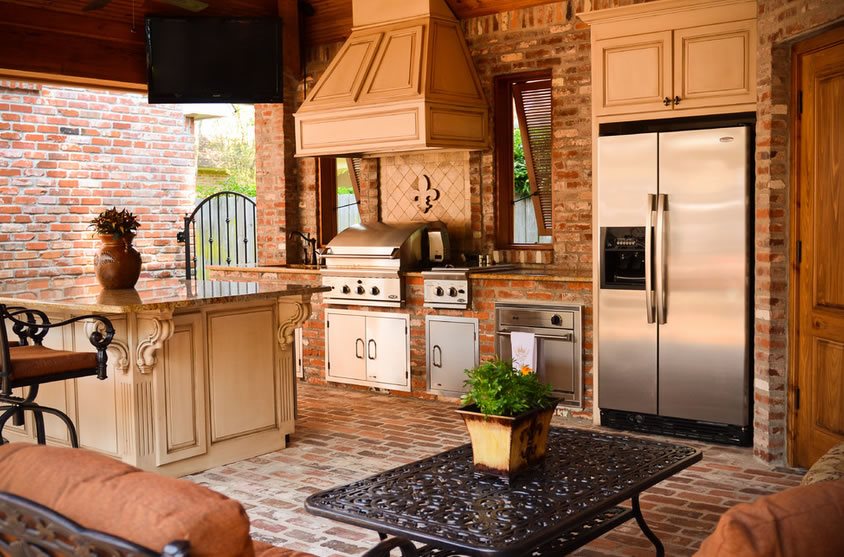
Credit: www.landscapingnetwork.com
Suitability Of Outdoor Refrigerators
Choosing the right refrigerator for outdoor use needs careful thought. Not all refrigerators handle outdoor conditions well. Suitability depends on the model’s design and features. Outdoor refrigerators have special traits to work in open spaces. They offer durability, protection, and reliable cooling under changing weather. Understanding these traits helps you pick a fridge that lasts and performs well outside.
Differences Between Indoor And Outdoor Models
Indoor refrigerators are made for stable indoor climates. They cannot handle rain, sun, or dirt well. Outdoor refrigerators have stronger materials and seals. Their compressors are built to work in wider temperature ranges. Outdoor models often have ventilation designed for fresh air flow. They come with tougher finishes to resist rust and damage. These differences keep your food safe and the fridge running outside.
Weather Resistance And Durability
Outdoor refrigerators must stand up to weather elements. They use weatherproof coatings and stainless steel doors. Seals on doors prevent water and dust from entering. These fridges are tested for rain, snow, and heat exposure. They resist fading and corrosion from sun and moisture. Durability means less maintenance and longer life outdoors. This makes them a practical choice for patios or gardens.
Energy Efficiency Outdoors
Energy use can change outside due to heat and cold. Outdoor refrigerators are designed to save energy in tough conditions. Insulation is stronger to keep cool air in and warm air out. Some models adjust compressor speed to match temperature needs. This reduces power use and saves money. Efficient fridges keep food fresh without wasting electricity outdoors.
Placement Considerations
Placing a refrigerator outside requires careful thought to keep it working well and lasting long. The spot you choose can either protect your appliance or expose it to damage. Let’s look at some key placement considerations to help you make the best decision.
Choosing A Shaded Location
Placing your refrigerator in a shaded area helps keep it cool without extra effort from the compressor. If the fridge has to work harder to fight the heat, it uses more electricity and can wear out faster. A spot under a covered patio or a tree can be ideal.
Think about your outdoor setup: Is there a place that naturally stays cooler during the hottest parts of the day? Choosing shade can save you money and stress down the line.
Ensuring Proper Ventilation
Air needs to flow freely around your refrigerator to avoid overheating. Without proper ventilation, heat builds up and forces the fridge to work overtime. Leave at least a few inches of space on all sides, especially at the back.
Check if your outdoor area allows for good air circulation. If it feels stuffy or cramped, the fridge might not perform well. Sometimes a simple adjustment in placement can make a big difference.
Avoiding Direct Sunlight And Rain
Direct sunlight can quickly raise the temperature inside and outside your refrigerator, causing it to consume more energy. Rain and moisture can damage electrical parts and promote rust. Make sure your fridge is tucked away from harsh weather.
Consider adding a weatherproof cover or building a small enclosure if your space is limited. How would you protect your appliance from sudden weather changes in your area?
Electrical And Safety Tips
Placing a refrigerator outside demands careful attention to electrical and safety measures. Without the right precautions, you risk damage to your appliance and potential hazards to your home. Let’s dive into some crucial tips to keep your outdoor fridge running safely and efficiently.
Using Outdoor-rated Extension Cords
Not all extension cords are created equal, especially for outdoor use. You need cords labeled as outdoor-ratedbecause they’re designed to withstand moisture, temperature changes, and UV exposure.
Using an indoor extension cord outside can lead to shorts or even fires. Look for cords with a thick insulation jacket and a rating of at least 12-gauge wire for refrigerators. Always check the cord’s condition before use—cracks or frays are a big no.
Grounding And Circuit Protection
Grounding your refrigerator protects you from electrical shocks and prevents damage to the appliance. Make sure your outdoor outlet is properly grounded and equipped with a Ground Fault Circuit Interrupter (GFCI).
GFCI outlets cut the power instantly if they detect a ground fault, which is common with outdoor electrical equipment. Have an electrician inspect your setup if you’re unsure whether your wiring meets safety standards.
Preventing Water Damage
Water and electricity don’t mix well, so preventing water damage is critical. Position the refrigerator on a raised, level surface to avoid puddles or flooding near the power source.
Cover the fridge with a waterproof, breathable cover that protects against rain but doesn’t trap moisture inside. Also, ensure cords and plugs stay dry by routing them away from areas where water collects.
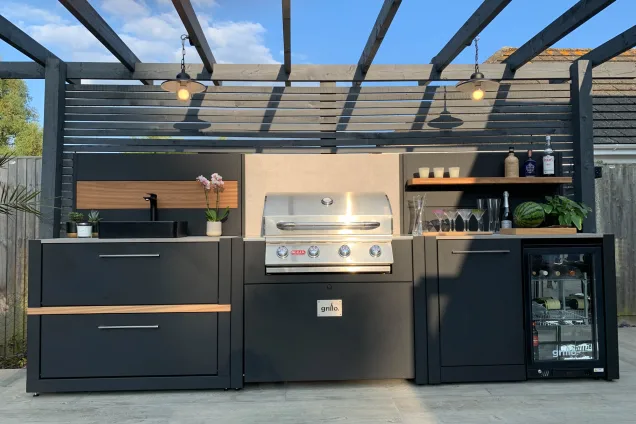
Credit: grilloliving.com
Maintenance For Outdoor Use
Using a refrigerator outdoors changes the game for maintenance. Outdoor conditions like humidity, dust, and temperature swings can affect your appliance differently than indoor use. To keep your fridge running smoothly, you need to pay special attention to a few key areas.
Cleaning And Defrosting Regularly
Outdoor refrigerators tend to collect more dirt and grime, so cleaning them often is crucial. Wipe down the exterior and interior surfaces with a mild detergent to prevent buildup.
Defrost the fridge regularly to avoid ice buildup, which can reduce efficiency and damage the appliance over time. If you’ve ever ignored this, you know how much harder your fridge has to work.
Inspecting Seals And Components
Your fridge’s door seals face more wear outdoors, especially if exposed to moisture or extreme temperatures. Check the seals for cracks or gaps that could let cold air escape.
Look over other components like hinges and electrical parts to catch rust or corrosion early. This simple step can save you from costly repairs or replacement down the line.
Protective Covers And Enclosures
Using a protective cover can shield your fridge from rain, sun, and dirt. Choose a cover made from breathable material to avoid trapping moisture inside.
Consider building or buying an enclosure if your fridge will stay outside long-term. This not only protects the appliance but can help maintain a more consistent temperature around it.
Alternative Cooling Options
Looking for ways to keep your drinks and snacks cool without risking your main refrigerator outside? There are several alternative cooling options that work well outdoors and won’t compromise your food safety or appliance longevity. These options give you flexibility and convenience whether you’re hosting a backyard party or enjoying a day at the beach.
Portable Coolers And Ice Chests
Portable coolers and ice chests are simple, effective solutions for outdoor cooling needs. They don’t require electricity, so you can take them anywhere—from camping trips to picnics.
Ice packs or bags of ice keep your items cold for hours. Plus, modern coolers often come with insulation that maintains low temperatures much longer than traditional methods.
Have you ever tried using dry ice in a cooler? It can keep things frozen for an entire day but requires careful handling to avoid safety risks.
Outdoor Beverage Dispensers
Outdoor beverage dispensers are perfect for keeping drinks chilled and easily accessible at gatherings. Many models come with built-in ice compartments or cooling sleeves to maintain temperature without electricity.
They reduce the need for individual bottles or cans, cutting down on waste and clutter. Plus, they often have spigots for quick serving, making your setup more efficient.
Think about how much easier it is to serve guests when drinks are right at arm’s reach and stay cool throughout the event.
Mini Fridge Adaptations
If you prefer a powered cooling option outdoors, consider mini fridge adaptations designed for exterior use. Some mini fridges come with weather-resistant features or can be customized with protective covers.
You can also place them in shaded, sheltered areas to avoid direct sunlight and moisture. Adding a waterproof enclosure or a small roof can extend the fridge’s life significantly.
Have you thought about using solar-powered mini fridges? They offer a green, portable solution for off-grid cooling without relying on traditional power sources.

Credit: www.searshomeservices.com
Frequently Asked Questions
Can You Keep A Refrigerator Outside Permanently?
Yes, but it must be designed for outdoor use. Regular fridges can get damaged by weather and temperature changes.
What Happens If A Fridge Is Left Outside?
Exposure to moisture and extreme temperatures can damage the compressor and electrical parts, shortening the fridge’s lifespan.
How To Protect A Refrigerator Outdoors?
Place it under a covered area, use weatherproof covers, and ensure proper ventilation to avoid overheating and moisture buildup.
Are Outdoor Refrigerators Energy Efficient?
Outdoor refrigerators are built to handle temperature fluctuations, often using energy-efficient technology to maintain consistent cooling in varying weather.
Conclusion
Placing a refrigerator outside needs careful thought. Weather and temperature affect its performance and life. Keep it sheltered from rain, sun, and wind. Check the model’s instructions for outdoor use. Protect the fridge with covers or enclosures when not in use.
Regular cleaning helps keep it working well. Outdoor fridges can save space but demand extra care. Think about safety and power supply before moving it. Small steps can prevent damage and costly repairs. Choose wisely to keep your food fresh and safe.