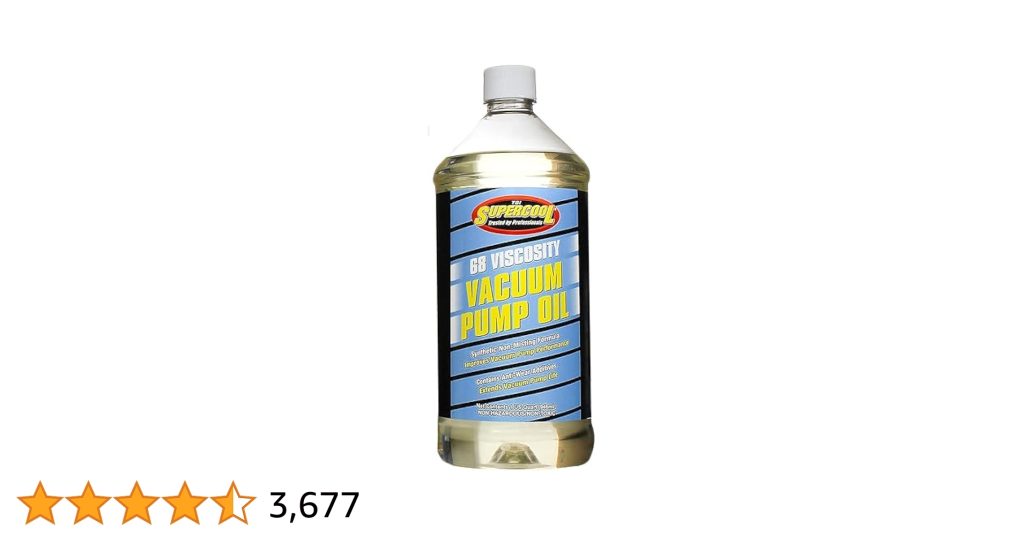
Are you puzzled about which oil to use for your vacuum pump? You’re not alone.
Choosing the right type of oil is crucial for the performance and longevity of your equipment. Whether you’re using a pump for industrial, laboratory, or personal purposes, using the wrong oil can lead to inefficiencies and costly repairs. We’ll uncover the secrets behind selecting the perfect oil for your vacuum pump.
We’ll simplify the technical jargon and provide you with clear, actionable insights. By the end, you’ll feel confident in your choice, ensuring your pump operates smoothly and efficiently. Stay with us as we dive into the details that could save you time, money, and headaches.
Types Of Vacuum Pump Oils
Vacuum pump oils are vital for smooth operation and long pump life. Different oils suit different vacuum pumps and tasks. Choosing the right oil helps avoid damage and keeps performance steady.
Each type of vacuum pump oil has unique traits. These traits affect how well the pump runs and how long the oil lasts. Understanding these types helps in selecting the perfect oil for your pump.
Mineral-based Oils
Mineral-based oils come from refined crude oil. They are common and cost-effective. These oils work well in many general vacuum pumps.
They provide good lubrication and help seal the pump. Regular oil changes are needed to keep the pump clean. Mineral oils may not perform well in very high temperatures.
Synthetic Oils
Synthetic oils are man-made and designed for high performance. They resist heat and oxidation better than mineral oils. This makes them ideal for pumps used in tough conditions.
They last longer and reduce wear on pump parts. Synthetic oils often cost more but save money over time due to less frequent changes.
Polyphenyl Ether Oils
Polyphenyl ether (PPE) oils handle very high temperatures and aggressive chemicals. They are stable and resist breaking down under stress. PPE oils suit vacuum pumps in heavy industrial use.
These oils have a long life and maintain vacuum quality. They are more expensive but necessary for specific applications requiring strong oil stability.
Silicone Oils
Silicone oils offer excellent thermal stability and low vapor pressure. They work well in pumps exposed to extreme cold or heat. Silicone oils resist oxidation and chemical attack.
They have a long service life and maintain vacuum sealing. Silicone oils are less common but valuable in specialized vacuum pump systems.
Factors Influencing Oil Choice
Choosing the right oil for a vacuum pump depends on several factors. These factors affect the pump’s performance and durability. Understanding them helps select oil that fits your pump’s needs. The right oil ensures smooth operation and prevents damage. Consider the pump type, temperature, chemical exposure, and oil thickness before choosing.
Pump Type Compatibility
Different vacuum pumps need different oils. Rotary vane pumps use oils with special additives. Diaphragm pumps may not require oil at all. Using incompatible oil can harm the pump or reduce efficiency. Always check the manufacturer’s recommendation for oil type. This keeps the pump working well and lasts longer.
Operating Temperature
Oil must work well at the pump’s operating temperature. Some oils thicken in cold and thin out in heat. Thick oil can cause poor lubrication and wear. Thin oil might fail to protect moving parts. Choose oil with a temperature range suitable for your environment. This keeps the pump safe and reliable.
Chemical Resistance
Vacuum pumps often handle various gases and vapors. Some chemicals can break down or contaminate the oil. Oil with strong chemical resistance protects the pump better. It prevents corrosion and oil degradation. Check the types of chemicals the pump will contact. Select oil that resists those chemicals effectively.
Viscosity Requirements
Viscosity means how thick or thin the oil is. The right viscosity ensures proper lubrication and sealing. Too thick oil causes extra friction and energy use. Too thin oil fails to protect the pump parts. Use oil with viscosity matching the pump’s specifications. This supports smooth operation and extends pump life.
Benefits Of Using The Right Oil
Using the right oil in your vacuum pump is more than just a routine task—it directly impacts how well your equipment runs and how long it lasts. Choosing the correct oil type helps your pump maintain its efficiency and protects it from damage. Have you ever wondered how a simple oil choice could save you time and money in the long run?
Enhanced Pump Performance
The right oil ensures smooth operation by reducing friction between moving parts. This leads to consistent vacuum pressure and better overall efficiency. If your pump oil is too thick or too thin, it can cause poor sealing or overheating, which slows down your work.
Using manufacturer-recommended oil means your pump performs at its best, handling demanding tasks without strain. You’ll notice faster start-ups and more reliable vacuum levels, which can make a big difference in your projects.
Extended Equipment Lifespan
Proper oil protects internal components from wear and corrosion, extending your pump’s life. Think of oil as a shield that keeps metal parts from grinding against each other and breaking down prematurely.
Choosing the right oil also prevents sludge buildup, which can clog the system and cause failures. This means your pump stays cleaner inside and runs longer without costly repairs or replacements.
Reduced Maintenance Needs
Using the correct oil reduces the frequency of oil changes and maintenance tasks. This frees up your time and lowers the total cost of ownership for your vacuum pump.
It also helps avoid unexpected downtime caused by oil-related problems. Imagine how much smoother your workflow would be if you didn’t have to stop work for emergency fixes or part replacements.
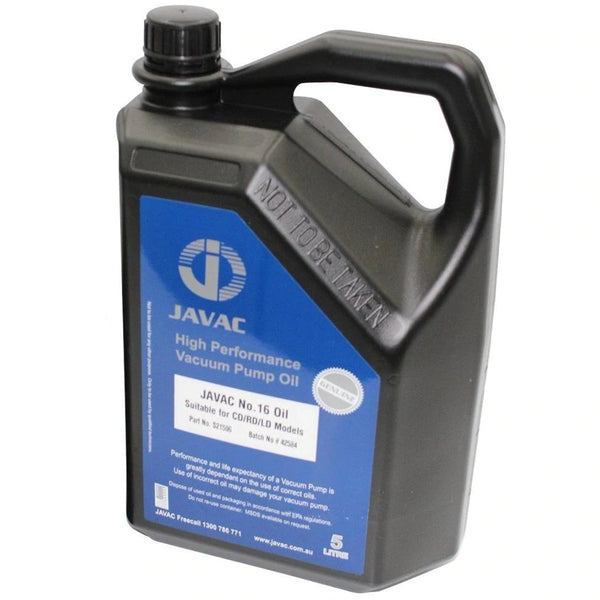
Credit: www.hvacshop.com.au
How To Change Vacuum Pump Oil
Changing the oil in a vacuum pump is important to keep it running smoothly. Old oil can cause wear and reduce performance. Regular oil changes help the pump work efficiently and last longer. The process is simple but requires care and the right tools. Follow these steps to change your vacuum pump oil properly.
Preparation And Safety
Start by turning off the vacuum pump. Let it cool down before touching any parts. Wear gloves and safety glasses to protect your skin and eyes. Prepare a clean workspace with paper towels and containers for the oil. Have the correct replacement oil ready. Check your pump’s manual for the right oil type and quantity.
Draining Old Oil
Place a container under the oil drain plug. Remove the drain plug carefully to let the old oil flow out. Allow all the oil to drain completely. Use a clean cloth to wipe the drain plug and its area. Replace the drain plug and tighten it securely. Avoid spilling oil on the pump or floor.
Refilling With New Oil
Remove the oil fill cap or plug. Use a funnel to pour the new oil slowly into the pump. Fill up to the recommended level marked on the sight glass or dipstick. Avoid overfilling as it can damage the pump. Replace the fill cap tightly. Wipe off any oil spills around the fill area.
Disposal Of Used Oil
Collect the used oil in a sealed container. Do not pour it down drains or on soil. Take the used oil to a recycling center or hazardous waste facility. Follow local regulations for oil disposal. Proper disposal helps protect the environment and prevents pollution.
Common Oil-related Issues
Understanding the common oil-related issues in vacuum pumps can save you from costly repairs and downtime. Oil plays a crucial role in maintaining the pump’s performance, but it can also cause problems if not properly maintained or if the wrong type is used. Let’s look at some frequent oil troubles you might encounter and how they affect your vacuum pump.
Oil Contamination
Oil contamination happens when dirt, dust, or moisture mixes with the pump oil. This can reduce the oil’s ability to lubricate and seal the pump effectively. Have you ever noticed your pump running hotter or noisier than usual? Contaminated oil is often the culprit behind these symptoms.
Regularly checking and changing the oil helps prevent contamination. Using a high-quality, vacuum pump-specific oil also reduces the risk. Think about your last oil change—did you inspect the oil’s color and texture? These simple checks can reveal early signs of contamination.
Foaming And Aeration
Foaming occurs when air gets trapped in the oil, causing bubbles that reduce lubrication quality. Aeration, or excessive air mixing, can lead to foaming and poor pump performance. If your vacuum pump oil looks frothy or bubbly, it’s a sign of foaming.
Foaming can cause erratic pump operation and increased wear. To avoid this, make sure the oil level is correct and use oil designed to resist foaming. Have you considered how the oil’s viscosity affects foaming? Choosing the right viscosity for your pump’s operating conditions is key.
Oil Degradation
Over time, oil breaks down due to heat and chemical reactions inside the pump. This degradation reduces its lubricating and sealing properties. If you notice a burnt smell or dark, thick oil, the oil has likely degraded.
Degraded oil can cause increased friction and damage to pump parts. Changing the oil at recommended intervals and monitoring its condition can help you spot degradation early. When was the last time you tracked your oil change schedule? Staying on top of it keeps your pump running smoothly.
Leakage Problems
Oil leaks in vacuum pumps often arise from worn seals or improper oil levels. Leaks not only waste oil but also reduce pump efficiency and cause environmental hazards. Spotting oil spots around your pump is a clear sign of leakage.
Regular inspection of seals and maintaining correct oil levels can prevent leaks. Have you checked your pump for leaks during routine maintenance? Catching leaks early can save you from bigger headaches down the line.

Credit: www.coleparmer.ca
Maintaining Oil Quality
Maintaining the quality of oil in a vacuum pump is essential. Clean, well-maintained oil ensures the pump runs smoothly and lasts longer. Poor oil quality can cause damage and reduce efficiency.
Regular oil maintenance helps prevent wear and tear. It also keeps the pump sealed properly, avoiding leaks and contamination. Simple oil care routines protect the pump’s performance.
Regular Oil Checks
Check the oil often to spot any dirt or discoloration. Dark or cloudy oil means it needs changing. Fresh oil keeps the pump parts lubricated and cool.
Set a schedule for oil inspection based on the pump’s use. Frequent checks catch problems early. Use a clean container to avoid adding dirt during checks.
Using Oil Filters
Oil filters remove dirt and particles from the oil. Clean filters stop debris from harming the pump. Change the filter regularly to keep it effective.
Filters extend oil life and reduce maintenance costs. They help maintain smooth pump operation. Use filters designed for your pump model.
Monitoring Oil Levels
Keep oil at the right level for best pump function. Too little oil causes friction and overheating. Too much oil can lead to leaks and damage.
Check levels with the sight glass or dipstick. Add oil slowly to avoid overfilling. Consistent oil level monitoring prevents pump failure.

Credit: chandlervac.com
Frequently Asked Questions
What Type Of Oil Is Best For Vacuum Pumps?
Vacuum pumps typically use specialized vacuum pump oil. This oil has low vapor pressure and high thermal stability. It ensures efficient sealing and lubrication. Using the right oil prevents contamination and extends pump life.
Can I Use Regular Motor Oil In Vacuum Pumps?
No, regular motor oil is not suitable for vacuum pumps. It has higher vapor pressure and can cause contamination. Using proper vacuum pump oil maintains pump performance and prevents damage.
How Often Should Vacuum Pump Oil Be Changed?
Vacuum pump oil should be changed every 500 to 1000 operating hours. Frequent oil checks help maintain pump efficiency. Change oil sooner if it appears dark or contaminated.
Why Is Vacuum Pump Oil Different From Regular Oil?
Vacuum pump oil has low vapor pressure to prevent evaporation under vacuum. It resists oxidation and thermal breakdown. This oil ensures proper sealing and lubrication in vacuum environments.
Conclusion
Choosing the right oil keeps your vacuum pump working well. Use oil made for vacuum pumps only. It helps the pump stay clean and last longer. Always check the pump’s manual for oil type and change schedule. Clean oil stops damage and keeps performance high.
Good oil means less repair and more uptime. Take care of your pump by using the correct oil. It’s a small step that makes a big difference. Keep your pump running smooth and strong every day.