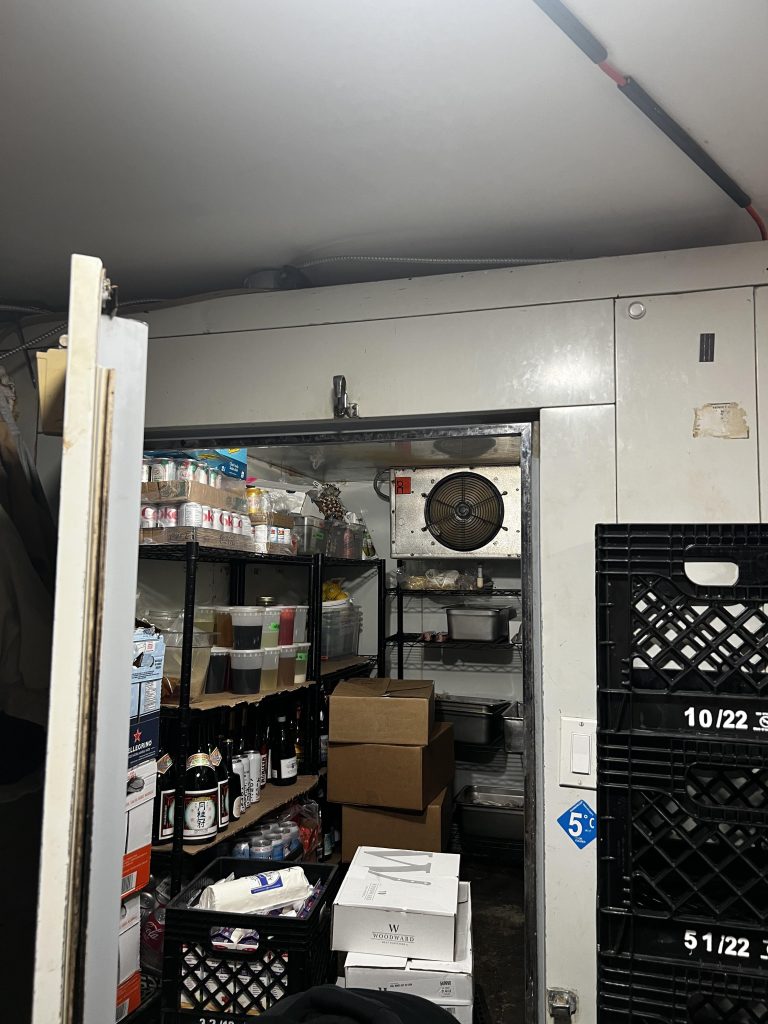
Imagine reaching for a late-night snack only to discover an uninvited guest lurking in your refrigerator. You might wonder, “Can mice actually get into a refrigerator?”
It’s a chilling thought, isn’t it? Your fridge is supposed to be a safe haven for your food, not a playground for pests. The idea that these tiny intruders could infiltrate your kitchen’s most guarded appliance is enough to send shivers down your spine.
But before you start rethinking your midnight snack habits, let’s dive deeper into whether this is fact or fiction. Understanding the truth could be the key to keeping your kitchen, and your mind, at ease. Curious to know more? Let’s uncover the secrets behind this unsettling possibility.
Mice And Their Entry Skills
Mice are surprisingly skilled when it comes to finding their way into homes and even into places you wouldn’t expect, like your refrigerator. Their tiny size and sharp instincts allow them to exploit the smallest gaps and openings. Understanding their entry skills can help you better protect your kitchen and food storage areas.
How Small Are Mice?
Mice are incredibly small creatures, often measuring just 2 to 4 inches long, excluding their tails. They can squeeze through holes as tiny as a dime—around 1/4 inch wide. This means even the smallest cracks or gaps in your home’s structure can be potential entry points for them.
Think about a gap under your kitchen cabinets or tiny spaces around pipes. You might not notice them, but mice sure do. Their ability to compress their bodies allows them to slip into areas you would never expect.
Common Entry Points In Homes
Mice don’t just appear inside your fridge out of nowhere—they find ways inside your home first. Some common entry points include:
- Cracks and gaps around doors and windows
- Openings where utility pipes and wires enter the house
- Vents and air ducts without proper screening
- Gaps in the foundation or walls
- Damaged door seals or weather stripping
Have you ever checked these spots carefully? Even a tiny hole near your kitchen can be a highway for mice. Sealing these entry points is one of the most effective ways to keep your home, including your refrigerator, mouse-free.
Refrigerator Design And Mice Access
The design of your refrigerator plays a crucial role in whether mice can find their way inside. Understanding where gaps and openings exist helps you spot potential entry points before problems arise. Let’s look closely at parts of your fridge that might unintentionally invite mice in.
Gaps And Seals Around Refrigerators
Check the seals around your refrigerator doors carefully. If the rubber gasket is damaged or worn, it can create small gaps that mice can squeeze through.
Even tiny cracks between the fridge and the wall or floor can serve as entry points. I once found a mouse nest behind my fridge, hidden in a gap where the floor tile didn’t meet the appliance properly.
Make sure seals fit snugly and repair or replace any damaged parts immediately. You can also use weather stripping to close off any spaces that look suspicious.
Heat Vents And Wiring Openings
Heat vents on refrigerators help cool the compressor but may also offer a tempting hole for rodents. These vents are often mesh-covered, but if damaged or loose, they become easy access points.
Wiring openings behind or underneath the fridge are another weak spot. Mice are attracted to warm, hidden places and can chew through insulation or wires, causing serious damage.
Inspect these areas regularly, and seal any gaps with wire mesh or steel wool. Have you checked your fridge’s vents or wiring lately? It might be time to take a closer look.
Why Mice Target Refrigerators
Mice are clever creatures that seek food and safety. Refrigerators often attract them because they offer both. Understanding why mice target refrigerators helps prevent unwanted guests in your kitchen.
Food Smells That Attract Mice
Mice have a strong sense of smell. They can detect food odors even through sealed containers. Crumbs, spills, and open packages inside or near the fridge draw them in.
Sweet, greasy, and starchy smells are especially tempting. Leftover food or improperly stored snacks increase the risk. The fridge area becomes a food hotspot for these tiny pests.
Warmth And Shelter Factors
Refrigerators generate warmth at the back or underneath. This warmth creates a cozy spot for mice to hide and nest. They prefer places that protect them from predators and cold weather.
The gaps and vents around the fridge offer easy entry points. Dark, quiet, and undisturbed spaces nearby encourage mice to settle. The combination of food and shelter makes refrigerators prime targets.

Credit: www.aol.com
Real-life Cases Of Mice In Refrigerators
Mice sneaking into refrigerators might sound like something from a cartoon, but real-life cases prove otherwise. These small intruders can cause quite a shock when discovered in the coldest place in your home. Understanding how and why this happens can help you prevent an unexpected encounter with a furry guest inside your fridge.
Reported Incidents
Stories about mice found in refrigerators pop up more often than you might think. In one case, a family noticed a strange odor and discovered a mouse nest behind the vegetable drawer. Another incident involved a mouse living inside the freezer compartment, surviving for days on ice packs and crumbs.
Many reports share a common theme: mice enter through small gaps or damaged seals. Sometimes, a mouse gets trapped inside when the door closes behind it. Have you ever checked your fridge seals for tiny holes where pests might sneak in?
How Mice Survived Inside
It’s surprising how mice manage to survive in such cold environments. They often find insulated spots within refrigerators or freezers where the temperature is less harsh. In some cases, leftover food crumbs, fruit, or even condensation provide enough moisture and sustenance to keep them alive.
One memorable story involved a mouse that survived weeks by nesting near the refrigerator’s motor, which emits a small amount of heat. This shows that even in cold spaces, warmth and food sources can sustain these resilient creatures. Could your fridge’s design be unintentionally offering a mouse a cozy hideout?
Preventing Mice From Entering Refrigerators
Preventing mice from entering refrigerators is essential to keep food safe and your home clean. Mice can squeeze through tiny gaps and find their way inside, attracted by food smells. Taking steps to block their access helps stop infestations early.
Sealing Entry Points Effectively
Check around the refrigerator for small holes or cracks. Mice can enter through openings as small as a pencil’s width. Use materials like steel wool or caulk to close these gaps tightly. Pay special attention to areas where pipes or wires enter the wall. Ensure the fridge door seals properly without gaps. Replace worn-out door gaskets to keep mice out.
Regular Cleaning And Maintenance
Keep the area around the refrigerator clean and free of food crumbs. Wipe spills immediately and vacuum floors regularly. Store food in airtight containers to reduce smells that attract mice. Remove garbage often and use bins with tight-fitting lids. Inspect the fridge regularly for signs of mouse activity. Early detection helps prevent bigger problems later.

Credit: www.reddit.com
Signs Of Mice Infestation Near Refrigerators
Noticing signs of mice near your refrigerator is crucial to preventing a bigger problem. Mice are attracted to the warmth and food remnants that often hide behind or beneath fridges. Catching their presence early can save you from contamination and damage to your kitchen appliances.
Droppings And Gnaw Marks
One of the clearest signs of mice infestation is finding small, dark droppings around the base or behind the refrigerator. These droppings are usually about the size of a grain of rice and may be scattered near food storage areas.
Look closely for gnaw marks on the fridge’s power cords, wooden cabinets, or the fridge itself. Mice chew to keep their teeth sharp, and these marks often appear as irregular, rough edges on plastic or wood surfaces.
If you spot these signs, ask yourself: have you noticed any damage to your fridge’s wiring or unexplained food spills? Such damage could lead to costly repairs or even fire hazards.
Unusual Noises And Smells
Hearing scratching or squeaking sounds coming from behind or beneath the refrigerator is a strong indicator of mice activity. These noises often increase at night when mice are most active.
Additionally, a musty, ammonia-like smell near your fridge can signal the presence of mice urine. This odor is often subtle but persistent and should not be ignored.
Think about whether you’ve recently heard odd noises or noticed strange smells. Addressing these signs early can help you avoid a full-blown infestation that’s harder to control.
Health Risks Of Mice In Kitchens
Having mice in your kitchen is more than just an unpleasant surprise. These tiny invaders pose real health risks that can affect you and your family. Understanding these dangers helps you take quick action to keep your kitchen safe.
Contamination Of Food
Mice can easily contaminate your food, even if they don’t eat it directly. Their droppings, urine, and fur carry bacteria that can transfer to your food and surfaces. Imagine opening your fridge and finding traces of these contaminants—would you still feel safe eating what’s inside?
They often gnaw through packaging, creating openings for germs to enter. Even sealed containers aren’t always safe if mice have chewed through the seals. This means your fresh groceries can become a breeding ground for harmful bacteria without you realizing it.
Potential Diseases
Mice are carriers of several diseases that can spread to humans through contact or contaminated food. Hantavirus, salmonella, and leptospirosis are just a few illnesses linked to mouse infestations. You might not notice symptoms immediately, but these diseases can cause serious health issues over time.
Think about how often you touch kitchen surfaces and then your face or food. This is a common way infections spread. Protecting your kitchen from mice reduces the risk of these invisible threats turning into real problems for your health.

Credit: www.reddit.com
Frequently Asked Questions
Can Mice Enter Refrigerators Through Small Gaps?
Yes, mice can squeeze through tiny gaps as small as a dime. They exploit weak seals or vents to enter refrigerators.
How Do Mice Get Attracted To Refrigerators?
Mice are drawn by food smells and warmth inside refrigerators. The scent of stored food often lures them closer.
Can Mice Damage Refrigerator Components?
Mice can chew wiring and insulation inside refrigerators. This damage may cause malfunctions or electrical hazards.
How To Prevent Mice From Entering Refrigerators?
Seal all gaps and cracks around the fridge. Keep the area clean and store food in airtight containers.
Conclusion
Mice can sometimes get into refrigerators through small gaps. They search for food and warmth inside. Keeping your fridge clean helps prevent this problem. Seal any holes or cracks near the fridge base. Store food in tight containers to block access.
Check your fridge regularly for signs of mice. Acting early stops bigger infestations and damage. A safe kitchen means a healthy home. Stay alert and protect your food from pests.