
Ever wondered how much your refrigerator weighs? You’re not alone.
Whether you’re planning a move, rearranging your kitchen, or just curious, knowing the weight of your refrigerator can be surprisingly important. Imagine trying to shift it with a friend, only to find it’s much heavier than you expected. Understanding the weight can save your back—and your friendship.
Stick around as we unravel the mystery behind refrigerator weights, helping you make informed decisions with ease and confidence. Curious to find out more? Let’s dive in!

Credit: www.amazon.in
Average Refrigerator Weights
Knowing the average weight of refrigerators can help you plan your kitchen space, manage delivery, and even avoid injury during installation. Refrigerator weights vary widely depending on size and features. Let’s break down what you can expect from different models.
Compact Models
Compact refrigerators typically weigh between 50 to 90 pounds. These small units fit well in dorm rooms, offices, or small apartments. Their lighter weight makes them easier to move, but they offer limited storage space.
If you’ve ever moved a compact fridge, you know how manageable it is compared to bigger models. This makes them a good choice if you frequently relocate or need something portable.
Standard Sizes
Standard refrigerators, which are common in most homes, usually weigh between 150 and 250 pounds. They offer a good balance of storage and functionality without being too bulky. Expect French door or side-by-side models to be on the heavier side of this range.
Handling these requires a bit more muscle or at least a second person. Have you thought about how you’ll get it through doorways or up stairs? Planning ahead can save you from costly moving fees or damage.
Large And Commercial Units
Large refrigerators and commercial units can weigh anywhere from 250 to over 400 pounds. These are built for heavy use and large storage capacity. Their size and weight mean they often need professional delivery and installation.
Trying to move these alone isn’t just hard—it’s unsafe. If your business depends on refrigeration, investing in proper handling equipment is crucial. What’s your plan for moving or installing a heavy fridge?
Credit: www.lg.com
Factors Influencing Weight
Understanding what affects a refrigerator’s weight helps you make smarter choices when moving or purchasing one. Weight isn’t random—it depends on several key factors that directly tie to the fridge’s build and function.
Materials Used
The type of materials used in a refrigerator plays a big role in its overall weight. Steel and aluminum frames add sturdiness but also bulk. Plastic components reduce weight but might sacrifice durability.
Think about your own fridge—does it feel heavy when you open the door? That weight often comes from thick insulation and the metal body designed to keep everything cold and safe.
Design And Features
Fridges with more compartments, like multiple doors or built-in ice makers, tend to weigh more. Extra shelves, drawers, and water dispensers add layers of material and hardware. Even the size of the fridge impacts weight—a larger fridge naturally weighs more.
Have you noticed how a simple mini-fridge is light compared to a full-sized French-door model? Those added features increase both convenience and weight.
Energy Efficiency Components
Energy-saving parts like thicker insulation, advanced compressors, and better door seals add weight but lower your electricity bill. These components are denser or more complex, making the fridge heavier but more cost-effective over time.
Would you prefer a lighter fridge that costs more to run, or a heavier one that saves energy? This trade-off is something to consider depending on your priorities.
Weight Differences By Refrigerator Type
Refrigerators come in various types, each with its own weight range. Knowing these differences helps with moving and installation. Weight depends on size, materials, and design. Some models are heavier because of extra features or larger capacity.
Here is a look at the weight differences by refrigerator type.
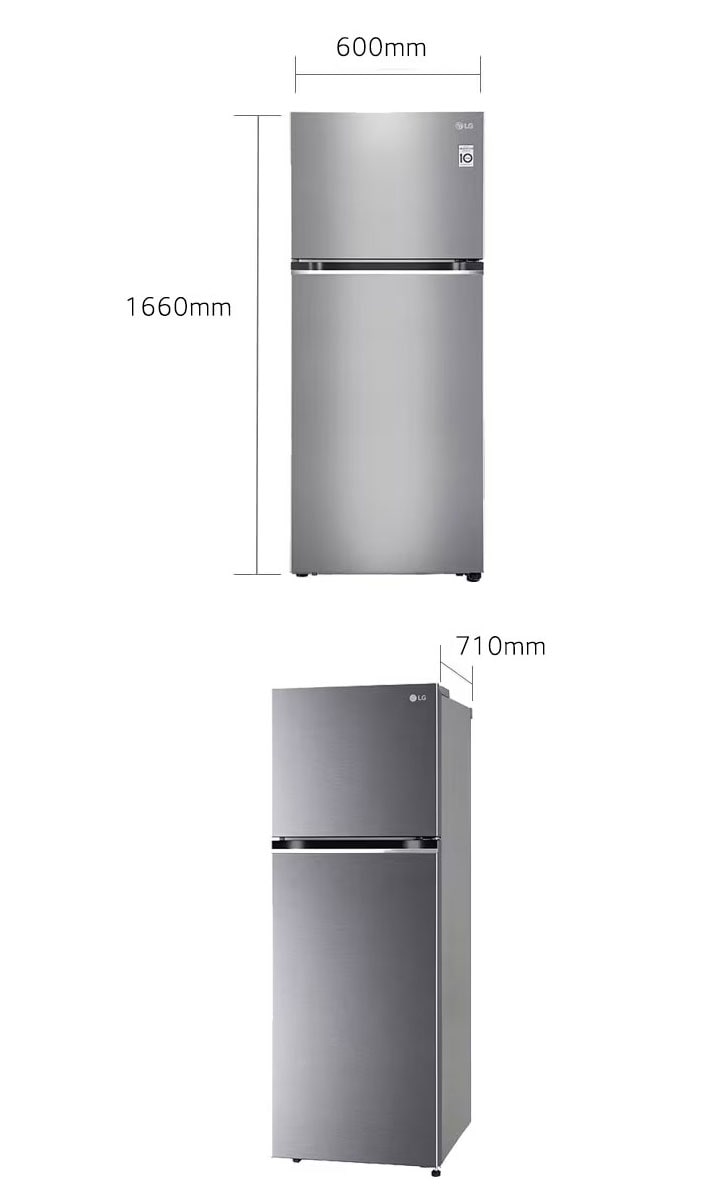
Top Freezer Refrigerators
Top freezer refrigerators usually weigh between 150 to 250 pounds. They have a simple design with the freezer above the fridge. These models are often lighter due to fewer features and smaller size. Ideal for small kitchens or budget buyers.
Bottom Freezer Models
Bottom freezer refrigerators weigh around 200 to 300 pounds. The freezer is located below the fridge compartment. This design adds weight because of the sliding drawers and extra insulation. They offer easy fridge access but tend to be heavier than top freezer types.
Side-by-side Refrigerators
Side-by-side refrigerators are wider and weigh between 250 to 350 pounds. They have two vertical doors, one for the fridge, one for the freezer. These models include more features like water and ice dispensers, adding to the weight. Good for families needing large storage space.
French Door Refrigerators
French door refrigerators are among the heaviest, often 300 to 400 pounds. They have two doors on top and a freezer drawer below. Their large size and advanced features increase the weight. Perfect for those wanting style and plenty of room.
Impact Of Weight On Installation
The weight of a refrigerator affects every stage of installation. It changes how you handle and move the appliance. It also influences the space needed and the strength of the floor. Understanding these impacts helps ensure safe and smooth installation.
Handling And Moving
Heavier refrigerators need more care during transport. Two or more people may be required to lift the unit safely. Using proper equipment like dollies or straps prevents damage and injury. Planning the route through doors and hallways is important. Weight affects how easily the fridge can be maneuvered.
Space Requirements
Weight can determine where the refrigerator fits best. Heavier models are often larger and require more room. Leave enough space for ventilation around the fridge. This avoids overheating and keeps the appliance efficient. Consider clearance for opening doors fully without obstruction.
Floor Support Considerations
Heavy refrigerators put pressure on floors. Check if the floor can hold the fridge weight without damage. Older or weak floors may need reinforcement before installation. Using a sturdy base or platform helps distribute weight evenly. Protect carpets or tiles from dents and scratches under heavy loads.
Tips For Weighing Your Refrigerator
Knowing how to weigh your refrigerator helps in moving and shipping tasks. The weight varies by size and model. Proper weighing prevents damage and ensures safe handling.
Using A Scale
Place a sturdy scale on a flat surface. Lift one side of the refrigerator carefully. Put that side on the scale and note the weight. Repeat for the other side. Add both weights to get the total.
This method works best with a strong scale that can handle heavy loads. Avoid digital kitchen scales; they usually can’t hold a refrigerator’s weight.
Estimating Weight Without Tools
Check the refrigerator’s model number online. Manufacturers often list the weight in product details. Use average weights based on size:
- Compact fridges: 50-100 pounds
- Standard fridges: 150-250 pounds
- Large or double-door models: 250-400 pounds
These estimates help when no scale is available. Add some extra weight for shelves and contents inside.
Safety Precautions
Always ask for help when lifting heavy items. Use gloves to improve grip and protect your hands. Clear the path to avoid trips or falls. Use lifting straps or dollies for better support. Avoid sudden moves to prevent injuries.

Credit: www.amazon.in
Frequently Asked Questions
How Much Does An Average Refrigerator Weigh?
An average refrigerator weighs between 150 to 300 pounds. Weight varies by size, model, and features. Compact fridges weigh less, while large models are heavier. Always check the manufacturer’s specifications for exact weight details.
What Factors Affect A Refrigerator’s Weight?
Refrigerator weight depends on size, materials, and type. Larger capacity and built-in features add weight. Stainless steel models are heavier than plastic ones. Additionally, frost-free models may weigh more due to extra components.
How To Safely Move A Heavy Refrigerator?
Use a sturdy dolly or hand truck to move a fridge. Secure the doors with tape or straps. Always lift with help to avoid injury. Keep the fridge upright during transport to protect internal parts.
Do Refrigerators Weigh More When Full?
Yes, refrigerators weigh more when fully stocked. Food, beverages, and containers add extra pounds. However, the difference is only the combined weight of contents. The fridge’s base weight remains constant regardless of contents.
Conclusion
Knowing the weight of a refrigerator helps with moving and installation. Sizes and models change the weight a lot. Smaller fridges weigh less, while big ones can be very heavy. Always check the specs before buying or moving. This way, you avoid surprises and stay safe.
Weight matters for delivery and where you place it in your home. Keep these points in mind when choosing your fridge. It makes the whole process easier and smoother.