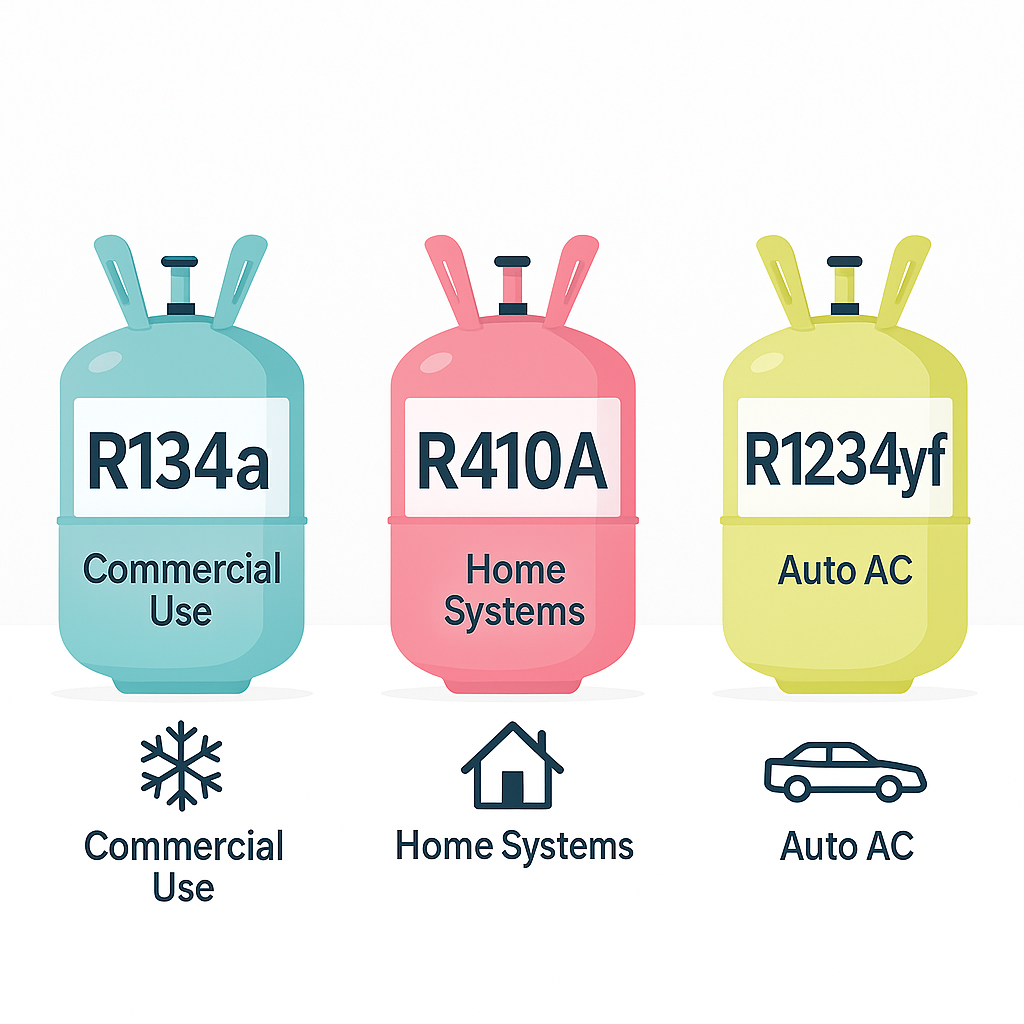
Are you wondering how much R134A refrigerant you need for your car or cooling system? It’s a common question, especially if you’re facing issues with your air conditioning.
Too little refrigerant can leave you sweating in the summer, while too much can damage your system. Getting the right amount is key to keeping your AC running smoothly and efficiently. You’ll discover simple tips and guidelines to ensure you use the correct amount of R134A refrigerant.
Keep reading to make sure your cooling system is in top-notch condition, ensuring comfort and peace of mind.
R134a Refrigerant Basics
Understanding the basics of R134A refrigerant is essential before figuring out how much you need. Knowing what it is and where it is commonly used helps you make smarter decisions for your cooling systems. Let’s break down the essentials to give you a clear picture.
What Is R134a?
R134A is a type of refrigerant used in cooling systems. It replaced older refrigerants that were harmful to the environment, making it a safer choice. This gas is colorless and non-flammable, which adds to its popularity in many applications.
It works by absorbing heat from one area and releasing it in another, keeping things cool. You’ll find it in many air conditioning and refrigeration setups because of its efficiency.
Common Uses
You might wonder where you encounter R134A every day without realizing it. It’s widely used in car air conditioners, home refrigerators, and commercial freezers. These are just a few examples where R134A plays a vital role.
- Automobile air conditioning systems
- Residential refrigerators and freezers
- Commercial refrigeration units
- Some types of vending machines and ice makers
Have you checked your car’s AC system lately? Knowing if it uses R134A can help you maintain it better. This knowledge can save you from costly repairs or inefficient cooling down the line.
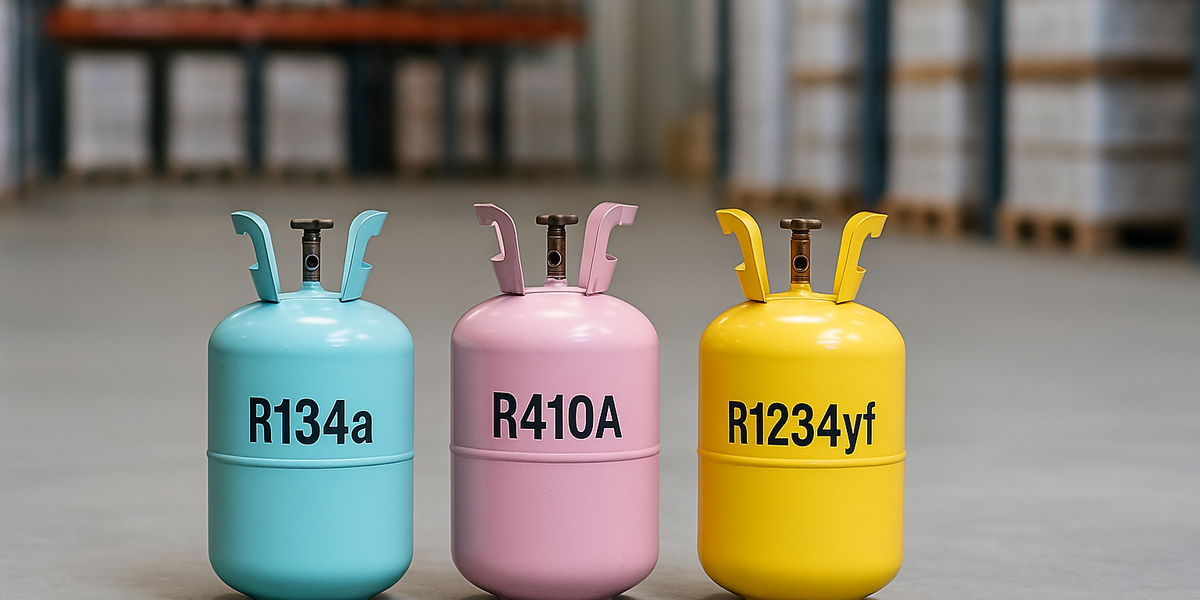
Credit: refrigerantscenter.com
Factors Affecting Refrigerant Amount
The amount of R134A refrigerant needed depends on several key factors. These factors influence how much refrigerant a system requires to work efficiently. Understanding them helps in maintaining optimal cooling performance and avoiding damage.
Each air conditioning or refrigeration system is unique. The refrigerant charge must match the system’s design and operating conditions. Incorrect amounts can reduce efficiency and cause system issues.
System Size And Type
The size of the cooling system greatly affects the size of the refrigerant charge. Larger systems require more refrigerant to fill the pipes and components. Different types of systems, such as automotive or residential units, have varying refrigerant needs based on their design.
System design includes the length and diameter of tubing, compressor size, and evaporator capacity. These factors define the volume of refrigerant needed to circulate properly.
Leakage And Loss
Leaks lead to refrigerant loss over time. Even small leaks reduce the total amount of refrigerant in the system. Systems with older parts or poor seals often need more frequent refills.
Checking for leaks before charging the system is essential. Repairing leaks prevents frequent refrigerant top-ups and protects the environment.
Ambient Temperature Impact
Outdoor temperature influences refrigerant volume needed. Higher temperatures make the system work harder and may require a slight increase in refrigerant charge. Cooler environments may need less refrigerant to maintain proper pressure.
Temperature changes affect pressure inside the system. Proper refrigerant levels ensure stable pressure and efficient cooling regardless of weather.
Calculating Refrigerant Needs
Calculating the right amount of R134A refrigerant for your system is crucial for efficient cooling and system longevity. Too little refrigerant can cause poor performance, while too much can damage components. Understanding how to measure your system’s refrigerant needs helps you avoid costly mistakes and keeps your cooling system running smoothly.
Reading Manufacturer Specifications
Your first stop should always be the manufacturer’s specifications. These details often come in the user manual or on a label attached to the system. They provide the exact refrigerant charge needed, usually listed in pounds or ounces.
Look for information like:
- The total refrigerant charge required
- Operating pressure ranges
- System capacity or volume
Following these specs ensures your system gets the precise amount it was designed for. Have you checked the label on your unit yet? It’s surprising how many skip this simple step.
Using System Weight And Volume
If manufacturer specs are missing, you can estimate refrigerant needs using the system’s weight and volume. This approach involves calculating the internal volume of the cooling lines and components where refrigerant circulates.
Here’s what you’ll need to do:
- Measure the length and diameter of the tubing
- Calculate the total volume (using formulas for cylinders and other shapes)
- Use refrigerant density charts to convert volume into weight
This method requires some math but gives you a practical estimate. Have you ever measured your AC lines? It might feel technical, but it’s manageable with a tape measure and calculator.
Tools And Equipment Required
To get accurate measurements and safely add refrigerant, you’ll need a few essential tools. These include:
- Manifold gauge set:Measures system pressure and helps monitor refrigerant levels.
- Refrigerant scale:Weighs refrigerant cylinders before and after charging.
- Tape measure:For measuring tubing length and diameter.
- Calculator or smartphone app:Helps with volume and weight conversions.
Using the right tools makes the process safer and more precise. Have you gathered your gear before starting your refrigerant refill? It can save you time and headaches.

Credit: www.reddit.com
Refilling Procedures
Refilling your vehicle’s R134A refrigerant is a task that requires care and precision. Understanding the proper procedures helps ensure your air conditioning system runs efficiently and safely. Let’s break down what you need to know before you start adding refrigerant to your system.
Safety Precautions
Handling refrigerants demands respect for safety rules. Always wear protective gloves and safety goggles to prevent skin and eye contact. Make sure you work in a well-ventilated area to avoid inhaling any fumes.
Never release refrigerant into the atmosphere—it’s harmful to the environment and illegal in many places. Use proper recovery equipment if you need to remove refrigerant before refilling. Checking the vehicle’s manual for specific refrigerant type and quantity is essential to avoid overcharging or undercharging.
Step-by-step Recharging
Start by connecting the refrigerant canister to the charging hose and gauge set. Attach the hose to the low-pressure service port on your vehicle’s AC system. Make sure your engine is running and the AC is set to the highest setting to circulate refrigerant properly.
Watch the pressure gauge closely as you add refrigerant. Stop when the reading matches the manufacturer’s recommended pressure for the current ambient temperature. Adding refrigerant slowly helps avoid overcharging and ensures accurate filling.
Avoiding Common Mistakes
One frequent error is topping off refrigerant without fixing leaks first. This only provides a temporary fix and wastes refrigerant. Another mistake is ignoring the pressure readings and guessing the amount needed, which can damage your AC system.
Don’t forget to purge air from the hose before charging, as air inside can skew pressure readings. Also, avoid mixing different types of refrigerants as this can cause system failure. Have you ever experienced your AC working fine after a refill, only to fail again soon? It’s often due to these overlooked mistakes.
Signs Of Incorrect Refrigerant Levels
Incorrect refrigerant levels in your system can cause noticeable problems. Identifying these signs early helps maintain the system’s efficiency and prevents costly repairs. Both too little and too much R134A refrigerant lead to issues you can detect with simple checks.
Performance Issues
Low refrigerant causes poor cooling. The air may feel warm or less cold than usual. Your system might run longer than normal but still fails to cool properly. High refrigerant levels can also reduce cooling efficiency. The compressor may cycle on and off frequently. Strange noises from the AC unit often indicate incorrect refrigerant amounts. Frost or ice buildup on the evaporator coil can appear too. These signs show the system struggles to maintain the right temperature.
Potential Damage Risks
Incorrect refrigerant levels increase wear and tear on components. Low refrigerant causes the compressor to overheat, risking failure. High levels create excessive pressure, stressing the system parts. This pressure can damage valves, hoses, and seals. Leaks may develop due to this stress, causing further loss of refrigerant. Ignoring these signs leads to expensive repairs or total system replacement. Regular checks prevent damage and extend the life of your AC.

Credit: www.reddit.com
Environmental And Legal Considerations
Understanding the environmental and legal aspects of using R134A refrigerant is essential before you handle or refill your system. This refrigerant can impact the environment if not managed correctly, and there are strict rules about its use. Being informed helps you protect the planet and avoid costly fines or legal trouble.
Handling And Disposal
R134A refrigerant must be handled with care to prevent leaks, which contribute to greenhouse gas emissions. Always use proper equipment and protective gear when working with it. If you need to dispose of old refrigerant, never release it into the atmosphere.
Instead, store it in approved containers and take it to certified recycling or disposal centers. This practice reduces environmental harm and keeps you compliant with regulations. Have you checked if your local auto shop offers refrigerant recycling services?
Regulations And Compliance
Many countries have strict laws controlling the purchase, use, and disposal of R134A refrigerant. These laws often require technicians to have certification before handling the gas. Make sure you or your service provider follow these rules to avoid penalties.
Keeping records of refrigerant use and disposal can also be necessary for legal compliance. Are you aware of the certifications needed in your area? Staying informed saves time, money, and keeps your refrigeration system legal and efficient.
Frequently Asked Questions
How Do I Calculate R134a Refrigerant Amount?
To calculate R134A amount, check your vehicle’s service manual. It specifies the exact refrigerant weight needed for optimal cooling.
Can I Add Too Much R134a Refrigerant?
Yes, overcharging R134A reduces cooling efficiency and can damage the AC system. Always follow recommended quantities carefully.
How Often Should I Refill R134a Refrigerant?
Refill R134A only when the AC system shows low refrigerant signs or leaks. Regular checks help maintain performance.
What Tools Are Needed To Refill R134a Refrigerant?
You need a refrigerant gauge, hose, and R134A canister. Proper tools ensure safe and accurate refilling.
Conclusion
Knowing the right amount of R134A refrigerant keeps your system working well. Too little or too much can cause problems. Check your vehicle’s manual or a professional guide for exact amounts. Always handle refrigerants carefully and follow safety rules. Proper care helps your AC stay cool and last longer.
Keep things simple and precise to avoid costly repairs. Your comfort depends on getting it right every time.