When summer hits its peak, the last thing you want is your air conditioning system failing you. If you’re considering investing in a new AC unit, you’re likely wondering about the details that ensure a smooth, hassle-free installation.
A common question that often pops up is: Do new AC units come with refrigerant? Understanding this can save you time, money, and a great deal of frustration. Imagine the relief of knowing your new system is equipped with everything necessary for optimal performance right from the start.
This article will unravel the mystery for you, ensuring you make a well-informed decision. Stick around to discover how this crucial piece of information affects your comfort, your wallet, and your home’s energy efficiency.
Refrigerant Basics
Understanding refrigerant is essential to grasp how air conditioning units work. Refrigerants are the fluids that enable cooling inside the system. They absorb heat from your home and release it outside. This process keeps indoor air comfortable during hot days.
Refrigerant flows through coils and changes from liquid to gas and back. This cycle moves heat efficiently and quietly. The type of refrigerant affects the AC’s performance and environmental impact.
What Refrigerant Does
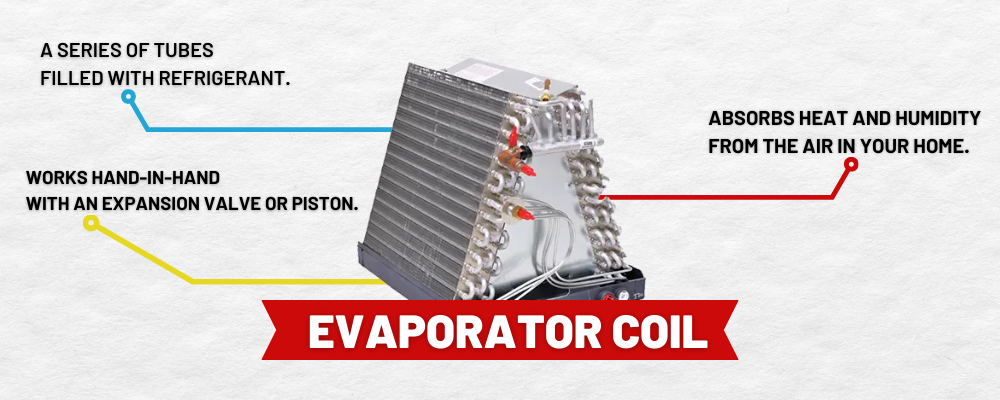
Refrigerant moves heat from inside to outside the house. It absorbs warm air and cools it down. The refrigerant evaporates inside the indoor coil, taking heat from the air.
Then, it travels to the outdoor coil, where it releases the heat. The refrigerant changes back to liquid and repeats this cycle continuously. Without refrigerant, the AC cannot cool your home.
Types Of Refrigerants Used
- R-22:An older refrigerant, now mostly phased out due to environmental concerns.
- R-410A:Common in new AC units, safer for the ozone layer and more efficient.
- R-32:A newer option with lower environmental impact and better efficiency.
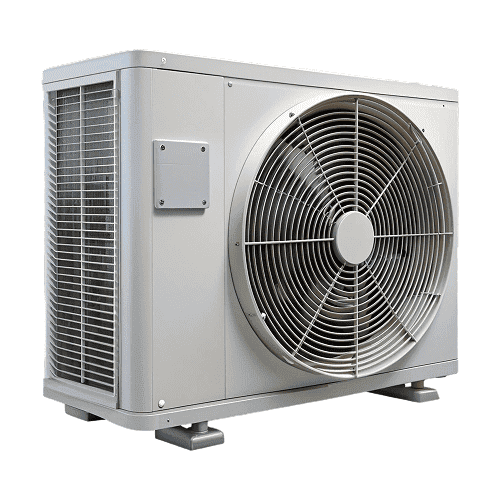
Each refrigerant type has different properties and rules for use. New air conditioners mostly use R-410A or R-32. These refrigerants comply with current environmental standards.
Credit: www.furnaceprices.ca
New Ac Units And Refrigerant
New AC units come with refrigerant already inside. This refrigerant helps the system cool your home. Understanding how refrigerant works in new units is important. It ensures your AC runs efficiently from the start.
Factory Charging Explained
Manufacturers fill new AC units with refrigerant at the factory. This process is called factory charging. It guarantees the right amount of refrigerant is inside. Proper charging helps the AC perform well. It also prevents leaks and damage.
Factory charging uses precise measurements. Each model needs a specific refrigerant amount. This amount depends on the unit’s size and design. The sealed system keeps the refrigerant sealed inside. No need to add refrigerant when installing a new unit.
Sealed Systems And Refrigerant Levels
New AC units have sealed systems. These systems keep refrigerant from escaping. The sealed design means refrigerant levels stay constant. No topping up is needed unless there is a leak.
Leaks can reduce refrigerant and lower cooling power. If you notice poor cooling, check for leaks. A sealed system ensures long-term efficiency. Proper installation keeps the system airtight and secure.
When Is Refrigerant Added
Understanding when refrigerant is added to a new AC unit or an existing system can save you time and money. Refrigerant plays a crucial role in cooling your home effectively, but it’s not always added at the same stage. Knowing the right moment for refrigerant addition helps you spot potential issues early and ensures your AC runs efficiently.
During Installation
Most new AC units come pre-charged with refrigerant, but this amount is often enough only for a specific length of piping. If your installation requires longer refrigerant lines, additional refrigerant must be added on site to match the system’s exact needs.
Technicians measure the refrigerant carefully during installation to avoid overcharging or undercharging. Too much refrigerant can reduce efficiency and damage the compressor, while too little will prevent your system from cooling properly.
Have you ever wondered why some new units don’t cool as expected right after installation? Sometimes, it’s simply because the refrigerant charge wasn’t adjusted for the specific setup.
After Repairs Or Maintenance
If your AC system has a refrigerant leak or if components like the compressor or condenser coil are replaced, refrigerant must be added afterward. Repairs often involve opening the sealed system, which can cause refrigerant to escape.
During maintenance, technicians check refrigerant levels to spot leaks or drops that could signal a problem. If levels are low, they recharge the system to restore proper cooling performance.
Ignoring refrigerant loss after repairs can lead to higher energy bills and poor cooling. Next time your AC is serviced, ask your technician if the refrigerant level was checked and topped up if necessary. It’s a small step that makes a big difference in comfort and efficiency.
Checking Refrigerant Levels
Checking refrigerant levels is essential for maintaining your AC unit’s performance. Proper refrigerant levels ensure efficient cooling and prevent system damage. Low refrigerant can cause your AC to work harder, increasing energy costs and reducing comfort.
Regular checks help catch problems early and extend your system’s life. Understanding signs of low refrigerant and professional inspection methods guides you in keeping your AC in top shape.
Signs Of Low Refrigerant
- Weak or warm air blowing from vents
- Longer cooling cycles than usual
- Ice buildup on the refrigerant lines
- Hissing or bubbling sounds near the AC unit
- Higher energy bills without increased use
Professional Inspection Methods
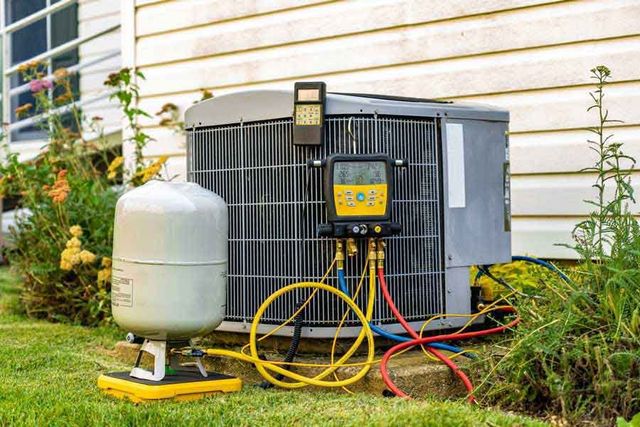
Technicians use specialized tools to measure refrigerant pressure. They connect gauges to the AC system to check if pressure matches manufacturer specifications.
Leak detection tools find any refrigerant leaks in the system. Professionals also assess the overall condition of coils and lines for damage or blockages.
Proper refrigerant levels restore cooling efficiency and protect your AC from breakdowns. Trust trained experts for accurate readings and safe handling.
Handling Refrigerant Safely
Handling refrigerant safely is crucial when dealing with new AC units. Refrigerants are powerful chemicals that can impact both your health and the environment if mishandled. Understanding proper safety measures helps you protect yourself and comply with legal requirements.
Environmental Regulations
Refrigerants are strictly regulated because many types contribute to ozone layer depletion and global warming. Agencies like the EPA enforce rules on how refrigerants must be handled, recovered, and disposed of.
Only certified technicians are legally allowed to work with refrigerants in many regions. This ensures the chemicals don’t leak into the atmosphere during installation or maintenance.
Are you aware that improper release of refrigerants can lead to heavy fines? This makes it important to trust professionals who follow these environmental regulations carefully.
Why Diy Recharging Is Risky
Refilling your AC unit with refrigerant might seem like a simple task, but it carries significant risks. Without proper tools and training, you could overcharge or undercharge the system, causing damage or reducing efficiency.
Handling refrigerants yourself can expose you to toxic gases, which may cause dizziness, breathing problems, or worse. Additionally, accidental leaks contribute to environmental harm.
Think about this: is saving a little money worth the risk of damaging your AC or harming your health? Hiring a professional ensures safe and correct refrigerant handling, protecting both you and the environment.

Credit: www.aljazeera.com
Choosing The Right Ac Unit
Choosing the right AC unit affects comfort, energy bills, and environmental impact. Picking a model with the right features saves money and keeps your home cool efficiently. Consider the type of refrigerant and energy efficiency ratings. These factors guide you to a smart, future-ready choice.
Energy Efficiency And Refrigerant Type
Energy efficiency reduces electricity use and lowers bills. Check the Seasonal Energy Efficiency Ratio (SEER) rating. Higher SEER means better efficiency. New AC units use refrigerants that cool effectively and harm the environment less.
Common refrigerants include R-410A and R-32. R-32 has a lower global warming potential. Choosing a unit with modern refrigerants helps protect the planet. It also ensures your AC works well for years.
Future-proofing Against Phase-outs
Some refrigerants are being phased out due to environmental rules. Older types like R-22 are no longer made. Using a unit with a current refrigerant avoids costly refills later. It also keeps your system legal and efficient.
Pick AC units certified with approved refrigerants. This choice avoids future problems. It ensures parts and service remain available. Future-proofing your purchase means worry-free cooling for many summers.
Credit: www.logan-inc.com
Frequently Asked Questions
Do New Ac Units Come Pre-charged With Refrigerant?
Yes, most new AC units come pre-charged with the correct amount of refrigerant. This ensures proper cooling performance upon installation. However, additional refrigerant may be needed if the installation requires longer tubing or modifications.
Is Refrigerant Included In The Price Of New Ac Units?
Typically, the refrigerant cost is included in the new AC unit price. Professional installation usually covers refrigerant charging. Always confirm with your HVAC contractor to avoid unexpected extra charges.
Can I Add Refrigerant To A New Ac Unit Myself?
Adding refrigerant should be done by a licensed HVAC technician. Incorrect handling can cause system damage or personal injury. Professional service ensures safe, accurate refrigerant charging and optimal system performance.
What Type Of Refrigerant Do New Ac Units Use?
Most new AC units use environmentally friendly refrigerants like R-410A. These refrigerants have no ozone depletion potential and offer efficient cooling. Check your unit’s specifications for the exact refrigerant type.
Conclusion
New AC units usually come with refrigerant already inside. This means no extra filling is needed at installation. Proper refrigerant levels help your AC cool efficiently. Always check the unit’s specifications before buying. Regular maintenance keeps refrigerant levels right and avoids problems.
A well-charged AC saves energy and money. Knowing this helps you make smart choices for your home. Stay informed to keep your cooling system running smoothly.