Imagine being able to keep your cool while doing your part to save the planet. Sounds intriguing, right?
When you hear about hydrofluoroolefin (HFO) refrigerants, it’s easy to wonder why some of them are labeled as A2L. This classification might seem like a jumble of letters and numbers, but it plays a crucial role in how these refrigerants impact both efficiency and safety.
You might be asking, “Why should I care about this? ” Well, if you value energy efficiency, sustainability, or simply want to make informed choices, understanding the A2L classification is essential. It not only affects your environment but also your wallet and future. Dive in to uncover the reasons behind this classification and why it matters to you.
Hydrofluoroolefin Refrigerants Basics
Hydrofluoroolefin (HFO) refrigerants are a newer class of cooling agents designed to be more environmentally friendly. They have low global warming potential and are slowly replacing older refrigerants. Understanding their basics helps explain why some HFOs are classified as A2L.
Chemical Structure And Properties
HFO refrigerants contain carbon, hydrogen, and fluorine atoms. Their unique feature is a double bond between carbon atoms, making them olefins. This double bond changes how they react and break down in the atmosphere.
They have lower toxicity and flammability compared to older refrigerants. Some HFOs are mildly flammable, placing them in the A2L safety group. This means they have low toxicity and low flammability.
HFOs also have a short atmospheric lifetime. They break down quickly, reducing their impact on global warming. Their chemical stability and energy efficiency make them attractive for cooling systems.
Common Applications
HFO refrigerants are used in many cooling systems. These include air conditioners, heat pumps, and refrigerators. Their low environmental impact suits new equipment and retrofits.
They are popular in automotive air conditioning due to efficiency and safety. Some HFO blends improve performance in commercial refrigeration too.
Because of their mild flammability, systems using A2L HFOs need special design considerations. Proper ventilation and leak detection systems are common safety measures.
Flammability Classification Explained
Flammability classification helps identify how easily a refrigerant can catch fire. This is crucial for safety in handling and using refrigerants like Hydrofluoroolefins (HFOs). Some HFO refrigerants are labeled as A2L, showing they have low flammability but still pose some risk. Understanding this classification guides proper use and storage.
What Does A2l Mean?
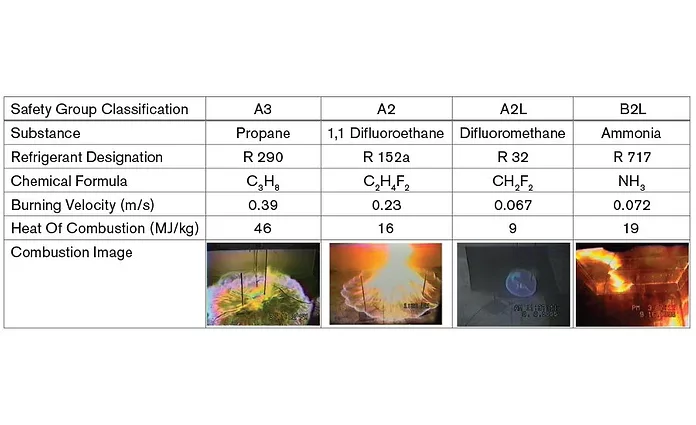
The A2L label means the refrigerant has low flammability and low toxicity. It can ignite, but it burns slowly and with less heat. This classification is part of a system created by safety organizations to rate refrigerants. A2L refrigerants need careful handling but offer a balance between safety and environmental benefits.
Comparison With Other Classes
| Class | Flammability | Toxicity | Description |
|---|---|---|---|
| A1 | Not flammable | Low | Safe to use, no fire risk |
| A2L | Low flammability | Low | Slow burning, moderate risk |
| A2 | Flammable | Low | Burns easily, higher risk |
| B2L | Low flammability | High | Slow burning, toxic |
A2L refrigerants offer lower fire risk than A2 types. They require special equipment and training for safe use. Compared to A1 refrigerants, they are slightly more dangerous but better for the environment.
Reasons For A2l Classification Of Some Hfos
Some Hydrofluoroolefin (HFO) refrigerants earn the A2L classification due to their unique balance of flammability and safety. Understanding why certain HFOs fall into this category helps you make informed choices for refrigeration and air conditioning systems. The reasons hinge on how these chemicals behave when exposed to ignition sources and how their flames spread under various conditions.
Low Flammability Characteristics
A2L refrigerants are defined by their low flammability, meaning they burn slower and less intensely than higher flammability gases. This quality makes some HFOs safer for use in commercial and residential environments where minimizing fire risk is crucial.
Unlike highly flammable refrigerants, A2L HFOs ignite only under specific conditions. They require a precise mixture with air to sustain combustion, which limits accidental ignition risks. This characteristic also means that leaks are less likely to cause dangerous fires, making A2Ls a practical choice for newer HVAC designs.
Ignition Energy And Flame Propagation
The ignition energy needed to light A2L HFO refrigerants is higher compared to more flammable gases. This means you need a stronger spark or heat source to start a fire. This higher ignition threshold adds an extra layer of safety in everyday applications.
Flame propagation in A2L HFOs is slower and less vigorous. Flames spread at a rate that allows systems and users more time to react and control potential hazards. This slower flame speed is why these refrigerants are classified as “mildly flammable” rather than fully flammable.
Have you considered how these safety factors might influence the design of your next refrigeration system? Choosing an A2L HFO refrigerant could provide the balance you need between efficiency and risk management.
Safety Risks Associated With A2l Refrigerants
Understanding the safety risks associated with A2L refrigerants is crucial before working with them. These hydrofluoroolefin (HFO) refrigerants have low flammability, but that doesn’t mean they are without hazards. Recognizing these risks helps you handle them more effectively and keeps your environment safe.
Leakage And Flammability Hazards
Even though A2L refrigerants are mildly flammable, leaks can create dangerous situations. A small leak in a confined space may lead to an accumulation of gas, increasing the risk of fire or explosion.
Have you ever thought about how a tiny leak could ignite if there’s a spark nearby? That’s why it’s important to detect leaks early and repair them promptly.
Remember, these refrigerants are not as flammable as traditional gases, but you should never underestimate their potential hazards. Always ensure proper ventilation in areas where A2L refrigerants are used to reduce the concentration of leaked gas.
Handling And Storage Precautions
Handling A2L refrigerants requires care and attention to safety protocols. Store them in well-ventilated, cool places away from direct sunlight and sources of ignition.
Wear proper personal protective equipment like gloves and goggles to avoid skin or eye contact. Have fire extinguishers rated for flammable gases readily available in storage and work areas.
Do you have a clear plan for emergency response if a leak occurs? Preparing for such situations can prevent accidents and protect everyone involved.
Regulatory And Industry Standards
Regulatory and industry standards play a key role in classifying hydrofluoroolefin (HFO) refrigerants as A2L. These standards ensure the safe use and handling of refrigerants with low flammability. They set clear rules for manufacturers and users to follow. Understanding these standards helps explain why some HFOs fall into the A2L category.
Global Safety Guidelines
International organizations define safety levels for refrigerants worldwide. The ASHRAE standard 34 is one of the main references. It classifies refrigerants by toxicity and flammability. A2L means low toxicity and lower flammability than A2. This classification reflects the chemical properties of some HFOs, which show mild flammability risks.
Different countries adapt these guidelines based on local rules. The European F-Gas Regulation also influences refrigerant classification. It aims to reduce greenhouse gases while maintaining safety. These rules require tests on refrigerant flammability and toxicity before approval.
Impact On Equipment Design
Equipment design must follow the refrigerant’s safety class. For A2L refrigerants, manufacturers use special materials and components. These designs reduce leak risks and manage flammable vapors safely. Electrical parts must meet strict standards to prevent sparks.
Ventilation and leak detection systems are often required. These features keep users safe in case of accidental release. The A2L classification demands changes in compressor seals, piping, and insulation. Proper design ensures equipment works efficiently without compromising safety.

Credit: www.achrnews.com
Mitigation Strategies For Safe Use
Using Hydrofluoroolefin (HFO) refrigerants safely requires specific strategies. These refrigerants, classified as A2L, have low flammability. Proper safety measures reduce risks and protect people and property. Careful planning and technology help control leaks and maintain safe environments.
Leak Detection Technologies
Detecting leaks quickly is vital for safety with A2L refrigerants. Modern sensors can identify even small leaks early. These sensors use infrared or ultrasonic technology. They alert operators before leaks become dangerous. Regular monitoring improves safety and reduces potential hazards.
Some leak detectors connect to alarms or control systems. This setup ensures fast response to any issue. Portable detectors allow spot checks in hard-to-reach areas. Using multiple detection methods gives better coverage and protection.
Ventilation And Installation Best Practices
Proper ventilation helps prevent gas buildup in case of leaks. Systems should have enough airflow to disperse any released refrigerant. Installing equipment in well-ventilated areas lowers fire risk. Mechanical ventilation may be needed in enclosed spaces.
Installation must follow strict guidelines for piping and fittings. Using approved materials minimizes chances of leaks. Technicians should follow manufacturer instructions carefully. Regular inspections ensure the system stays safe over time.
Training staff on emergency procedures is also important. Everyone should know how to act if a leak occurs. Combining good installation with ventilation and education ensures safer use of HFO refrigerants.
Future Trends In Refrigerant Safety
As the HVAC industry shifts towards more environmentally friendly solutions, the safety of refrigerants remains a top priority. Understanding the future trends in refrigerant safety helps you make informed choices, especially with the rise of Hydrofluoroolefin (HFO) refrigerants classified as A2L. These trends not only shape regulations but also influence the technologies and practices you’ll encounter.
Developments In Low-gwp Alternatives
Low-GWP refrigerants are becoming the norm to reduce environmental impact. Many HFOs fall into this category, offering a balance between performance and climate safety. However, their mild flammability (A2L classification) requires new safety measures.
Manufacturers are improving formulations to lower flammability risks without sacrificing efficiency. You might notice blends combining HFOs with other gases to reduce ignition potential while maintaining cooling power. This approach helps meet stricter global regulations and keeps systems safer for everyday use.
Are you aware of how these low-GWP blends could change the types of equipment you install or maintain? Staying updated on these alternatives can give you a competitive edge in your work or home projects.
Advancements In Safety Testing
Testing methods for refrigerant safety have evolved significantly. Beyond traditional flammability and toxicity tests, newer protocols simulate real-world scenarios more accurately. This means you get better data about how refrigerants behave under different conditions.
Innovations include advanced leak detection, flame propagation studies, and thermal stability assessments. These improvements help manufacturers design safer HFO refrigerants and guide technicians on safe handling practices. When you understand the results of these tests, you can better assess risk and implement appropriate safety measures.
Have you considered how these testing advancements might impact your safety procedures or equipment choices? Being proactive about safety can prevent accidents and ensure compliance with the latest standards.

Credit: www.achrnews.com

Credit: www.achrnews.com
Frequently Asked Questions
Why Are Some Hfo Refrigerants Labeled A2l?
Some HFO refrigerants are labeled A2L due to their low flammability. This classification means they have mild flammability and low burning velocity. It ensures safer handling and usage in HVAC systems while meeting environmental and safety standards.
What Does A2l Classification Mean For Hfo Refrigerants?
A2L classification indicates mild flammability and low toxicity. It helps manufacturers design safer refrigeration systems. This category balances energy efficiency and reduced environmental impact, making HFOs suitable alternatives to traditional refrigerants.
How Does A2l Affect Hydrofluoroolefin Safety?
A2L classification ensures that hydrofluoroolefins have controlled flammability risks. It guides proper storage, installation, and usage precautions. This reduces accidents and enhances safety in commercial and residential cooling applications.
Are A2l Hfo Refrigerants Environmentally Friendly?
Yes, A2L HFO refrigerants have low global warming potential (GWP). They offer eco-friendly alternatives to older refrigerants like HFCs. This supports global efforts to reduce greenhouse gas emissions and climate impact.
Conclusion
Some hydrofluoroolefin (HFO) refrigerants are labeled A2L because they have low flammability. This means they can catch fire but burn slowly and with less intensity. Safety standards classify them this way to guide proper handling and use. Understanding this helps industries choose the right refrigerants for their needs.
It also ensures safer environments at work and home. Knowing why HFOs get the A2L tag makes using them easier and safer for everyone.