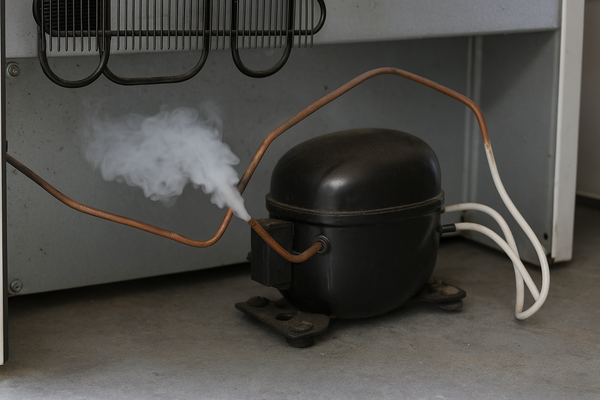
Have you ever wondered what keeps your refrigerator cool and your food fresh? If you’ve ever asked yourself, “Does a refrigerator have Freon?”
You’re not alone. This question might seem technical, but understanding the basics can help you make informed decisions about your home appliances. Your refrigerator is a crucial part of your daily life, and knowing what keeps it running smoothly can save you time and money.
Imagine being able to spot potential issues before they become costly repairs. Stick around, and we’ll unravel the mystery of Freon and its role in your refrigerator, giving you the insights you need to keep your kitchen running efficiently.
Credit: www.diychatroom.com
What Is Freon
Freon is a term many people hear when discussing refrigerators, air conditioners, or cooling systems. But what exactly is Freon? Understanding Freon can help you grasp how your refrigerator works and why it’s important for cooling.
What Is Freon?
Freon is a brand name commonly used to describe a group of chemicals called refrigerants. These refrigerants absorb heat from inside your fridge and release it outside, keeping your food cold.
They are specially designed gases or liquids that change state easily when compressed or expanded. This property allows them to transfer heat efficiently in cooling systems.
Types Of Freon Used In Refrigerators
- CFCs (Chlorofluorocarbons):These were widely used in older refrigerators but have been mostly phased out due to environmental concerns.
- HCFCs (Hydrochlorofluorocarbons):These replaced CFCs but are also being phased out because they still harm the ozone layer.
- HFCs (Hydrofluorocarbons):Common in newer refrigerators, these refrigerants do not harm the ozone layer but can affect climate change.
Why Is Freon Important For Your Refrigerator?
Without Freon or a similar refrigerant, your refrigerator wouldn’t be able to remove heat effectively. This means your food would spoil faster, and the fridge wouldn’t work properly.
Think about a time when your fridge stopped cooling. It might have been due to a Freon leak or a malfunction in the cooling system. This shows how critical Freon is for maintaining the right temperature.
Is Freon Safe For Your Home?
When sealed inside your refrigerator, Freon is generally safe. However, if there is a leak, it can be harmful to breathe in and should be handled by a professional.
Have you ever noticed a strange smell or a loss of cooling in your fridge? It could be a sign of Freon leakage, which requires immediate attention to avoid damage or health risks.
Role Of Freon In Refrigerators
Freon plays a vital role in the cooling process inside refrigerators. It acts as a refrigerant, moving heat from the fridge’s interior to the outside environment. This process keeps your food fresh and drinks cold.
The refrigerant cycles through the system, changing from liquid to gas and back. This constant change absorbs heat inside the fridge and releases it outside. Without Freon, the refrigerator would not maintain a cool temperature.
How Freon Cools The Refrigerator
Freon absorbs heat inside the fridge as it evaporates from liquid to gas. This evaporation cools the air and walls inside the fridge. Then, the gas is compressed and changes back to liquid outside the fridge. This cycle repeats to keep the fridge cool.
Freon And Energy Efficiency
Freon helps refrigerators run efficiently. It requires less energy to absorb and release heat. This efficiency lowers electricity bills and reduces wear on the fridge’s compressor. A well-functioning Freon system means better cooling and energy savings.
Environmental Impact Of Freon
Older Freon types can harm the environment. They may damage the ozone layer and increase greenhouse gases. Newer refrigerants are safer and eco-friendly. Proper handling and disposal of Freon are important to protect the planet.
Types Of Refrigerants Used
Understanding the types of refrigerants used in refrigerators is key to knowing how your appliance works and its impact on the environment. Refrigerants are the substances that absorb and release heat, enabling the cooling process. Over the years, the types of refrigerants have evolved due to safety, efficiency, and environmental concerns.
Common Refrigerants Today
Most modern refrigerators use refrigerants that are safer and more efficient than older types like Freon (R-12). Today, you’ll often find:
- R-134a:This was the popular replacement for Freon in many household refrigerators. It’s less harmful to the ozone but still has a global warming potential.
- R-600a (Isobutane):Becoming more common due to its low environmental impact and high efficiency. It’s a natural refrigerant but is flammable, so safety measures are important.
- R-290 (Propane):Used in some energy-efficient models, this refrigerant is environmentally friendly but also flammable.
Have you checked which refrigerant your refrigerator uses? It might surprise you how much has changed over just a few years.
Environmental Impact
The type of refrigerant affects not only your refrigerator’s performance but also the planet. Older refrigerants like Freon (CFCs and HCFCs) contribute significantly to ozone depletion and climate change.
Newer refrigerants like R-600a and R-290 have a much lower global warming potential and no ozone-depleting properties. However, their flammability means manufacturers must design refrigerators carefully to avoid risks.
Choosing a refrigerator with eco-friendly refrigerants can reduce your carbon footprint. Would you consider this factor when buying a new fridge? It could make a real difference over time.
How Refrigeration Cycle Works
Understanding how the refrigeration cycle works helps you see why your refrigerator needs certain components like Freon. The cycle is a continuous process that moves heat from inside your fridge to the outside, keeping your food cold. Knowing each part of this cycle can help you troubleshoot issues or understand why certain repairs are necessary.
Evaporation: The Cooling Begins
The cycle starts when the refrigerant inside the evaporator coil absorbs heat from the fridge’s interior. This heat causes the refrigerant to evaporate, turning it from a liquid into a gas. As it evaporates, it cools the air around the coil, which keeps your food fresh.
Compression: Raising The Pressure
Once the refrigerant turns into gas, it moves to the compressor. The compressor squeezes the gas, increasing its pressure and temperature. This step prepares the refrigerant to release the heat it absorbed inside the fridge.
Condensation: Releasing Heat Outside
The high-pressure, hot gas travels to the condenser coils, usually located at the back or bottom of the fridge. Here, the refrigerant releases its heat to the surrounding air and changes back into a liquid. This heat release is why the back of your fridge feels warm.
Expansion Valve: Cooling The Refrigerant
After condensation, the liquid refrigerant passes through the expansion valve. This valve reduces the pressure, causing the liquid to cool rapidly. The cold refrigerant then returns to the evaporator coil, and the cycle repeats.
Have you ever noticed the warm air behind your refrigerator? That’s the condenser doing its job, pushing heat out. Understanding this cycle clarifies why your fridge needs a sealed system and why any leaks can cause cooling issues. What part of this process do you think is most critical to maintaining your fridge’s performance?
Signs Of Freon Leaks
Freon leaks in a refrigerator can cause serious cooling problems and increase your energy bills. Spotting the signs early can save you from costly repairs or a full replacement. But how do you know if your fridge is losing Freon?
Unusual Warmth Inside The Refrigerator
If your fridge suddenly feels warmer than usual, it might be losing Freon. This chemical is essential for keeping the cooling system running efficiently. When the levels drop, the fridge struggles to maintain the right temperature.
Have you noticed your food spoiling faster or drinks not staying chilled? These are clear hints that the cooling process is compromised.
Hissing Or Bubbling Sounds
Freon leaks often produce faint hissing or bubbling noises near the back or bottom of the fridge. These sounds come from the refrigerant escaping through tiny cracks or holes in the cooling system.
Next time you hear unusual noises, don’t ignore them. They could be your fridge signaling a Freon leak.
Ice Build-up In The Freezer
Strange as it sounds, ice forming in odd places inside your freezer can point to a Freon leak. Without enough refrigerant, moisture can freeze where it shouldn’t, causing blockages.
Have you ever found thick ice layers blocking drawers or vents? This might mean your cooling system isn’t circulating properly due to low Freon.
Increased Energy Consumption
When Freon leaks, your refrigerator works harder to keep cool. This extra effort shows up as higher electricity bills. You might not see the leak, but your utility bill will reveal the stress on your appliance.
If your energy costs have spiked unexpectedly, take a closer look at your fridge’s performance.

Credit: www.searshomeservices.com
Handling Freon Safely
Handling Freon safely is crucial for protecting health and the environment. Freon is a refrigerant found in many cooling systems. Exposure to Freon can cause health problems and environmental damage. Taking proper safety measures helps prevent accidents and leaks.
Always follow safety guidelines when dealing with Freon. Use protective gear and proper tools. Avoid releasing Freon into the air. Proper disposal and repairs require trained professionals.
Wear Protective Gear
Wear gloves and safety goggles to avoid skin and eye contact. Freon can cause burns and irritation. Use a mask if working in a closed space. Proper ventilation reduces inhalation risks.
Avoid Direct Contact
Do not touch Freon with bare hands. Direct contact can cause frostbite. Keep Freon containers sealed and upright. Handle with care to prevent spills and leaks.
Work In Well-ventilated Areas
Ensure good airflow during Freon handling. Open windows or use fans to circulate air. This helps disperse any accidental gas release. Avoid confined spaces to reduce inhalation risk.
Use Proper Equipment
Use certified tools designed for refrigerant handling. Leak detectors help identify any escapes quickly. Never use open flames near Freon. It can decompose into harmful gases.
Consult Professionals For Repairs
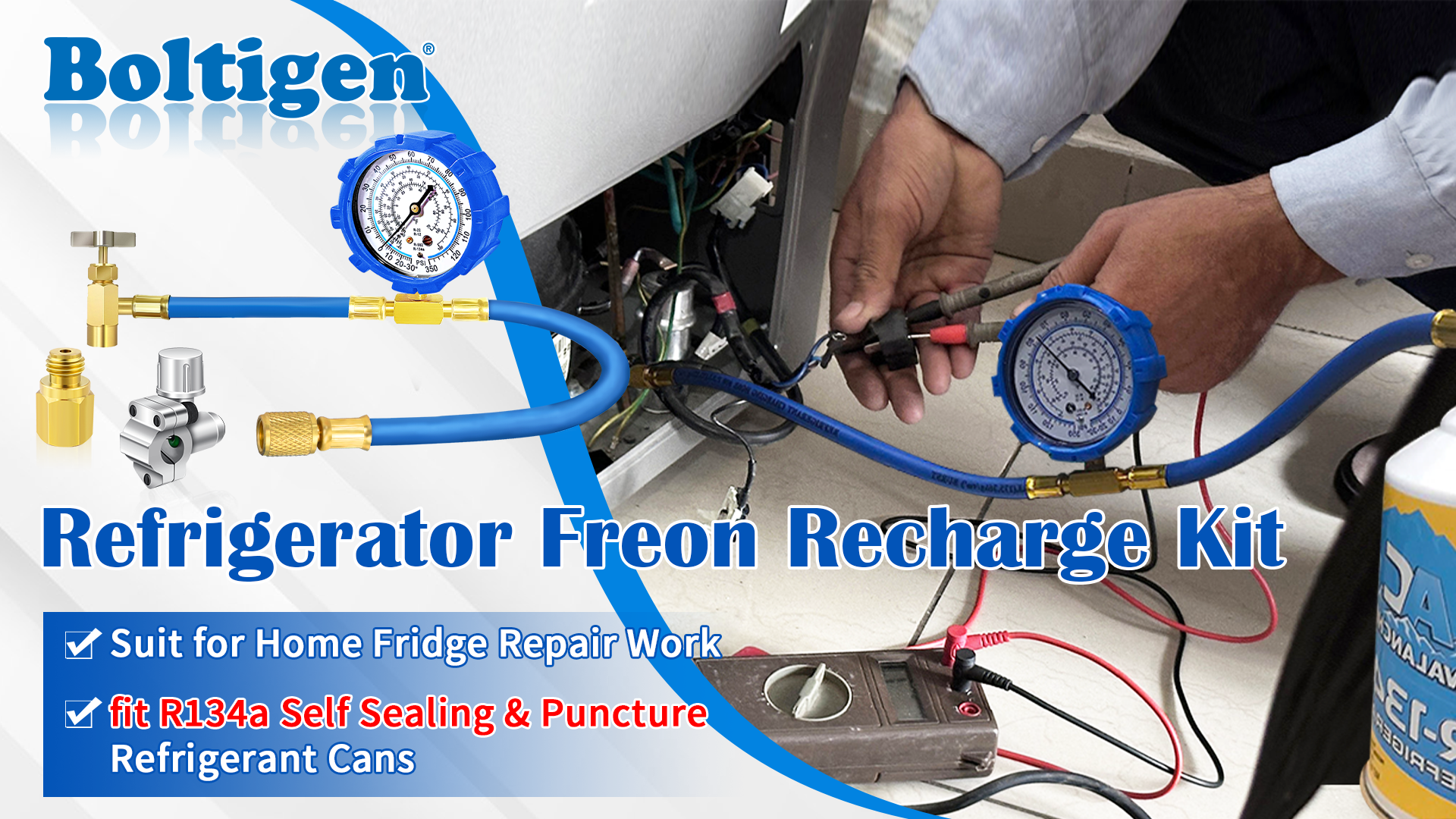
Call certified technicians for Freon-related repairs. They have the right training and equipment. Professionals follow legal rules for Freon use. This ensures safe and effective service.
Freon Replacement And Alternatives
Freon is a common refrigerant used in many refrigerators for cooling. Over time, Freon may need replacement due to leaks or efficiency loss. New alternatives have also emerged, offering safer and eco-friendly options. Understanding these options helps maintain your fridge’s performance and protect the environment.
What Is Freon Replacement?
Freon replacement means refilling or changing the refrigerant in a fridge. This process is done by professionals using special equipment. It restores the cooling power of the refrigerator. Old Freon types, like R-12, are banned due to environmental harm. New refrigerants are more eco-friendly and meet safety standards.
Common Alternatives To Freon
- R-134a: Used in many modern refrigerators, less harmful to the ozone layer.
- R-600a (Isobutane): A natural refrigerant with low environmental impact.
- R-410A: Often found in air conditioners but also used in some fridges.
- Hydrofluoroolefins (HFOs): New refrigerants with very low global warming potential.
Benefits Of Using Freon Alternatives
- Lower environmental damage and safer for the ozone layer.
- Improved energy efficiency, saving electricity and money.
- Reduced risk of leaks causing harm to people and nature.
- Compliance with modern laws and regulations on refrigerants.
Signs You May Need A Freon Replacement
- Fridge is not cooling as well as before.
- Ice buildup inside the freezer area.
- Strange noises from the compressor or coils.
- Visible leaks or oily spots near cooling components.
Credit: www.amazon.com
Legal Regulations Around Freon
Understanding the legal regulations around Freon is crucial if you’re dealing with refrigerators or any cooling appliances. Freon, a common refrigerant, has been subject to strict laws due to its environmental impact. Knowing these rules can help you avoid fines and contribute to protecting the planet.
What Are the Regulations on Freon Use?Freon, also known as chlorofluorocarbon (CFC) or hydrochlorofluorocarbon (HCFC), has been phased out under international agreements like the Montreal Protocol. These rules restrict the production and use of Freon because it harms the ozone layer. Today, only certified technicians can handle, repair, or dispose of appliances containing Freon.
How Do These Laws Affect You?If your refrigerator contains Freon, you cannot simply open or repair it yourself without proper certification. Illegal release of Freon into the air carries heavy fines. This means when your appliance needs servicing, you must hire a professional trained in handling refrigerants safely.
Recycling and Disposal RequirementsWhen disposing of old refrigerators, regulations require proper recovery and recycling of Freon. You can’t just throw these units in the trash or landfill. Certified recyclers ensure the refrigerant is safely removed to prevent environmental damage.
What Should You Look for in a Technician?- Certification in refrigerant handling (EPA 608 in the US)
- Experience with Freon-based systems
- Proper tools and equipment for safe recovery
Hiring the right technician protects you from legal trouble and ensures your appliance runs efficiently.
Have you ever wondered how much impact improper Freon handling has on the environment? Understanding these regulations not only keeps you compliant but also helps preserve the air we breathe.
Frequently Asked Questions
Does A Refrigerator Use Freon For Cooling?
Yes, many older refrigerators use Freon as a refrigerant. Freon transfers heat to cool the interior. Newer models often use eco-friendly refrigerants instead.
What Is Freon In A Refrigerator?
Freon is a brand name for refrigerants, mainly chlorofluorocarbons (CFCs). It circulates inside the fridge to absorb and release heat, enabling cooling.
Can A Refrigerator Leak Freon?
Yes, refrigerators can develop leaks in the refrigerant lines. Leaking Freon reduces cooling efficiency and can harm the environment. Professional repair is necessary to fix leaks.
Are All Refrigerators Filled With Freon?
No, not all refrigerators contain Freon. Many modern fridges use safer refrigerants like R-600a or R-134a, which have less environmental impact.
Conclusion
Refrigerators do contain a cooling gas, often called Freon. This gas helps keep your food fresh and cold. Not all refrigerators use the same type of gas, though. Newer models use safer and eco-friendly options. Knowing about Freon helps you understand how your fridge works.
Regular maintenance keeps the cooling system running well. If you notice strange smells or poor cooling, check the refrigerant. Proper care extends your refrigerator’s life. Now you know why this gas is important for cooling.