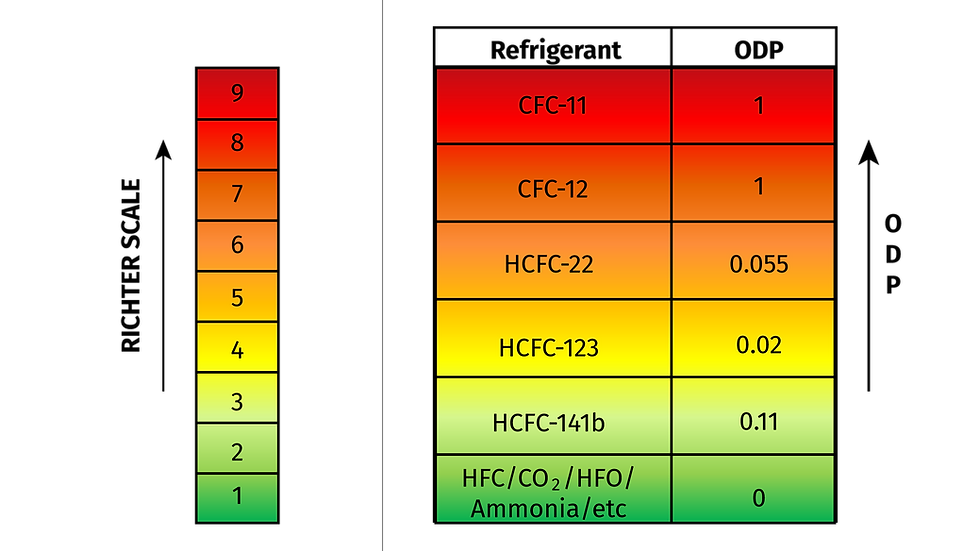
Are you curious about how the refrigerant in your air conditioning or refrigeration system might impact the environment? You might be surprised to learn that some refrigerants, specifically CFCs, have been key players in environmental discussions for decades.
As you explore which refrigerants fall into the CFC category, you’ll uncover their significant role in both cooling technology and environmental issues. This journey will not only satisfy your curiosity but also empower you with the knowledge to make more informed choices.
Dive deeper to discover which of the following refrigerants is a CFC type refrigerant and understand the implications for your world.

Credit: refrigerantscenter.com
Cfc Refrigerants Basics
Chlorofluorocarbon (CFC) refrigerants were once widely used in cooling systems. They played a key role in refrigeration and air conditioning for many years. Understanding their basics helps to identify which refrigerants belong to this group.
Chemical Composition
CFC refrigerants contain chlorine, fluorine, and carbon atoms. Their structure makes them stable and non-flammable. The presence of chlorine in their chemical formula is the main feature. This chlorine impacts the ozone layer when released into the atmosphere.
Common Uses
CFCs were popular in refrigerators, freezers, and air conditioners. They also served as propellants in spray cans and in foam production. Due to their ozone depletion effect, many countries banned their use. Despite this, some older equipment still contains CFC refrigerants.
Popular Cfc Refrigerants
Chlorofluorocarbons (CFCs) were widely used in refrigeration and air conditioning. These chemicals contain chlorine, fluorine, and carbon atoms. They helped cool homes and businesses for many years. Yet, CFCs harm the ozone layer, leading to environmental bans. Understanding popular CFC refrigerants is important for HVAC knowledge and safety.
R-11
R-11, also called trichlorofluoromethane, was common in large chillers. It has a low boiling point and good cooling power. R-11 was mostly used in commercial and industrial systems. It is a CFC type refrigerant that damages the ozone layer. Many countries phased out R-11 due to environmental rules.
R-12
R-12, known as dichlorodifluoromethane, was popular in car air conditioners. It has excellent cooling performance and is easy to handle. R-12 is another CFC refrigerant harmful to ozone. It was replaced by safer alternatives like HFCs. Still, many old systems use R-12, requiring proper disposal.
R-113
R-113, or 1,1,2-trichlorotrifluoroethane, served in special refrigeration and solvent applications. It offers stable performance and good heat transfer. This CFC refrigerant also contributes to ozone depletion. Its use has declined sharply after international agreements. Proper handling of R-113 remains crucial.
Comparing Cfcs With Other Types
Understanding the differences between refrigerants is key to choosing the right one for your needs. CFCs, or chlorofluorocarbons, have a unique profile compared to other refrigerants like HCFCs and HFCs. Comparing these types helps you make informed decisions about efficiency, environmental impact, and safety.
Hcfcs Vs Cfcs
HCFCs (hydrochlorofluorocarbons) were developed as a transitional solution to replace CFCs.
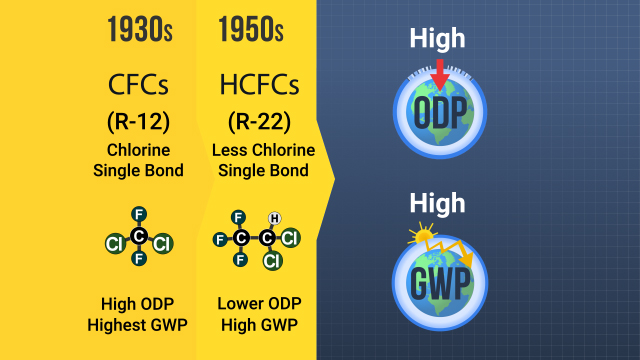
Both contain chlorine, but HCFCs have hydrogen, which makes them less stable and less damaging to the ozone layer.
For example, R-22 is a common HCFC, while R-12 is a classic CFC refrigerant.
- Ozone depletion:CFCs cause high ozone layer damage; HCFCs are less harmful but still contribute.
- Environmental impact:HCFCs have lower ozone depletion potential (ODP) but still exist in regulation lists.
- Usage:CFCs are mostly phased out, whereas HCFCs are being phased down gradually.
Have you ever wondered why some older air conditioners still use CFCs despite their risks? It’s often due to the durable nature and efficiency of CFCs, but this comes with environmental costs.
Hfcs Vs Cfcs
HFCs (hydrofluorocarbons) emerged as replacements for both CFCs and HCFCs.
Unlike CFCs, HFCs contain no chlorine, which means they do not harm the ozone layer.
| Feature | CFCs | HFCs |
|---|---|---|
| Ozone Depletion Potential (ODP) | High | Zero |
| Global Warming Potential (GWP) | Moderate to High | High |
| Common Examples | R-12, R-11 | R-134a, R-410A |
While HFCs protect the ozone, their high global warming potential raises new concerns. This leads to newer alternatives being developed constantly. What’s more important to you—protecting the ozone or reducing greenhouse gases?

Credit: www.achrnews.com
Environmental Impact Of Cfcs
Chlorofluorocarbons (CFCs) are a group of refrigerants once widely used in cooling systems. Their environmental impact is severe and lasting. Understanding these effects helps explain why CFCs are now heavily regulated and largely banned. The damage caused by CFCs affects both the atmosphere and the planet’s climate.
Ozone Layer Depletion
CFCs release chlorine atoms in the stratosphere. These atoms break down ozone molecules. The ozone layer protects life by blocking harmful ultraviolet rays from the sun. When this layer thins, more UV radiation reaches the earth’s surface. This increase causes skin cancer, cataracts, and harms wildlife. The ozone hole over Antarctica is a clear sign of this damage.
Global Warming Potential
CFCs are powerful greenhouse gases. They trap heat in the earth’s atmosphere much more than carbon dioxide. This effect raises global temperatures and changes weather patterns. Even small amounts of CFCs can cause significant warming. Reducing CFC emissions is crucial to fight climate change and protect the planet.
Regulations And Phase-outs
Understanding the regulations and phase-outs surrounding CFC type refrigerants is crucial for anyone involved with HVAC systems or environmental compliance. These rules have shaped the use and availability of certain refrigerants over decades. Knowing the legal landscape helps you stay compliant and make informed choices for your equipment and the planet.
Montreal Protocol
The Montreal Protocol, signed in 1987, is a global treaty designed to protect the ozone layer by phasing out substances that deplete it. CFCs (Chlorofluorocarbons) were among the first chemicals targeted due to their harmful effects on ozone.
This treaty led to a worldwide reduction in CFC production and consumption. It set specific timelines for countries to eliminate CFCs from their industries. Without this agreement, CFCs would still be widely used, continuing to damage the ozone layer.
Current Legal Status
Most CFCs are now banned or heavily restricted in many countries. Their use in new equipment is generally prohibited, and handling existing equipment often requires special certification.
You may find that servicing older systems using CFC refrigerants involves strict regulations, including recovery and recycling requirements. Some CFCs are allowed only under essential use exemptions, which are rare and closely monitored.
Are you aware of your local rules on handling CFC refrigerants? Staying updated can save you from hefty fines and environmental harm.
Alternatives To Cfc Refrigerants
Chlorofluorocarbon (CFC) refrigerants have been widely used but cause serious harm to the ozone layer. Finding alternatives is vital to protect the environment. Many new refrigerants offer safer, eco-friendly options with less environmental impact. These alternatives help reduce ozone depletion and global warming.
Eco-friendly Options
Several refrigerants replace CFCs without damaging the ozone layer. Hydrofluorocarbons (HFCs) and Hydrofluoroolefins (HFOs) are common choices. Natural refrigerants like ammonia, carbon dioxide, and hydrocarbons also work well.
- HFCs have zero ozone depletion potential.
- HFOs break down quickly in the atmosphere.
- Natural refrigerants have low global warming potential.
Choosing these refrigerants reduces environmental risks. Many countries support using eco-friendly cooling agents.
Energy Efficiency
Alternatives to CFC refrigerants often improve energy use. Efficient refrigerants lower electricity bills and reduce greenhouse gas emissions. Some options provide better cooling performance with less power.
- HFOs offer high energy efficiency in air conditioning.
- Carbon dioxide refrigerants work well in cold climates.
- Ammonia systems are efficient but require safety care.
Using energy-efficient refrigerants benefits both users and the planet. It helps create sustainable cooling solutions for the future.
Identifying Cfcs In Refrigerants List
Identifying CFCs in a list of refrigerants can be tricky if you’re not familiar with the labeling and codes used. Many refrigerants look similar, but only some contain chlorofluorocarbons (CFCs), which have significant environmental impacts. Knowing how to spot these can help you make safer and more informed choices, especially if you work in HVAC or refrigeration.
Labeling And Codes
Each refrigerant has a specific code that reveals its chemical makeup. CFC refrigerants usually start with “R-11,” “R-12,” or “R-502.” These codes are part of a system where the numbers indicate the composition of carbon, hydrogen, and fluorine atoms.
For example, R-12 is a well-known CFC that was widely used in older car air conditioners. If you see refrigerants labeled with these codes, you are likely dealing with a CFC.
Pay attention to the labels on refrigerant containers or datasheets. Manufacturers often list chemical names alongside codes, such as “Dichlorodifluoromethane” for R-12, which confirms it’s a CFC.
Common Misconceptions
Many people confuse CFCs with HCFCs or HFCs because the codes look similar. HCFCs like R-22 and HFCs like R-134a do not belong to the CFC family and have different environmental impacts.
Some believe that all refrigerants with “R” and numbers are CFCs, but that’s not true. The presence of chlorine atoms in the compound is what defines a CFC, so knowing the chemical name helps clarify.
Have you ever assumed a refrigerant was safe because it had a newer code? Double-checking the chemical composition can prevent mistakes that harm the environment or violate regulations.
Credit: www.vectorsolutions.com
Frequently Asked Questions
What Defines A Cfc Type Refrigerant?
CFC refrigerants contain chlorine, fluorine, and carbon atoms. They harm the ozone layer and are being phased out globally due to environmental impact.
Which Refrigerants Are Classified As Cfcs?
Common CFC refrigerants include R-11, R-12, and R-113. These were widely used in refrigeration and air conditioning before safer alternatives emerged.
Why Are Cfc Refrigerants Being Replaced?
CFCs cause ozone layer depletion and contribute to global warming. International agreements like the Montreal Protocol aim to reduce their use.
How Can I Identify A Cfc Refrigerant?
Check the refrigerant code; CFCs often start with “R-11” or “R-12”. Consult product labels or safety data sheets for confirmation.
Conclusion
CFC refrigerants damage the ozone layer. They contain chlorine atoms that break ozone molecules. Many countries have banned CFCs to protect the environment. Newer refrigerants are safer and more eco-friendly. Knowing which refrigerants are CFCs helps in making better choices.
Always check labels before buying or using refrigerants. Protecting the earth starts with small actions like this. Choose refrigerants that do not harm the ozone layer. This helps keep our air clean and safe.