
Have you ever wondered how a refrigerator can keep your food cold without electricity? Imagine going off the grid, yet still enjoying the luxury of fresh groceries.
That’s the magic of a propane refrigerator. This fascinating appliance could be the perfect addition to your eco-friendly lifestyle or your next camping adventure. You’ll discover the inner workings of a propane refrigerator, unraveling the mystery of how it uses gas to keep your perishables perfectly chilled.
Dive in, and you’ll soon see why this technology might just be the solution you’ve been seeking for your off-grid living or travel needs. Stay with us, and you’ll find out how propane refrigerators can offer you reliability, efficiency, and independence.

Credit: www.searshomeservices.com
Basic Principle Of Propane Refrigerators
Understanding the basic principle behind propane refrigerators helps you appreciate their unique design and efficiency. Unlike traditional electric refrigerators, propane models rely on a different cooling process that works silently and without moving parts. This makes them ideal for off-grid living, camping, or places where electricity is unreliable.
Absorption Cooling Cycle
The core of a propane refrigerator is the absorption cooling cycle, which uses heat to create a cooling effect. Instead of a compressor, this system depends on a liquid mixture that moves through various chambers to absorb and release heat.
Here’s how it happens:
- A heat source, like burning propane, heats a solution of ammonia and water.
- The heat causes the ammonia to evaporate, separating it from water.
- Ammonia gas moves to the condenser, where it cools and turns into liquid.
- This liquid ammonia then evaporates in the evaporator, absorbing heat from inside the fridge and causing the cooling effect.
- The ammonia gas recombines with water, and the cycle repeats.
Because this process uses heat instead of electricity, it can run on simple fuel sources, making it highly reliable and quiet.
Role Of Propane As A Fuel
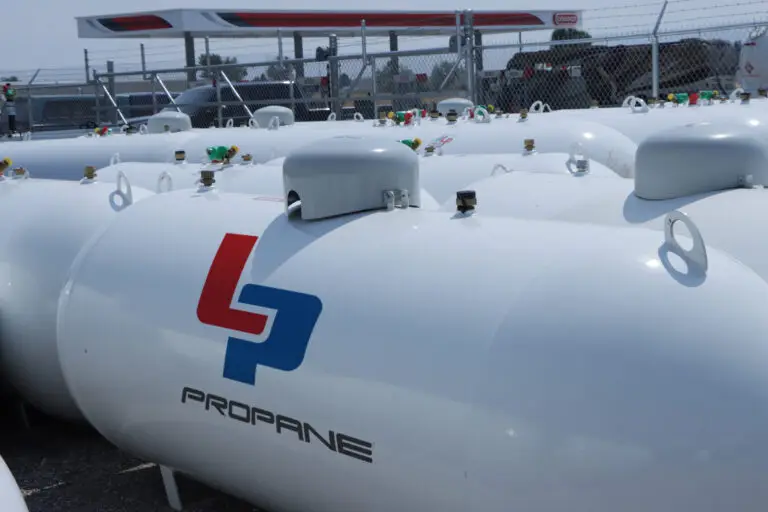
Propane acts as the heat source that powers the absorption cycle in these refrigerators. When you ignite propane, it produces a consistent flame that heats the ammonia-water mixture inside the fridge.
This steady heat is crucial because fluctuations can reduce cooling efficiency. Propane’s portability and availability make it a practical fuel choice for remote areas or mobile living.
Have you ever noticed how propane refrigerators keep working during power outages? That’s because propane doesn’t rely on electricity, allowing you to keep your food fresh no matter the situation.

Credit: www.searshomeservices.com
Key Components
Understanding the key components of a propane refrigerator helps you see how it cools without electricity. Each part plays a vital role in the cooling cycle, working together to keep your food fresh. Let’s look closely at these parts and how they function.
Heat Source And Burner
The heat source in a propane refrigerator is usually a small burner fueled by propane gas. When you light this burner, it creates a steady flame that heats the system.
This heat starts the cooling process by causing the refrigerant to evaporate. Without the burner, the cycle can’t begin, making it the heart of the refrigerator.
Generator And Condenser
The generator heats the refrigerant, turning it into a gas. This gas then travels to the condenser, where it cools down and changes back into a liquid.
Think of the condenser as a radiator that releases heat from the refrigerant into the air. Both parts work together to prepare the refrigerant for the next stage of cooling.
Evaporator And Absorber
The evaporator is where the cooling actually happens. The liquid refrigerant absorbs heat inside the fridge, turning back into gas and lowering the temperature.
Next, the absorber takes this gas and mixes it with a special solution to restart the cycle. These two parts keep the fridge cold without needing a compressor or electricity.
Step-by-step Cooling Process
The cooling process in a propane refrigerator is simple yet effective. It uses heat instead of electricity to make the fridge cold. The system moves a special liquid called refrigerant through different stages. This movement cools the inside of the fridge and keeps your food fresh.
Heating The Refrigerant
The propane flame heats a container with the refrigerant inside. Heat causes the refrigerant to turn into gas. This change is important for the cooling cycle to start. The flame is steady and keeps the temperature constant.
Condensation And Expansion
The hot gas moves to a condenser coil outside the fridge. Here, the gas cools down and becomes a liquid again. Pressure drops as the liquid passes through a small valve. This expansion makes the liquid very cold and ready to absorb heat.
Evaporation And Heat Absorption
The cold liquid enters the evaporator inside the fridge. It absorbs heat from the fridge’s interior and turns back into gas. This removes warmth from inside and cools the fridge. The gas then returns to the heater to repeat the cycle.
Advantages Of Propane Refrigerators
Propane refrigerators offer unique benefits compared to electric models. They provide efficient cooling without relying on electricity. This makes them ideal for various situations and locations.
Energy Efficiency
Propane refrigerators use less energy than traditional electric ones. They run on propane gas, which burns efficiently. This reduces overall energy consumption and saves money on power bills. They keep food cold using minimal fuel, making them eco-friendly and cost-effective.
Silent Operation
These refrigerators run quietly because they have no compressor or motor. No loud humming or buzzing sounds disturb your peace. This silent operation is perfect for quiet environments like cabins or RVs. It creates a calm atmosphere without constant noise.
Off-grid Usability
Propane refrigerators work without electricity, perfect for off-grid living. They keep food fresh in remote areas without power supply. This makes them ideal for camping, cabins, and emergency preparedness. Reliable cooling is available anywhere, anytime, without electric dependence.
Common Applications
Propane refrigerators stand out for their ability to operate without electricity, making them highly versatile in various situations. Their unique cooling system relies on propane gas, which fuels the absorption refrigeration cycle. This characteristic allows them to function in places where traditional electric refrigerators cannot, opening up a range of practical uses.
Camping And Rv Use
When you take your RV or camper off the grid, keeping food fresh can be a challenge. Propane refrigerators solve this by running silently and efficiently without needing hookups or noisy generators.
Imagine waking up in the wilderness with a cold drink right at your fingertips. These fridges make that possible, providing you with the convenience of modern refrigeration while you enjoy nature.
Remote Locations
Living or working in remote areas often means limited or no access to reliable electricity. Propane refrigerators become essential tools in such environments, keeping perishables safe and medicines effective.
Whether it’s a cabin deep in the woods or a field research station, these refrigerators operate independently from the grid. Have you ever wondered how researchers keep samples fresh miles away from the nearest power source? This technology is the answer.
Emergency Situations
Power outages can strike unexpectedly, putting your food at risk of spoiling. A propane refrigerator ensures your essentials stay cool, even when the electricity fails.
Many households keep one on hand as a backup during storms or natural disasters. It’s a simple way to maintain peace of mind and protect your supplies without relying on generators or batteries.
Maintenance Tips
Proper maintenance keeps your propane refrigerator running smoothly. Regular care improves efficiency and extends its life. Small actions prevent costly repairs and ensure safety.
Cleaning Burners
Burners can gather dust and soot over time. Clean them gently using a soft brush or cloth. Avoid water contact to prevent rust and damage. Clear any blockages to maintain a strong flame. A clean burner helps the fridge cool evenly and saves fuel.
Checking Seals And Insulation
Seals keep cold air inside the fridge. Check door seals for cracks or gaps. Replace damaged seals to stop cold air leaks. Inspect insulation inside the fridge walls too. Proper insulation keeps the temperature steady and saves energy.
Regular Inspection
Look over the refrigerator often for any problems. Check gas connections for leaks or wear. Make sure the fridge stands level to work correctly. Listen for unusual sounds that could signal trouble. Early detection avoids bigger issues and keeps the fridge reliable.
Credit: liquidpropane.com
Frequently Asked Questions
How Does A Propane Refrigerator Cool Without Electricity?
A propane refrigerator cools through absorption cooling. It uses propane flame heat to circulate a refrigerant solution. This process absorbs heat from inside, keeping the fridge cold without electricity.
What Are The Main Parts Of A Propane Refrigerator?
The main parts include the burner, absorber, generator, condenser, and evaporator. These components work together to create the cooling effect using propane fuel.
Is A Propane Refrigerator Energy Efficient?
Yes, propane refrigerators are energy efficient for off-grid use. They use minimal fuel and no electricity, making them ideal for remote or mobile living.
Can Propane Refrigerators Work During Power Outages?
Yes, propane refrigerators operate independently of electricity. They keep food cold during power outages, using propane gas as their energy source.
Conclusion
A propane refrigerator uses heat to cool without electricity. It runs quietly and works well in remote places. The propane gas heats the system, moving the cooling liquid inside. This simple process keeps food fresh and drinks cold. Many campers and travelers trust propane refrigerators for this reason.
Now you understand how this useful appliance works. It offers a reliable cooling option where power is limited. A smart choice for off-grid living and outdoor fun.