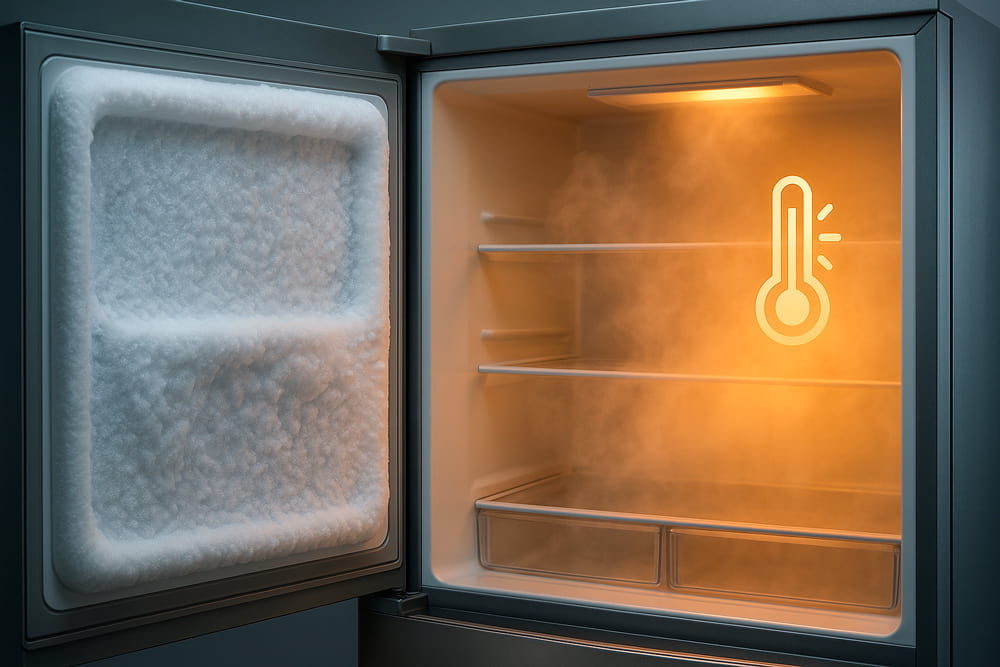
Have you ever opened your refrigerator, expecting to find your favorite snacks chilled to perfection, only to discover they’re warmer than they should be? Meanwhile, your freezer is doing its job just fine, keeping everything frozen solid.
This puzzling scenario can leave you scratching your head, wondering why your refrigerator isn’t keeping up its end of the bargain. You’re not alone in this dilemma, and the answer might be simpler than you think. We’ll delve into the reasons behind this common issue and guide you through the steps to get your fridge back to optimal performance.
Stick with us, and you’ll soon understand why this problem occurs and how to fix it, ensuring your food stays fresh and your worries melt away.
Common Causes For Fridge Issues
When your freezer is running smoothly but the refrigerator section isn’t cooling, it can be puzzling and frustrating. Several common issues might cause this problem, and understanding them can help you troubleshoot effectively. Let’s look at some frequent culprits behind fridge troubles that you can check without calling a technician right away.
Blocked Air Vents
The cold air from the freezer needs to flow freely into the fridge through air vents. If these vents are blocked by food items or ice buildup, your fridge won’t get enough cold air. Take a moment to rearrange items and clear any frost near the vents; this often restores proper airflow.
Faulty Evaporator Fan
The evaporator fan moves cold air from the freezer into the refrigerator. If this fan stops working, you’ll notice the freezer stays cold, but the fridge warms up. You can listen closely for the fan’s sound when the fridge door is closed—no noise might mean it’s time for a replacement.
Dirty Condenser Coils
Condenser coils release heat from your fridge, helping it cool efficiently. Dust and dirt buildup on these coils force the unit to work harder and may cause uneven cooling. Cleaning the coils with a brush or vacuum every few months can improve performance and prevent fridge issues.
Temperature Control Problems
The thermostat or temperature control board regulates how cold your fridge gets. If it malfunctions, your fridge might not cool properly even if the freezer is fine. Check your fridge settings first—sometimes a simple reset or adjustment solves the problem without needing repairs.

Credit: www.angi.com
How Freezer And Fridge Cooling Work
The freezer and refrigerator inside a fridge work together but cool differently. Understanding their cooling process helps explain why the freezer might work, but the fridge does not. Both compartments depend on a shared cooling system, but each has unique parts and functions.
Role Of The Evaporator
The evaporator is a key cooling part inside the fridge. It absorbs heat from the fridge and freezer compartments. Cold refrigerant flows through the evaporator coils. As warm air passes over these coils, heat moves into the refrigerant. This process cools the air inside the compartments.
Air Circulation Between Compartments
Cold air moves from the freezer to the fridge through vents. A fan helps push this cold air into the refrigerator area. Proper air flow keeps the fridge temperature cool. If air flow is blocked, the fridge may not get enough cold air, causing it to warm up.
Thermostat And Sensors
Thermostats control the temperature in both compartments. Sensors detect the current temperature and send signals to the cooling system. If a thermostat or sensor fails, the fridge may not cool properly. This can cause the freezer to work but the fridge to stay warm.
Quick Fixes To Try
When the freezer works but the refrigerator does not, quick fixes can help. These simple actions often resolve common problems. Try these easy steps before calling a professional.
Unblock Air Vents
Air vents allow cold air to flow from the freezer to the fridge. Blocked vents stop this airflow. Remove items that might be blocking these vents. Clear any ice buildup around the vents carefully. This helps the fridge cool properly again.
Clean Condenser Coils
Dirty condenser coils make the fridge work harder. This can cause cooling issues. Find the coils, usually at the back or underneath. Use a brush or vacuum to remove dust and dirt. Clean coils improve cooling efficiency and reduce energy use.
Reset Temperature Settings
Incorrect temperature settings might cause cooling problems. Check the fridge and freezer temperature controls. Set the fridge temperature between 37°F and 40°F (3°C to 4°C). The freezer should be at 0°F (-18°C). Adjust settings and wait several hours to see results.
Check Door Seals
Damaged door seals let cold air escape. This makes the fridge less cold. Inspect seals for cracks or gaps. Clean seals with warm, soapy water to remove dirt. Replace seals if they are broken to keep the cold air inside.

Credit: mqapplianceservices.ca
When To Call A Professional
Knowing when to call a professional is key to fixing your fridge issues safely. Some problems need expert tools and skills. Trying to fix these yourself can cause more damage or risk your safety.
Watch for signs that the problem is more than a simple fix. A professional can diagnose and repair complex issues quickly. This saves time and prevents food spoilage.
Persistent Cooling Problems
If your refrigerator keeps losing cool air despite cleaning and setting adjustments, call a technician. Persistent cooling issues often indicate deeper mechanical or electrical faults. Professionals can check parts like fans, thermostats, and defrost systems for hidden problems.
Electrical Or Compressor Issues
Strange noises, frequent shutting off, or a lack of cold air may signal electrical or compressor troubles. These parts require careful handling and specialized repair tools. A professional ensures safe testing and replacement to restore proper function.
Refrigerant Leaks
Refrigerant leaks cause uneven cooling and can harm the environment. Detecting and fixing leaks needs proper equipment and knowledge. A certified technician will locate leaks and recharge the system safely, ensuring your fridge runs efficiently again.
Preventive Tips For Both Compartments
Keeping both freezer and refrigerator compartments in good shape prevents many common problems. Simple care routines help your appliance work efficiently. These tips extend the life of your fridge and avoid uneven cooling.
Regular Cleaning
Clean the interior surfaces often. Wipe spills quickly to stop mold and odors. Remove frost build-up in the freezer to improve cooling. Clean the door seals gently to maintain a tight closure. Dust the coils behind or under the unit every few months. This helps the appliance cool better and saves energy.
Proper Loading Practices
Do not overload the compartments. Air must flow freely for even cooling. Place items away from air vents inside the fridge and freezer. Store hot food only after it cools down to avoid temperature rise. Keep similar items together for easy access. Avoid blocking the door seals with large containers.
Routine Maintenance Checks
Check the temperature settings regularly. The fridge should be between 37°F and 40°F (3°C to 4°C). The freezer should stay at 0°F (-18°C). Inspect the door seals for cracks or wear. Replace faulty seals to keep cold air inside. Listen for unusual noises that could mean a problem. Schedule professional service if you notice strange behavior.

Credit: www.whirlpool.com
Frequently Asked Questions
Why Is My Freezer Cold But Refrigerator Warm?
This happens when the refrigerator’s evaporator fan fails. The fan moves cold air from the freezer to the fridge. If it breaks, the freezer stays cold, but the fridge warms up.
Can A Faulty Thermostat Cause Fridge Cooling Issues?
Yes, a malfunctioning thermostat can stop the fridge from cooling. It controls temperature by signaling the compressor. If it fails, the fridge won’t get cold, but the freezer may still work.
How Does A Blocked Air Vent Affect Fridge Cooling?
Blocked air vents prevent cold air from circulating from freezer to fridge. This causes the freezer to stay cold but leaves the refrigerator warm. Clearing vents restores proper airflow and cooling.
Could A Broken Defrost System Cause Fridge Warming?
Yes, if the defrost system fails, ice builds up on coils. This blocks airflow to the refrigerator. The freezer remains cold, but the fridge warms up due to poor air circulation.
Conclusion
A freezer working but the refrigerator not cooling can be puzzling. Common causes include blocked vents, faulty fans, or temperature control issues. Checking these parts can often solve the problem. Regular cleaning and maintenance help keep both sections running well.
Don’t ignore strange noises or frost build-up. Small fixes prevent bigger costs later. Understanding these basics makes troubleshooting easier and saves time. Your fridge and freezer should work together smoothly to keep food fresh. Keep an eye on performance to avoid surprises.