Wondering exactly how much refrigerant your system needs? You’re not alone.
Getting the right amount of refrigerant is crucial for your cooling system’s efficiency and your comfort. Too little, and your system struggles to keep things cool. Too much, and you’re at risk of damaging your equipment. But don’t worry, figuring this out isn’t as complicated as it sounds.
You’ll discover the perfect balance needed for optimal performance. Stick around, and by the end, you’ll feel confident in managing your system like a pro. Ready to dive in? Let’s get started!

Credit: www.achrnews.com
Types Of Refrigerants
Understanding the different types of refrigerants is key to determining how much you need for your system. Refrigerants vary not only in their chemical makeup but also in their efficiency and environmental effects. Knowing these differences can help you make better decisions for your cooling needs and the planet.
Common Refrigerant Varieties
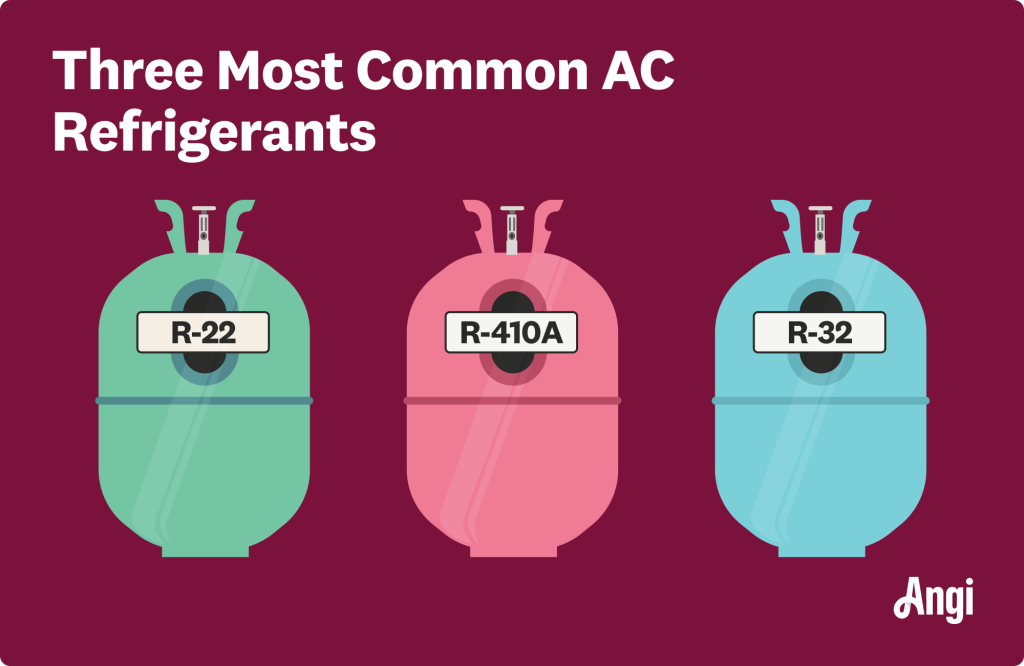
There are several types of refrigerants commonly used in air conditioning and refrigeration systems. Some of the most popular include:
- R-22:Once very common, but now being phased out due to environmental concerns.
- R-410A:A popular replacement for R-22, known for better efficiency and less ozone depletion.
- R-134a:Widely used in automotive air conditioning and refrigeration.
- R-32:Gaining popularity for its high efficiency and lower global warming potential.
Each refrigerant has specific properties that affect how much you need and how your system performs.
Environmental Impact
Refrigerants differ greatly in how they affect the environment. Some, like R-22, contribute to ozone layer depletion, while others mainly impact global warming.
Newer refrigerants aim to reduce these effects, but none are completely harmless. You might ask yourself: are you willing to prioritize environmental safety when choosing a refrigerant?
Using the right type and amount can minimize your carbon footprint and comply with regulations.
Choosing The Right Refrigerant
Picking the right refrigerant depends on your system type, efficiency needs, and environmental concerns. Your system manufacturer often recommends the best refrigerant type and quantity.
Check your equipment’s specifications before adding refrigerant. Overcharging or undercharging can damage your system and reduce efficiency.
Think about long-term costs and environmental impact, not just upfront price. Your choice affects performance, safety, and the planet for years to come.
Factors Affecting Refrigerant Amount
Determining the right amount of refrigerant for your system isn’t just about filling it up until it looks full. Several key factors influence how much refrigerant your system actually needs. Understanding these factors helps avoid common mistakes like overcharging or undercharging, which can impact performance and efficiency.
System Size And Design
The size and design of your refrigeration or air conditioning system play a major role in how much refrigerant it requires. Larger systems naturally need more refrigerant to circulate through their coils and pipes.
Think about the length of the refrigerant lines and the volume of the evaporator and condenser coils. For example, a central air conditioning unit in a large home will need more refrigerant than a small window AC unit. Manufacturers usually specify the ideal refrigerant charge based on these design factors.
Operating Conditions
Your system’s operating conditions also affect refrigerant requirements. Higher ambient temperatures or extreme weather can change how the refrigerant behaves inside the system.
Have you noticed your AC struggling more on hot days? That’s because the refrigerant needs to work harder, and sometimes adjusting the charge slightly can improve performance. Pressure levels, temperature, and humidity all impact how much refrigerant is optimal.
Leakage And Maintenance
Leaks are a common issue that directly reduce the amount of refrigerant in your system. Even small leaks can cause significant drops over time, affecting cooling efficiency and system health.
Regular maintenance helps detect and fix leaks early. If you’ve ever had to recharge refrigerant frequently, it’s a sign your system might be losing refrigerant somewhere. Keeping your system sealed and well-maintained ensures it operates with the correct refrigerant amount consistently.
Calculating Refrigerant Charge
Calculating the correct refrigerant charge is essential for your cooling system’s efficiency and longevity. Too much or too little refrigerant can cause your system to perform poorly or even break down. Understanding how to accurately measure and add refrigerant helps you avoid costly repairs and keeps your environment comfortable.
Manufacturer Specifications
Your first stop should always be the manufacturer’s specifications. These guidelines provide the exact refrigerant charge needed for your specific unit. You can usually find this information on the unit’s nameplate or in the user manual.
Pay close attention to the recommended refrigerant type and amount. Using the wrong refrigerant or incorrect volume can damage the system or void warranties. Have you checked your unit’s documentation lately? It might hold the key to optimal performance.
Using Charging Charts
Charging charts are valuable tools that detail refrigerant amounts based on system pressure and temperature. They help you adjust the refrigerant charge according to the current operating conditions. These charts often accompany refrigerant cylinders or can be found online.
By matching your system’s pressure readings to the chart, you can determine how much refrigerant to add or remove. This method gives you a more precise approach than just relying on static specifications. Do you have access to accurate pressure gauges? They’re critical for this process.
Weighing And Measuring Techniques
Weighing refrigerant is one of the most accurate methods to ensure the correct charge. Use a refrigerant scale to measure the exact amount of refrigerant being added or removed. This approach eliminates guesswork and avoids overcharging.
Always zero out the scale before starting and add refrigerant slowly while monitoring the scale. Combine this with pressure readings for the best results. Have you ever tried adding refrigerant without weighing? You might be surprised how easily mistakes happen.
Tools For Accurate Charging
Getting the right amount of refrigerant into your system isn’t just about guessing or eyeballing. Using the right tools ensures your charging is precise and your equipment runs efficiently. Let’s look at the essential tools that can help you achieve accurate refrigerant charging every time.
Pressure Gauges
Pressure gauges are a basic yet crucial tool for measuring the pressure inside your refrigeration system. They help you understand if the refrigerant level is too high or too low by comparing the pressure readings to manufacturer specifications.
Using pressure gauges correctly can prevent costly damage. Have you ever tried charging without them and ended up with a system that doesn’t cool properly? This tool saves you from that guesswork.
Electronic Scales
Electronic scales are your best friend when it comes to measuring the exact weight of refrigerant added to the system. They eliminate the risk of overcharging or undercharging, which can harm your equipment and increase energy costs.
Weighing refrigerant ensures accuracy down to the ounce or gram. Think about how much easier it is to trust the process when you see the precise amount you’re adding.
Leak Detectors
Leak detectors aren’t just for finding leaks after charging—they’re essential before and during the process to ensure no refrigerant escapes. Detecting leaks early helps maintain system efficiency and protects the environment.
Have you ever noticed your system losing refrigerant without knowing why? A leak detector gives you peace of mind by spotting problems that aren’t visible to the eye.
Common Charging Methods
Understanding how to properly charge your AC or refrigeration system with the right amount of refrigerant is crucial for its efficiency and longevity. There are several common charging methods used by technicians to ensure the system operates optimally. Each method has its own advantages and best-use scenarios, so knowing how they work can help you decide which approach fits your situation.
Weigh-in Method
The weigh-in method involves adding refrigerant based on the manufacturer’s specified charge weight. You start by emptying the system if necessary, then use a scale to measure the exact amount of refrigerant as you add it.
This method is very precise because it relies on known quantities rather than guesswork. However, it requires having the system’s charge specifications and a reliable scale. Have you ever tried charging without a scale and ended up guessing? That’s a quick way to waste refrigerant or harm your system.
Superheat And Subcooling
Superheat and subcooling are temperature-based methods that help you fine-tune the refrigerant charge. Superheat refers to the temperature of the refrigerant vapor above its boiling point, while subcooling measures how much the liquid refrigerant is cooled below its condensation temperature.
By measuring these values at specific points in the system, you can tell if there’s too much or too little refrigerant. This method is more dynamic and adapts to system operating conditions. It’s especially helpful in systems where the exact charge weight is unknown or where environmental factors vary.
Charging By Pressure
Charging by pressure means adding refrigerant until the system’s pressure matches a target value based on temperature charts. This method uses pressure gauges to monitor the system’s suction and discharge pressures as you add refrigerant.
While it’s quick and doesn’t require specialized tools beyond gauges, it can be less accurate because pressure can fluctuate due to ambient temperature or system load. Have you noticed pressure readings that don’t seem to match the system’s performance? That’s why pressure-based charging often works best when combined with other methods for confirmation.

Credit: www.lochardplumbingheatingandcooling.com
Signs Of Incorrect Refrigerant Levels
Incorrect refrigerant levels can seriously affect your cooling system’s performance and lifespan. Spotting the signs early helps you avoid costly repairs and keep your home comfortable. Let’s look at the common signals that your system might be low or overcharged with refrigerant.
Performance Issues
If your air conditioner or fridge isn’t cooling as well as before, refrigerant levels might be the culprit. You may notice longer cooling cycles or uneven temperatures in different rooms. Strange noises like hissing or bubbling can also point to refrigerant leaks or blockages.
Have you ever felt the air conditioner blowing warm air when it should be cold? That’s a clear sign your refrigerant might be low. Acting quickly can prevent the problem from worsening.
System Damage Risks
Incorrect refrigerant levels don’t just affect comfort—they can damage your cooling system. Low refrigerant causes the compressor to overheat, risking expensive breakdowns. Too much refrigerant increases pressure, which can lead to leaks or even component failure.
Think about the last time you ignored a warning sign from your AC. Did it end up costing more to fix later? Protect your investment by checking refrigerant levels regularly.
Energy Efficiency Concerns
When refrigerant isn’t balanced, your system works harder to maintain temperature. This extra effort means higher energy bills and wasted electricity. You might notice your utility costs rising without any change in usage habits.
Would you like to save money each month without sacrificing comfort? Maintaining proper refrigerant levels is a simple step that improves efficiency and lowers bills.
Safety Precautions During Charging
Charging your air conditioning system with the right amount of refrigerant is crucial, but it’s equally important to focus on safety during the process. Handling refrigerants without proper precautions can lead to serious health risks and environmental damage. You need to be aware of the best practices to protect yourself and the environment while charging.
Handling Refrigerants Safely
Refrigerants are chemicals that can cause frostbite or respiratory issues if mishandled. Always work in a well-ventilated area to avoid inhaling harmful fumes. Avoid releasing refrigerants into the air, as this can damage the ozone layer and contribute to climate change.
Have you ever thought about how even a small leak can impact both your health and the planet? That’s why using leak detectors before charging is essential to find and fix leaks early.
Protective Gear
Wearing the right protective gear can prevent injuries during charging. Use gloves made of nitrile or neoprene to protect your skin from direct contact with refrigerants. Safety goggles are a must to shield your eyes from splashes and vapor.
A face mask or respirator helps reduce the risk of inhaling toxic gases, especially in enclosed spaces. Don’t underestimate the importance of these simple tools—they can save you from serious harm.
Environmental Regulations
Different countries have strict rules about handling and disposing of refrigerants. Make sure you understand local regulations before starting any charging job. This not only keeps you compliant but also helps protect the environment.
Did you know that certain refrigerants are banned or restricted in many places? Using approved refrigerants and properly recovering old ones prevents legal issues and reduces your carbon footprint.

Credit: refrigerantscenter.com
Troubleshooting Charging Problems
Troubleshooting charging problems in your air conditioning or refrigeration system helps maintain efficiency. Proper refrigerant levels ensure the system cools effectively and saves energy. Identifying issues early prevents costly repairs and extends equipment life.
Identifying Leaks
Leaks cause low refrigerant levels and poor cooling. Look for oily spots or frost on pipes and connections. Listen for hissing sounds near the unit. Use a leak detector for precise checks. Small leaks can worsen over time and reduce system performance.
Adjusting Charge Levels
Too much or too little refrigerant harms the system. Follow manufacturer guidelines for correct amounts. Use gauges to measure pressure and temperature accurately. Add refrigerant slowly, checking system response. Removing excess refrigerant also requires care to avoid damage.
When To Call A Professional
Complex issues need expert attention. If leaks are hard to find or fix, call a technician. Professionals have tools to recharge and repair safely. Incorrect handling of refrigerants can cause harm or void warranties. Trust trained experts for reliable and safe service.
Frequently Asked Questions
How Do I Calculate Refrigerant Amount Needed?
Calculate refrigerant by checking the appliance’s specifications. Use the manufacturer’s guidelines for capacity and refrigerant type. Measure the system’s pipe length and add refrigerant accordingly. Always use exact amounts to ensure efficiency and avoid damage.
What Factors Affect Refrigerant Quantity Required?
Refrigerant needs depend on system size, pipe length, and cooling capacity. Temperature conditions and system design also influence the amount. Proper calculation prevents overcharging or undercharging, which can harm performance and longevity.
Can I Add Refrigerant Without Measuring?
No, adding refrigerant without measuring risks system damage. Overcharging reduces efficiency and causes compressor stress. Undercharging leads to poor cooling and potential system failure. Always measure and follow manufacturer instructions carefully.
How Often Should Refrigerant Levels Be Checked?
Check refrigerant levels annually during routine maintenance. Early detection of leaks or low levels improves system lifespan. Regular checks ensure optimal performance and energy efficiency. Hire a professional for accurate assessment and servicing.
Conclusion
Knowing the right amount of refrigerant keeps your system working well. Too little or too much can cause problems. Always check your equipment’s manual for exact amounts. Using the right tools helps measure refrigerant safely. If unsure, ask a professional to avoid damage.
Proper refrigerant levels save energy and money in the long run. Keep your cooling system healthy by staying informed. A little care goes a long way.