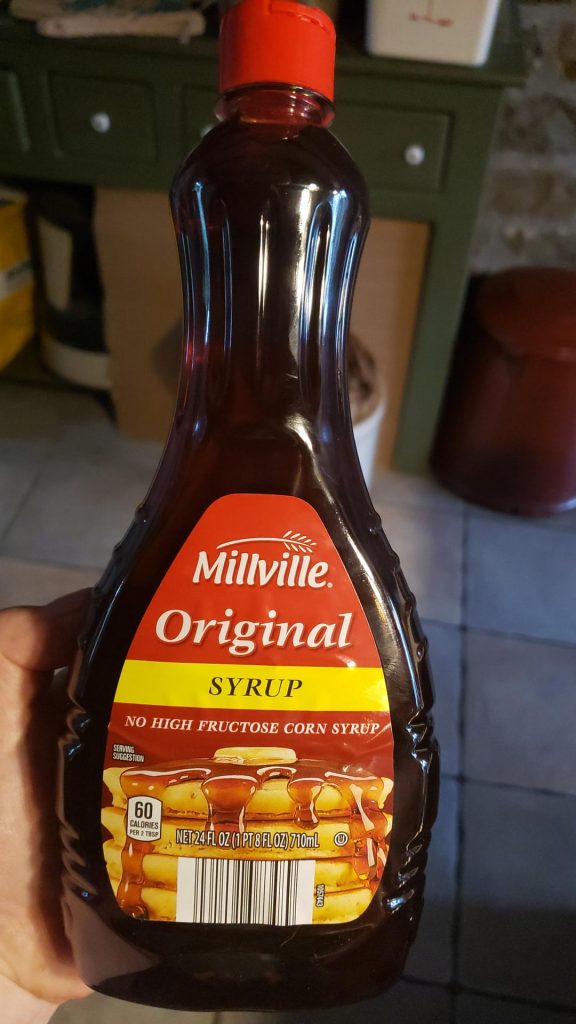
Have you ever found yourself standing in your kitchen, staring at a bottle of corn syrup and wondering whether it belongs in the fridge or the pantry? You’re not alone.
This common household item often raises questions about proper storage. Does refrigeration extend its shelf life, or is it just taking up unnecessary space in your fridge? Understanding the right way to store corn syrup not only preserves its quality but also ensures your homemade treats taste their best.
Stay with us as we uncover the facts about corn syrup storage, helping you make informed decisions for your kitchen and your culinary creations.
Shelf Life Of Corn Syrup
Understanding the shelf life of corn syrup is essential to keep it safe and effective for your recipes. How long corn syrup lasts depends largely on whether it has been opened or not. Proper storage plays a key role in maintaining its quality over time.
Unopened Corn Syrup Duration
Unopened corn syrup can last quite a long time, often up to a year or more. Manufacturers usually provide a “best by” date on the label, which is a helpful guideline. If stored in a cool, dry place away from direct sunlight, the syrup maintains its flavor and consistency well beyond that date in many cases.
Have you ever found a forgotten bottle of syrup in your pantry and wondered if it’s still good? Chances are, if the bottle is sealed and looks normal, it’s still safe to use.
Opened Corn Syrup Longevity
Once opened, corn syrup should be used within about 6 to 12 months for the best quality. Air exposure can cause it to thicken or crystallize over time, though this doesn’t necessarily mean it’s spoiled. Storing it tightly sealed in a cool place slows down these changes.
If you notice any off smell, mold, or discoloration, it’s time to discard the syrup. Have you checked the condition of your opened corn syrup lately? Keeping an eye on these signs can save you from using spoiled ingredients in your cooking.
Credit: www.brookshires.com
Storage Conditions For Corn Syrup
Proper storage is key to keeping corn syrup fresh and safe to use. Understanding the right conditions helps maintain its quality. Corn syrup has a high sugar content that helps preserve it naturally. Still, knowing how to store it prevents spoilage and contamination. Let’s explore the best ways to store corn syrup.
Room Temperature Storage
Corn syrup can be safely stored at room temperature. Keep it in a cool, dry place away from direct sunlight. A pantry or kitchen cabinet works well. Make sure the container is tightly sealed to keep air out. This prevents the syrup from drying or crystallizing. Room temperature storage is convenient and effective for short-term use.
Refrigeration Benefits
Refrigerating corn syrup can extend its shelf life. Cooler temperatures slow down any microbial growth. This is useful if you do not use syrup often. Refrigeration helps keep the syrup smooth and prevents separation. Always seal the container tightly before placing it in the fridge. Refrigeration is best for long-term storage or opened bottles.
Avoiding Contamination
Prevent contamination by using clean utensils every time. Never dip fingers or dirty spoons into the syrup. This keeps bacteria and mold from growing. Store syrup in its original container or a clean, airtight jar. Avoid exposing the syrup to moisture or other food items. Proper hygiene helps maintain the syrup’s quality and safety.
Signs Of Spoiled Corn Syrup
Knowing the signs of spoiled corn syrup can save you from using a product that might affect the taste and safety of your food. Corn syrup doesn’t spoil quickly, but it can go bad over time, especially if not stored properly. Keep an eye out for subtle changes that tell you it’s time to toss that bottle.
Changes In Appearance
Fresh corn syrup usually has a clear, golden color and smooth texture. If you notice it becoming cloudy, thickened, or developing lumps, these are red flags. Sometimes, a sticky crust or mold can form around the edges or on the surface, which means spoilage has started.
Have you ever opened a syrup bottle only to find it separated or crystallized? While some crystallization can be reversed by gentle warming, persistent changes in consistency often indicate the syrup has gone bad. Don’t ignore these visual cues—they’re your first line of defense.
Off Smell Or Taste
Corn syrup should have a mild, sweet smell. If it suddenly smells sour, fermented, or just “off,” it’s a clear sign of spoilage. Tasting a small amount can also help, but be cautious—if it tastes bitter or sour, spit it out and discard the syrup immediately.
Trust your senses here. Sometimes the smell changes before any visible signs appear, giving you an early warning. Would you want to risk ruining your recipe or health by using syrup that doesn’t smell right?

Credit: www.amazon.com
Tips For Prolonging Freshness
Keeping corn syrup fresh helps maintain its taste and texture. Proper care extends its shelf life and prevents spoilage. Simple habits protect corn syrup from air, moisture, and contamination. Below are easy tips to keep corn syrup fresh longer.
Proper Sealing Techniques
Seal the corn syrup container tightly after each use. Use the original cap or lid for a secure fit. Avoid leaving the container open or loosely closed. Store corn syrup in a cool, dry place away from direct sunlight. Consider transferring syrup to an airtight jar for better protection.
Using Clean Utensils
Always use clean spoons or measuring cups to scoop syrup. Avoid dipping utensils that have touched other foods. This prevents bacteria and mold from growing inside the container. Wipe the container’s rim before closing to remove any residue. Clean utensils help keep corn syrup pure and safe to use.
Comparing Corn Syrup With Other Sweeteners
Understanding how to store different sweeteners can save you money and keep your ingredients fresh longer. Corn syrup often sparks questions about refrigeration, but what about other sweeteners like honey and maple syrup? Comparing their storage needs helps you decide how to handle each one in your kitchen.
Honey Storage Tips
Honey is naturally resistant to spoilage thanks to its low moisture content and acidity. You don’t need to refrigerate honey; storing it in a cool, dry place away from direct sunlight is enough.
If your honey crystallizes, don’t worry—it’s still good. You can gently warm the jar in warm water to return it to a liquid state without losing flavor or quality.
Maple Syrup Storage Tips
Pure maple syrup needs refrigeration after opening to prevent mold growth. Before opening, keep it in a cool, dark cupboard to maintain its flavor and quality.
If you notice mold on maple syrup, you can skim it off and boil the syrup before refrigerating it again. This simple step can extend its shelf life and save you from wasting syrup.

Credit: www.amazon.com
Frequently Asked Questions
Does Corn Syrup Require Refrigeration After Opening?
No, corn syrup does not require refrigeration after opening. It is shelf-stable due to its high sugar content, which prevents bacterial growth. Store it in a cool, dry place with a tightly sealed lid to maintain freshness and prevent contamination.
How Long Does Corn Syrup Last Without Refrigeration?
Corn syrup can last for up to 1 year without refrigeration if stored properly. Keep it sealed in a cool, dry environment away from direct sunlight to maintain its quality and prevent spoilage.
Can Corn Syrup Spoil If Not Refrigerated?
Corn syrup rarely spoils if not refrigerated because of its high sugar concentration. However, exposure to moisture or contaminants can cause mold or fermentation, so proper storage in a sealed container is essential.
Is Refrigeration Necessary For Homemade Corn Syrup?
Refrigeration is not necessary for homemade corn syrup if stored properly in an airtight container. Keep it in a cool, dry place to extend its shelf life and avoid moisture exposure that could cause spoilage.
Conclusion
Corn syrup does not always need refrigeration. Keep it in a cool, dry place instead. Make sure the lid is tightly closed. This helps stop moisture and germs from getting in. Refrigeration can make syrup thicker and harder to pour.
Always check the label for storage instructions. Proper storage keeps the syrup fresh and safe. Use your syrup within the recommended time. This way, you enjoy its best taste and quality. Simple care helps your syrup last longer. Easy to do and worth the effort.