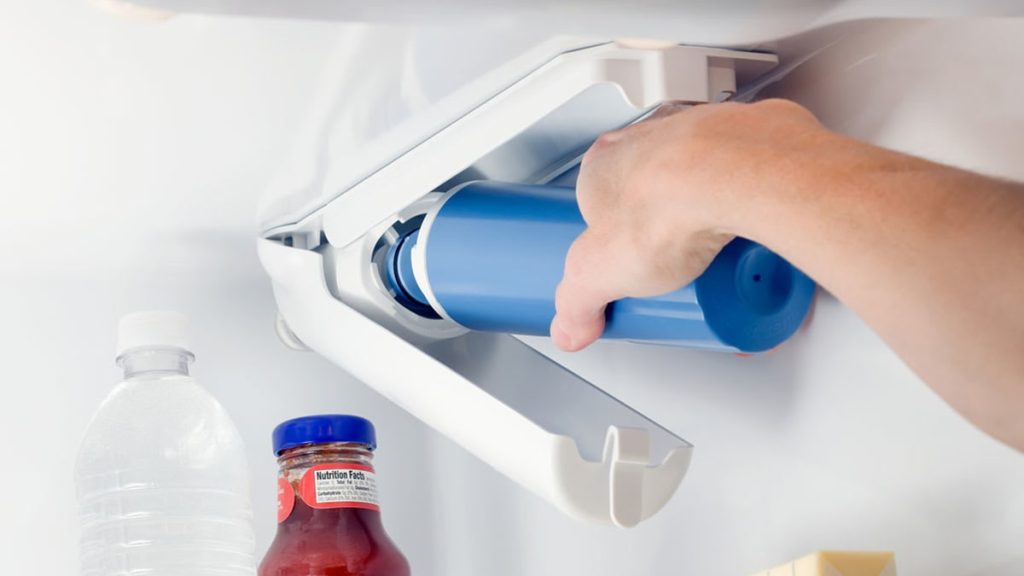
Have you ever stopped to think about the water that flows from your refrigerator? You probably use it every day, but do you know what makes it clean and safe for drinking?
The secret lies in the refrigerator’s water filter. Understanding what a water filter does can make a big difference in your daily life. Imagine sipping on a glass of water that’s not only crystal clear but also free from contaminants.
Wouldn’t that be reassuring? By the end of this article, you’ll discover how this small yet mighty component works to protect you and your family’s health. Stay with us to unlock the hidden magic behind your refrigerator’s water filter and why it’s essential for your peace of mind.
Role Of A Refrigerator Water Filter
The role of a refrigerator water filter goes beyond just making your water clearer. It acts as a guardian for your health, taste buds, and the appliance itself. Understanding its functions helps you appreciate why regular replacement is essential for quality water and a long-lasting fridge.
Removing Contaminants
Water filters trap impurities like chlorine, lead, and sediments that might be lurking in your tap water. This filtration reduces the risk of consuming harmful substances. Have you ever wondered what invisible particles could be in your drinking water?
By capturing these contaminants, the filter ensures you get cleaner water straight from your fridge. This is especially important if you live in areas with hard or untreated water sources.
Improving Taste And Odor
Chlorine and other chemicals can give your water a strange taste or smell. A good water filter removes these elements, making your water taste fresh and pure. You might notice the difference when filling your glass or making ice cubes.
Imagine pouring a glass of water that doesn’t taste or smell off—this simple change can encourage you to drink more water daily. Isn’t that a great way to stay hydrated without added flavors or sugars?
Protecting Appliance Components
Water filters also protect your refrigerator’s internal parts from damage caused by mineral buildup and sediments. This can help prevent clogs and extend the life of your water dispenser and ice maker.
Think about how much you rely on your fridge’s water features. Keeping the internal components free from debris means fewer repairs and a smoother operation overall.
Types Of Refrigerator Water Filters
Refrigerator water filters come in different types. Each type cleans water in its own way. Choosing the right filter helps improve water taste and safety. Understanding these types helps you pick the best filter for your needs.
Carbon Filters
Carbon filters use activated carbon to remove impurities. They reduce chlorine, bad taste, and odors in water. These filters also catch some chemicals and sediments. Many refrigerators use carbon filters because they work well and cost less. They need regular replacement to stay effective.
Reverse Osmosis Filters
Reverse osmosis filters push water through a thin membrane. This removes many contaminants like lead, arsenic, and fluoride. They provide very pure water but may slow down water flow. These filters often come with a storage tank. They need professional installation and more maintenance.
Ultrafiltration Filters
Ultrafiltration filters use a membrane with very small pores. They block bacteria, viruses, and some larger particles. These filters keep minerals that are good for health. Ultrafiltration works without chemicals or electricity. They are good for areas with biological contamination.
How Water Filters Work Inside Refrigerators
Understanding how water filters work inside refrigerators can change how you view the water and ice you consume daily. These filters don’t just catch visible dirt; they work silently to remove tiny particles and impurities that affect taste and safety. Knowing the process helps you appreciate why regular filter changes are crucial for fresh, clean water.
Filtration Process Explained
The water filter inside your refrigerator uses layers of filtering materials to trap contaminants. Activated carbon is a common component; it absorbs chlorine, odors, and some chemicals, improving taste and smell.
Other materials catch sediments like rust, dirt, and tiny particles. This multi-stage filtration ensures that what reaches your glass is much cleaner than the tap water you started with.
Have you ever tasted your refrigerator water and wondered why it tastes different after changing the filter? That difference is the filter removing unwanted substances.
Flow Rate And Filtration Efficiency
Your refrigerator’s water filter balances speed and thoroughness. It must filter water quickly enough to keep up with your demand, yet slow enough to trap impurities effectively.
Filters are designed to maintain a specific flow rate, often around 0.5 to 1 gallon per minute. If the filter clogs or is past its lifespan, the flow rate slows down, signaling it’s time for a replacement.
Think about the last time your water tasted off or the dispenser slowed down—did you check your filter? Maintaining the right flow rate ensures you get clean water without delays.
Signs You Need To Replace Your Water Filter
Knowing when to replace your refrigerator’s water filter is essential for keeping your water clean and tasting fresh. Ignoring the signs can lead to clogged filters and reduced water quality. Here are some clear indicators that your water filter needs a change.
Decreased Water Flow
Have you noticed your water dispenser is slower than usual? A clogged filter often restricts water flow, making it take longer to fill your glass. This slowdown is a strong sign that the filter is full of contaminants and needs replacement.
Don’t ignore the delay—it can also put extra strain on your refrigerator’s water system. If you find yourself waiting longer than normal, it’s time to check the filter.
Change In Water Taste Or Smell
Does your water taste off or have a strange odor? Filters trap impurities that can affect flavor and smell. Once a filter is worn out, these contaminants slip through, making your water less enjoyable and potentially unsafe.
Consider your last glass of water—did it taste metallic, bitter, or just different? That’s a practical clue your filter is past its prime and needs to be swapped.
Filter Replacement Indicators
Many refrigerators have built-in indicators that alert you when it’s time to replace the filter. These lights or messages are designed to track filter usage and contamination buildup.
But what if your fridge doesn’t have this feature? Keep a reminder for every six months or according to the manufacturer’s instructions. Setting a calendar alert can help you avoid guesswork and keep your water quality high.
Benefits Of Using A Water Filter In Your Refrigerator
Using a water filter in your refrigerator brings several important benefits that go beyond just better-tasting water. It helps protect your health, saves you money, and even reduces your environmental footprint. Understanding these advantages can help you decide if adding a water filter is right for your home.
Health Advantages
Filtered water removes harmful substances like chlorine, lead, and bacteria that might be present in tap water. This means you get cleaner, safer water straight from your fridge. Drinking filtered water can reduce your exposure to contaminants, supporting your overall well-being.
Have you ever noticed a strange taste or smell in your tap water? A good filter fixes that, making it more enjoyable to drink and encouraging you to stay hydrated. Clean water also helps improve the flavor of ice and beverages made with your fridge’s water dispenser.
Cost Savings
Using a water filter in your refrigerator can save you money over time. Instead of buying bottled water, you get filtered water at home for a fraction of the cost. This adds up quickly, especially for families or those who drink a lot of water daily.
Replacing your fridge water filter regularly is much cheaper than constantly purchasing bottled water. Plus, it’s convenient—you avoid trips to the store and reduce plastic waste.
Environmental Impact
Filtering your water at home helps cut down on plastic bottle waste. Each bottle you skip means fewer plastics in landfills and oceans. This simple change can make a real difference in your environmental footprint.
Think about the energy and resources used to produce, transport, and recycle bottled water. By using a fridge water filter, you reduce demand for these processes. It’s a small step that helps protect the planet for future generations.

Credit: glacierfreshfilter.com
Choosing The Right Water Filter For Your Refrigerator
Choosing the right water filter for your refrigerator is more important than many realize. The filter not only affects water taste and quality but also impacts your appliance’s performance. Picking the correct filter ensures clean, safe water and avoids unnecessary replacements or damage.
Compatibility Considerations
Not all water filters fit every refrigerator model. Check your fridge’s manual or manufacturer website to find the exact filter type recommended. Using a filter that doesn’t match can cause leaks or fail to filter impurities properly.
Some brands have unique filter shapes and connection points. Even if a filter looks similar, minor differences can affect its fit and function. Have you ever bought a product assuming it would fit, only to find it didn’t? Avoid that hassle by verifying compatibility first.
Filter Lifespan And Capacity
Water filters vary in how long they last and how much water they can clean before needing replacement. Most filters last about six months or filter around 200-300 gallons of water. However, your usage and water quality can shorten or extend this lifespan.
Think about how often you use your fridge’s water dispenser or ice maker. If your household drinks a lot of water or uses ice daily, choose a filter with higher capacity. This saves time and money by reducing frequent replacements.
Certification And Standards
Look for filters certified by reputable organizations like NSF International or the Water Quality Association. Certification means the filter has been tested for removing contaminants effectively and meets safety standards.
This is especially important if you live in an area with hard water or known contaminants. Certified filters provide peace of mind that your water is truly cleaner and safer. Would you trust your health to an untested product?
Maintenance Tips For Refrigerator Water Filters
Maintaining your refrigerator water filter is key to keeping your drinking water fresh and safe. A well-maintained filter not only improves taste but also protects your appliance from damage. Let’s look at practical tips that help you care for your water filter without hassle.
Regular Replacement Schedule
Water filters have a limited lifespan, usually between 3 to 6 months. Check your refrigerator’s manual for the recommended replacement interval. Waiting too long can reduce water flow and allow contaminants to pass through.
Set reminders on your phone or calendar to replace the filter on time. Some refrigerators have indicator lights that signal when it’s time to change the filter—pay attention to these alerts. Staying on schedule ensures you always get clean and tasty water.
Cleaning And Care
While replacing the filter is critical, cleaning the filter housing area also matters. Wipe the compartment gently with a soft cloth and mild soap to remove dirt and buildup. Avoid harsh chemicals that can damage the parts or leave residues.
Rinse the new filter before installation if the instructions suggest it. This step helps flush out any loose carbon particles and improves water quality. Keeping the area clean around the filter can prevent mold and bacteria growth.
Troubleshooting Common Issues
If your water flow slows down or tastes off, the filter might be clogged or expired. Try replacing the filter first to see if it fixes the problem. If issues persist, inspect for leaks or loose connections in the filter housing.
Air trapped in the water line can cause sputtering or strange noises. Running water for a few minutes after installing a new filter usually clears this up. If your refrigerator’s water dispenser stops working entirely, check the filter installation—it might not be seated properly.

Credit: www.sloanappliance.com
Credit: medium.com
Frequently Asked Questions
What Does A Water Filter In A Refrigerator Do?
A water filter removes impurities like chlorine, lead, and sediments from tap water. It ensures clean, fresh-tasting drinking water and ice. This improves water quality and protects your health by reducing harmful contaminants.
How Often Should I Replace My Refrigerator Water Filter?
Replace the water filter every 6 months or after filtering 200-300 gallons. Timely replacement maintains water quality and filter efficiency. Check your refrigerator manual for specific recommendations.
Can A Water Filter Improve Refrigerator Ice Taste?
Yes, the water filter removes odors and chemicals that affect ice taste. Clean filtered water produces fresher, better-tasting ice cubes. This enhances your drinking experience and appliance performance.
What Contaminants Does A Refrigerator Water Filter Remove?
Refrigerator water filters commonly remove chlorine, lead, mercury, pesticides, and sediments. Some advanced filters also reduce bacteria and cysts. This ensures safer and cleaner water for consumption.
Conclusion
A water filter in a refrigerator cleans the water you drink. It removes dirt, chlorine, and bad tastes. This helps keep your water fresh and safe. Clean water also protects your fridge’s ice maker. Changing the filter regularly keeps it working well.
You get better-tasting water every time. A good filter helps your family stay healthy. Simple but important. That’s what a water filter does.