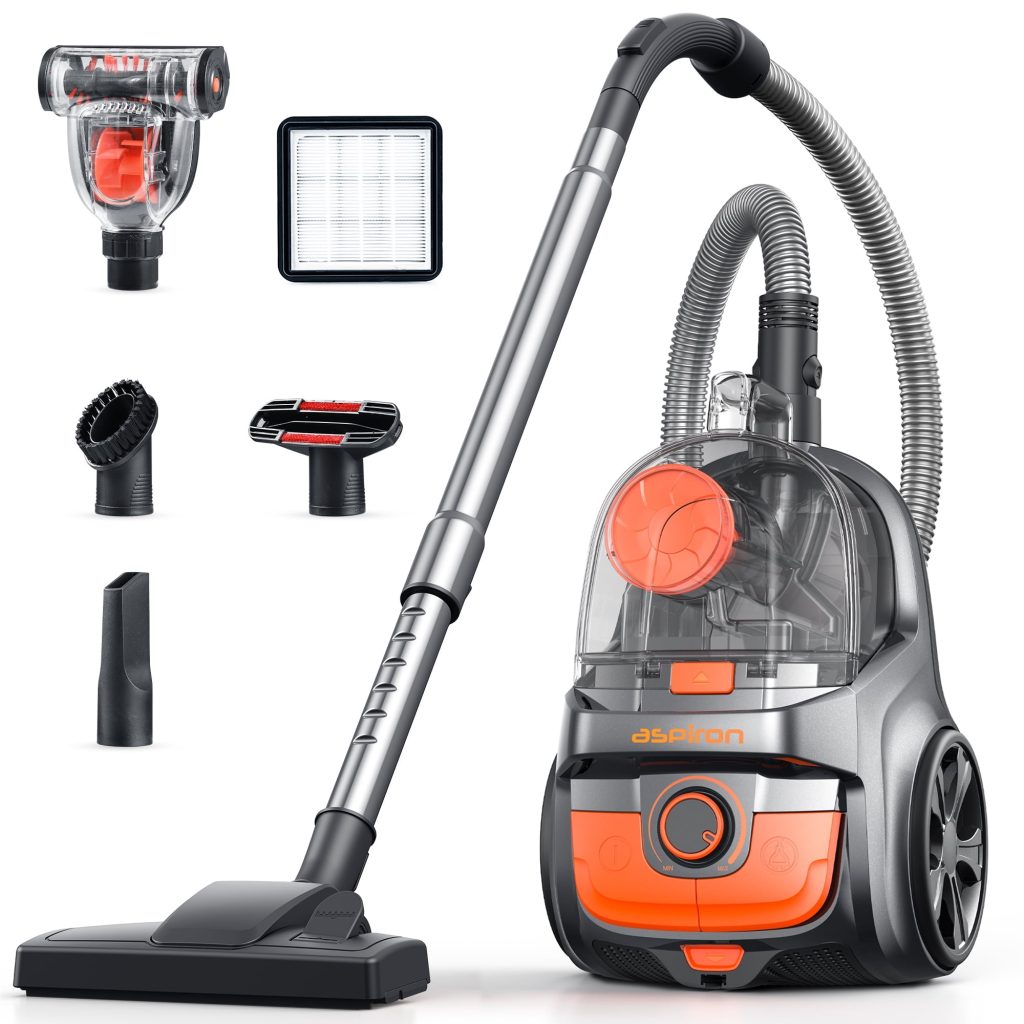
Have you ever wondered if Qt, the popular convenience store, sells vacuums? It might seem like an odd question at first, but it’s one that piques curiosity.
After all, Qt is known for its wide range of offerings, from snacks and drinks to fuel and everyday essentials. The idea of finding a vacuum at your local convenience store is intriguing, isn’t it? You might be surprised by what you discover about Qt’s inventory and how it could impact your shopping habits.
Stick around as we delve into whether Qt has vacuums and what that means for you.

Credit: www.popularmechanics.com
Qt And Vacuum Concepts
Understanding the relationship between Qt and vacuum concepts can clear up common confusions in software development. While the word “vacuum” might sound technical or abstract, its meaning varies widely depending on context. Let’s break down what Qt is and how the idea of a vacuum fits—or doesn’t fit—within this framework.
What Is Qt Framework
Qt is a powerful framework used primarily for developing cross-platform applications with graphical user interfaces (GUIs). It allows you to write code once and run it on multiple operating systems like Windows, macOS, and Linux without major changes.
Qt provides a vast set of tools, including widgets, networking, and multimedia support, making it a go-to choice for developers who want speed and flexibility. Have you ever tried building an app that looks and feels native on different devices? Qt makes that possible with less hassle.
Vacuum In Software Context
In software, “vacuum” usually doesn’t refer to anything like a physical vacuum cleaner. Instead, it often relates to processes that clean up, optimize, or remove unnecessary data—think of it as tidying up your code or database.
For example, in databases like SQLite, a vacuum operation reclaims unused space and defragments the file to improve performance. You might wonder if Qt has a similar built-in vacuum feature. The answer is no—Qt itself doesn’t include a vacuum operation because it focuses on application development rather than database management or system cleanup.
However, Qt can interface with databases or other tools that perform vacuum operations. This means you can use Qt to trigger or manage vacuum tasks externally but not rely on Qt alone to handle them.

Credit: www.popularmechanics.com
Vacuum Features In Qt
Qt offers several features related to vacuums, focusing mostly on managing data cleanup and optimization. These features help developers maintain better performance and reduce storage issues in applications. Understanding vacuum capabilities in Qt improves how apps handle data efficiently and reliably.
Built-in Vacuum Support
Qt includes built-in vacuum support mainly through its SQL database modules. For example, when using SQLite with Qt, the vacuum command can be executed to clean and optimize the database file. This process removes unused space and defragments the database.
Developers can trigger vacuum operations using Qt’s SQL APIs. This helps keep database sizes small and improves query speed. The vacuum feature is automatic in some cases but also allows manual control by the programmer.
Third-party Vacuum Integrations
Several third-party tools and libraries integrate with Qt to provide enhanced vacuum functions. These tools offer more advanced cleanup options beyond basic database vacuuming. They can work with different data formats and storage types.
- Custom vacuum utilities designed for specific Qt data structures
- Plugins that automate vacuum tasks during app runtime
- Tools to analyze and report data fragmentation in Qt projects
Using third-party integrations can improve app performance and maintainability. These solutions fit well within Qt’s modular design, allowing developers to add vacuum capabilities without heavy changes.
Common Misconceptions About Qt Vacuums
Many people confuse the term “Qt vacuums” due to unclear information. This confusion leads to wrong ideas about Qt’s features and capabilities. Clearing these misconceptions helps users understand what Qt actually offers and what it doesn’t.
Misleading Terminology
The word “vacuum” often makes people think of cleaning devices or empty spaces. In Qt, the term may be misunderstood or wrongly used. Qt is a software framework for developing apps, not a physical product like a vacuum cleaner. Some descriptions mix technical terms with everyday words, causing false impressions. This leads users to believe Qt has a feature called “vacuum” that works like a cleaning tool, which is not true.
Community Myths
Online discussions sometimes spread myths about Qt vacuums. Some users claim Qt includes vacuum-like functions for clearing data or memory automatically. Others say it supports vacuum operations similar to databases, but this is incorrect. These ideas come from confusing Qt’s capabilities with other technologies. Many myths persist because of repeated sharing without fact-checking. Trusting official Qt documentation and expert advice avoids these misunderstandings.
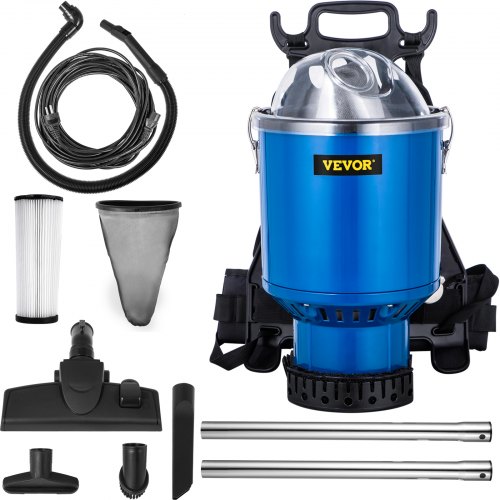
Credit: www.vevor.ca
Practical Use Cases
Understanding the practical use cases of vacuums in Qt helps clarify whether this concept fits into your development workflow. While Qt is primarily known for its application framework, it also handles memory and resources in specific ways that might resemble vacuuming in databases or other systems. Let’s explore where these ideas intersect and where they don’t.
When Vacuum Concepts Apply
Vacuuming generally means cleaning up unused or outdated data to optimize performance. In Qt, you won’t find a direct vacuum function like in SQLite, but the concept applies when managing resources.
For example, if you use Qt’s SQL module with an SQLite database, you can trigger the database’s vacuum command to reclaim disk space. Beyond databases, Qt’s memory management and QObject tree structure often require you to clean up objects to avoid leaks.
Have you ever noticed your app slowing down after running for a long time? That’s often because unused objects or data pile up. In those moments, applying vacuum-like principles—cleaning up and releasing resources—becomes essential.
Alternatives To Vacuum In Qt
Qt provides several tools and practices to handle resource management without a formal vacuum process. You rely heavily on smart pointers like QSharedPointerand QScopedPointerto automate memory cleanup.
QObject’s parent-child hierarchy is another powerful alternative. By setting parents properly, you ensure child objects get deleted when the parent is destroyed, preventing resource leaks.
- Explicitly call
deleteon dynamically allocated objects when no longer needed. - Use
QCacheto manage cached data and clear it periodically. - Invoke database-specific commands like
VACUUMfor SQLite within Qt’s SQL module.
These strategies require you to stay attentive to your app’s resource usage. Ask yourself: Are you tracking object ownership clearly? Are you releasing resources as soon as they become unnecessary? This approach keeps your Qt app lean without a traditional vacuum process.
Future Prospects For Qt Vacuums
The future of Qt vacuums looks promising as new developments continue to emerge, aiming to enhance performance and user experience. Whether you’re a developer or a tech enthusiast, understanding what’s on the horizon can help you stay ahead. Let’s dive into what you can expect and how the community is shaping this future.
Upcoming Features
Qt vacuums are set to gain smarter cleaning algorithms that adapt to different floor types and room layouts. This means better efficiency and less time spent on manual adjustments.
Battery life improvements are also in the works, allowing longer cleaning sessions without interruptions. Imagine your vacuum finishing a whole floor without needing a recharge halfway through.
Integration with more smart home systems is planned, so you can control your Qt vacuum alongside your lights and thermostat. This creates a seamless home automation experience that simplifies your daily routine.
Community Contributions
The Qt user community plays a vital role in driving innovations for vacuums. Developers and hobbyists share custom software tweaks and hardware mods that expand vacuum capabilities.
You might find open-source projects that add voice command features or enable better mapping accuracy. This collaborative environment encourages practical solutions that you can try yourself.
Have you thought about what features you’d add if you could modify your vacuum? Community forums and GitHub repositories are great places to start experimenting and contribute your ideas.
Frequently Asked Questions
Does Qt Offer Vacuum Cleaner Products?
No, Qt is a software development framework. It does not manufacture or sell vacuum cleaners. Qt focuses on cross-platform application development.
Can I Control Vacuums Using Qt Software?
Yes, you can develop applications with Qt to control smart vacuums. Qt supports device communication and IoT integration.
Is Qt Suitable For Vacuum Robot Programming?
Absolutely. Qt provides tools for programming vacuum robots, including UI design and hardware interaction support.
Are There Qt Libraries For Vacuum Sensor Integration?
Yes, Qt offers libraries and modules to interface with sensors commonly used in vacuum robots for navigation.
Conclusion
Qt does not include vacuum features as part of its framework. It focuses mainly on creating applications and user interfaces. For vacuum-related tasks, you need specialized tools or devices. Qt can help build software that controls vacuums, but it does not provide vacuum functions itself.
Understanding this helps set the right expectations when using Qt. This clarity ensures you choose the best tools for your project needs. Keep exploring Qt’s strengths in software development.