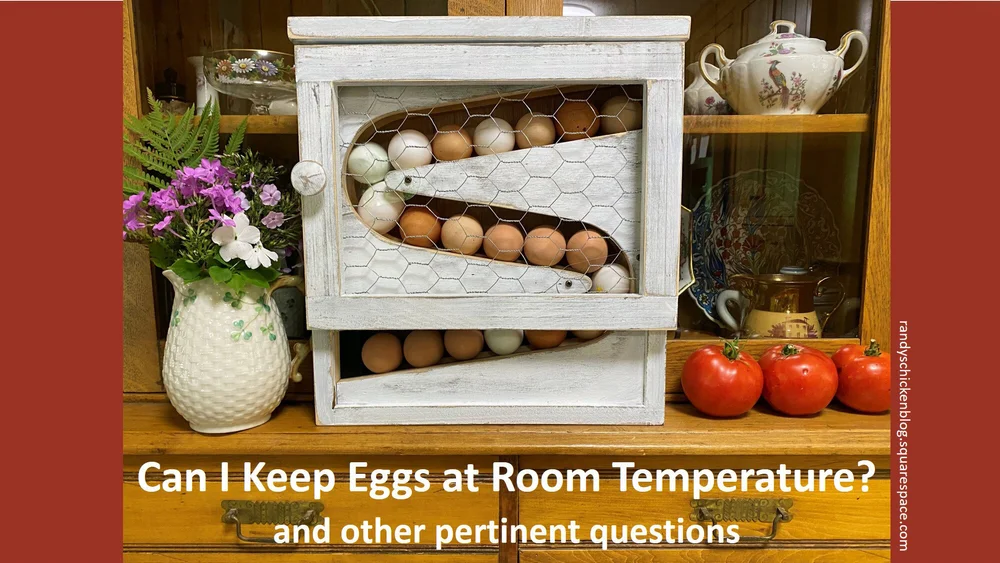
Imagine cracking open a farm-fresh egg and seeing its rich, golden yolk. There’s something special about farm-fresh eggs, isn’t there?
You might be wondering, though, if these treasures need the chill of your refrigerator to stay fresh and safe. It’s a common question, and the answer might surprise you. Understanding how to best store your eggs can save you time, money, and even enhance your culinary adventures.
Keep reading to uncover the truth about farm-fresh egg storage and ensure you’re getting the most out of every dozen you bring home.
Farm Fresh Eggs Vs Store Eggs
Deciding whether to refrigerate farm fresh eggs often comes down to understanding how they differ from store-bought eggs. These differences affect not only storage but also freshness and safety. Let’s break down what sets farm fresh eggs apart from the ones you find on supermarket shelves.
Differences In Processing
Store eggs go through a strict cleaning and processing routine before reaching you. They are washed with warm water and detergents to remove dirt and bacteria. This process, while hygienic, strips away the egg’s natural protective layer.
Farm fresh eggs, on the other hand, are usually collected and sold with minimal washing. This means they retain more of their natural defenses but might have some dirt on the shell. Because they skip industrial cleaning, they require different handling and storage practices.
Natural Protective Coating
Farm fresh eggs have a thin, natural coating called the “bloom” or cuticle. This layer seals the shell’s pores and keeps out bacteria and moisture. It acts as a natural shield, helping eggs stay fresh longer without refrigeration.
Store eggs lose this coating during washing and must be refrigerated to prevent bacteria growth. If you’ve ever noticed condensation on a store egg in the fridge, that’s the shell absorbing moisture because the protective layer is gone.
Have you ever wondered if keeping farm fresh eggs at room temperature is safer because of this coating? Many people find that unwashed eggs stored in a cool, dry place can stay fresh for weeks. But if you clean your farm eggs, refrigeration becomes necessary just like store eggs.
Why Refrigerate Eggs?
Refrigerating farm fresh eggs helps keep them safe and fresh longer. Eggs have a natural coating that protects them. This coating can wash away, making eggs more open to bacteria. Chilling eggs slows down bacteria growth. This means eggs stay edible and safe to eat.
Preventing Bacterial Growth
Bacteria can enter eggs through tiny pores in the shell. Warmer temperatures help bacteria multiply fast. Cold temperatures slow down this process. Keeping eggs in the fridge reduces the risk of harmful bacteria. This is important for health and safety.
Extending Shelf Life
Eggs last longer when stored in the fridge. The cold keeps the egg white and yolk fresh. It also stops eggs from spoiling quickly. Refrigerated eggs can stay good for several weeks. This saves money and reduces food waste.
When Refrigeration Is Necessary
Knowing when to refrigerate farm fresh eggs can save you from food safety risks and preserve their quality longer. The need to chill eggs depends on several factors, including how they’ve been handled and your local environment. Let’s break down the key conditions that make refrigeration necessary.
Washed Vs Unwashed Eggs
Eggs sold in stores are usually washed and sanitized, which removes the natural protective coating called the “bloom.” Without this coating, eggs become more vulnerable to bacteria and moisture loss, so refrigeration is essential. On the other hand, unwashed farm fresh eggs still have their bloom intact, acting as a natural barrier.
If you collect unwashed eggs directly from your backyard hens and plan to use them within a week or two, you might not need to refrigerate them. However, once eggs are washed—even gently—refrigeration should follow immediately. Have you ever noticed how quickly washed eggs lose freshness when left out? That’s a clear sign refrigeration is your best option.
Climate And Storage Conditions
Temperature and humidity play a huge role in egg safety. In warm or humid climates, bacteria grow faster, making refrigeration necessary to slow down spoilage. If your kitchen tends to stay above 70°F (21°C), it’s safer to refrigerate your eggs.
Conversely, in cooler, dry environments, unwashed eggs can be stored safely at room temperature for several weeks. But consider your personal storage space—does it stay consistently cool and dry? If not, refrigerating eggs adds a layer of protection.
- Keep eggs in a carton to prevent moisture loss and protect from odors.
- Store eggs with the pointed end down to keep the yolk centered.
- Avoid rapid temperature changes that cause condensation and promote bacteria.
How do you currently store your farm fresh eggs? Experimenting with these factors could help you find the best way to keep your eggs fresh and safe without unnecessary refrigeration.

Credit: grubblyfarms.com
Safe Storage Tips For Farm Fresh Eggs
Storing farm fresh eggs properly keeps them safe and tasty longer. Fresh eggs have a natural coating that protects them. This coating helps prevent bacteria from entering. Proper storage keeps this coating intact and eggs fresh.
Ideal Temperature And Humidity
Store eggs in a cool, dry place away from sunlight. The best temperature is between 50°F and 60°F (10°C to 15°C). Avoid places that get too warm or too cold. Humidity should be around 70% to keep eggs from drying out. High humidity helps maintain the egg’s natural moisture. Too dry or too wet conditions can spoil eggs faster.
Proper Egg Handling
Handle eggs gently to avoid cracks. Cracked eggs let bacteria in quickly. Use clean hands or containers when touching eggs. Keep eggs pointed end down to keep the yolk centered. Avoid washing eggs until just before use; washing removes the protective coating. Store eggs in cartons to protect them and reduce moisture loss.
Signs Eggs Have Gone Bad
Knowing the signs that eggs have gone bad is crucial, especially if you keep farm fresh eggs without refrigeration. Spoiled eggs not only taste awful but can also make you sick. Paying close attention to your eggs before using them can save you from unpleasant surprises.
Visual Inspection
Start by looking closely at the eggshell. If you see cracks, slimy or powdery spots, or discoloration, these are red flags. Sometimes, a slight chalky texture or unusual stains can indicate mold or bacteria growth.
Once cracked open, check the egg white and yolk. Cloudy egg whites usually mean the egg is fresh, but watery or pinkish whites can signal spoilage. A broken yolk or one that’s flat and dull in color also suggests the egg is no longer good.
Smell Test
Smell is one of the most reliable ways to detect bad eggs. Fresh eggs have almost no smell, but as they spoil, they develop a sharp, sulfur-like odor that’s hard to miss. If your egg smells off, don’t risk cooking or eating it.
I once ignored the smell test and ended up with a kitchen full of unpleasant odor that lingered for days. Trust your nose—it’s your best defense against bad eggs.
Float Test
Drop the egg gently into a bowl of water. If it sinks and lays flat on its side, it’s fresh. If it stands upright or floats, it’s time to toss it out.
This happens because older eggs develop larger air pockets inside, making them buoyant. While the float test isn’t perfect, it’s a quick and easy check you can do anytime.

Credit: www.youtube.com
Benefits Of Keeping Eggs Refrigerated
Keeping your farm fresh eggs refrigerated offers several important benefits that go beyond just storage. It helps you enjoy eggs at their best quality while also protecting your health. Let’s look closely at why refrigeration makes a real difference.
Maintaining Freshness
Refrigeration slows down the natural aging process of eggs. When eggs are kept cold, their quality stays intact for a longer time. You’ll notice firmer whites and yolks, making your dishes taste better and look more appealing.
Have you ever cracked an egg and found the yolk spread thin or the white watery? That’s a sign the egg is losing freshness. Keeping eggs in the fridge preserves their texture and flavor so you get consistent results every time.
Reducing Risk Of Contamination
Farm fresh eggs may carry bacteria like Salmonella on their shells. Cold temperatures help prevent these bacteria from multiplying. This means you reduce the chance of foodborne illness just by storing eggs properly.
Think about how often you handle eggs before cooking. Storing them in the fridge creates a safer environment. It’s a simple step that can protect you and your family from potential health risks without extra effort.
Alternatives To Refrigeration
Not everyone has access to a refrigerator, and even if you do, refrigeration isn’t the only way to keep your farm fresh eggs safe and tasty. There are practical alternatives that can maintain egg freshness without the chill. These options often tap into traditional knowledge and simple techniques that anyone can try at home.
Cool, Dry Storage Methods
Eggs store best in a place that’s cool and dry. Think about a basement, cellar, or a pantry away from direct sunlight and heat sources. Temperatures around 50-60°F (10-15°C) are ideal.
Keep eggs in their carton or a breathable container to allow air circulation. Moisture and heat speed up spoilage, so avoid damp spots. Have you checked your home for such natural cool spots?
Coating And Preservation Techniques
Coating eggs helps seal their pores and slows down moisture loss. A traditional trick is to dip fresh eggs in food-grade mineral oil or melted beeswax. This creates a natural barrier against bacteria and air.
Another technique is lime water preservation, where you soak eggs in a lime solution to extend their shelf life for weeks. It’s a method used for centuries that you might find surprisingly easy to try.
Have you ever tried storing eggs this way? These simple preservation tricks can keep your eggs fresh longer without a fridge, making them perfect for those with limited refrigeration options.
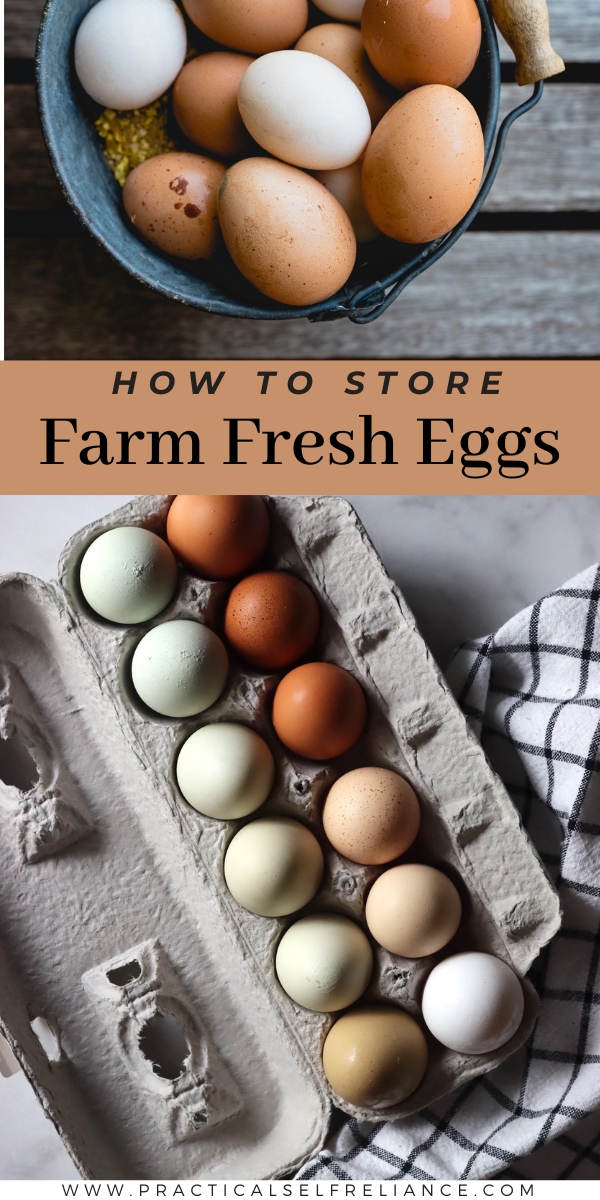
Credit: practicalselfreliance.com
Frequently Asked Questions
Do Farm Fresh Eggs Need Refrigeration?
Farm fresh eggs with intact natural coatings can be stored at room temperature safely for up to two weeks. Refrigeration is recommended to extend freshness and prevent bacterial growth, especially in humid climates or after washing the eggs.
Why Do Store-bought Eggs Require Refrigeration?
Store-bought eggs are washed and sanitized, removing their natural protective layer. This makes them more susceptible to bacteria. Refrigeration slows bacterial growth and keeps eggs fresh longer, which is why refrigeration is essential for commercially sold eggs.
How Long Can Farm Fresh Eggs Last Unrefrigerated?
Unwashed farm fresh eggs can last about two weeks at room temperature. Beyond this, refrigeration is advised to maintain freshness and safety. Proper storage in a cool, dry place helps preserve eggs longer without refrigeration.
Does Washing Farm Fresh Eggs Affect Refrigeration Needs?
Yes, washing removes the eggs’ protective bloom, increasing bacterial risk. Washed farm fresh eggs must be refrigerated immediately to prevent contamination and spoilage. It’s best to wash eggs just before use, not before storage.
Conclusion
Farm fresh eggs can stay safe without refrigeration for a short time. Keep them in a cool, dry place to keep freshness. Washing eggs removes a natural layer that protects them. Refrigeration helps stop bacteria growth and keeps eggs longer.
Store eggs in their carton to avoid odors and moisture. Check eggs for cracks or smells before use. Trust your senses—look, smell, and feel the eggs. Proper handling ensures you enjoy fresh eggs safely every time.