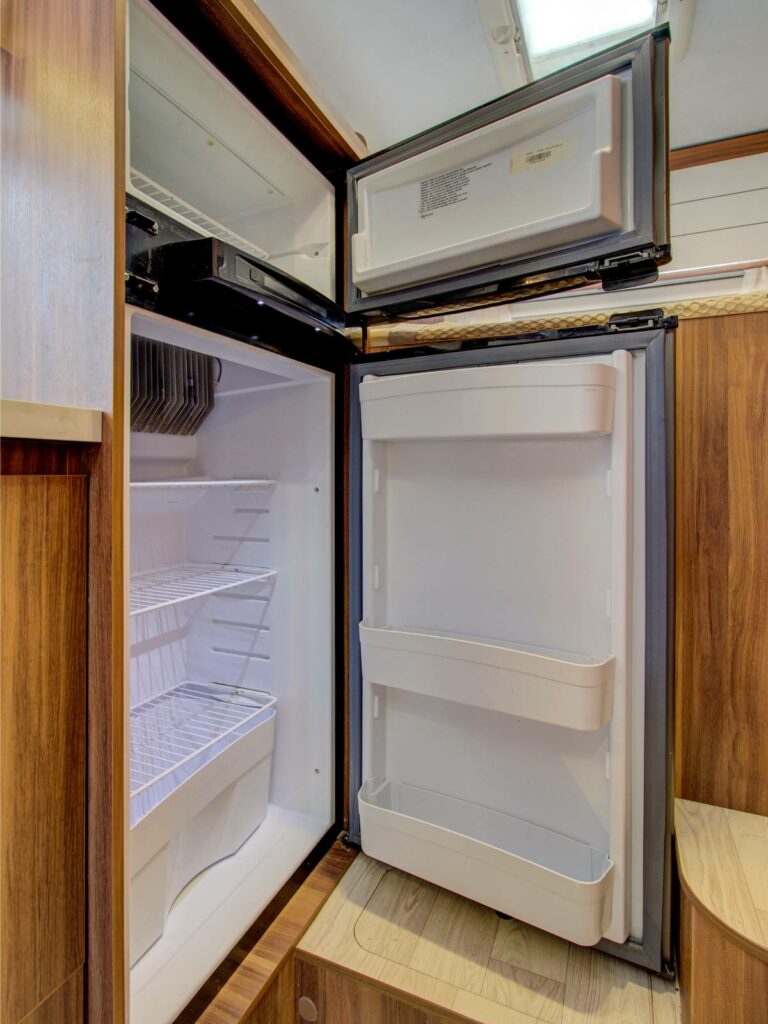
Are you planning your next big road trip in your RV and wondering how to keep your food fresh and drinks cold on the go? Understanding how your RV refrigerator works can make all the difference in your travel experience.
You might think it’s just like your home fridge, but there’s more to it. From absorbing heat to running on different power sources, your RV refrigerator is a fascinating piece of technology. Discovering the ins and outs of how it functions will not only satisfy your curiosity but also empower you to troubleshoot and maintain it effectively.
Stick around as we unveil the secrets behind your RV refrigerator, ensuring your adventures remain cool and hassle-free.
Types Of Rv Refrigerators
RV refrigerators come in different types, each with unique features and benefits. Choosing the right type affects energy use, cooling power, and noise levels. Understanding these types helps you pick the best one for your RV lifestyle.
Absorption Refrigerators
Absorption refrigerators use heat to cool inside the fridge. They run on propane, electricity, or both. These models have no moving parts, making them very quiet. They work well without electricity, perfect for off-grid camping. Cooling is slower compared to other types.
Compressor Refrigerators
Compressor refrigerators work like home fridges. They use a compressor and refrigerant to cool. These fridges run only on electricity, usually 12V DC or 110V AC. They cool faster and keep temperatures steady. Compressor fridges are more energy-efficient but can be noisy.
Thermoelectric Refrigerators
Thermoelectric refrigerators use electricity to move heat. They have no compressor or coolant inside. These fridges are lightweight and quiet. They work best for small coolers or mini-fridges. Thermoelectric models are less powerful and best for mild cooling.
Credit: blog.campingworld.com
Cooling Mechanism Explained
Understanding how your RV refrigerator keeps things cool can help you maintain it better and troubleshoot any issues. Different types of RV fridges use distinct cooling mechanisms, each with its own strengths and quirks. Let’s break down the main cooling methods so you can see what’s happening behind the scenes.
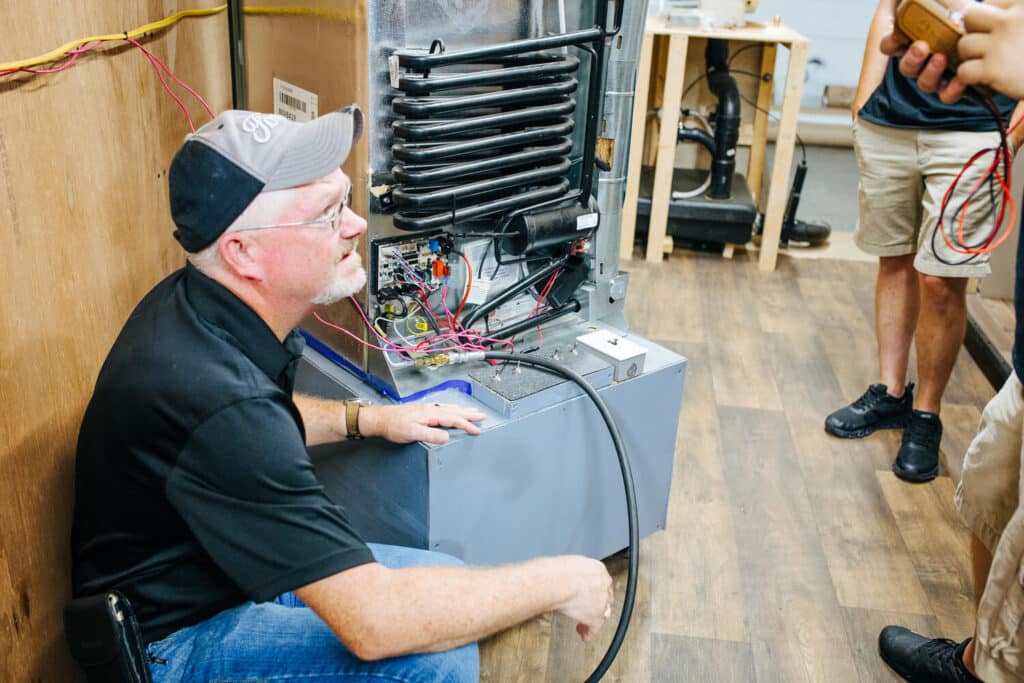
How Absorption Cooling Works
Absorption refrigerators use a heat source instead of a compressor to cool the interior. They rely on a mix of ammonia, water, and hydrogen gas circulating through tubes inside the fridge.
Heat from propane, electricity, or even vehicle engine heat causes the ammonia to evaporate and absorb heat from inside the fridge. This evaporation cools the fridge compartment, while the gases recombine and cycle back to start the process again.
If you’ve ever noticed your RV fridge getting less cold on steep hills, it’s often because the absorption system needs to stay level for the liquids to flow properly. This design is quiet and perfect for off-grid use but sensitive to tilting.
Compressor Cooling Process
This method works much like a home refrigerator, using a compressor to circulate refrigerant through coils. The compressor squeezes the refrigerant, which heats up, then passes through coils where it cools and evaporates, absorbing heat from inside the fridge.
The cooled refrigerant then cycles back to the compressor to repeat the cycle. This process is very efficient and works well even when the RV is moving or tilted.
Think about how quickly your fridge cools after you close the door – that’s the compressor working hard to pull heat out and keep everything fresh. If you want faster cooling and less sensitivity to positioning, a compressor fridge is a solid choice.
Thermoelectric Cooling Basics
Thermoelectric refrigerators use electricity and the Peltier effect to create a temperature difference. When current passes through two different metals, one side gets cold while the other heats up.
The cold side cools the inside of the fridge, and a heat sink or fan removes the heat from the hot side. These fridges have no moving parts, making them lightweight and quiet, but they are less powerful and best for small cooling needs.
Have you ever used a cooler that plugged into your car? It probably used thermoelectric cooling. It’s great for short trips or small items but won’t replace a full fridge for long-term food storage.
Power Sources For Rv Fridges
RV refrigerators need power to keep your food cold and fresh. They use different power sources depending on your RV setup and location. Understanding these power sources helps you use your fridge efficiently during travel or camping.
Each power source has benefits and limits. Knowing them helps you plan your power use and avoid fridge problems on the road.
Propane Usage
Many RV fridges run on propane gas. Propane heats a special cooling unit inside the fridge. This heat starts a process that moves heat out of the fridge, making it cold inside.
Propane fridges work without electricity. This makes them ideal for camping spots without power hookups. They are quiet and use less power than electric fridges.
Always check propane levels to keep the fridge running. Proper ventilation is important for safety when using propane.
12v Dc Battery Power
RV fridges can also run on 12-volt DC power from the RV battery. This power source works when you drive or use a solar battery system. It powers a compressor inside the fridge.
Using 12V power drains the RV battery faster. It is best for short trips or when the engine runs. Efficient use helps avoid battery problems.
Keep an eye on battery charge to ensure fridge operation. Using LED lights and low-power devices saves battery life.
110v Ac Electrical Power
Plugging the RV fridge into shore power uses 110-volt AC electricity. This power source comes from campsites or home outlets. It runs the fridge compressor directly and efficiently.
Using AC power is the easiest way to keep your fridge cold. It does not drain the RV battery. It works well when parked at a powered site.
Make sure your RV is connected safely to the power supply. Use surge protectors to avoid electrical damage.
Installation And Ventilation Tips
Installing your RV refrigerator correctly and ensuring proper ventilation are key to keeping it running efficiently. Poor installation or blocked vents can cause your fridge to overheat or fail. Let’s look at some practical tips that will help you avoid common pitfalls and keep your RV refrigerator cool and working well.
Proper Vent Placement
Place the vents where they won’t get blocked by furniture or gear. Both the intake and exhaust vents need clear access to fresh air outside your RV. If vents are too close to walls or tight corners, airflow gets restricted, causing the fridge to struggle.
Think about where you park your RV most often. Are the vents exposed to strong winds or dirt? Positioning vents in sheltered but open areas can protect them from debris while still letting air flow freely.
Ensuring Airflow
Good airflow is essential for your RV refrigerator’s cooling system. Make sure there’s a few inches of clearance behind and above the fridge. This space lets warm air escape and cool air come in.
Check vents regularly and clean them if you notice dust or insect nests. Even small blockages can reduce airflow and increase your fridge’s energy use.
Avoiding Heat Build-up
Heat buildup is one of the biggest enemies of RV refrigerators. Avoid placing heat sources like ovens or heaters close to the fridge. This can make your fridge work harder and shorten its lifespan.
Consider adding a small fan near the vent area if you camp in hot climates. It helps move hot air away faster, keeping your fridge cooler and more efficient.
Maintenance For Optimal Performance
Keeping your RV refrigerator in top shape requires regular care. Maintenance not only extends its life but also ensures it cools efficiently, saving you from unexpected food spoilage. Small habits can make a big difference in how well your fridge performs during every trip.
Regular Cleaning
Cleaning your RV refrigerator regularly prevents buildup that can block airflow and reduce cooling efficiency. Use a mild soap and warm water to wipe down shelves, walls, and drawers. Avoid harsh chemicals that might damage surfaces or leave harmful residues on food storage areas.
Don’t forget to clean the condenser coils if your model has them; dusty coils force the fridge to work harder. Have you checked your fridge’s manual for specific cleaning tips tailored to your model?
Checking Seals And Gaskets
Door seals and gaskets keep cold air inside and warm air out. Inspect them often for cracks, tears, or dirt that might prevent a tight seal. A simple test is to close the door on a piece of paper—if it slides out easily, the seal might need replacement.
Replacing worn gaskets is an affordable fix that improves energy efficiency. When was the last time you gave your fridge’s seals a thorough look?
Defrosting Techniques
Ice buildup inside your RV fridge reduces cooling power and wastes energy. Manual defrosting involves turning off the fridge and letting the ice melt naturally. Place towels underneath to catch water and speed up the process by using a bowl of hot water inside the fridge compartment.
Many RV refrigerators don’t have automatic defrost, so regular defrosting is necessary. How often do you check for frost buildup before it becomes a problem?
Common Issues And Fixes
RV refrigerators face common problems that affect their performance. Knowing how to spot these issues saves time and money. Most problems have simple fixes anyone can do. Understanding these fixes helps keep your fridge running smoothly on the road.
Fridge Not Cooling
When your RV fridge stops cooling, check the power source first. Ensure the propane tank is full and the valve is open. Clean the cooling fins and air vents to remove dust and debris. A dirty vent blocks airflow, causing poor cooling. Inspect the thermostat settings and adjust if needed.
Unusual Noises
Strange sounds from the fridge often mean a problem with the compressor or fan. Loose parts can cause rattling. Tighten screws and brackets to stop noise. A worn-out fan motor needs replacement. Listen carefully to identify the noise source before fixing.
Power Supply Problems
Power issues are common in RV refrigerators. Check if the fridge is connected to the correct power source, 12V DC or 110V AC. Test fuses and circuit breakers for faults. Replace any blown fuses promptly. Use a multimeter to confirm proper voltage supply to the fridge.
Energy Efficiency Tips
Keeping your RV refrigerator energy-efficient not only saves power but also extends the life of your appliance. Small adjustments in how you use and care for it can make a big difference on the road. Let’s look at some practical tips that help you get the most out of your RV fridge without draining your battery or propane supply.
Temperature Settings
Setting your refrigerator to the right temperature is key. Aim for around 37°F (3°C) for the fridge and 0°F (-18°C) for the freezer. Colder than that wastes energy without improving food preservation.
During hot days, you might be tempted to lower the temperature, but this strains the fridge’s compressor. Instead, consider adjusting your food storage habits to reduce the need for extra cooling.
Minimizing Door Openings
Every time you open the door, cold air escapes and warm air rushes in. This forces the fridge to work harder to cool down again. Try to plan what you need before opening the door to keep openings brief and efficient.
You can even organize your fridge with labeled containers so you don’t have to search for items. Have you noticed how a quick grab wastes less energy than a long rummage?
Using Insulation
Adding extra insulation around your RV fridge helps maintain a steady temperature inside. You can use foam panels or reflective insulation to reduce heat transfer, especially if your fridge is exposed to direct sunlight.
Insulation reduces how often the compressor cycles on, saving energy and fuel. Have you ever felt how much warmer your RV gets in the sun? Imagine how much easier it is for your fridge to stay cool with some extra padding.

Credit: www.stresslesscamping.com

Credit: www.youtube.com
Frequently Asked Questions
How Does An Rv Refrigerator Cool Food?
An RV refrigerator cools food using absorption technology. It uses heat to drive a cooling cycle without a compressor. The process involves ammonia, hydrogen gas, and water circulating inside. This method works efficiently on propane, electricity, or battery power.
What Powers An Rv Refrigerator?
RV refrigerators are powered by propane gas, 12-volt battery, or 120-volt AC electricity. This flexibility allows them to work on the road or at campsites. Propane is common when off-grid, while electricity powers the fridge when connected to shore power.
How To Maintain An Rv Refrigerator Efficiently?
Maintain an RV refrigerator by cleaning coils and vents regularly. Level the RV to ensure proper cooling. Check seals on the door for tightness. Keep the fridge temperature between 35-40°F to preserve food and save energy.
Why Does My Rv Refrigerator Sometimes Not Cool Properly?
Improper leveling, dirty coils, or low propane supply can cause poor cooling. Also, faulty thermostat or ventilation blockage may reduce efficiency. Regular maintenance and proper setup are essential to keep your RV refrigerator working well.
Conclusion
Understanding how an RV refrigerator works helps you keep food fresh on the road. It uses different power sources like propane, electricity, or batteries to cool inside. The cooling process depends on heat absorption and release, not a compressor like home fridges.
Knowing this can help you use it better and avoid common problems. Proper care and correct power use make your RV trips more comfortable. A working fridge means less food waste and more good meals. Simple steps keep it running smoothly wherever you travel.