
Have you ever stood in your kitchen, holding a carton of eggs, wondering if they truly need to be refrigerated? You’re not alone.
This question puzzles many, leaving them unsure about the best way to store their fresh eggs. You want to keep your eggs fresh and safe, right? But should they go in the fridge, or can they comfortably sit on your countertop?
The answer might surprise you. We’re diving into the science and tradition behind egg storage. By the end, you’ll know exactly how to store your eggs to keep them fresh and delicious. So, let’s crack this mystery wide open!
Egg Storage Basics
Understanding how to store eggs properly can save you from wasting food and ensure your meals are safe and tasty. Fresh eggs have unique qualities that affect whether they need refrigeration or not. Knowing the basics about egg production and handling will help you decide the best way to keep your eggs fresh.
How Eggs Are Produced
Eggs come straight from hens, and their journey starts inside the hen’s body. The eggshell forms around the yolk and egg white, creating a natural barrier. This barrier helps protect the egg from bacteria and keeps it fresh for a certain time.
When you buy eggs, you might not realize that their freshness depends on how they were handled right after laying. Farmers who sell unwashed eggs often keep them at room temperature, trusting the egg’s natural defenses.
Natural Protective Coating
Eggs have a special coating called the “bloom” or cuticle. This thin layer seals the shell’s pores and blocks bacteria from entering. If the bloom is intact, eggs can stay fresh without refrigeration for several weeks.
Have you ever noticed eggs sold at farmers’ markets that aren’t refrigerated? This is because their natural coating is still on. This coating helps eggs last longer outside the fridge compared to store-bought eggs that have been washed.
Impact Of Washing Eggs
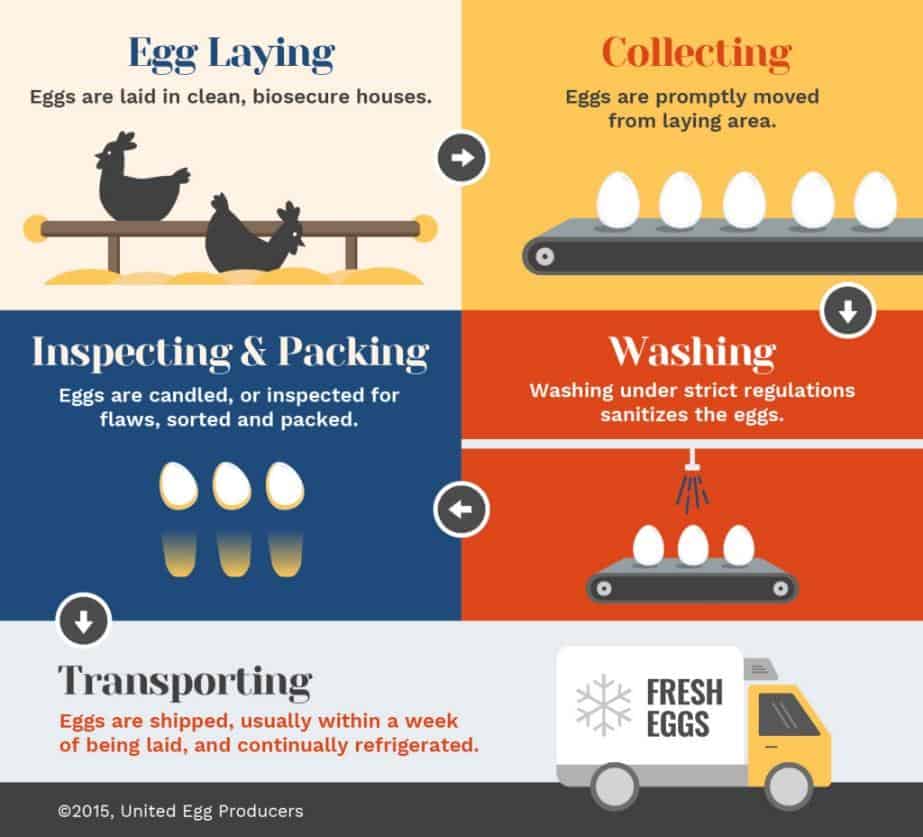
Washing eggs removes the natural protective coating, which changes everything about how you store them. Without this coating, eggs become more vulnerable to bacteria and moisture loss. That’s why most store-bought eggs come refrigerated.
If you get fresh, unwashed eggs from a local farm, it might be safe to keep them on your counter. But once you wash them, refrigerate immediately. Have you ever wondered why your grocery store eggs are always in the fridge? It’s because washing breaks that natural barrier, requiring cold storage to keep eggs safe.

Credit: www.peteandgerrys.com
Refrigeration Practices Worldwide
Egg refrigeration practices vary significantly across the world, influenced by factors like local regulations, farming methods, and climate conditions. Understanding these differences helps you decide the best way to store your eggs, especially if you’re used to one system and encounter another. Let’s examine how these practices differ and what they mean for your kitchen.
Us Vs Europe Methods
In the US, eggs are washed and sanitized before sale, which removes the natural protective coating. This process makes refrigeration essential to prevent bacteria from entering through the shell.
In Europe, eggs are rarely washed, preserving their natural coating. This allows many people to store eggs at room temperature without worrying about safety.
Have you noticed eggs in European stores often sit unrefrigerated? That’s because their handling method reduces the risk of contamination, changing how you should store them.
Climate And Storage
Climate plays a major role in egg storage. In warmer, humid regions, refrigeration is necessary to slow bacterial growth.
Cooler climates with lower humidity may allow eggs to stay fresh longer without refrigeration. Still, keeping eggs in a consistent, cool place is key to maintaining quality.
Think about your local weather—does your kitchen stay cool enough to safely keep eggs on the counter? If not, refrigeration might be your best bet.
Shelf Life Differences
Refrigerated eggs in the US can last 3 to 5 weeks beyond their pack date. The cold environment slows bacterial growth and maintains freshness.
European eggs stored at room temperature generally have a shorter shelf life, around 1 to 3 weeks. However, they can still be safe if consumed promptly and stored properly.
Knowing these shelf life variations helps you avoid waste and foodborne illness. How long do you usually keep eggs before using them?
Benefits Of Refrigerating Eggs
Refrigerating eggs offers several clear benefits. It helps keep eggs safe and fresh for longer periods. Storing eggs at low temperatures slows down spoilage. This simple step supports better food hygiene in homes.
Slowing Bacterial Growth
Cold temperatures slow the growth of harmful bacteria. Salmonella, a common egg-related bacteria, multiplies less in the fridge. This reduces the risk of foodborne illness. Keeping eggs cold keeps them safer to eat.
Maintaining Freshness Longer
Refrigeration preserves the egg’s natural quality. The cold environment slows moisture loss. This keeps eggs from drying out and becoming stale. Fresh eggs last several weeks longer in the fridge.
Food Safety Considerations
Storing eggs in the fridge lowers health risks. It prevents bacteria from entering through the shell. Cold storage is especially important in warm climates. Proper refrigeration supports safe cooking and eating habits.
Credit: foodsafetyworks.com
When To Avoid Refrigeration
Knowing when to avoid refrigeration for your eggs can save you space and even preserve their natural quality. Not all eggs need to be chilled, especially if they come straight from a local farm. Understanding the conditions and types of eggs that thrive outside the fridge helps you make the best choice for freshness and taste.
Unwashed Farm-fresh Eggs
Eggs fresh from the farm often have a natural coating called the “bloom” that protects them from bacteria. This coating keeps the eggs safe without refrigeration for a short period. If you buy unwashed eggs directly from a trusted farm, you can store them at room temperature for up to two weeks without worry.
Washing eggs removes this protective layer, so only unwashed eggs should be left out. Have you ever noticed the difference in taste between farm-fresh eggs and store-bought ones? The bloom plays a big role in keeping those natural flavors intact.
Short-term Storage Tips
If you plan to eat your eggs within a week or two, storing them on the counter can be fine. Keep them in a cool, dry place away from direct sunlight or heat sources. A dedicated egg basket or carton helps prevent cracks and keeps them safe.
Storing eggs with the pointed end down preserves the yolk’s position and keeps the air cell stable. This simple trick extends freshness without any refrigeration. Have you tried storing eggs like this at home?
Room Temperature Risks
Leaving eggs out too long can invite bacteria, especially in warm or humid climates. Salmonella risk increases if eggs are cracked or washed improperly. If the temperature in your kitchen rises above 70°F (21°C), refrigeration is safer.
Think about your local environment—does your kitchen get hot during the day? If yes, keeping eggs outside might reduce their shelf life significantly. Always check eggs for cracks or sliminess before deciding to store them at room temperature.
Best Practices For Egg Storage
Proper egg storage is key to keeping your eggs fresh and safe to eat. You might wonder if refrigerating fresh eggs is necessary or if room temperature works better. Understanding the best practices for egg storage can help you avoid waste and enjoy eggs at their best quality.
Ideal Temperature Range
Eggs stay freshest when kept at a consistent temperature between 33°F and 40°F (1°C to 4°C). This range slows down bacterial growth without freezing the eggs. Storing eggs outside this range, especially at room temperature, can reduce their shelf life significantly.
Have you noticed how quickly eggs spoil when left out on a warm kitchen counter? That’s because bacteria multiply faster as temperatures rise. Keeping eggs in the fridge helps maintain safety and freshness longer.
Storing In Cartons Vs Loose
Egg cartons are designed to protect eggs from damage and prevent them from absorbing strong odors from other foods. Storing eggs loose in your fridge can expose them to bumps and contamination.
Cartons also help keep eggs in their ideal position, pointed side down, which maintains the yolk’s centered position. This small detail can improve the egg’s quality over time.
Handling After Purchase
Once you bring eggs home, place them in the coldest part of your fridge, not the door. The door experiences frequent temperature changes, which can affect egg freshness.
Also, avoid washing eggs before storing them unless you plan to use them immediately. Washing removes the natural protective coating and increases the risk of contamination. Instead, clean eggs just before cooking.

Credit: www.randyschickenblog.com
Signs Of Spoiled Eggs
Knowing the signs of spoiled eggs helps keep your food safe. Eggs can go bad even if stored properly. Detecting spoilage before use prevents health risks and waste. There are simple ways to check eggs at home.
Visual Cues
Check the eggshell for cracks or slimy texture. Discoloration like pink, green, or black spots means bacteria growth. The egg white or yolk may look cloudy or unusual. Fresh eggs have clear whites and bright yolks. Any powdery residue on the shell can indicate mold.
Smell Test
Fresh eggs have a neutral, mild scent. A strong, sulfur-like or rotten odor means spoilage. Smell the egg after cracking it open. Bad eggs smell foul immediately. Trust your nose; it is a reliable spoilage detector.
Float Test
Fill a bowl with water and gently place the egg inside. Fresh eggs sink and lay flat on the bottom. Spoiled eggs float due to gas buildup inside. If an egg stands upright or floats, it is old or bad. This simple test helps avoid using rotten eggs.
Frequently Asked Questions
Should Fresh Eggs Be Refrigerated Immediately?
Yes, refrigerating fresh eggs slows bacterial growth and preserves freshness. In the U. S. , eggs are washed and must be refrigerated to prevent contamination and spoilage.
How Long Can Fresh Eggs Stay Unrefrigerated?
Fresh eggs can stay unrefrigerated for up to two weeks if unwashed and kept in a cool, dry place. Beyond that, refrigeration is recommended to maintain safety and quality.
Does Refrigeration Affect The Taste Of Fresh Eggs?
Refrigeration does not affect egg taste. It mainly preserves freshness and prevents bacteria growth. Proper storage keeps eggs safe and maintains their natural flavor.
Why Do Some Countries Not Refrigerate Fresh Eggs?
Countries without egg washing keep the natural protective coating intact, allowing safe unrefrigerated storage. This coating prevents bacteria and moisture loss, reducing the need for refrigeration.
Conclusion
Fresh eggs can stay safe without refrigeration in some cases. Washing eggs removes their natural coating, so they need cold storage. Unwashed eggs from local farms often last longer at room temperature. Always check eggs for cracks or bad smells before use.
Storing eggs properly keeps them fresh and safe to eat. Remember, temperature and cleanliness matter most for egg safety. Choose the right method based on where you buy your eggs. Simple care helps you enjoy fresh eggs every time.