Imagine you’re listening to the steady hum of your car’s engine, feeling the rhythm of its idle. Ever wondered what’s happening beneath the hood?
Specifically, have you ever considered how much vacuum your engine should have at idle? This might sound like a technical detail, but it’s a crucial aspect of your vehicle’s performance and health. If you’re curious about ensuring your car runs smoothly, understanding vacuum levels at idle is key.
Dive into this article to uncover why this invisible force matters to your engine’s efficiency and longevity. By the end, you’ll not only grasp the concept but also know how to maintain your car in peak condition. Ready to ensure your ride is as smooth as possible? Let’s get started!

Credit: www.reddit.com
Engine Vacuum Basics
Understanding engine vacuum is key to diagnosing and maintaining your vehicle’s performance, especially at idle. The vacuum inside the engine reflects how well your engine breathes and operates under various conditions. Let’s break down the basics so you can better grasp what your engine vacuum tells you.
What Is Engine Vacuum
Engine vacuum is the difference in pressure between the air inside the intake manifold and the outside atmosphere. It is created when the engine’s pistons move down during the intake stroke, pulling air into the cylinders.
This vacuum is crucial because it helps draw fuel into the engine and powers many components like brake boosters and emission controls. If you’ve ever noticed your engine idling roughly, low or unstable vacuum might be a sign of trouble.
How Vacuum Is Measured
Vacuum is measured in inches of mercury (inHg) or millimeters of mercury (mmHg). Mechanics use a vacuum gauge connected to the intake manifold to read this measurement.
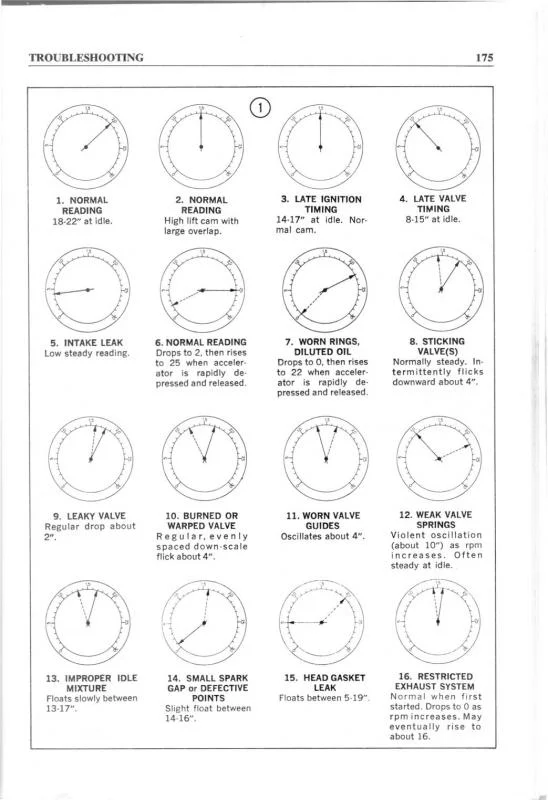
At idle, a healthy engine typically shows a steady vacuum reading between 17 and 22 inHg. Fluctuations or low readings can indicate leaks, worn components, or timing issues.
Factors Affecting Idle Vacuum
Several factors influence your engine’s vacuum at idle:
- Engine Condition:Worn piston rings or valves reduce vacuum by letting air leak past.
- Ignition Timing:Incorrect timing affects the vacuum level and engine efficiency.
- Vacuum Leaks:Cracked hoses or faulty gaskets allow extra air in, lowering vacuum.
- Accessory Loads:Power steering or air conditioning can cause vacuum to drop momentarily.
Have you checked your vacuum readings lately? Even slight changes can reveal hidden issues before they turn costly.
Credit: www.opelgt.com
Ideal Vacuum Range At Idle
Understanding the ideal vacuum range at idle can save you from a lot of guesswork when diagnosing engine performance. It’s a key metric that tells you how well your engine breathes while at rest. Knowing this range helps you spot issues before they become costly repairs.
Typical Vacuum Values
Most gasoline engines show a vacuum reading between 17 and 21 inches of mercury (inHg)at idle. A stable reading around 18 to 20 inHg usually means your engine’s in good shape. If the vacuum is consistently below 17 inHg, it might indicate leaks or poor engine health.
Diesel engines, on the other hand, often have much lower vacuum values due to their design, sometimes close to zero or even negative. Keep this in mind when comparing readings across different engine types.
Variations By Engine Type
Vacuum readings vary widely between engines. For example, a V6 engine might have a slightly lower vacuum at idle compared to a four-cylinder because of differences in cylinder volume and intake design.
Engines with forced induction, like turbochargers or superchargers, can show erratic vacuum readings at idle. These systems alter the pressure dynamics, so standard vacuum ranges don’t always apply.
- Naturally aspirated engines: 17-21 inHg
- Turbocharged engines: Vacuum can be lower or fluctuate
- Diesel engines: Often near zero vacuum at idle
Impact Of Engine Condition
Your engine’s health directly influences vacuum readings. Worn piston rings, leaking valves, or intake leaks reduce vacuum because the engine can’t maintain proper compression.
When I noticed my vacuum dropping below 15 inHg at idle, it led me to discover a small intake manifold leak. Fixing it restored the vacuum to a healthy level and improved overall engine smoothness.
Regularly checking your vacuum can alert you to problems early. Have you checked your engine vacuum lately? It might reveal hidden issues before you even notice them while driving.
Diagnosing Issues With Vacuum
Understanding how to diagnose issues with vacuum at idle can save you time and money on car repairs. Vacuum problems often cause engine performance issues, but spotting them early is key. Knowing what to look for helps you pinpoint the exact cause and avoid unnecessary parts replacements.
Common Vacuum Problems
Vacuum leaks are the most frequent issue and usually happen when hoses crack or disconnect. Worn gaskets and faulty intake manifolds can also cause vacuum loss. Sometimes, the problem lies with the brake booster or emissions control devices that rely on vacuum pressure.
Have you ever noticed a sudden change in engine behavior after replacing a hose? That’s a classic sign of a vacuum problem. Checking each vacuum line carefully can reveal hidden cracks or loose connections that are easy to fix.
Symptoms Of Low Or High Vacuum
Low vacuum often leads to rough idling, stalling, or poor fuel economy. You might also hear a hissing sound coming from the engine bay. High vacuum, though less common, can cause hard starting or hesitation during acceleration.
Pay attention to unusual changes in your engine’s idle speed or responsiveness. These symptoms are your car’s way of telling you something is off with the vacuum system. Have you felt your engine stumble or stall right after you start the car?
Using Vacuum Readings For Troubleshooting
Vacuum gauges are invaluable tools that show you real-time pressure inside the intake manifold. A healthy engine usually reads between 17 to 21 inches of mercury (inHg) at idle. Readings below or above this range indicate possible issues.
Use a vacuum gauge to compare your readings against your vehicle’s specifications. If the gauge shows a fluctuating vacuum, it might point to valve problems or worn piston rings. Steady but low vacuum often means leaks or intake blockages.
By analyzing these readings, you can decide whether to inspect hoses, gaskets, or even deeper engine components. Have you tried using a vacuum gauge to diagnose your engine’s idle problems? It might reveal more than a visual inspection alone.
Improving Engine Performance
Improving engine performance often hinges on understanding and managing vacuum levels at idle. The right vacuum can make your engine run smoothly, save fuel, and reduce emissions. Let’s break down practical ways you can optimize this crucial aspect of your vehicle’s operation.
Adjusting Idle Vacuum
Idle vacuum is the pressure created inside the engine intake manifold when the engine is running but the throttle is closed. Adjusting it properly can help your engine maintain a steady idle speed without stalling or revving too high.
You can tweak the idle vacuum by adjusting the throttle stop screw or using a vacuum gauge to monitor the manifold pressure. If your vacuum reading is below the typical range of 17-21 inches of mercury (inHg) at idle, your engine might be struggling to breathe efficiently.
Have you checked your idle vacuum lately? A quick adjustment might solve rough idling or hesitation issues without costly repairs.
Vacuum Leaks And Repair
Vacuum leaks are one of the most common reasons for poor engine performance at idle. Even a small leak can cause the engine to run lean, leading to misfires, rough idle, and increased emissions.
Inspect vacuum hoses, gaskets, and intake manifold seals for cracks or loose connections. You can spray a bit of carb cleaner or use smoke testing around suspected areas—if the engine speed changes, you’ve likely found a leak.
Fixing these leaks often requires just replacing a hose or tightening a clamp. It’s a simple step that can dramatically improve how your engine behaves at idle.
Vacuum And Fuel Efficiency
Proper vacuum levels at idle don’t just affect engine smoothness—they also impact fuel efficiency. When vacuum drops due to leaks or poor adjustments, the engine compensates by using more fuel.
Maintaining an optimal vacuum helps your engine burn fuel more completely and reduces waste. This translates into better mileage and lower emissions, which benefits your wallet and the environment.
Think about how much fuel you could save by ensuring your engine’s vacuum system is in top shape. Small adjustments often lead to noticeable gains in efficiency.
Tools For Measuring Vacuum
Measuring vacuum at idle is crucial for diagnosing engine health and ensuring optimal performance. To get accurate readings, you need the right tools that match your skill level and the type of measurement you want. Let’s break down the main options and share tips to help you measure vacuum like a pro.
Vacuum Gauges
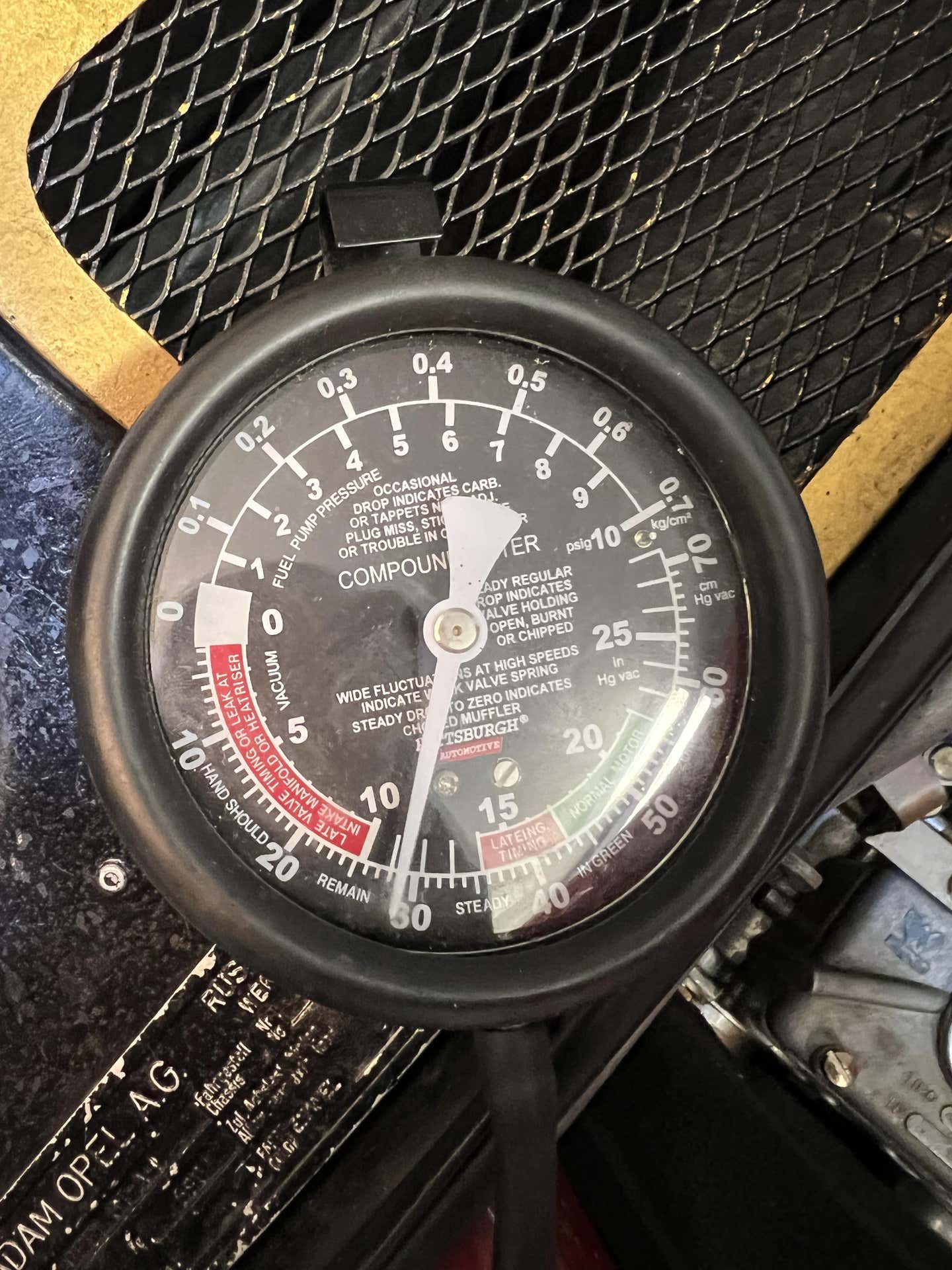
Vacuum gauges are the most common tools used for checking engine vacuum. They connect to the intake manifold and display the vacuum level in inches of mercury (inHg) or millimeters of mercury (mmHg). Using a gauge helps you spot issues like leaks, valve problems, or timing errors.
Mechanical gauges are simple and reliable, showing needle movement on a dial. They don’t need batteries and are great for quick checks. But if you want more detailed data or logging capabilities, digital gauges might be better.
Digital Vs Analog Tools
Digital vacuum gauges offer precise readings and often include extra features like data storage and graphing. They are easy to read, especially in low light or tight spaces. However, they require batteries and can be more expensive.
Analog gauges, on the other hand, are straightforward and usually more durable. They respond instantly and let you see fluctuations in real time. Which one you choose depends on your budget and how detailed you want your diagnostics.
Tips For Accurate Measurement
- Warm up your engine:Vacuum readings are most reliable when the engine is at normal operating temperature.
- Use a clean, leak-free hose:Any leaks in the hose or connections will give false readings.
- Connect to the right port:Attach the gauge to a dedicated vacuum port or the intake manifold for consistent results.
- Hold steady at idle:Avoid revving or sudden throttle changes while taking readings to get stable numbers.
- Repeat measurements:Taking several readings helps confirm accuracy and catches intermittent issues.
Have you ever noticed odd engine behavior but couldn’t pinpoint why? A simple vacuum gauge can reveal hidden problems quickly. Don’t underestimate the power of the right tool in your hands—it can save you time and money on repairs.
Credit: www.opelgt.com
Frequently Asked Questions
What Is The Normal Vacuum Reading At Idle?
A typical vacuum reading at idle ranges from 17 to 21 inches of mercury. This indicates a healthy engine with good compression and no leaks. Readings below 17 inches suggest possible engine problems like leaks or timing issues.
Why Does Vacuum Drop At Idle Sometimes?
Vacuum can drop at idle due to engine vacuum leaks, late ignition timing, or worn piston rings. These issues reduce cylinder pressure, lowering vacuum. Identifying the cause helps maintain engine efficiency and prevent further damage.
How To Measure Engine Vacuum At Idle?
Use a vacuum gauge connected to a manifold vacuum port. Start the engine and let it idle. The gauge will show the vacuum level in inches of mercury, helping diagnose engine health.
Can Low Vacuum At Idle Cause Engine Problems?
Yes, low vacuum at idle can lead to rough idling, poor fuel economy, and increased emissions. It often signals engine leaks or timing issues that need prompt repair.
Conclusion
Measuring vacuum at idle helps keep engines running smoothly. Normal vacuum ranges show the engine’s health and efficiency. Low or high vacuum signals possible problems needing attention. Regular checks can prevent costly repairs and improve performance. Understanding vacuum readings makes car care easier and safer.
Keep an eye on your engine’s vacuum for better driving. Simple tools and knowledge go a long way in maintenance. Stay aware, and your vehicle will serve you well.