Have you ever wondered how your refrigerator keeps your food fresh or how your air conditioner cools down a hot room? It all comes down to refrigerant, a vital component that works behind the scenes.
But how does refrigerant get cold? Understanding this process might seem complex, but don’t worry—it’s simpler than you think. By uncovering the secrets of refrigerant, you can appreciate the technology that brings comfort to your daily life. This knowledge might even help you troubleshoot issues or make informed decisions when it’s time for maintenance or repairs.
Get ready to dive into the fascinating world of refrigerants and discover how they magically transform hot air into a refreshing breeze. Keep reading to unlock the mysteries of how refrigerant gets cold and why it’s crucial for your appliances.
Credit: solutions.rdtonline.com
Refrigerant Basics
Understanding refrigerant basics helps explain how it cools the air. Refrigerant moves through a cycle inside cooling systems. It absorbs heat from inside and releases it outside. This process makes the air feel cold and comfortable. Knowing what refrigerant is and its types gives insight into how cooling works.
What Is Refrigerant
Refrigerant is a special fluid that changes from liquid to gas and back. It absorbs heat when it evaporates and releases heat when it condenses. This heat transfer creates the cooling effect. Refrigerants are key to air conditioners, refrigerators, and heat pumps. They carry heat out of the space to be cooled.
Types Of Refrigerants
Refrigerants come in different kinds, each with unique properties. Some common types include:
- Chlorofluorocarbons (CFCs):Older refrigerants, now mostly banned due to ozone harm.
- Hydrochlorofluorocarbons (HCFCs):Less damaging but still being phased out.
- Hydrofluorocarbons (HFCs):Widely used today, safer for the ozone layer.
- Natural Refrigerants:Such as ammonia, carbon dioxide, and propane.
Each type affects cooling efficiency, safety, and environmental impact differently. Choosing the right refrigerant balances performance with eco-friendliness.

Credit: www.reddit.com
The Cooling Cycle
The cooling cycle is the heart of how refrigerants get cold and keep your environment comfortable. It involves a continuous loop where the refrigerant changes states and moves through different parts of the system. Understanding this cycle can help you appreciate how your air conditioner or refrigerator works efficiently to cool the air around you.
Compression Process
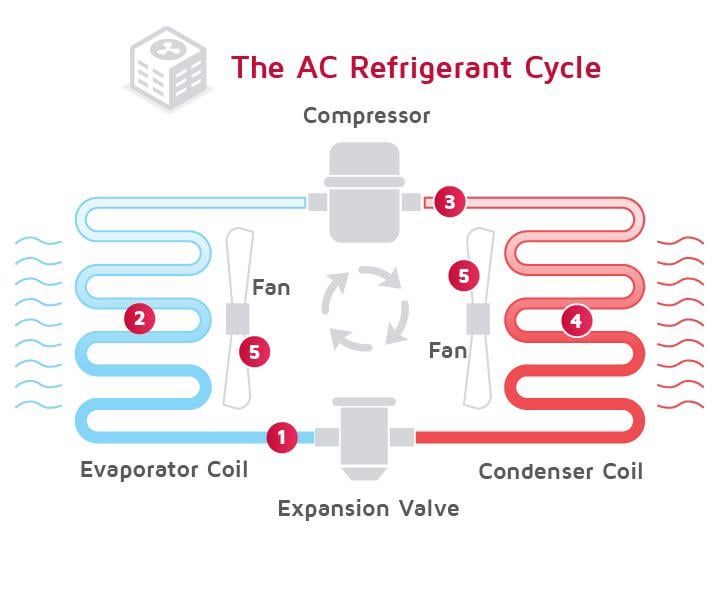
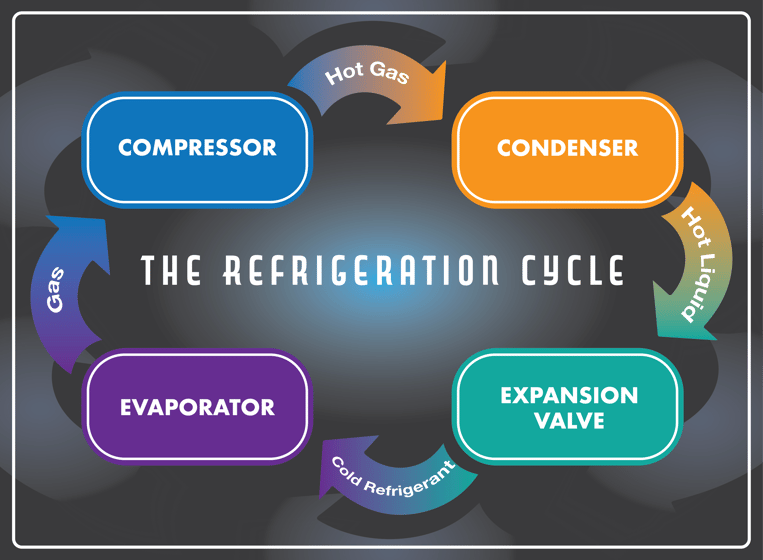
The cycle begins with the compressor squeezing the refrigerant gas. This compression raises the refrigerant’s pressure and temperature, making it hot and dense. You can think of it as preparing the refrigerant to release heat in the next phase.
Condensation Phase
Next, the hot, high-pressure refrigerant flows through the condenser coils. Here, it loses heat to the surrounding air and changes from a gas into a liquid. This process releases the heat outside your home, which is why the outdoor unit of your air conditioner feels warm.
Expansion Valve Role
The liquid refrigerant then passes through the expansion valve, which acts like a tiny gate. It reduces the pressure suddenly, causing the refrigerant to cool down dramatically. This pressure drop is crucial because it prepares the refrigerant to absorb heat in the next step.
Evaporation Stage
Finally, the cold, low-pressure refrigerant moves through the evaporator coils inside your home. Here, it absorbs heat from the indoor air, turning back into a gas. This absorption of heat cools your space, and the cycle starts over as the refrigerant returns to the compressor.
Heat Transfer Principles
Understanding how refrigerant gets cold starts with the basics of heat transfer principles. These principles explain how heat energy moves from one place to another, which is essential for the cooling process. By grasping these ideas, you can better appreciate how your air conditioner or fridge keeps things cool.
How Heat Moves
Heat always travels from a warmer area to a cooler one. This natural flow happens through three main ways:
- Conduction:Direct transfer of heat through a solid material.
- Convection:Movement of heat through fluids like air or liquid.
- Radiation:Transfer of heat through electromagnetic waves, like sunlight.
In refrigeration, convection plays a big role as the refrigerant absorbs heat from the air inside your fridge or room. Have you noticed how warm air near a radiator rises? That’s convection in action, helping to move heat around efficiently.
Role Of Pressure Changes
Pressure changes in the refrigerant are crucial for cooling. When the refrigerant is compressed, its temperature rises because the molecules squeeze together tightly. Then, when the pressure drops suddenly, the refrigerant cools down as it expands.
This cooling effect happens inside your AC or fridge coils. The refrigerant absorbs heat from the surrounding air as it evaporates under low pressure, making the air feel colder. Have you ever wondered why your air conditioner’s coils feel cold during operation? It’s all about pressure and heat transfer working together.

Credit: www.achrnews.com
Why Refrigerants Get Cold
Refrigerants get cold due to a special process involving changes in their state. This process allows them to absorb heat and lower temperatures effectively. Understanding why refrigerants get cold helps explain how air conditioners and refrigerators work.
Evaporation And Cooling
Refrigerants change from liquid to gas during evaporation. This change needs energy, which comes from the refrigerant itself. As the refrigerant evaporates, it uses heat energy from its surroundings. This loss of heat causes the refrigerant to become cold.
Absorbing Heat From Surroundings
When refrigerants evaporate, they pull heat from nearby objects or air. This heat absorption cools the air or surface around the refrigerant. The colder refrigerant then moves through the system to continue the cooling cycle.
Common Refrigerant Applications
Refrigerants play a key role in many cooling devices. They absorb heat and release it elsewhere. This process keeps things cold in various machines. Different applications use refrigerants to maintain low temperatures.
Home Refrigerators
Refrigerants in home refrigerators absorb heat inside the fridge. They change from liquid to gas to cool the interior. This keeps food fresh and safe to eat. The cycle repeats to maintain a steady cold temperature.
Air Conditioning Systems
Air conditioners use refrigerants to cool indoor air. The refrigerant picks up heat from inside and moves it outside. This process lowers room temperature. It creates a comfortable environment during hot days.
Industrial Cooling
Industries use refrigerants for large-scale cooling needs. They cool machinery, products, and storage areas. The refrigerant cycle helps maintain specific temperatures. This protects equipment and preserves materials.
Environmental Impact
The environmental impact of refrigerants is a crucial topic that affects both climate and ecosystems. Refrigerants, the substances that get cold in cooling systems, can contribute significantly to global warming if not managed properly. Understanding their effects helps you make better choices for your home or business cooling needs.
Global Warming Potential
Refrigerants vary widely in their Global Warming Potential (GWP), a measure of how much heat a gas traps in the atmosphere compared to carbon dioxide. Some older refrigerants like CFCs and HCFCs have extremely high GWP values, causing long-lasting damage to the ozone layer and accelerating climate change.
You might be surprised to learn that even small leaks from air conditioners or refrigerators can release these harmful gases. This contributes to a larger environmental problem, often unnoticed in daily life. What if your cooling system could reduce these emissions without sacrificing performance?
Eco-friendly Alternatives
Fortunately, there are refrigerants designed to have lower environmental impact. Hydrofluoroolefins (HFOs) and natural refrigerants like ammonia, CO2, and hydrocarbons offer solutions with much lower GWP.
Switching to these alternatives isn’t just good for the planet—it can also be cost-effective in the long run due to improved energy efficiency. Have you considered how updating your cooling system might reduce your carbon footprint and save money simultaneously?
- HFOs:Low GWP, non-ozone depleting, suitable for many applications
- Ammonia:Highly efficient and environmentally safe but requires careful handling
- CO2:Naturally occurring, non-toxic, and low GWP, increasingly popular in commercial refrigeration
- Hydrocarbons:Renewable and eco-friendly but flammable, so used with safety measures
Choosing the right refrigerant means balancing environmental responsibility with safety and performance. What steps can you take today to make your cooling system greener and more efficient?
Frequently Asked Questions
How Does Refrigerant Cool Down Air?
Refrigerant cools air by absorbing heat as it evaporates inside coils. This process removes warmth from the air, lowering its temperature.
Why Does Refrigerant Change From Liquid To Gas?
Refrigerant changes state to absorb heat efficiently. This phase change allows it to carry heat away from the cooled space.
What Role Does Compression Play In Refrigerant Cooling?
Compression raises refrigerant pressure and temperature, enabling it to release heat outside before cooling again inside the system.
How Does Evaporation Make Refrigerant Cold?
Evaporation absorbs heat from surrounding air, causing refrigerant temperature to drop. This cools the air passing over the coils.
Conclusion
Refrigerant cools by changing from gas to liquid and back again. This process removes heat from the air. The compressor, condenser, and evaporator work together smoothly. Each part plays a key role in cooling. Understanding this helps you appreciate how air conditioners work.
Now, you know why refrigerant gets cold. It’s all about moving heat away. This simple cycle keeps your space cool and comfortable.