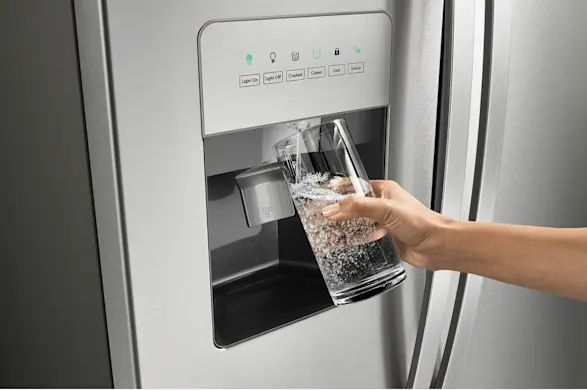
Imagine you’ve just received a boil water advisory, and suddenly, your refrigerator’s water line becomes a potential source of worry. You might be wondering how to ensure your water is safe to drink again.
Don’t worry; you’re not alone. Many find themselves in this situation, unsure of what steps to take next. But there’s good news: flushing your refrigerator’s water line is simpler than you might think, and it’s crucial to protect your health and peace of mind.
In this guide, we’ll walk you through the straightforward steps to flush your refrigerator water line effectively. You’ll learn how to restore confidence in the water you and your family drink. By the end of this article, you’ll feel empowered to take action, ensuring the water flowing from your fridge is as clean and safe as it should be. Ready to get started? Let’s dive in and make sure your water is worry-free once again.
Credit: www.cbsnews.com
Boil Water Advisory Basics
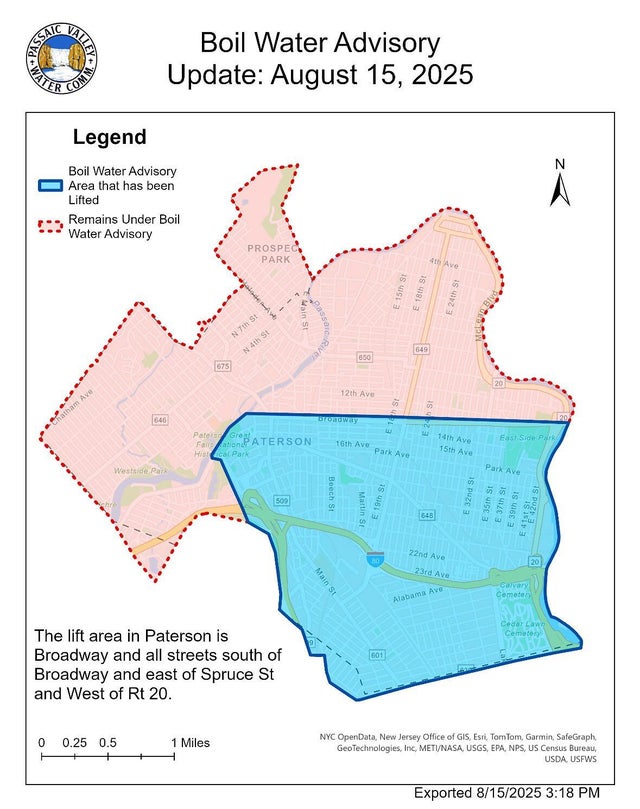
Understanding the basics of a boil water advisory is crucial when you want to keep your refrigerator’s water line safe and clean. These advisories alert you to potential contamination in your water supply, which can affect every faucet and appliance connected to your home’s plumbing. Knowing why these advisories happen and how they impact your fridge helps you take the right steps to protect your health.
Why Advisories Are Issued
Boil water advisories are usually issued when there is a risk that harmful bacteria, viruses, or parasites have entered the water supply. This can happen after heavy rains, pipe breaks, or problems at the water treatment plant.
Water providers want to make sure you don’t get sick from drinking or using contaminated water. Boiling water kills most harmful organisms, making it safe for use again. But have you ever thought about how long your water lines might hold onto these contaminants after the advisory is lifted?
Impact On Refrigerator Water Lines
Your refrigerator’s water line is a hidden spot where bacteria and contaminants can linger during a boil water advisory. Even after you start using water normally, the lines inside your fridge might still hold some unsafe water.
Since many people use refrigerator water dispensers or ice makers daily, ignoring the water line flush can expose you and your family to risks. Flushing the line thoroughly clears out any trapped contaminants and ensures fresh, clean water flows again.
Have you checked your fridge’s manual lately to see how to flush its water line? It might be easier than you think—and definitely worth the effort.
Preparing To Flush
Preparing to flush your refrigerator water line after a boil water advisory is crucial. Proper preparation ensures safe, clean water. It helps remove any bacteria or contaminants that may be inside the line. Take your time gathering supplies and following safety steps. This preparation makes the flushing process smooth and effective.
Gathering Necessary Supplies
Having the right tools ready makes the task easier. Collect these items before you start:
- Clean container or bucket to catch water
- Paper towels or clean cloths for spills
- Faucet or refrigerator water line shutoff valve access
- Gloves to protect your hands
- Dish soap and sponge for cleaning the area
- Flashlight, if the water line is in a dark spot
Safety Precautions
Safety is important during flushing. Follow these tips:
- Turn off the refrigerator’s water supply before starting
- Wear gloves to avoid contact with contaminants
- Keep the area dry to prevent slips and falls
- Do not use hot water; cold water is safer for flushing
- Dispose of flushed water safely, away from food or pets
Step-by-step Flushing Process
Flushing your refrigerator water line after a boil water advisory is crucial to ensure the water you drink is safe and clean. The process might seem intimidating, but breaking it down into clear steps makes it manageable. Here’s a detailed guide to help you flush the system effectively and restore peace of mind.
Turning Off Water Supply
Start by locating the water supply valve that feeds your refrigerator. It’s usually found under the sink or behind the fridge. Turn this valve clockwise to shut off the water flow completely.
This step prevents any additional contaminated water from entering the line during flushing. If you’re unsure where the valve is, check your refrigerator’s manual or look for the small pipe connected to the back of the fridge.
Disconnecting The Water Line
Next, gently disconnect the water line from the back of your refrigerator. You might need a wrench or pliers for this, but be careful not to damage the fittings. Keep a towel handy to catch any water that might spill out.
Disconnecting the line allows you to flush the tubing directly, ensuring all old water and potential contaminants are cleared out. Have you noticed any mineral build-up or discoloration around this area? It’s a good sign you need a thorough flush.
Flushing With Clean Water
Attach a clean hose or use a container of fresh, potable water to flush the disconnected water line. Let the water run through until it flows clear and free of any sediment or cloudiness. This may take a few minutes depending on the length of your water line.
It’s important to use water from a trusted source here. If you have a water filter at home, this is a great time to use filtered water for flushing. Think about how much water actually sits in your lines—flushing helps remove all the stagnant water that may harbor bacteria.
Reconnecting The Water Line
Once flushed, carefully reconnect the water line to your refrigerator. Make sure the connection is tight to prevent leaks but avoid overtightening, which can cause damage. Double-check the fittings and wipe away any moisture around the joint.
Have you ever experienced a small leak that went unnoticed for days? It’s surprising how a loose connection can waste water and cause damage. Taking a moment here saves you headaches later.
Running Water Through The Dispenser
Turn the water supply back on and run water through the refrigerator’s dispenser for at least 5 minutes. This flushes out any remaining impurities inside the fridge’s internal water system. Use a large container to catch the water and discard it—this water should not be consumed yet.
Pay attention to the taste and clarity of the water during this process. Does it improve gradually? If not, repeating the flush might be necessary. Are you ready to enjoy fresh, clean water straight from your fridge again?
Post-flushing Tips
After flushing your refrigerator water line following a boil water advisory, it’s important to take a few extra steps to ensure your water dispenser and ice maker are safe and functioning properly. These post-flushing tips will help you maintain the quality of your water and avoid common issues that can arise after flushing.
Checking For Leaks
Once you finish flushing, carefully inspect the water line connections and the area around your refrigerator. Look for any signs of water pooling or dampness that could indicate a leak.
Even a small drip can waste water and cause damage over time. If you spot a leak, tighten the fittings or replace any damaged parts immediately to prevent bigger problems.
Cleaning The Dispenser
Flushing removes contaminants from the line, but your dispenser might still hold some residue. Use a clean cloth and mild soap to wipe the dispenser nozzle and catch tray.
Rinsing the dispenser with fresh water afterward helps keep the taste fresh and avoids any build-up that could affect water flow.
When To Replace The Filter
Your refrigerator’s water filter plays a crucial role in maintaining water quality. If you haven’t replaced it recently, now is a good time to check the filter’s condition.
Most manufacturers recommend changing the filter every 6 months, but after a boil water advisory, replacing it sooner can help ensure the water you drink is clean and safe.
Preventing Future Issues
Preventing future issues with your refrigerator water line is essential after a boil water advisory. Taking simple steps can keep your water safe and your appliance working well. Careful attention to maintenance and water quality helps avoid contamination and damage.
Regular Maintenance Schedule
Set a regular schedule for checking your refrigerator water line. Inspect hoses and connections for leaks or damage. Replace filters as recommended by the manufacturer. Clean the water dispenser and ice maker parts often. Keeping everything clean prevents bacteria buildup and clogs.
- Check water filter every 3 to 6 months
- Inspect hoses for cracks or wear monthly
- Clean dispenser area weekly
- Flush water line after any water advisory
Monitoring Water Quality
Keep an eye on your water quality to catch problems early. Notice any changes in taste, smell, or color. Use a home water test kit for basic checks. Contact your water provider for reports on local water safety. Good water quality means better health and longer appliance life.
- Test water quarterly for contaminants
- Report unusual water changes immediately
- Use filtered or bottled water if needed
- Stay informed about local water advisories

Credit: www.reddit.com
Credit: www.ph.lacounty.gov
Frequently Asked Questions
How Long Should I Flush The Refrigerator Water Line?
Flush the refrigerator water line for at least 5 minutes. This removes any contaminated water after a boil advisory. Running water clears out impurities and ensures safe drinking water from your fridge dispenser.
Why Is Flushing The Water Line After A Boil Advisory Important?
Flushing removes bacteria and contaminants from the pipes. It ensures your refrigerator dispenses clean, safe water. This step prevents health risks associated with drinking contaminated water.
Can I Use The Refrigerator Water During A Boil Advisory?
No, avoid using the refrigerator water until the advisory is lifted. The water may contain harmful bacteria or viruses. Only use boiled or bottled water until flushing is complete.
How Often Should I Flush The Refrigerator Water Line?
Flush after any boil water advisory and when replacing the water filter. Regular flushing keeps the water line clean and maintains water quality. It also helps extend the lifespan of your refrigerator’s water system.
Conclusion
Flushing your refrigerator water line after a boil water advisory keeps your water safe. Follow the steps carefully to remove any contaminants. Clean water protects your health and the taste of your drinks. Regular flushing helps avoid future problems with water quality.
Stay safe by acting quickly after an advisory ends. Clean water means peace of mind for you and your family. Simple steps make a big difference in water safety. Take action today to enjoy fresh, clean water from your fridge.