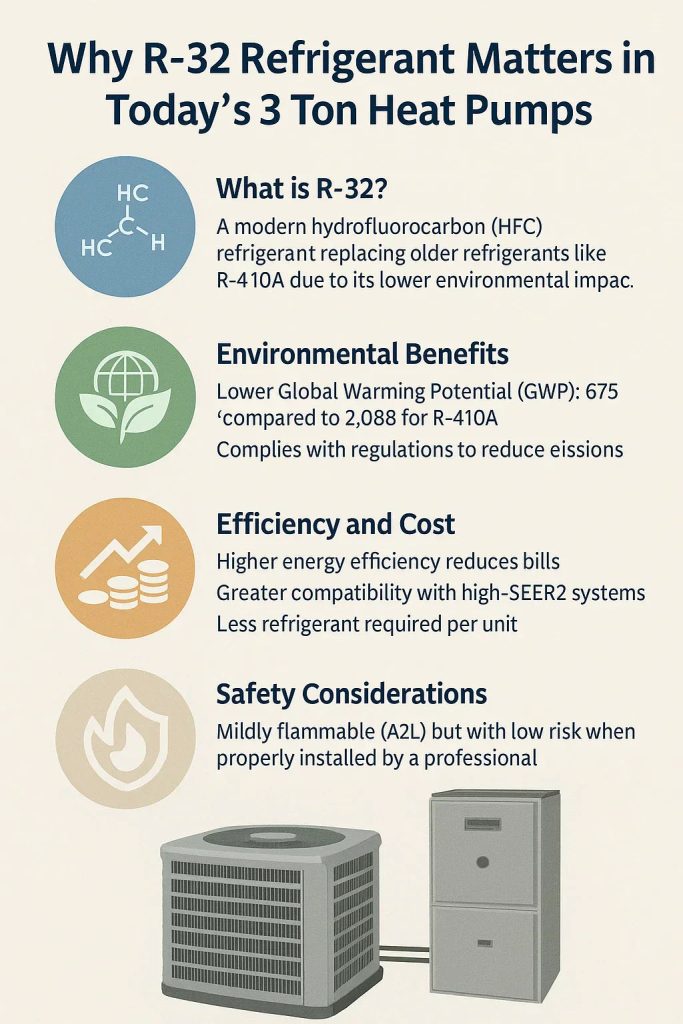
Have you ever wondered how much refrigerant your 3-ton air conditioning unit needs to work efficiently? Understanding this can not only help you save money but also keep your home comfortable during those sweltering summer months.
Imagine being able to confidently manage your AC unit, ensuring it operates at peak performance while reducing the risk of costly repairs. By the end of this article, you’ll know exactly how much refrigerant your 3-ton unit requires and why it’s crucial for maintaining the perfect indoor climate.
Dive in, and let’s make sure your home stays cool and your energy bills stay low!
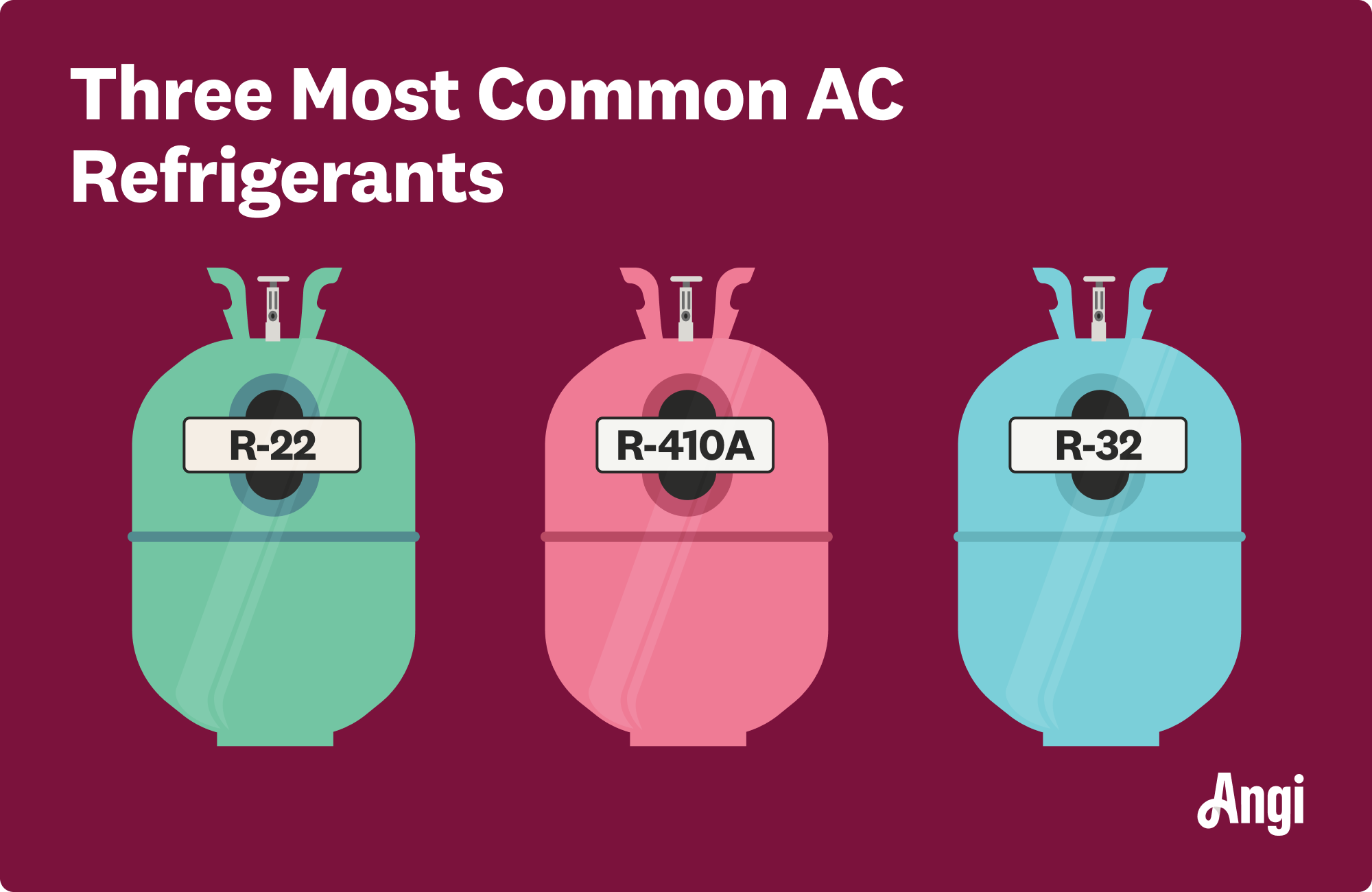
Credit: www.angi.com
Refrigerant Basics
Understanding refrigerant basics is essential if you want to maintain or troubleshoot your 3 ton HVAC unit effectively. Refrigerant is the lifeblood of your cooling system, carrying heat away from your home to keep things comfortable. Knowing how it works helps you spot problems early and avoid costly repairs.
Types Of Refrigerants
There are several types of refrigerants used in air conditioning units. Some common ones include:
- R-22:Older systems often use this, but it’s being phased out due to environmental concerns.
- R-410A:A popular choice in newer units, known for better efficiency and eco-friendliness.
- R-32:Gaining popularity for its lower environmental impact and high performance.
Each refrigerant has unique properties affecting how much your system needs and how it operates. If you have an older AC, check the refrigerant type before adding any gas—mixing refrigerants can damage your system.
Role Of Refrigerant In Cooling
Refrigerant absorbs heat from the air inside your home and releases it outside. It cycles through your AC system, changing from liquid to gas and back, carrying heat away with it.
Without the right amount of refrigerant, your unit can’t cool effectively. Too little refrigerant means your AC struggles to keep temperatures down, while too much can cause pressure issues and damage.
Have you ever noticed your AC blowing warm air? It could be a sign of low refrigerant. Paying attention to this can save you from expensive fixes later.

Credit: www.reddit.com
Factors Influencing Refrigerant Amount
The amount of refrigerant in a 3 ton unit varies based on several factors. These factors affect how much refrigerant is needed for the system to work efficiently. Understanding these elements helps in maintaining the unit properly and avoiding issues.
Unit Size And Capacity
The size of the unit directly impacts refrigerant quantity. Larger units need more refrigerant to cool effectively. A 3 ton unit has a specific capacity that requires a certain amount of refrigerant. This amount is designed to match the cooling load and ensure optimal performance.
System Design Variations
Different HVAC systems have unique designs. Some use more refrigerant due to longer tubing or additional components. Variations in coil size, compressor type, and piping layout also change refrigerant needs. Proper design ensures the system uses the right refrigerant amount for efficiency.
Environmental Considerations
Climate and location influence refrigerant levels. Hotter areas may require adjustments to refrigerant charge. Environmental regulations can limit the type and amount of refrigerant used. These factors ensure the system runs safely and meets legal standards.
Standard Refrigerant Quantity For 3 Ton Units
The amount of refrigerant in a 3 ton air conditioning unit varies but follows standard guidelines. Correct refrigerant charge is crucial for efficiency and cooling performance. Too little or too much refrigerant can harm the system and increase energy use. Knowing the standard refrigerant quantity helps maintain your unit properly and avoid costly repairs.
Average Refrigerant Charge
Most 3 ton units require about 6 to 10 pounds of refrigerant. The exact amount depends on the system design and refrigerant type. This range fits common refrigerants like R-22 and R-410A. Technicians use gauges to measure and adjust the charge during service. Proper charge ensures the unit cools well and runs smoothly.
Manufacturer Specifications
Manufacturers provide refrigerant charge details on the unit’s data plate. This label shows the ideal refrigerant weight and type. Following these specifications guarantees safe and efficient operation. Always check the unit’s manual or data plate before adding refrigerant. Overcharging or undercharging can void warranties and damage the compressor.
Measuring Refrigerant Levels
Measuring refrigerant levels in a 3 ton unit is essential for efficient cooling. Proper levels ensure the system works well and saves energy. Low or high refrigerant can cause damage or reduce performance. Checking the amount helps spot leaks or other issues early. Accurate measurement keeps your unit running smoothly and extends its life.
Tools And Equipment Needed
- Manifold gauge set to read pressure
- Thermometer for temperature checks
- Refrigerant scale to measure weight
- Leak detector to find leaks
- Safety gloves and goggles
- Service valve wrench
Step-by-step Charging Process
Connect the manifold gauge set to the service ports. Attach the refrigerant tank securely. Turn on the unit and let it run for a few minutes. Check the pressure on the gauges. Compare pressure readings to the manufacturer’s specifications. Use the thermometer to measure the suction line temperature. Calculate superheat or subcooling as needed. Slowly add refrigerant while monitoring the gauges. Stop adding when the proper pressure and temperature are reached. Close the valves and disconnect the equipment carefully. Check for leaks one more time before finishing.
Signs Of Incorrect Refrigerant Charge
Incorrect refrigerant charge in a 3 ton unit causes clear signs. These signs tell you something is wrong inside the system. Catching these signs early helps avoid bigger problems.
Performance Issues
The air conditioner may not cool the space well. It might take longer to reach the set temperature. Airflow could feel weaker or uneven in some rooms. Strange noises or frost on the coils may appear. These issues often mean the refrigerant level is wrong.
Energy Efficiency Impact
A wrong refrigerant charge makes the unit work harder. It uses more electricity than normal. This raises energy bills without better cooling. The system runs longer cycles and wastes power. Keeping the right refrigerant amount saves energy and money.
Potential System Damage
Low or high refrigerant levels stress the compressor. This part can overheat or fail early. Other components may wear out faster too. Repairs can be expensive and time-consuming. Maintaining the correct refrigerant charge protects the whole system.

Credit: www.geappliancesairandwater.com
Safe Handling And Environmental Tips
Handling refrigerant safely protects both people and the environment. Refrigerants can harm the ozone layer and contribute to global warming. Proper care helps reduce leaks and contamination. Knowing how to manage refrigerants is essential for any HVAC work.
Proper Disposal Methods
Refrigerants should never be released into the air. Recovering refrigerant with special equipment is necessary. Certified technicians must perform this task. Once recovered, refrigerant can be recycled or destroyed safely.
- Use EPA-approved recovery machines.
- Store recovered refrigerant in clean, sealed containers.
- Recycle refrigerant through licensed facilities.
- Dispose of unusable refrigerant following local rules.
Regulations And Compliance
Many countries have strict laws about refrigerant use and disposal. Following these rules avoids legal trouble and fines. Technicians need proper certification to handle refrigerants. Regular inspections ensure compliance with environmental standards.
- Obtain certification for refrigerant handling.
- Keep records of refrigerant purchase and disposal.
- Report refrigerant leaks as required by law.
- Stay updated on changes in regulations.
Hiring Professionals Vs Diy Charging
Deciding between hiring professionals and charging refrigerant yourself is important. Refrigerant charging requires precision and care. Mistakes can cause damage and reduce efficiency. Professionals have the right tools and knowledge. DIY charging may save money but comes with risks. Understanding these points helps make the best choice for your 3 ton unit.
Benefits Of Expert Service
- Accurate measurement of refrigerant levels
- Proper handling of refrigerant materials
- Use of specialized tools and equipment
- Identification of leaks and system issues
- Compliance with environmental regulations
- Ensures optimal system performance
- Reduces risk of costly repairs later
Risks Of Incorrect Charging
- Overcharging can damage the compressor
- Undercharging leads to poor cooling
- Leaks may go unnoticed and worsen
- Improper handling risks refrigerant exposure
- System efficiency and lifespan decline
- May void manufacturer warranty
- Potential legal issues with refrigerant laws
Frequently Asked Questions
How Much Refrigerant Is In A 3 Ton Ac Unit?
A 3 ton AC unit typically requires about 6 to 8 pounds of refrigerant. Exact amounts depend on the system design and refrigerant type. Proper refrigerant levels ensure efficient cooling and prevent damage to the compressor. Always check manufacturer specifications for precise guidelines.
What Type Of Refrigerant Is Used In 3 Ton Units?
Most 3 ton AC units use R-410A refrigerant today. Older systems may use R-22, but it’s being phased out. R-410A is more environmentally friendly and efficient. Always verify the refrigerant type on the unit’s label before recharging.
How Do I Know If My Refrigerant Is Low?
Signs of low refrigerant include weak cooling, longer run times, and ice on coils. Low refrigerant can cause higher energy bills and system damage. A professional HVAC technician can perform a leak test and recharge the system safely.
Can I Add Refrigerant To My 3 Ton Unit Myself?
It’s not recommended to add refrigerant yourself. Handling refrigerants requires specialized tools and certification. Improper charging can damage the system and harm the environment. Always hire a licensed HVAC professional for refrigerant service.
Conclusion
Knowing the right refrigerant amount keeps your 3 ton unit working well. Too little or too much can cause problems. Regular checks help keep the system efficient and last longer. Always trust a professional to handle refrigerant safely. Proper care saves money and avoids damage.
Understanding this helps you maintain a comfortable home. Simple steps make a big difference in cooling performance. Keep your unit balanced for the best results.