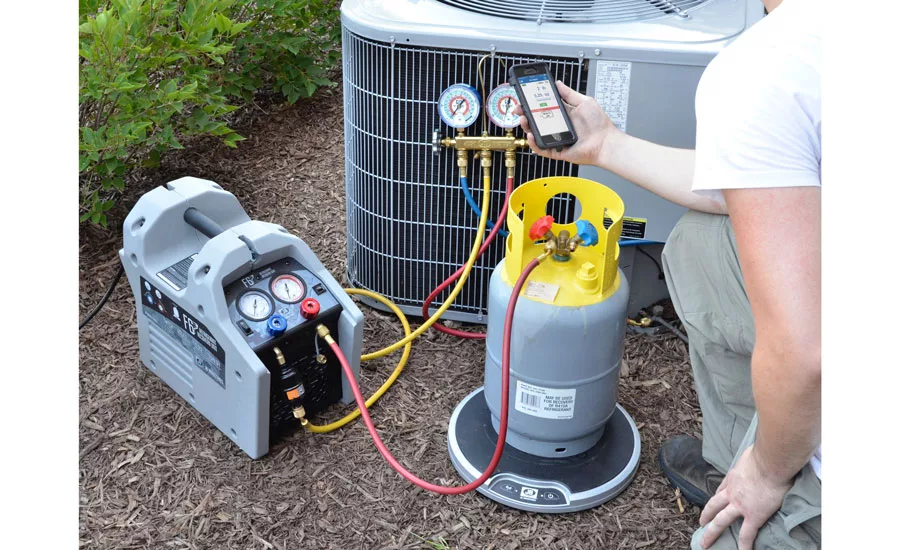
Are you eager to master the art of using a refrigerant recovery machine? Whether you’re a seasoned technician or a DIY enthusiast, understanding how to use this crucial tool can save you time, money, and headaches.
Imagine effortlessly recovering refrigerants, maintaining your HVAC systems, and ensuring a safer environment. This guide is designed just for you, breaking down the process into simple, actionable steps. Discover how you can make your refrigeration tasks quicker and more efficient, while also complying with environmental regulations.
Dive in to unlock the secrets that professionals swear by and transform your approach to refrigerant recovery.

Credit: www.achrnews.com
Choosing The Right Recovery Machine
Choosing the right refrigerant recovery machine is crucial for efficient and safe HVAC maintenance. The right machine saves you time, protects the environment, and ensures compliance with regulations. Understanding the types, features, and certifications can help you make an informed decision tailored to your specific needs.
Types Of Refrigerant Recovery Machines
There are mainly three types of refrigerant recovery machines: portable, stationary, and recovery units with built-in vacuum pumps. Portable machines are lightweight and ideal for small jobs or fieldwork. Stationary units work well in workshops and handle larger volumes of refrigerant quickly.
Some machines combine recovery and vacuum functions, streamlining your workflow by reducing the need to switch equipment. Think about your typical job size and frequency before choosing a type. Have you ever struggled with a bulky machine on-site? Portability might be your top priority.
Key Features To Consider
Look for features like recovery speed, ease of use, and compatibility with refrigerant types you handle. A machine with a high recovery rate means less downtime and more efficiency. Digital displays and automatic shut-off functions add convenience and reduce the risk of overfilling tanks.
Consider the weight and size of the machine if you move between job sites often. Easy-to-clean filters and serviceable parts will save you headaches in the long run. What features have made your current tools easier or harder to work with?
Safety Certifications And Standards
Always check for safety certifications such as AHRI (Air-Conditioning, Heating, and Refrigeration Institute) and UL (Underwriters Laboratories). These indicate that the machine meets industry safety and performance standards. Using certified equipment protects you and your clients from potential hazards.
Compliance with EPA regulations is also essential for handling refrigerants responsibly. Machines that meet these standards help you avoid fines and legal issues. Do you know if your current recovery tools meet these critical certifications?

Credit: www.achrnews.com
Preparing For Recovery
Preparing for refrigerant recovery is a crucial step for safe and effective operation. Taking the right measures ensures the process runs smoothly. It also protects the environment and the technician.
Before starting, gather all necessary tools and equipment. Identify the type of refrigerant involved. Arrange your workspace to avoid hazards and keep things organized.
Necessary Tools And Equipment
Collect all items before beginning the recovery process. Essential tools include:
- Refrigerant recovery machine
- Recovery cylinders
- Manifold gauge set
- Vacuum pump
- Personal protective equipment (gloves, goggles)
- Leak detector
Having everything ready saves time and prevents errors.
Checking The Refrigerant Type
Identify the refrigerant type in the system. Look for labels or documentation on the equipment. Using the wrong recovery method can cause damage or leaks.
Common refrigerants include R-22, R-410A, and R-134a. Confirm the type matches the recovery machine settings and cylinders used.
Setting Up The Workspace Safely
Choose a well-ventilated area to avoid refrigerant buildup. Keep the workspace clean and free of obstacles. Position recovery cylinders upright and secure them to prevent tipping.
Check for sources of ignition nearby. Turn off electrical equipment that could spark. Wear protective gear to guard against refrigerant exposure.
Machine Setup
Setting up a refrigerant recovery machine correctly is essential for safe and efficient operation. The setup process includes connecting hoses, powering the machine, and configuring the settings. Careful attention during this phase helps avoid leaks and ensures proper refrigerant recovery.
Each step of the setup requires basic knowledge but careful handling. Follow these instructions to prepare your machine for use.
Connecting Hoses Correctly
Use the right hoses designed for refrigerant recovery. Connect the low-pressure hose to the low-side service port on the system. Attach the high-pressure hose to the high-side service port. Make sure all connections are tight and secure to prevent leaks. Check for any visible damage on hoses before use.
Powering The Machine
Plug the machine into a grounded electrical outlet matching its voltage requirements. Avoid using extension cords to reduce power loss. Turn on the main power switch. Wait for the machine’s display or indicator lights to show it is ready. Ensure the work area is dry and free from hazards before powering on.
Configuring Settings For Recovery
Set the machine to the correct refrigerant type. Use the control panel or touchscreen to select the refrigerant model. Adjust recovery mode to match system needs, such as vapor or liquid recovery. Set pressure limits according to manufacturer guidelines. Review all settings before starting recovery to ensure accuracy.

Credit: yellowjacket.com
Step-by-step Recovery Process
The refrigerant recovery process requires careful attention to detail. Following clear steps ensures safe and efficient recovery. This section breaks down the key stages of using a refrigerant recovery machine.
Starting The Machine
Begin by connecting the recovery machine to the system and power source. Check all hoses and fittings for tight connections. Open the valves on the refrigerant cylinders carefully. Switch on the recovery machine and let it run for a few moments. Observe the machine’s startup sequence to confirm it operates smoothly.
Monitoring Pressure And Temperature
Watch the pressure gauges closely as the refrigerant moves. Temperature readings help track the refrigerant’s state inside the system. Keep an eye on both low and high side pressures. Make sure values stay within safe limits to avoid damage. Adjust valves or settings as needed for steady recovery.
Stopping And Securing The System
Turn off the recovery machine after the refrigerant is fully extracted. Close all valves on the recovery cylinder and the system. Disconnect hoses carefully to avoid leaks. Store the recovered refrigerant in a proper container. Finally, check the system for any signs of leaks or damage before finishing.
Post-recovery Procedures
After completing refrigerant recovery, follow key post-recovery procedures. These steps ensure safety and proper handling of the recovered refrigerant. They protect the environment and keep your equipment in good condition. Pay close attention to each task to avoid leaks and damage.
Disconnecting Equipment Safely
Turn off the recovery machine and close all valves. Release pressure slowly to avoid sudden gas release. Detach hoses carefully to prevent refrigerant spills. Use gloves and safety glasses for protection. Store tools and equipment in a clean, dry place.
Checking For Leaks
Inspect all connections and hoses for signs of leaks. Use a leak detector or soapy water for detection. Look for bubbles or hissing sounds around joints. Repair or replace any damaged parts immediately. Leak-free equipment prevents refrigerant loss and hazards.
Storing Or Recycling Recovered Refrigerant
Store recovered refrigerant in approved, labeled containers only. Keep containers in a cool, ventilated area away from heat. Never mix different types of refrigerants in one container. Arrange for proper recycling or disposal following local regulations. Proper storage helps protect the environment and complies with laws.
Maintenance Tips For Recovery Machines
Maintaining your refrigerant recovery machine keeps it running smoothly and safely. Regular care prevents breakdowns and extends its life. Simple maintenance tasks help avoid costly repairs and improve performance. Follow these tips to keep your machine in top shape.
Regular Cleaning
Clean the machine regularly to remove dust and dirt. Wipe the exterior with a soft cloth. Clear any debris from vents to ensure proper airflow. Clean hoses and connectors after each use to avoid contamination. Proper cleaning reduces wear and improves efficiency.
Replacing Filters And Components
Check filters often and replace them if dirty or clogged. Use the manufacturer’s recommended filters for best results. Inspect hoses, seals, and valves for cracks or leaks. Replace worn parts immediately to prevent machine damage. Keeping components fresh ensures safe and effective recovery.
Troubleshooting Common Issues
Monitor the machine for unusual noises or vibrations. Check gauge readings to spot pressure problems early. If the machine won’t start, verify power supply and connections. Clear blockages in hoses or valves to restore flow. Regular checks help identify issues before they get worse.
Safety Tips And Best Practices
Using a refrigerant recovery machine requires care and attention. Safety is key to protect yourself and the environment. Follow these safety tips and best practices for smooth operation. They help reduce risks and ensure proper handling of refrigerants.
Using Personal Protective Equipment
Always wear personal protective equipment (PPE) before starting. Use safety glasses to protect your eyes. Gloves prevent skin contact with refrigerants. Wear long sleeves and pants to reduce exposure. A face mask helps avoid inhaling harmful fumes. PPE creates a safe barrier while working.
Handling Refrigerants Responsibly
Handle refrigerants with care to avoid leaks. Keep containers sealed when not in use. Store refrigerants in a cool, dry place away from heat. Avoid releasing refrigerants into the air. Use proper tools and equipment designed for refrigerants. Follow local laws and guidelines for disposal and recovery.
Emergency Procedures
Know what to do in an emergency. Move to fresh air if you smell refrigerant or feel dizzy. Avoid open flames or sparks near leaks. Have a fire extinguisher nearby in case of fire. Call emergency services if a large leak occurs. Report any accidents immediately to supervisors.
Frequently Asked Questions
What Is A Refrigerant Recovery Machine Used For?
A refrigerant recovery machine safely removes refrigerant from HVAC systems. It prevents harmful gases from escaping into the atmosphere. This tool is essential during repairs or system disposal to comply with environmental regulations.
How Do You Operate A Refrigerant Recovery Machine Safely?
First, connect the machine to the system’s service ports. Ensure all valves are closed before starting. Turn on the machine and monitor pressure gauges. Always wear protective gear and follow manufacturer instructions to avoid leaks and accidents.
Can A Refrigerant Recovery Machine Be Used On All Refrigerants?
Most recovery machines work with common refrigerants like R-22 and R-410A. However, check the machine’s specifications to confirm compatibility. Using the wrong machine can damage equipment and cause safety hazards. Always verify before use.
How Long Does Refrigerant Recovery Typically Take?
Recovery time depends on system size and refrigerant type. Small systems may take 10-20 minutes; larger ones may need 30 minutes or more. Efficient machines and proper technique help speed up the process while ensuring complete recovery.
Conclusion
Using a refrigerant recovery machine keeps the environment safe. It helps you remove refrigerant quickly and cleanly. Always follow the steps carefully for best results. Regular maintenance of your machine ensures it works well. Stay cautious and wear safety gear during the process.
This tool makes refrigerant handling easier and safer. Remember, proper use protects both you and the air. Practice often to improve your skills and confidence. Keep learning to handle refrigerants responsibly every time.