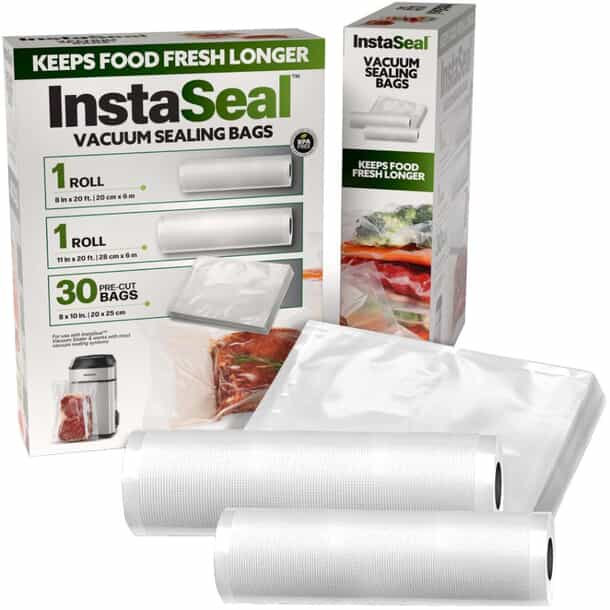
Have you ever found yourself knee-deep in clutter, desperately wishing for a magic solution to make everything fit just right? Vacuum seal bags might just be the lifesaver you need.
They promise to shrink down your belongings, offering more space and less chaos. But here’s the big question: are vacuum seal bags universal? Can you use any bag with any vacuum, or is there more to the story? This blog will unravel the mystery, providing you with the insights you need to make the most of these handy storage solutions.
Stick around to discover whether your vacuum seal bags are truly a one-size-fits-all solution or if there’s a bit more to consider.
Vacuum Seal Bags Basics
Understanding the basics of vacuum seal bags is key before deciding if they are truly universal for your needs. These bags come in various forms and materials, each designed to work with specific sealing devices and storage requirements. Knowing how they function can help you pick the right type and avoid wasting money on bags that don’t fit your vacuum sealer.
Types Of Vacuum Seal Bags
There are multiple types of vacuum seal bags available, each suited for different uses:
- Textured Bags:These have a special embossed surface that allows air to be sucked out efficiently. They are typically used with chamber vacuum sealers.
- Flat Bags:Smooth and flat, these are ideal for external vacuum sealers but often require careful placement to ensure a tight seal.
- Roll Bags:These come in rolls that you can cut to any size, offering flexibility for oddly shaped items.
- Reusable Bags:Designed for multiple uses, they are often dishwasher safe and made from durable materials.
Common Materials Used
Vacuum seal bags are usually made from a combination of plastic layers to provide strength, flexibility, and airtight sealing. The most common materials include:
- Polyethylene (PE):This forms the inner layer providing the heat seal and food safety.
- Polyamide (Nylon):Often used as the outer layer for puncture resistance and durability.
- Polypropylene (PP):Sometimes added for extra strength and clarity.
Choosing the right material matters because it affects how well your food or items stay fresh and safe from freezer burn.
How Vacuum Seal Bags Work
Vacuum seal bags remove air around your food or belongings, drastically slowing down spoilage and oxidation. When you place an item inside and seal the bag, the vacuum sealer sucks out the air and melts the bag’s edges together.
This creates a tight, airtight environment that keeps moisture and bacteria out. Have you noticed how vacuum-sealed coffee stays fresh much longer? That’s the airtight seal at work, preserving flavor and aroma by cutting off oxygen.
But remember, not all bags fit all sealers. Using the wrong bag can cause poor seals or damage your machine. Are your vacuum seal bags compatible with your sealer’s model? Checking this before buying can save you hassle and money.
Compatibility Factors
Understanding compatibility factors helps to know if vacuum seal bags fit your needs. Different elements affect how well bags work with your vacuum sealer. These factors include size, machine type, and bag thickness. Each plays a key role in sealing success and food preservation.
Bag Sizes And Dimensions
Vacuum seal bags come in various sizes and shapes. Choosing the right size avoids wasted space and ensures a tight seal. Bags too small won’t hold your items properly. Bags too large may not seal correctly or fit the machine. Always check the bag dimensions match your sealer’s capacity.
Sealer Machine Types
Not all vacuum sealers use the same sealing method. Some use external sealing bars, while others have built-in rolls for custom bag length. External sealers work with pre-cut bags, but roll-style sealers require compatible bags or rolls. Check if your sealer needs special bags or can use generic ones. Machine type affects bag compatibility and sealing quality.
Bag Thickness And Strength
Bag thickness varies by purpose. Thicker bags resist punctures and last longer. Thin bags save space but may tear easily. Choose bag strength based on the food type and storage time. Stronger bags suit sharp or heavy items. Ensure your vacuum sealer can handle the bag thickness for proper sealing.
Universal Vacuum Seal Bags Myth
Many believe vacuum seal bags work universally with all machines. This idea is common but not always true. Different vacuum sealers use different sealing methods and bag materials. Using the wrong bag can cause poor sealing or damage. Understanding why universal bags are rare helps avoid these problems.
Why Universal Bags Are Rare
Vacuum sealers vary by brand and model. Some use textured bags; others need smooth ones. Thickness and material type also differ. These factors affect how well the bag seals. Universal bags would need to work perfectly with all these variations. This is hard to achieve in practice.
Manufacturers design bags to match their machines. This ensures strong seals and prevents air leaks. Bags not designed for a specific sealer may fail. This makes true universal vacuum seal bags rare and less reliable.
Potential Risks Of Using Non-compatible Bags
- Seal failure leading to spoiled food
- Damage to the vacuum sealer’s heating element
- Air leaks reducing food freshness
- Wasted money on unusable bags
- Potential for melted or burned bags
Using the wrong bag risks your food and machine. The sealer might not detect the bag properly. This causes incomplete vacuum or weak seals. Choosing the right bag type prevents these issues.

Credit: www.homehardware.ca
Choosing The Right Vacuum Seal Bag
Choosing the right vacuum seal bag improves food preservation and saves money. Not all bags fit every sealer or storage need. Picking the correct bag ensures a strong seal and keeps food fresh longer. Consider the type of sealer, what you store, and your budget for best results.
Matching Bags With Sealers
Vacuum seal bags must work with your sealer model. Some sealers need bags with specific textures or thickness. Smooth bags might not seal well in all machines. Check your sealer’s instructions for recommended bag types. Using the right bag prevents air leaks and keeps food safe.
Considering Food Storage Needs
Different foods need different vacuum bags. Dry goods like nuts use regular bags. Moist or liquid foods need special bags that prevent leaks. Large items require bigger bags with strong seals. Choose bags that match the size and type of your food. This helps avoid spoilage and freezer burn.
Cost Vs. Quality
Cheap bags may save money but risk poor sealing. High-quality bags have thicker material and better durability. They protect food longer and resist punctures. Consider how often you use vacuum sealing. Frequent users benefit from investing in quality bags. Less frequent users can try budget options but watch for bag failures.
Tips For Optimal Use
Using vacuum seal bags effectively can make a huge difference in how well your food stays fresh and protected. The right techniques and care help you avoid common mistakes like leaks or bag damage. Let’s look at practical tips that help you get the most out of your vacuum seal bags.
Proper Sealing Techniques
Make sure the bag’s opening is clean and dry before sealing. Any crumbs or moisture can prevent a tight seal.
Leave enough space—about 2 to 3 inches—between your food and the seal line. This gives the machine enough room to create a strong seal without sucking in the contents.
Try sealing twice if you’re unsure. Running the seal bar over the same spot again can reinforce the seal and reduce the chance of air leaks.
Storage And Maintenance
Store vacuum seal bags in a cool, dry place away from direct sunlight. Heat and UV light can weaken the plastic over time.
Keep the bags flat or rolled loosely to avoid creases that might cause weak spots. A bag with wrinkles can fail to seal properly.
Check your vacuum sealer’s gasket and sealing strip regularly. Dirt or damage in these parts can affect how well the bags seal and can lead to wasted bags.
Extending Bag Lifespan
Reuse vacuum seal bags only if they haven’t been punctured or stretched. Washing them gently in warm water and drying thoroughly can help you get a second use.
Don’t overfill bags. Overstuffing can cause the bag to burst or compromise the seal.
Think about the type of food you’re sealing. Sharp bones or edges can puncture the bags quickly. Wrap those items in parchment paper or use bags designed for tougher contents.

Credit: www.amazon.com

Credit: www.amazon.com
Frequently Asked Questions
Are Vacuum Seal Bags Compatible With All Sealers?
Most vacuum seal bags work with many sealers, but not all. Compatibility depends on the sealer model and bag type. Always check manufacturer guidelines to ensure proper use. Using incompatible bags can cause poor sealing or damage.
Can I Reuse Vacuum Seal Bags Universally?
Vacuum seal bags are often reusable if undamaged and clean. However, repeated use may reduce sealing efficiency. Some bags are designed for single use only. Always follow the bag’s reuse instructions for best results.
Do All Vacuum Seal Bags Preserve Food Equally?
No, vacuum seal bags vary in material and thickness. Higher quality bags offer better air and moisture barriers. This affects food freshness and shelf life. Choose bags suited to your food storage needs for optimal preservation.
Are Vacuum Seal Bags Safe For All Food Types?
Most vacuum seal bags are food-safe and BPA-free. However, some bags may not be suitable for liquids or sharp items. Check product labels to ensure safety for specific food types before use.
Conclusion
Vacuum seal bags are not always universal. Different brands use various sizes and sealing methods. Always check bag compatibility with your vacuum sealer. Using the wrong bags can cause leaks or poor seals. Choose bags designed for your specific machine.
This ensures your food stays fresh longer. Proper use saves money and reduces waste. Keep these tips in mind for best results. Simple steps make vacuum sealing easier and more effective.