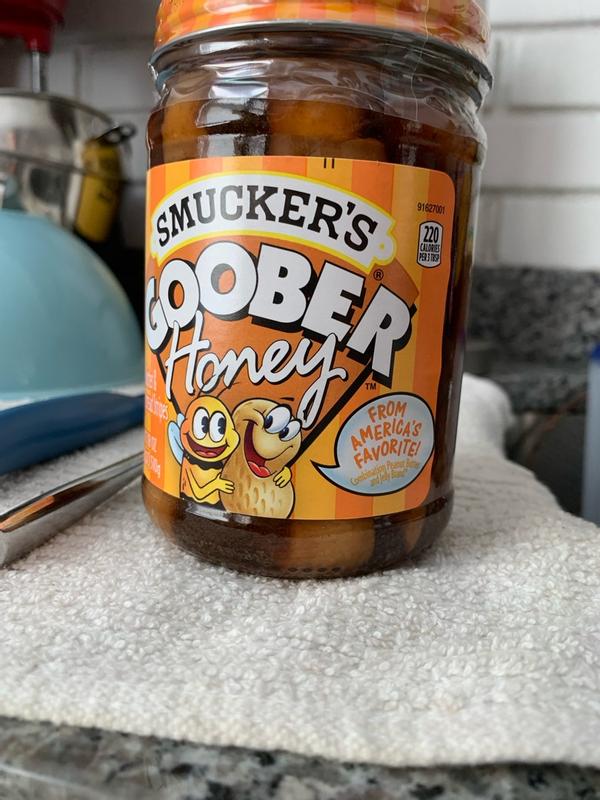
You just opened a jar of Smucker’s Goober, and now you’re wondering, “Do I need to refrigerate this after opening?” It’s a common question that pops up in many households. You want to enjoy your delicious peanut butter and jelly swirl without worrying about safety or taste.
But what’s the best way to store it? Understanding the right storage methods can save you from unexpected spoilage and ensure your sandwich spread stays fresh. So, before you stick that jar in the fridge—or leave it out on the counter—let’s dive into what’s really best for your Goober.
Keep reading to discover how to make the most of your favorite treat and avoid any storage mishaps.
Credit: www.smuckers.com
What Is Smuckers Goober?
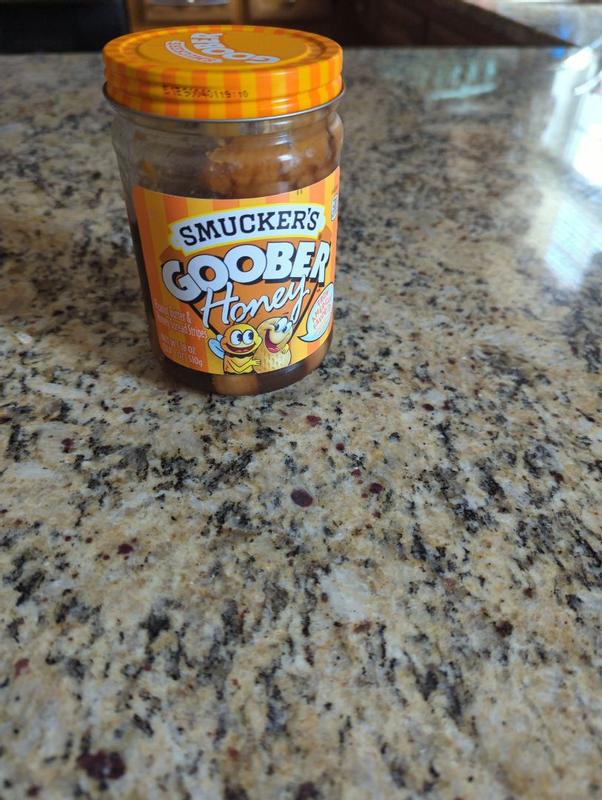
Smuckers Goober is a unique twist on the classic peanut butter and jelly combo. Instead of separate jars, it blends peanut butter and grape jelly in one convenient container. This combination makes it easy to spread on bread without grabbing multiple jars.
Many people appreciate Goober for its simplicity and time-saving quality. It’s especially handy for quick snacks or lunches when you want the flavor of peanut butter and jelly but don’t want the hassle of spreading each separately.
But what exactly goes into this jar? Understanding the ingredients and texture helps you decide how to store it and use it best.
Ingredients Of Smuckers Goober
- Peanut Butter: Provides the rich, nutty base and protein.
- Grape Jelly: Adds sweetness and a fruity contrast.
- Additional Ingredients: Often includes sugar, corn syrup, and stabilizers to maintain texture.
The combination offers a balance of creamy and sweet, making it a favorite for many snack lovers.
Texture And Flavor Profile
Goober has a smooth yet slightly chunky texture due to the peanut butter mixed with jelly. The jelly swirls create sweet pockets throughout the nutty spread. It tastes like a ready-made peanut butter and jelly sandwich without the mess.
Have you ever wished your PB&J spread could be faster? Goober answers that need perfectly.
Packaging And Convenience
Smuckers Goober comes in a standard plastic jar with a wide mouth for easy scooping. Its packaging is designed to keep the two flavors separate enough to retain their distinct tastes while being swirled together.
This design makes it great for on-the-go use or for kids who want to make sandwiches quickly. But does this packaging affect how you should store it after opening?
Credit: www.smuckers.com
Ingredients In Goober
Understanding the ingredients in Smuckers Goober helps explain its storage needs. Goober is a unique blend of peanut butter and jelly, packed into one jar. Its ingredients influence its texture, taste, and shelf life.
The peanut butter part contains roasted peanuts, sugar, and a small amount of salt. These ingredients provide a creamy and nutty flavor. The jelly section includes fruit juice, sugar, and pectin, which give it the sweet and gel-like consistency.
Knowing what goes inside Goober helps decide if it needs refrigeration after opening.
Peanut Butter Components
- Roasted peanuts
- Sugar
- Salt
- Vegetable oils (sometimes)
Jelly Ingredients
- Fruit juice concentrate (grape, strawberry, or other)
- Sugar
- Pectin (a natural thickener)
- Citric acid (for tartness)
Preservatives And Additives
- Natural preservatives to maintain freshness
- Occasional stabilizers for texture
- No artificial colors or flavors
Storage Instructions On The Label
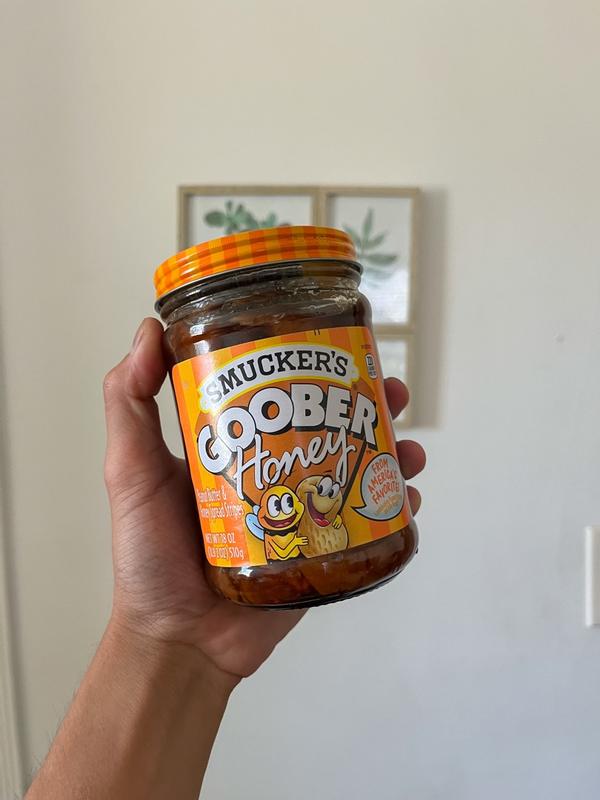
The storage instructions on the label of Smuckers Goober provide the clearest guidance on how to keep this tasty treat fresh. Labels are designed to give you specific advice based on the product’s ingredients and preservation needs. Ignoring these instructions can affect the flavor, texture, and safety of your spread.
What The Label Says About Refrigeration
Look closely at the label after opening. Usually, Smuckers Goober will have a note that advises refrigeration once opened. This is because the combination of peanut butter and jelly needs to stay fresh and prevent mold growth or separation.
Have you ever noticed how the texture changes when you leave it out too long? Refrigerating slows down spoilage and keeps that perfect spreadable consistency.
Why Following Label Instructions Matters
Ignoring storage instructions can lead to unpleasant surprises. You might find the jelly part becoming runny or the peanut butter turning oily if left out too long. This affects both taste and safety.
Your taste buds deserve the best experience, and following label directions ensures that. Plus, it helps you avoid wasting food by extending shelf life.
Additional Tips From The Label
- Always use a clean spoon or knife to avoid contamination.
- Make sure the lid is tightly sealed after each use.
- Store the jar in a cool, dry place before opening.
These simple steps, combined with refrigeration advice, can keep your Goober fresh and delicious for weeks.
Shelf Life After Opening
Understanding the shelf life of Smuckers Goober after opening is key to enjoying its fresh taste and avoiding waste. You might wonder how long this peanut butter and jelly combo stays good once you crack open the jar. Let’s break down what you can expect and how to keep it safe.
Shelf Life Without Refrigeration
Smuckers Goober can last for about 1 to 2 weeks at room temperature after opening. However, this depends on the environment—if your kitchen is warm or humid, the spread may spoil faster. You might notice changes in texture or smell as signs that it’s time to toss the jar.
Benefits Of Refrigerating After Opening
Keeping Smuckers Goober in the fridge extends its shelf life to about 3 to 4 weeks. Refrigeration slows down the growth of mold and bacteria, preserving flavor and texture. If you prefer a firmer spread, you’ll appreciate how refrigeration keeps it more solid.
Signs Your Goober Has Gone Bad
- Unpleasant sour or rancid smell
- Visible mold or discoloration
- Separation of oil that doesn’t mix back in after stirring
- Bitter or off taste
If you spot any of these, it’s safer to discard the jar rather than risk eating spoiled spread.
Effects Of Refrigeration
Refrigeration changes how Smuckers Goober tastes and lasts after opening. It slows down spoilage and keeps the texture fresh longer. Cold temperatures help prevent mold and bacteria growth. The peanut butter and jelly stay more stable in the fridge. This means less chance of the product going bad quickly.
Refrigeration also affects the spreadability of Goober. It may become thicker and harder to spread straight from the fridge. Letting it sit at room temperature for a few minutes can soften it again. This small step makes spreading easier without affecting safety.
Preserving Freshness And Flavor
Keeping Goober in the fridge helps keep its flavor fresh. The jelly stays sweet and fruity without fermenting. Peanut butter does not turn rancid as fast. Cold storage keeps the taste closer to how it was when first opened.
Texture Changes In The Refrigerator
Refrigeration causes Goober to thicken. The jelly part can become less runny. Peanut butter becomes firmer and less oily. This makes it harder to spread but keeps it fresh longer. Warming it slightly can restore the original texture.
Extending Shelf Life Safely
Storing Goober in the fridge extends its shelf life. It reduces the risk of mold or spoilage. The cooler temperature slows down bacteria growth. This keeps the product safe to eat for a longer time after opening. Always seal the jar tightly before refrigerating.
Consequences Of Not Refrigerating
Leaving Smuckers Goober unrefrigerated after opening can lead to several unwanted issues. The product’s texture, flavor, and safety can all be affected. Understanding these consequences helps you decide how best to store your spread for the longest freshness.
Texture Changes And Separation
Without refrigeration, the natural oils in Goober tend to separate and rise to the top. This creates an oily layer that can be off-putting and messy to mix back in. Over time, the peanut butter and jelly components may lose their smooth consistency, becoming gritty or dry.
Have you ever opened a jar and found a pool of oil floating? That’s a clear sign the product wasn’t kept cold enough. This separation not only looks unappealing but also impacts how enjoyable it is to spread on your bread.
Flavor Deterioration
Warm temperatures speed up the breakdown of flavors in Goober. The jelly can ferment slightly, causing sour or off tastes. Meanwhile, the peanut butter may develop a stale or rancid flavor due to oxidation.
You might notice a strange aftertaste or less sweetness if the jar has been left out too long. This can ruin a perfectly good sandwich and waste your food. Would you want to eat something that tastes off just because it wasn’t stored properly?
Risk Of Mold And Bacterial Growth
Not refrigerating increases the risk of mold and bacteria developing in Goober. The jelly part, being sugary and moist, provides an ideal environment for microbes to thrive. Even if you can’t see mold right away, invisible bacteria might be multiplying.
This risk is especially high in warm and humid climates. Consuming contaminated spread can cause stomach discomfort or food poisoning. Is it really worth risking your health over a jar left out on the counter?
Reduced Shelf Life
Every day Goober spends unrefrigerated shortens its shelf life significantly. Refrigeration slows down spoilage and keeps the spread safe and tasty for weeks longer. Without it, you’ll likely need to throw out leftovers sooner, leading to unnecessary waste.
Think about how often you’ve had to toss food that went bad too quickly. Proper storage can save you money and prevent that frustration. Isn’t it better to keep your favorite spread fresh as long as possible?
Tips For Keeping Goober Fresh
Keeping Smuckers Goober fresh after opening is simple with a few easy tips. Proper storage helps preserve taste and texture. It also prevents spoilage and keeps the product safe to eat longer.
Follow these suggestions to maintain freshness and enjoy Goober at its best.
Store In A Cool, Dry Place
Keep the jar away from heat and sunlight. A pantry or cupboard works well. Avoid storing near the stove or windows.
Seal The Lid Tightly
Always close the jar firmly after use. A tight seal stops air from entering. This reduces drying and contamination risks.
Use Clean Utensils
Use a clean spoon or knife each time. This prevents bacteria and crumbs from entering the jar. Avoid double-dipping to keep Goober fresh.
Check For Changes Before Use
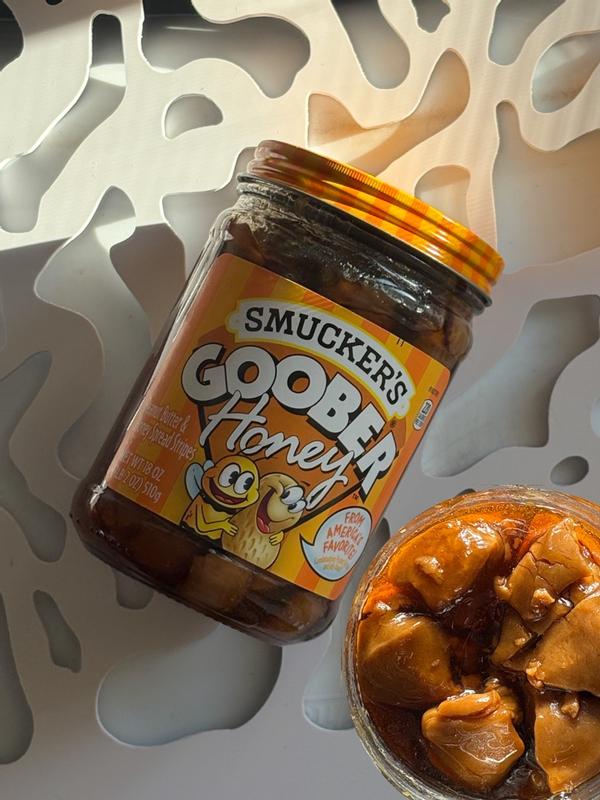
Look for signs like mold or bad smell. If the texture changes or grows sticky, discard it. Fresh Goober should look smooth and smell sweet.
Consider Refrigeration For Longer Storage
Refrigerate if you do not finish the jar quickly. It slows down spoilage and keeps the peanut butter and jelly fresh longer. Let it reach room temperature before spreading for easier use.
Credit: www.smuckers.com
Comparing With Similar Products
Comparing Smuckers Goober with other similar spreads helps understand storage needs better. Different peanut butter and jelly combinations have varied ingredients. These differences affect whether refrigeration is necessary after opening.
Examining popular brands and products shows common storage practices. Some spreads contain preservatives or stabilizers, changing their shelf life. Others rely on natural ingredients, needing cooler temperatures to stay fresh.
Smuckers Goober Vs. Traditional Peanut Butter And Jelly Jars
Traditional peanut butter and jelly come in separate jars. Usually, peanut butter does not require refrigeration after opening. Jelly often benefits from refrigeration to prevent mold and fermentation.
Smuckers Goober combines peanut butter and jelly in one jar. This mix can affect the spread’s stability. The jelly part of Goober makes it more prone to spoilage without cold storage.
Comparison With Natural Peanut Butter And Jelly Products
Natural peanut butter and jelly often lack preservatives. These products need refrigeration to stay safe longer. Smuckers Goober contains added sugar and stabilizers, which help preserve it.
Still, Goober’s jelly content may need chilling to avoid fermentation. Natural products usually have shorter shelf lives at room temperature.
Storage Recommendations Across Different Brands
- Brands with added preservatives often allow room temperature storage.
- Natural and organic brands recommend refrigeration after opening.
- Combined spreads like Goober usually need refrigeration to keep fresh.
Checking each product label is essential. Storage instructions vary by brand and formulation. Proper storage keeps taste and safety intact.
Frequently Asked Questions
Does Smuckers Goober Require Refrigeration After Opening?
Yes, Smuckers Goober should be refrigerated after opening. This helps maintain freshness and prevents spoilage. Always seal the jar tightly before refrigeration.
How Long Can Smuckers Goober Last Unrefrigerated?
Smuckers Goober can last a few hours unrefrigerated but not longer. Leaving it out too long may cause spoilage or bacterial growth, reducing quality and safety.
Can I Store Smuckers Goober In The Pantry?
No, it’s best to avoid storing opened Goober in the pantry. Refrigeration extends shelf life and keeps the peanut butter and jelly combination fresh.
What Happens If I Don’t Refrigerate Smuckers Goober?
Not refrigerating can cause the product to spoil faster. Mold, off-flavors, and texture changes may occur, making it unsafe or unpleasant to eat.
Conclusion
Smuckers Goober stays fresh best when kept in the fridge. Refrigeration helps stop it from spoiling fast. Keeping it cold keeps the taste and texture good. You can enjoy your peanut butter and jelly longer this way. Just make sure to seal the jar tightly after use.
This simple step saves you from wasting food. So, store Goober in the fridge after opening for the best experience. Easy and smart.