
Have you ever stood in your kitchen, staring at a carton of fresh eggs, and wondered whether they belong in the fridge or on the counter? You’re not alone.
This seemingly simple question has puzzled many, leaving you to question the best way to keep your eggs fresh and safe. The answer isn’t as straightforward as you might think, and it could impact not only the taste of your eggs but also your health.
So, why not crack this mystery wide open? Dive into the details with us, and discover the surprising truth about where your fresh eggs should truly call home. Your breakfast might never be the same again!

Credit: grubblyfarms.com
Egg Storage Basics
Understanding how to store fresh eggs properly can save you from wasted food and keep your meals safe. Eggs are delicate and their freshness depends greatly on how you handle and store them. Before deciding whether to refrigerate or not, it’s important to know the basics of egg storage.
How Eggs Are Processed
Eggs you buy at the store have usually gone through a cleaning process. This involves washing the eggs to remove dirt and bacteria from the shell. However, this cleaning also removes a natural protective layer that eggs have when laid by the hen.
This process means store-bought eggs are more vulnerable to bacteria and must be refrigerated to stay fresh. On the other hand, farm-fresh eggs often haven’t been washed, keeping their natural coating intact. This difference changes how you should store them.
Natural Egg Coating And Its Role
Freshly laid eggs have a natural coating called the “bloom” or “cuticle.” This thin layer seals the eggshell pores and protects the egg from bacteria and moisture loss. When this coating remains, eggs can be safely kept at room temperature for a while.
If you’ve ever collected eggs from a backyard chicken coop, you might have noticed some dirt but also a slightly oily feel on the shell. That’s the bloom working to keep the egg fresh longer without refrigeration. Removing this layer by washing means the eggs will need to be refrigerated to prevent spoilage.
Have you ever wondered why your farm-fresh eggs don’t need to go straight into the fridge? It’s all about that natural coating doing its job. So, think about how your eggs were handled before deciding the best way to store them.
Refrigeration Practices Worldwide
Egg refrigeration varies significantly around the world, influenced by different farming, cleaning, and food safety practices. Understanding these differences helps you decide the best way to store fresh eggs at home. Have you ever wondered why eggs from the grocery store sometimes feel cold and other times room temperature?
Egg Storage In The United States
In the U.S., eggs are washed and sanitized before sale to remove bacteria like Salmonella. This cleaning process removes the natural protective coating on the shell, making eggs more vulnerable to contamination. Because of this, refrigeration is essential to keep eggs safe and fresh.
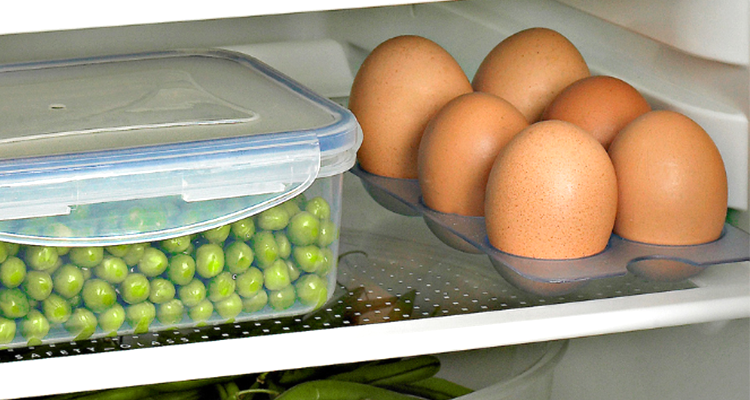
You’ll find that supermarkets in the U.S. always keep eggs in the refrigerator section. At home, storing eggs in their carton inside the fridge helps maintain consistent temperature and prevents them from absorbing strong odors. If you leave eggs out at room temperature, they can sweat, encouraging bacterial growth.
Egg Handling In Europe And Other Regions
European countries often skip washing eggs to preserve the natural protective layer, known as the cuticle. This layer helps keep bacteria out, allowing eggs to be safely stored at room temperature for a few weeks.
In many European homes, eggs sit on the kitchen counter rather than in the fridge. However, if you decide to refrigerate them after purchase, it’s important to keep eggs chilled continuously. Moving eggs between cold and warm environments causes condensation, which increases the risk of spoilage.
Would you be comfortable keeping eggs out of the fridge if you knew the science behind their natural defenses? Your local practices might reflect your region’s egg processing methods more than any universal food rule.
Benefits Of Refrigerating Eggs
Refrigerating fresh eggs offers several important benefits. It helps keep eggs safe and fresh longer. Cold storage slows down changes that cause eggs to spoil. This simple step reduces waste and keeps your meals safe.
Extending Shelf Life
Eggs last much longer in the fridge. The cold temperature slows the natural aging process. Fresh eggs can stay good for 3 to 5 weeks when refrigerated. Without refrigeration, eggs spoil faster and can go bad within days.
Preventing Bacterial Growth
Cold temperatures stop harmful bacteria from growing on eggs. Salmonella is a common risk with eggs. Keeping eggs in the fridge lowers the chance of bacteria multiplying. This protects your health and keeps eggs safe to eat.
When Refrigeration Might Not Be Necessary
Not every fresh egg demands a spot in your refrigerator. Understanding when refrigeration might not be necessary can save energy and keep your kitchen more flexible. This depends largely on how the egg was handled right after being laid and how you plan to use it.
Freshly Laid Eggs With Intact Bloom
Fresh eggs come with a natural protective layer called the bloom or cuticle. This coating seals the eggshell pores, keeping bacteria out and moisture in. If the bloom is still intact, eggs can stay fresh without refrigeration for about a week.
Imagine collecting eggs directly from your backyard hens and placing them gently in a cool, dry spot. Because the bloom is undisturbed, these eggs don’t need immediate refrigeration. You can feel confident storing them at room temperature, especially in a place with stable, moderate temperatures.
Short-term Storage Tips
- Keep eggs in a single layer to avoid cracks.
- Store in a cool, dry area away from direct sunlight.
- Avoid washing eggs until just before use to preserve the bloom.
- Check eggs regularly for cracks or damage.
Have you ever noticed how eggs stored on your kitchen counter last several days without any issues? That’s the bloom doing its job. But if you plan to keep eggs longer than a week, refrigeration becomes a safer choice to avoid spoilage.
How To Store Eggs Properly
Properly storing eggs can extend their freshness and ensure they taste great every time you use them. Understanding the best way to keep your eggs depends on a few key factors like temperature and humidity. Let’s break down what you really need to know to keep your eggs safe and delicious.
Ideal Temperature And Humidity
Eggs last longest when stored at a consistent temperature between 33°F and 40°F (1°C to 4°C). This cool environment slows bacterial growth and keeps the eggs fresh. Humidity should be around 70% to 80%, which prevents the eggshell from drying out and cracking.
Have you ever noticed eggs sweating when you take them out of the fridge? That’s because sudden temperature changes cause condensation, which can promote bacteria growth. Keeping eggs in their original carton helps maintain stable humidity and protects them from absorbing fridge odors.
Storing Eggs In The Fridge Vs. Room Temperature
In many countries, eggs are refrigerated to reduce the risk of salmonella, but in others, they are kept at room temperature. If your eggs are washed and refrigerated, it’s best to keep them cold until you use them. Leaving refrigerated eggs out for more than two hours can cause moisture buildup and spoilage.
If you buy fresh, unwashed eggs from a local farm, storing them at room temperature is sometimes acceptable for up to a week. However, once eggs have been refrigerated, it’s risky to switch back to room temperature storage. Think about your usual shopping habits and how quickly you use eggs to decide the best way to store them.
Common Myths About Egg Storage
There are plenty of opinions floating around about how to store fresh eggs properly. Some advice sounds logical but can actually do more harm than good. Understanding the truth behind these common myths can help you keep your eggs fresh and safe without unnecessary fuss.
Eggs Should Always Be Washed Before Storage
Many people believe washing eggs before storing them is essential to remove dirt and bacteria. However, washing can actually remove the egg’s natural protective coating, called the bloom, which helps keep out bacteria and moisture.
If you buy eggs from a store, they are usually already washed and sanitized. But if you collect fresh eggs from a farm or backyard, it’s better to store them unwashed and only clean them right before use. This keeps the eggs fresher for longer.
Eggs Absorb Odors From The Fridge
You’ve probably heard that eggs absorb smells from the refrigerator. While eggshells are somewhat porous, the inner membrane protects the egg white and yolk from most odors.
Storing eggs in their original carton is enough to shield them from strong fridge odors. You don’t need to wrap them in plastic or seal them tightly. Have you ever noticed your eggs tasting like garlic or onions? Chances are, it’s more about the food next to them than the eggs themselves.
Signs Of Spoiled Eggs
Knowing the signs of spoiled eggs can save you from an unpleasant surprise in the kitchen. Fresh eggs don’t just look and smell a certain way; they behave differently when tested. Recognizing these signs early helps you avoid wasting food or risking your health.
Visual And Smell Indicators
Start by checking the shell. If you see cracks, slimy residue, or powdery spots, it might mean bacteria or mold has started growing. A clean shell alone isn’t enough to guarantee freshness.
Crack the egg into a bowl and look closely. A fresh egg has a thick, slightly cloudy white and a round, firm yolk. If the white is watery and spreads out or the yolk looks flat and breaks easily, the egg could be old or spoiled.
Smell is a powerful clue. A rotten egg has a strong sulfur smell that hits you immediately. If the egg smells off or just odd, don’t risk it—throw it away.
Performing The Water Test
This simple test can help you decide if an egg is still good without cracking it open. Fill a bowl with cold water and gently place the egg inside.
- Sinks and lies flat:The egg is fresh and safe to use.
- Sinks but stands upright:The egg is older but still okay for cooking.
- Floats:The egg is bad and should be discarded immediately.
This happens because eggshells are porous, allowing air to enter over time. The more air inside, the more buoyant the egg becomes. Have you ever found an egg that floated? It’s a clear sign to toss it before you crack it open.

Credit: www.youtube.com
Credit: nestera.co.uk
Frequently Asked Questions
Should Fresh Eggs Always Be Refrigerated At Home?
Yes, refrigerate fresh eggs to keep them safe and fresh longer. Cold storage slows bacterial growth and preserves quality. Unwashed eggs may last longer unrefrigerated, but refrigeration is safest for most households.
How Long Can Fresh Eggs Stay Unrefrigerated?
Fresh eggs can stay unrefrigerated up to two weeks if unwashed and kept in a cool, dry place. After that, refrigeration is recommended to prevent bacterial growth and maintain freshness.
Does Washing Fresh Eggs Affect Refrigeration Needs?
Yes, washing removes the natural protective coating on eggs. This makes them more porous and prone to bacteria. Washed eggs should always be refrigerated to ensure safety and freshness.
Can Refrigerating Fresh Eggs Change Their Taste Or Texture?
Refrigeration does not significantly change egg taste or texture. However, cold eggs may be harder to peel when boiled. Bringing eggs to room temperature before cooking can help maintain optimal texture.
Conclusion
Fresh eggs stay safe longer when stored properly. Keep them in the fridge if they are washed. Unwashed eggs can stay fresh outside for a short time. Always check for cracks or dirt before storing. Clean eggs well before use to avoid bacteria.
Remember, cool and dry places help eggs last longer. Store eggs in their carton to protect them. This simple step keeps eggs fresh and tasty. Your choice depends on how eggs are handled and stored. Safe storage means better eggs for your meals.