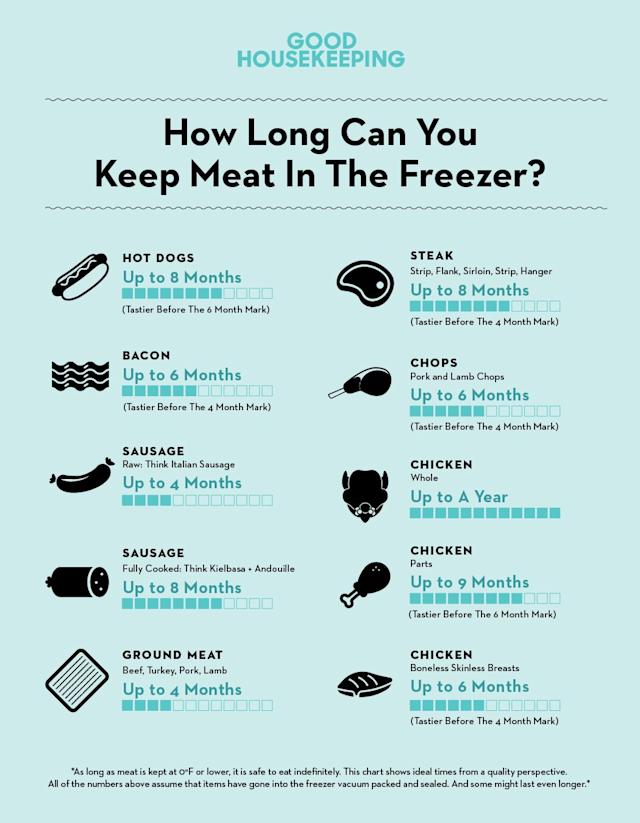
Have you ever found yourself staring at a package of vacuum-sealed meat, wondering how long it can safely sit in your freezer? You’re not alone.
Properly storing meat is crucial for maintaining its quality and ensuring your meals are both delicious and safe. But deciphering how long vacuum-sealed meat can last without losing its taste or nutritional value can be a bit tricky. Imagine the peace of mind knowing that the steaks you’ve stored away will be just as mouthwatering months down the line.
You’ll discover the secrets to maximizing the lifespan of your vacuum-sealed meat, ensuring that every meal you prepare is as fresh and flavorful as the day you sealed it. Stay with us, and let’s unravel the mystery behind those vacuum-sealed wonders in your freezer!
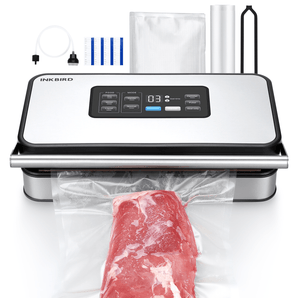
Credit: inkbird.com
Vacuum Sealing Basics
Understanding vacuum sealing basics is essential if you want to maximize the shelf life of your meat in the freezer. This simple technique removes air from the packaging, which plays a big role in how long your meat stays fresh. Knowing how vacuum sealing works and the benefits it offers will help you make better storage decisions for your meals.
How Vacuum Sealing Works
Vacuum sealing removes the air surrounding your meat by using a machine that sucks out oxygen and then seals the package tightly. Without oxygen, bacteria and mold growth slow down significantly. This process keeps the meat from drying out and helps prevent freezer burn, which can ruin texture and flavor.
Think about the last time you froze meat in a regular plastic bag. Chances are, it didn’t taste as fresh after a few weeks. Vacuum sealing changes that by creating an airtight environment. This means your meat stays juicy and flavorful much longer.
Benefits For Meat Storage
Vacuum sealing offers several benefits that you might not expect at first glance:
- Extended freshness:Meat can last up to 3 years in the freezer instead of just 6-12 months.
- Space-saving:Vacuum-sealed packages are compact, letting you organize your freezer more efficiently.
- Reduced waste:You can portion meat into exactly the sizes you need, avoiding leftovers.
- Better flavor retention:The meat’s natural juices stay locked in, improving taste after thawing.
Have you ever thrown out freezer-burned meat because it lost its flavor? Vacuum sealing can stop that from happening. It’s a small step that makes a huge difference in how long your meat stays fresh and delicious.
Freezer Storage Times
Freezing vacuum sealed meat can greatly extend its shelf life, but how long it stays safe and tasty depends on the type of meat. Knowing the right storage times helps you avoid waste and keeps your meals fresh. Let’s dive into realistic freezer storage durations for different meats to help you plan better.
Beef Storage Duration
Vacuum sealed beef can last significantly longer than fresh beef stored in regular packaging. Typically, you can freeze it for up to 12 months without a noticeable loss in quality.
This means you can confidently stock up on steaks or roasts when there’s a sale. Just remember that over time, even vacuum sealed beef may develop freezer burn if not stored properly.
Pork Storage Duration
Pork benefits from vacuum sealing as well, with freezer storage times ranging from 6 to 12 months. Cuts like pork chops or roasts stay juicy and flavorful when frozen within this window.
Have you ever found pork in your freezer that tasted dry or bland? Chances are it was stored too long. Keeping track of storage times helps maintain the meat’s natural texture and taste.
Poultry Storage Duration
Vacuum sealed poultry, such as chicken or turkey, usually lasts between 9 to 12 months in the freezer. This extended period is perfect for bulk buyers who want to avoid frequent trips to the store.
Still, always check for any odd smells or discoloration before cooking. Even properly frozen poultry can spoil if left too long or thawed improperly.
Seafood Storage Duration
Seafood is more delicate and typically has a shorter freezer life, even when vacuum sealed. Most fish and shellfish stay good for 6 to 9 months in the freezer.
Freezing seafood quickly after purchase is key to preserving its fresh taste. Have you noticed how fresh fish tastes completely different from fish that’s been frozen too long? That’s why timing matters.
Factors Affecting Shelf Life
Several factors influence how long vacuum sealed meat stays fresh in the freezer. Understanding these elements helps preserve taste and safety. Each factor plays a key role in extending or shortening the shelf life.
Freezer Temperature
Freezer temperature is vital for meat preservation. Keep the freezer at 0°F (-18°C) or lower. Warmer temperatures cause slow spoilage and freezer burn. Consistent cold prevents bacteria growth and maintains quality.
Meat Quality Before Sealing
Freshness of the meat before sealing affects storage time. Use fresh, high-quality meat for best results. Old or bruised meat spoils faster even when vacuum sealed. Properly trimmed meat reduces the chance of spoilage.
Sealing Technique
The sealing method impacts how well air is removed. A tight, air-free seal stops freezer burn and oxidation. Double sealing or using strong bags improves protection. Poor sealing lets air enter, reducing shelf life.
Signs Of Spoiled Meat
Knowing the signs of spoiled meat is vital for food safety. Vacuum sealing extends meat’s freezer life but does not stop spoilage entirely. Detecting spoilage early prevents illness and food waste. Pay close attention to changes in appearance, smell, and texture. Even subtle shifts can mean meat is no longer safe to eat.
Visual Changes
- Color shifts from bright red to dull brown or gray
- Surface looks slimy or sticky instead of dry
- Frost or ice crystals inside the packaging may indicate freezer burn
- Any mold growth appears as fuzzy spots, usually white or green
Smell And Texture
- A sour or ammonia-like odor signals spoilage
- Fresh meat has a mild, neutral smell
- Texture becomes mushy or excessively soft
- Firmness fades; the meat may feel tacky or sticky
Taste Indicators
- Off or sour taste means the meat is bad
- Never eat meat with a strange or bitter flavor
- Discard any meat that tastes unusual, even if cooked well
Best Practices For Vacuum Sealing
Vacuum sealing meat extends its freezer life and keeps it fresh longer. Following best practices ensures the meat stays safe and tastes good. Proper preparation and sealing create a tight, air-free package. Clear labeling helps you track storage time easily. These simple steps improve the quality of vacuum-sealed meat.
Preparing Meat For Sealing
Start with fresh, clean meat. Pat it dry using paper towels to remove moisture. Cut large pieces into meal-size portions. Removing excess moisture helps the vacuum seal better. Freeze meat slightly before sealing for firmer texture. This prevents the bag from collapsing during sealing.
Proper Sealing Methods
Use high-quality vacuum bags designed for freezing. Place the meat inside without overfilling the bag. Leave enough space at the top for sealing. Follow your vacuum sealer’s instructions carefully. Ensure the seal is tight and free of wrinkles. Check for any air pockets after sealing. Double seal for extra protection if needed.
Labeling And Dating Packages
Write the type of meat clearly on the bag. Include the date you sealed the meat. Use a permanent marker that won’t smudge in the freezer. Labeling helps you use older meat first. It prevents food waste and keeps your freezer organized. Keep a list of sealed packages for quick reference.
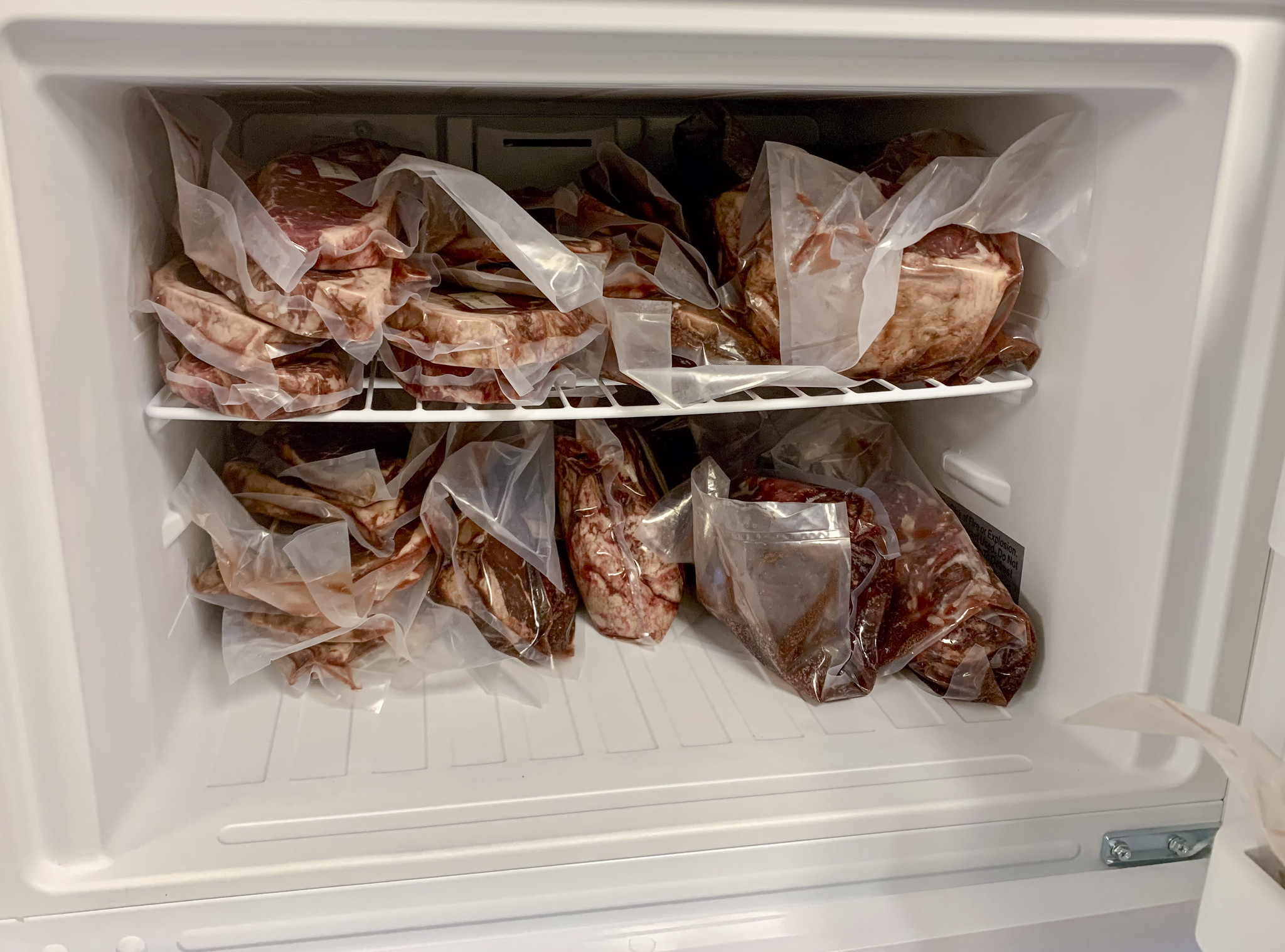
Credit: hpj.com
Thawing Vacuum Sealed Meat
Thawing vacuum sealed meat properly keeps it safe and tasty. The vacuum seal helps keep the meat fresh longer. But thawing it the right way matters most. Poor thawing can cause bacteria to grow. It also affects the meat’s texture and flavor. Follow simple steps to thaw meat safely and enjoy your meal.
Safe Thawing Techniques
- Thaw in the refrigerator. Keep the temperature below 40°F (4°C).
- Place the sealed meat on a plate to catch drips.
- Allow enough time. Small cuts may take 12-24 hours, larger cuts longer.
- Use cold water for faster thawing. Submerge the sealed bag in cold water.
- Change water every 30 minutes to keep it cold.
- Cook immediately after thawing in cold water.
- Microwave thawing works but may start cooking edges.
- Cook meat right after microwave thawing to ensure safety.
Avoiding Bacterial Growth
- Never thaw meat at room temperature. Bacteria multiply quickly above 40°F.
- Keep the seal intact during thawing to avoid contamination.
- Do not refreeze thawed meat unless cooked first.
- Wash hands and surfaces after handling raw meat.
- Cook thawed meat to the safe internal temperature.
- Use a food thermometer for best accuracy.
Common Mistakes To Avoid
Vacuum sealing meat for the freezer is a smart way to extend its shelf life, but even the best techniques can fail if you make common mistakes. These errors can cause spoilage, freezer burn, or loss of flavor. Avoiding these pitfalls will help you keep your meat fresh and tasty for much longer.
Improper Sealing
One of the biggest mistakes is not sealing the vacuum bag properly. If the seal isn’t airtight, air sneaks in, speeding up spoilage and freezer burn. Always check the edges of the bag after sealing—any wrinkles or gaps mean you need to reseal.
Also, ensure the vacuum sealer is clean and functioning well. Even a tiny hole or tear in the bag can ruin your storage efforts. Have you ever opened a vacuum-sealed bag only to find the meat freezer-burned? That’s usually due to poor sealing.
Freezer Burn Prevention
Freezer burn happens when meat is exposed to air, drying it out and causing tough, discolored spots. It’s a common problem if you don’t use thick, high-quality vacuum bags designed to block moisture.
To prevent this, double bag your meat if you plan to store it for more than six months. Label the packages with the date so you don’t lose track and accidentally keep meat too long. Are you aware that even tiny air pockets inside the bag can cause freezer burn over time?
Overpacking The Freezer
Stuffing your freezer full of vacuum-sealed bags might seem efficient, but it can block airflow and cause uneven freezing. This slows down the freezing process, which can affect meat quality and safety.
Leave some space between packages to allow cold air circulation. This small step ensures the meat freezes quickly and stays fresher. Have you noticed meat that seems less fresh after being in a crowded freezer? Overpacking might be the culprit.

Credit: meatnbone.com
Frequently Asked Questions
How Long Does Vacuum Sealed Meat Last In The Freezer?
Vacuum sealed meat can last 2 to 3 years in the freezer. Proper sealing prevents freezer burn and preserves quality longer than regular packaging.
Does Vacuum Sealing Extend Meat’s Freezer Shelf Life?
Yes, vacuum sealing removes air, reducing oxidation and freezer burn. This significantly extends meat’s shelf life compared to traditional storage methods.
Can Frozen Vacuum Sealed Meat Spoil?
Frozen vacuum sealed meat rarely spoils if kept below 0°F (-18°C). However, improper sealing or fluctuating temperatures can cause spoilage or freezer burn.
Is It Safe To Refreeze Vacuum Sealed Meat?
Refreezing vacuum sealed meat is safe if thawed properly in the fridge. Avoid refreezing meat left out at room temperature to prevent bacterial growth.
Conclusion
Vacuum sealing helps keep meat fresh longer in the freezer. It slows down freezer burn and preserves taste. Most vacuum-sealed meats last between one to three years frozen. Always check meat for any strange smell or color before cooking. Store meat at a constant freezing temperature for best results.
Proper sealing and freezing reduce waste and save money. Remember, safe food means better meals and less risk. Keep your freezer organized and label packages with dates. Enjoy your meat safely and with confidence every time.