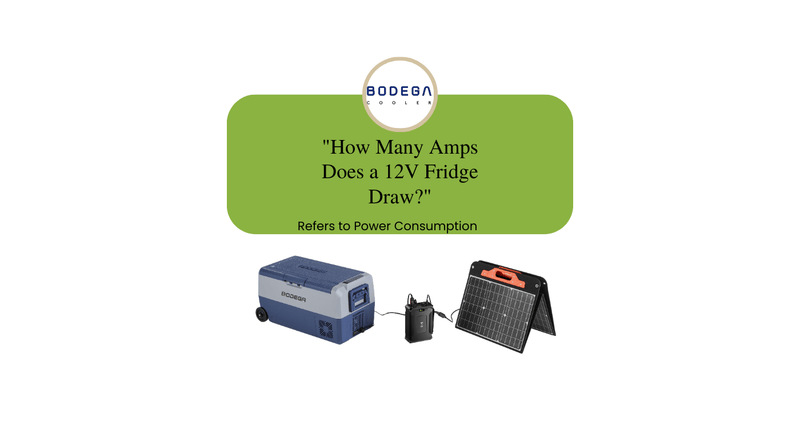
Have you ever wondered how much electricity your refrigerator uses? Understanding the amps your refrigerator draws can save you money and prevent electrical issues in your home.
You might be surprised at how this small detail can make a big difference in your energy bills. Imagine knowing exactly what to expect when you open your electricity bill each month. This insight can help you make smarter decisions about your household appliances.
You’ll discover just how many amps your refrigerator typically draws and why this matters to your wallet and home safety. Stay with us, and you’ll gain the knowledge to keep your home running efficiently and economically.

Credit: vtoman.com
Typical Refrigerator Amps
Understanding the typical amps a refrigerator draws helps you manage your home’s electrical load better. Knowing this can prevent circuit overloads and save on energy costs. Let’s break down what you should expect from your fridge’s current draw.
Average Current Draw
Most modern refrigerators usually draw between 3 to 6 amps during normal operation. Smaller models, like compact fridges, often pull closer to 1 to 2 amps. Larger, full-sized refrigerators with extra features can spike up to 7 or 8 amps, especially when the compressor kicks in.
Keep in mind that the starting current (called surge amps) can be 2 to 3 times higher than the running amps. This surge happens when the compressor motor starts up, which can impact circuit breakers if your wiring isn’t up to the task.
Factors Affecting Amps
The amps your refrigerator draws depend on several factors beyond just size. For example:
- Age of the appliance:Older fridges often use more power due to less efficient components.
- Temperature settings:Lowering the thermostat increases compressor run time, drawing more amps.
- Ambient room temperature:Hotter kitchens make the fridge work harder, raising current draw.
- Additional features:Ice makers, water dispensers, and smart tech add to the electrical load.
Have you noticed your fridge sounds louder or runs more frequently during summer? That’s a clear sign it’s drawing more amps. Paying attention to these details helps you avoid unexpected power issues and keeps your appliance running efficiently.

Credit: joca-cable.com
Starting Vs Running Amps
Refrigerators use two types of electrical currents: starting amps and running amps. Starting amps occur when the compressor motor first turns on. This current is much higher than the running amps, which is the current used during normal operation. Understanding the difference helps in choosing the right circuit and preventing electrical issues.
Surge Current Explained
Surge current is the brief spike of electricity when the fridge compressor starts. It can be two to three times higher than the running current. This surge lasts only a few seconds but requires careful attention. The compressor motor needs extra power to overcome initial resistance and start moving.
This high current draw is normal. It does not mean the fridge is faulty. The surge current affects how circuits handle the fridge’s power needs. Ignoring this can cause breaker trips or damage.
Impact On Circuit Design
Circuit design must consider both running and starting amps. The wiring and breaker size must handle the surge current without tripping. Using a breaker rated too low can cause frequent power cuts. A correctly sized breaker allows the surge without damage.
Electricians often recommend a dedicated circuit for refrigerators. This prevents overload from other appliances. Proper circuit design ensures safety and reliable fridge operation. It also extends the lifespan of the electrical system and fridge.
Amps By Refrigerator Type
Refrigerators use different amounts of amps depending on their style and size. Knowing how many amps each type draws helps you plan your home’s electrical needs. This section breaks down amps by common refrigerator types.
Top Freezer Models
Top freezer refrigerators are classic and usually use less power. They typically draw between 3 to 6 amps. These models have a simple design with the freezer on top and the fridge below. Their compressors are smaller, which lowers the amp draw.
Side-by-side Models
Side-by-side refrigerators have two tall doors for fridge and freezer compartments. They often use between 6 to 9 amps. These models have larger compressors and ice makers, which increase power use. Expect a steady amp draw during cooling cycles.
French Door Models
French door refrigerators combine a bottom freezer with two fridge doors on top. They usually draw 7 to 10 amps. These models have more features like water dispensers and smart controls. These extras add to the overall power consumption.
Compact Refrigerators
Compact refrigerators are small and designed for limited spaces. They typically draw 1 to 3 amps. Their compressors are smaller and use less electricity. Compact models are ideal for dorm rooms or offices with lower power needs.

Credit: www.jackery.com
Measuring Refrigerator Amps
Measuring the amps a refrigerator draws helps understand its power use. Knowing this amps value aids in choosing the right circuit breaker and prevents electrical issues. It also helps check if the refrigerator works efficiently.
There are two main ways to measure amps: using a clamp meter and reading the nameplate. Both methods give useful information about the refrigerator’s electrical needs.
Using A Clamp Meter
A clamp meter measures current without disconnecting wires. It clamps around one power wire to read amps flowing through it. This tool shows real-time current draw during refrigerator operation.
- Turn off the refrigerator and open the panel to access wires.
- Clamp the meter around one of the power wires only.
- Turn the refrigerator back on and watch the meter display.
- Note the amps during normal running and when the compressor starts.
This method is accurate and safe if you follow instructions carefully. It helps see how much electricity the fridge uses at different times.
Reading The Nameplate
The nameplate on the refrigerator has important electrical info. It usually shows voltage, wattage, and amps or current rating. This data helps estimate the fridge’s power needs.
- Locate the nameplate, often inside the fridge or on the back.
- Look for the “amps” or “current” value listed on the plate.
- If amps are not listed, use the formula: Amps = Watts ÷ Volts.
Nameplate values are maximum ratings under normal conditions. Actual amps may vary during use. Still, this method gives a quick and easy amp estimate.
Power Efficiency And Amps
Understanding how many amps your refrigerator draws is key to managing its power efficiency. The amps indicate the current your fridge uses, directly affecting your electricity bill and environmental footprint. Paying attention to power efficiency can help you choose the right appliance and optimize its use.
Energy Star Ratings
Energy Star ratings highlight refrigerators that meet strict energy efficiency guidelines. These models typically draw fewer amps compared to standard refrigerators, reducing power consumption without sacrificing performance. Have you checked if your fridge has an Energy Star label? If not, it might be costing you more than necessary.
Choosing a high-rated Energy Star fridge can cut your energy use by up to 15-20%. These appliances use advanced compressors and better insulation to keep power draw low. It’s a smart move if you want to save money over the appliance’s lifetime.
Reducing Power Consumption
You can lower your refrigerator’s amp draw by simple daily habits. Keeping the fridge door closed as much as possible prevents cold air from escaping, reducing the compressor’s workload. Also, regularly cleaning the coils helps the fridge run efficiently.
Setting your fridge temperature correctly matters too. Too cold means the compressor works harder, increasing amps used. Aim for 37-40°F (3-4°C) for the fridge and 0°F (-18°C) for the freezer.
Have you ever noticed your fridge working overtime during hot days? Placing it away from heat sources like ovens or direct sunlight can keep its amp draw lower. Small adjustments like these can add up to noticeable savings on your electric bill.
Electrical Safety Tips
Electrical safety is crucial when dealing with refrigerators, as these appliances draw significant power that can strain your home’s wiring if not managed properly. Understanding how to protect your circuits and avoid overloads can prevent dangerous situations like electrical fires or damage to your fridge. Are you confident your fridge is connected safely and won’t trip your breakers?
Proper Circuit Protection
Make sure your refrigerator is plugged into a dedicated circuit designed to handle its specific amperage. Most modern refrigerators draw between 3 to 6 amps, but starting surges can be higher, so a 15-amp circuit breaker is usually recommended. Using the right breaker helps prevent overheating and reduces the risk of electrical faults.
Check your home’s circuit breaker panel for labels or consult an electrician to confirm if your refrigerator’s circuit is separate from other heavy appliances. Sharing a circuit can cause frequent trips and stress on your wiring. Installing a Ground Fault Circuit Interrupter (GFCI) can add an extra layer of protection, especially in kitchens where moisture is common.
Avoiding Overloads
Overloading circuits is a common cause of electrical problems and can be avoided by not plugging multiple high-power devices into the same outlet or circuit as your refrigerator. Think about all the appliances running on the same line — a microwave, toaster, or kettle can push the circuit beyond its limit.
Have you ever experienced your fridge shutting off unexpectedly? That might be a sign of circuit overload or insufficient amperage. Spread out your appliances across different circuits and use power strips with built-in circuit breakers to manage the load more effectively.
Regularly inspect your refrigerator’s power cord and plug for any signs of wear or damage. Damaged cords can increase resistance and heat, which might cause electrical shorts or fires. Simple habits like unplugging the fridge during storms or when cleaning can also protect your appliance and your home.
Frequently Asked Questions
How Many Amps Does A Standard Refrigerator Use?
A standard refrigerator typically draws between 3 to 6 amps while running. Startup amps can be higher, around 7 to 15 amps. This range depends on the fridge size and model. Knowing the amps helps in choosing the right circuit breaker and wiring.
Why Do Refrigerators Have High Startup Amps?
Refrigerators have high startup amps because the compressor motor requires extra power to start. This initial surge can be 2 to 3 times the running current. Understanding startup amps is crucial for proper electrical circuit design and preventing breaker trips.
How Can I Measure My Refrigerator’s Amp Draw?
You can measure your refrigerator’s amp draw using a clamp meter around the power cord. This tool gives real-time current usage in amps. Measuring amps helps verify energy consumption and ensures your electrical setup supports the appliance.
Do Energy-efficient Refrigerators Use Fewer Amps?
Yes, energy-efficient refrigerators use fewer amps as they have improved compressors and better insulation. They consume less electricity and reduce overall amp draw. This saves energy and lowers your electrical bills while maintaining cooling performance.
Conclusion
Refrigerators usually draw between 1 to 6 amps while running. The exact amount depends on size and model. Knowing this helps you choose the right circuit and avoid overloads. It also guides energy use and cost estimates. Small fridges use less power, large ones more.
Checking the amp draw keeps your home safe and efficient. Simple steps like this make a big difference. Understanding amps is useful for every household. Keep these facts in mind when buying or using a fridge.