Are you considering running your refrigerator on a generator during a power outage or while camping? Understanding how many watts you need is crucial to ensure your appliances run smoothly without overloading the generator.
You might find yourself asking, “How many watts does my refrigerator really need? ” This is more than just a technical question; it’s a step towards peace of mind and energy efficiency. In this guide, we’ll break down the wattage requirements, helping you make informed decisions that could save you time, money, and hassle.
Dive in, and let’s unravel the mystery behind powering your refrigerator efficiently. Your next power outage could become just a minor inconvenience rather than a major headache.
Refrigerator Power Needs
Understanding refrigerator power needs helps in choosing the right generator size. Refrigerators use electricity differently during startup and normal running. Knowing these differences ensures the generator can handle the load without problems.
Average Wattage Of Refrigerators
Most home refrigerators use between 100 and 800 watts while running. Small models need less power, about 100 to 250 watts. Larger models or those with freezers may need 400 to 800 watts. Energy-efficient models use fewer watts. Older refrigerators often consume more electricity.
Here is a simple table showing average running wattage:
| Refrigerator Type | Running Watts |
|---|---|
| Mini Fridge | 100 – 150 W |
| Standard Refrigerator | 300 – 600 W |
| Large Refrigerator/Freezer | 600 – 800 W |
Starting Vs Running Watts
Refrigerators need more power to start than to run continuously. The compressor motor creates a surge of electricity at startup. This surge can be two to three times the running wattage. Generators must handle this peak wattage to avoid shutting off.
- Running watts: Continuous power needed during operation.
- Starting watts: Extra power needed to start the compressor.
For example, a refrigerator running at 600 watts may require 1200 to 1800 watts at startup. Always check the starting watt rating on your generator. Choose one with enough surge capacity for your refrigerator.

Credit: www.renogy.com
Choosing The Right Generator
Choosing the right generator for your refrigerator is crucial to keep your food fresh and avoid unnecessary power issues. A generator that can’t meet the power demands of your fridge might cause frequent shutdowns or damage your appliance. Understanding the power requirements and matching them accurately ensures smooth operation and peace of mind during power outages or outdoor use.
Generator Wattage Ratings
Generators come with two main wattage ratings: running wattsand starting watts. Running watts refer to the power your refrigerator needs to keep running continuously. Starting watts, also called surge watts, represent the extra power required when the compressor kicks on.
For example, a fridge might need 700 running watts but 2200 starting watts. Always choose a generator that can handle the higher starting wattage to avoid overload. Checking the label on your fridge or the user manual can give you these numbers.
Matching Generator To Refrigerator Load
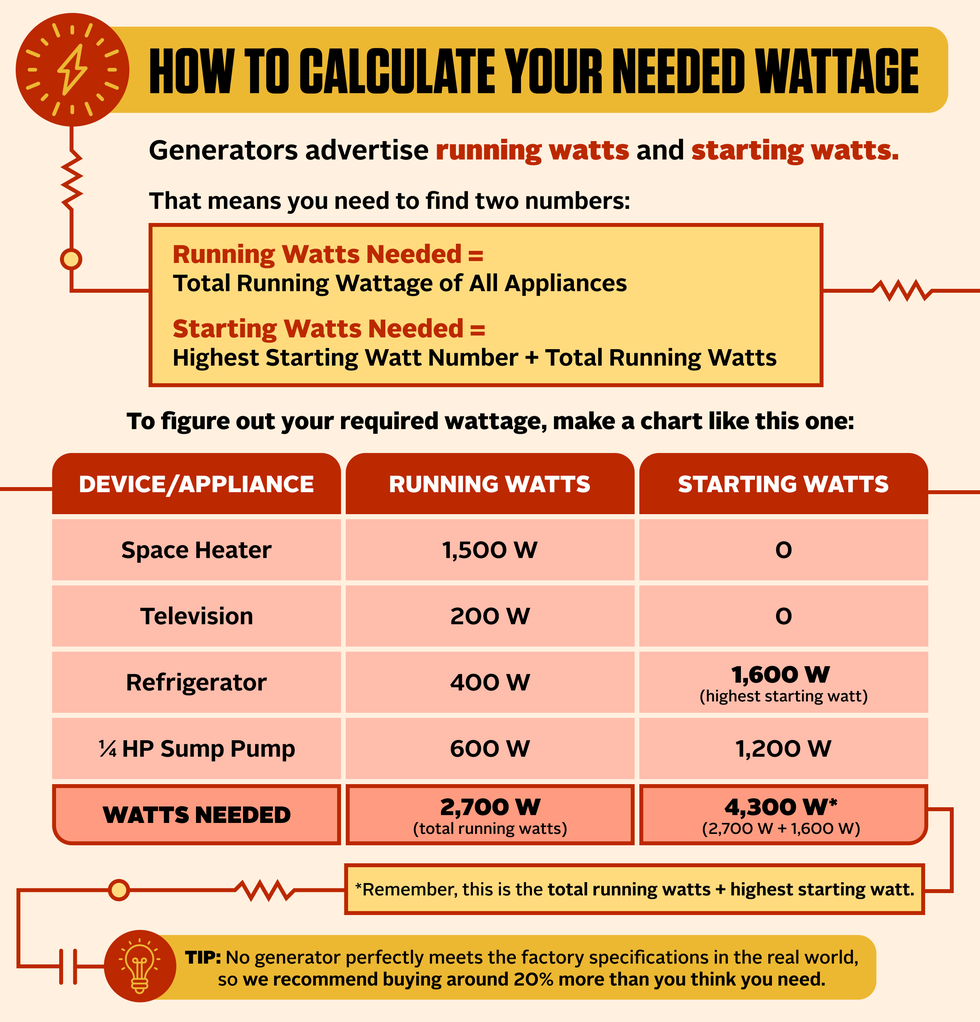
To match your generator correctly, begin by listing all appliances you want to run simultaneously, with your refrigerator at the top. Add up their running watts and starting watts separately to find the total power needed.
- If your fridge needs 700 running watts and 2200 starting watts, and you want to run a few lights (say 200 watts), your generator should handle at least 2900 starting watts and 900 running watts.
- Remember, a generator with a little extra capacity gives you flexibility and reduces wear on the unit.
Have you ever experienced a power outage where your fridge stopped working despite having a generator? Often, it’s because the generator’s wattage was underestimated. Ensuring the right match can prevent this hassle and protect your food investments.
Factors Affecting Power Consumption
Power consumption of a refrigerator depends on several key factors. These influence how much wattage a generator must supply. Understanding these helps in choosing the right generator size.
Not all refrigerators use the same amount of power. Size and efficiency matter a lot. The compressor cycle and other appliances running on the generator also play roles.
Refrigerator Size And Efficiency
Larger refrigerators usually consume more power than smaller ones. Energy-efficient models use less electricity to keep food cold. Look for refrigerators with an Energy Star rating for lower power needs.
Older models tend to be less efficient. They demand more watts to run continuously. Efficient refrigerators reduce fuel use and save money on generator operation.
Frequency Of Compressor Start
The compressor motor uses the most power when it starts. Frequent starts mean higher power spikes. This happens if the door opens often or the fridge is overfilled.
Compressor runtime affects total energy consumption. The longer it runs, the more power it needs. Proper insulation helps reduce compressor workload and power use.
Additional Appliances Impact
Running other appliances on the same generator increases total wattage demand. Lights, fans, or microwaves add to the load. This can cause the generator to run over capacity.
Calculate total wattage for all devices before choosing a generator. Adding a small safety margin prevents overload and power cuts. Balance the load to keep the refrigerator running smoothly.
Calculating Power Requirements
Understanding how many watts your refrigerator needs to run on a generator is crucial to avoid overloads or insufficient power supply. Calculating the power requirements correctly ensures your generator can handle the fridge without risking damage or interruptions. Let’s break down what you need to know to make an accurate estimate.
Estimating Running Watts
The running watts represent the continuous power your refrigerator needs to operate normally. This information is usually found on the appliance’s nameplate or in the user manual.
If you don’t have access to these, a typical refrigerator uses between 100 to 800 wattsdepending on its size and efficiency. For example, a small fridge might run on about 150 watts, while a larger model can require closer to 700 watts.
To be safe, check your refrigerator’s label or look up the model specifications online. Have you ever guessed the power needs only to find your generator wasn’t enough? That’s why exact numbers matter.
Accounting For Startup Surge
Refrigerators need more power when the compressor kicks on, called the startup surge or surge watts. This surge can be 2 to 3 times the running watts.
For instance, if your fridge runs at 200 watts, the startup surge could spike to 600 watts or more. Your generator must handle this peak to avoid tripping or shutting down.
Plan by adding this surge value to your running watts when choosing a generator size. Have you ever noticed your generator struggling right when the fridge compressor starts? That’s the surge at work, and ignoring it can cause real trouble.
Generator Types And Features
Choosing the right generator is key to running a refrigerator smoothly. Generators come in different types, each with unique features. Knowing these helps pick the best one for your needs. The main factors to consider include the type of generator and its fuel source. These affect power output, noise level, and runtime. Understanding these can save you from power issues and extra costs.
Inverter Vs Conventional Generators
Inverter generators produce clean and stable power. They are quieter and more fuel-efficient. They adjust engine speed based on load, saving fuel and reducing noise.
Conventional generators run at a constant speed. They are usually louder and less efficient. They provide power for longer but may cause voltage fluctuations. This can harm sensitive appliances like refrigerators.
Inverter models are better for sensitive electronics. Conventional types work well for heavy-duty or long use. Consider your refrigerator’s needs and environment when choosing.
Fuel Types And Runtime
Generators use different fuels like gasoline, propane, or diesel. Each fuel type affects runtime and convenience. Gasoline is common and easy to find but stores poorly over time.
Propane burns cleaner and lasts longer in storage. It produces less odor and smoke. Diesel engines are durable and fuel-efficient but can be noisy.
Runtime depends on fuel tank size and load. Running a refrigerator needs steady power for hours. Choose a generator with enough fuel capacity to avoid interruptions.
- Gasoline: Shorter storage life, easy refuel
- Propane: Longer storage, cleaner burning
- Diesel: Efficient, durable, noisier

Credit: www.jackery.com
Tips For Safe Generator Use
Using a generator to power your refrigerator needs care and safety. Generators produce electricity but can be risky if not handled right. These tips help you run your fridge safely and avoid damage or accidents.
Proper Ventilation And Placement
Always place the generator outdoors in a dry spot. Never run it inside a house or garage. Generators produce deadly carbon monoxide gas. Keep it at least 20 feet away from windows and doors. Make sure fresh air flows around the generator.
Place the generator on a flat, stable surface. Avoid wet or muddy areas. This prevents slipping and water damage. Proper placement reduces fire risks and keeps the generator cool.
Avoiding Overloads
Check your refrigerator’s starting and running wattage before use. Generators have a limit on power output. Do not connect too many devices at once. Overloading can cause the generator to stop or damage appliances.
Use a generator with enough watts for your fridge’s peak power need. Turn off other devices to save power. Avoid sudden power surges by switching on appliances one at a time.
Maintenance For Optimal Performance
Keep your generator clean and free of dust. Change the oil regularly as per the manual. Inspect the air filter and spark plug often. Replace damaged parts immediately to avoid breakdowns.
Run the generator monthly to keep it in good shape. Store it with a full fuel tank and stabilizer during long breaks. Good maintenance ensures your generator works well when needed.

Credit: www.reddit.com
Frequently Asked Questions
How Many Watts Does A Refrigerator Need To Start?
A refrigerator typically needs 600 to 1200 watts to start. This surge is higher than its running wattage. Choose a generator that can handle this peak power to avoid overload.
What Is The Average Running Wattage Of A Fridge?
Most refrigerators run between 100 to 800 watts. The exact wattage depends on size and model. Ensure your generator can supply continuous power within this range.
Can A 2000-watt Generator Run A Refrigerator?
Yes, a 2000-watt generator can usually run most refrigerators. It covers both the starting surge and running wattage comfortably. Always check your fridge’s specific wattage to be sure.
How To Calculate Generator Size For A Refrigerator?
Add your refrigerator’s starting wattage to other appliance loads. Choose a generator with at least 20% more capacity than total watts. This ensures safe and efficient operation without overload.
Conclusion
Choosing the right generator wattage helps keep your fridge running smoothly. Most refrigerators need between 600 and 1200 watts to start. Running watts are usually lower, around 100 to 800 watts. Always check your fridge label for exact numbers. A generator with extra watts ensures no power drops.
This keeps food fresh and safe during outages. Understanding these watts saves frustration and protects your groceries. Ready your generator, and stay worry-free when the power goes out.