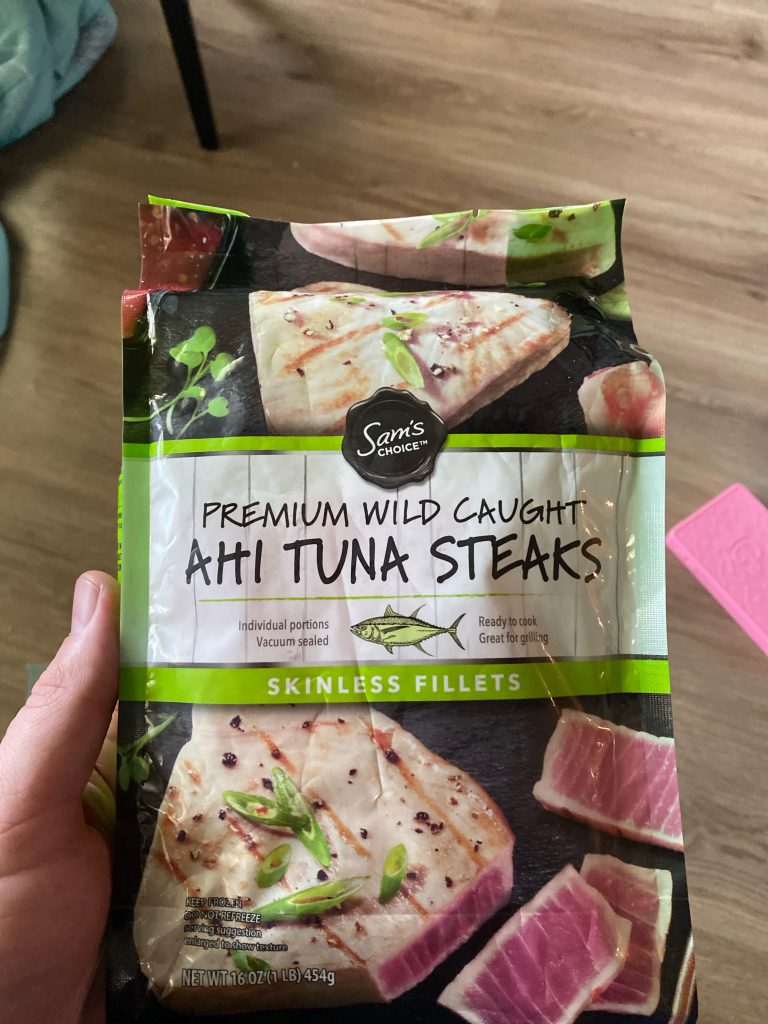
Have you ever opened your fridge, spotted a vacuum-sealed pack of tuna, and wondered, “Is this still good to eat?” You’re not alone.
Many people are unsure about how long vacuum-sealed tuna can last in the fridge. This uncertainty can lead to unnecessary food waste or, worse, an upset stomach. But don’t worry, we’ve got the answers you need. You’ll discover how long you can safely store vacuum-sealed tuna in your fridge without compromising on taste or safety.
By understanding the shelf life of this convenient protein source, you can make smarter choices for your meals and your wallet. So, stick around to learn the secrets of keeping your tuna fresh and delicious!
Shelf Life Of Vacuum Sealed Tuna
Understanding the shelf life of vacuum sealed tuna can save you from unnecessary food waste and keep your meals safe and delicious. Vacuum sealing slows down the spoilage process by removing air, which bacteria need to grow. But how much longer does vacuum sealed tuna last compared to fresh tuna stored normally?
Fresh Tuna Vs. Vacuum Sealed Tuna
Fresh tuna, when stored in the fridge without vacuum sealing, typically lasts about 1 to 2 days before it starts losing quality. Vacuum sealed tuna, on the other hand, can last significantly longer because the packaging eliminates air and reduces oxidation.
With vacuum sealing, you can expect the tuna to stay fresh for up to 1 to 2 weeks in the refrigerator. This gives you more flexibility to plan meals without rushing to consume it immediately.
Refrigerator Storage Duration
The fridge temperature plays a crucial role in how long vacuum sealed tuna remains safe to eat. Ideally, your fridge should be at or below 40°F (4°C) to keep the tuna fresh.
If stored properly at this temperature, vacuum sealed tuna can last anywhere from 7 to 14 days. Once opened, it’s best to consume the tuna within 1 to 2 days to avoid spoilage.
Factors Affecting Tuna Freshness
- Temperature Consistency:Fluctuations in fridge temperature can shorten shelf life.
- Initial Tuna Quality:Fresher tuna at the time of sealing lasts longer.
- Packaging Integrity:Any punctures or leaks can introduce air and bacteria.
- Handling Practices:Avoid frequent opening or leaving the tuna out at room temperature.
Have you noticed how quickly some packaged fish spoils compared to others? Paying attention to these factors can help you maximize the freshness of your vacuum sealed tuna every time you buy it.

Credit: meatnbone.com
Signs Of Spoiled Tuna
Knowing the signs of spoiled tuna helps keep you safe and avoid food waste. Tuna can spoil even when vacuum sealed. Checking for spoilage is key before eating.
Visual Indicators
Fresh tuna has a bright pink or red color. Spoiled tuna looks dull, brownish, or gray. Watch for slime or unusual spots on the surface. Cloudy liquid or excessive moisture inside the package is a bad sign. These changes mean the tuna is no longer fresh.
Smell And Texture Changes
Fresh tuna smells like the ocean—clean and slightly salty. Spoiled tuna gives off a strong, sour, or ammonia-like odor. Texture changes too. Tuna becomes mushy, sticky, or slimy when it spoils. These signs show bacteria growth and spoilage.
Taste Considerations
If tuna tastes sour, bitter, or off, do not eat it. Spoiled tuna has a strange or unpleasant flavor. Eating bad tuna can cause food poisoning. Always taste a small amount only if it looks and smells fresh.
Storing Vacuum Sealed Tuna Properly
Storing vacuum sealed tuna properly is key to keeping it fresh and safe. Proper storage slows down spoilage and keeps the flavor intact. Tuna stays good longer if you keep it cold and avoid contamination.
Optimal Fridge Temperature
Keep your fridge temperature between 32°F and 38°F (0°C to 3°C). This range slows bacterial growth and keeps tuna fresh. Use a fridge thermometer to check the temperature regularly. Avoid frequent opening of the fridge to keep it stable.
Placement Tips
Store vacuum sealed tuna on the lowest shelf or in the meat drawer. These spots are usually colder and more consistent in temperature. Keep tuna away from the fridge door to prevent temperature changes. Place tuna flat to avoid damage to the seal.
Avoiding Cross-contamination
- Keep vacuum sealed tuna separate from raw meats and strong-smelling foods.
- Use clean hands and utensils when handling the package.
- Do not reuse packaging once opened to prevent bacteria spread.
- Store tuna in a clean container if repackaging is needed.

Credit: www.wildfish.nz
Extending Tuna Freshness
Extending the freshness of vacuum sealed tuna helps keep its taste and texture longer. Proper storage slows down spoilage and maintains quality. Simple steps can make a big difference for your tuna’s shelf life.
Freezing Vacuum Sealed Tuna
Freezing is one of the best ways to keep tuna fresh for a long time. Vacuum sealing removes air, which prevents freezer burn. Store the sealed tuna in the coldest part of the freezer.
- Keep the temperature at or below 0°F (-18°C).
- Label the package with the date before freezing.
- Use frozen tuna within 2-3 months for best taste.
Thawing Methods
Thaw tuna slowly to keep its texture and flavor. Quick thawing can damage the fish and make it watery. The safest way is to thaw in the refrigerator.
- Place vacuum sealed tuna on a plate in the fridge.
- Allow 12 to 24 hours for complete thawing.
- Use thawed tuna within 1-2 days for freshness.
Using Preservatives Safely
Some safe preservatives can extend tuna’s freshness without harming health. Natural options include lemon juice and salt. These help slow bacteria growth and keep tuna tasty.
- Apply lemon juice before sealing to add freshness.
- Use salt to lightly cure the tuna if preferred.
- Avoid using too much preservative to keep flavor natural.
Health Risks Of Consuming Spoiled Tuna
Eating spoiled tuna can lead to serious health risks that you might not expect. Tuna that has gone bad often harbors harmful bacteria and toxins, which can cause food poisoning. Understanding these risks helps you protect yourself and your loved ones from unnecessary illness.
Food Poisoning Symptoms
Consuming spoiled tuna can cause symptoms such as nausea, vomiting, diarrhea, and stomach cramps. You might also experience headaches, dizziness, or a low-grade fever. In some cases, symptoms appear within hours, while in others, they may take a day or two to show up.
Have you ever felt sick after eating seafood and wondered what went wrong? Spoiled tuna can cause scombroid poisoning, a reaction to histamine buildup. This can lead to flushing, a burning sensation in the mouth, and even difficulty breathing in severe cases.
Preventive Measures
To avoid these health risks, always check the tuna’s smell and appearance before eating. Fresh tuna should smell clean and ocean-like, not sour or ammonia-like. Keep vacuum-sealed tuna refrigerated at or below 40°F (4°C) and consume it within the recommended time frame.
Don’t ignore the expiration dates or the condition of the packaging. If the vacuum seal is broken or swollen, discard the tuna immediately. You can also freeze vacuum-sealed tuna if you won’t use it soon—this extends its safe storage life and preserves quality.
When To Seek Medical Help
If you experience severe symptoms like persistent vomiting, high fever, dehydration, or difficulty breathing after eating tuna, seek medical help right away. These signs could indicate a serious infection or allergic reaction. Prompt treatment can prevent complications and speed up recovery.
Trust your instincts—if something feels off with your health after eating tuna, don’t hesitate to get professional advice. Your health is worth the extra caution.

Credit: www.reddit.com
Vacuum Sealing Tips For Tuna
Vacuum sealing tuna helps keep it fresh longer in the fridge. Proper sealing reduces air exposure, which slows spoilage. Following key tips makes sure the tuna stays tasty and safe. These tips cover packaging, sealing, and labeling.
Choosing The Right Packaging
Select vacuum bags or rolls made for food storage. Use thick, durable material to avoid tears or holes. Choose bags that fit the size of your tuna pieces well. Avoid overfilling the bags to get a tight seal. Clear packaging lets you see the tuna quality without opening.
Sealing Techniques
Dry the tuna surface before sealing to prevent moisture inside the bag. Place the tuna flat and spread out for even sealing. Use a vacuum sealer with strong suction power for best results. Seal twice if needed to ensure no air leaks. Check the seal edge for a secure and complete closure.
Labeling And Dating
Write the packaging date on each vacuum-sealed bag. Use a permanent marker or labels that stick well in cold. Include tuna type and portion size for easy identification. Update labels if you repackage or move the tuna. Proper labeling helps track freshness and avoid waste.
Frequently Asked Questions
How Long Does Vacuum Sealed Tuna Last Refrigerated?
Vacuum sealed tuna typically lasts 1 to 2 weeks in the fridge. Proper refrigeration at or below 40°F (4°C) is essential to maintain freshness and prevent spoilage.
Can Vacuum Sealing Extend Tuna’s Fridge Shelf Life?
Yes, vacuum sealing removes air, slowing bacterial growth. This process can extend tuna’s fridge shelf life by several days compared to non-sealed tuna.
How To Tell If Vacuum Sealed Tuna Has Gone Bad?
Check for off smells, slimy texture, or discoloration. If tuna smells sour or looks dull, it’s best to discard it to avoid foodborne illness.
Is It Safe To Eat Vacuum Sealed Tuna After Expiration?
It’s not recommended to eat vacuum sealed tuna past its expiration date. Consuming expired tuna risks food poisoning due to possible bacterial contamination.
Conclusion
Vacuum sealed tuna stays fresh longer in the fridge. Usually, it lasts about one to two weeks. Keep the temperature steady, around 34 to 40°F (1 to 4°C). Always check for signs of spoilage before eating. Smell, look, and feel the tuna carefully.
Proper storage helps keep taste and safety. Enjoy your tuna while it’s fresh and safe. Store it well, eat it soon, and waste less food. Simple steps make a big difference in freshness and health.