
Have you ever found yourself with a freezer but no refrigerator? Maybe your fridge broke down, or you just need some extra cooling space.
You might be wondering if you can turn that freezer into a temporary fridge. This question isn’t just about convenience; it’s about saving money and making the most of what you already have. Imagine the satisfaction of solving a problem with a simple hack, all while keeping your food fresh and your wallet happy.
You’ll discover whether your freezer can do double duty as a refrigerator. We’ll explore the pros, cons, and steps you need to take if you decide to make the switch. Stick around to learn how this small change could make a big difference in your daily life.
Freezer Vs Refrigerator
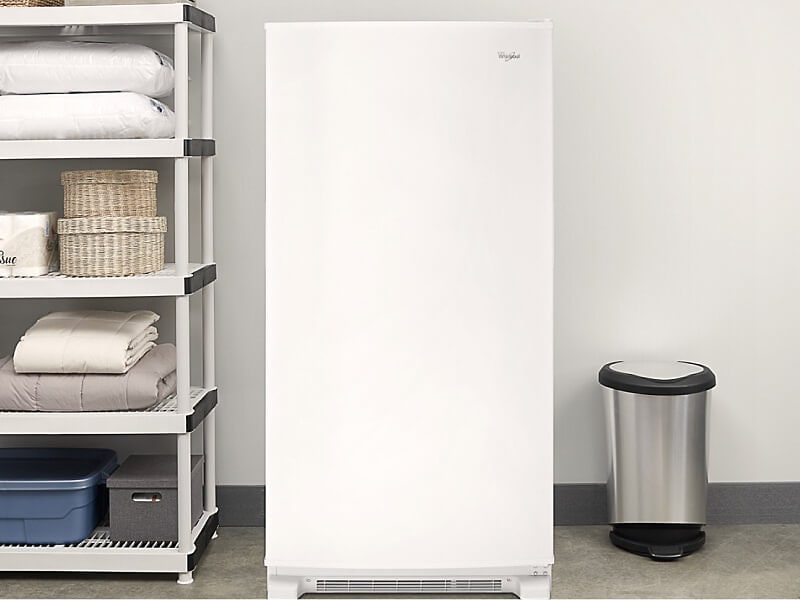
Freezers and refrigerators both keep food cold but serve different purposes. Understanding their differences helps decide if a freezer can replace a refrigerator. Each appliance has specific features designed for storing food safely and effectively.
Temperature Differences
Freezers maintain temperatures below 0°F (-18°C). This temperature freezes food to preserve it for months. Refrigerators keep food above freezing, usually between 35°F and 40°F (1.7°C to 4.4°C). This range slows bacteria growth without freezing food.
Design And Function
Freezers have thick insulation to keep cold air in and block warm air out. They often have no shelves for liquids or fresh produce. Refrigerators have adjustable shelves and drawers to store different types of food. They also have compartments for fruits, vegetables, and dairy.
Energy Consumption
Freezers use more energy to maintain colder temperatures. Their compressors run longer to keep food frozen. Refrigerators use less energy because they operate at higher temperatures. Running a freezer as a refrigerator can increase electricity bills.
Credit: www.whirlpool.com
Using A Freezer As A Refrigerator
Using a freezer as a refrigerator can be a practical solution in some situations. Freezers and refrigerators share similar technology, but their temperatures differ significantly. Adjusting a freezer to work like a fridge requires care and understanding of the appliance’s limits. This section explores how to make this switch, the benefits you might gain, and the challenges to expect.
Adjusting The Temperature
Freezers usually run at temperatures below 0°F (-18°C). To use one as a refrigerator, raise the temperature to between 35°F and 40°F (1.7°C to 4.4°C). Many freezers have a built-in thermostat that can be adjusted with a dial or digital control. Some models may need a separate external thermostat for precise control.
Check the temperature regularly with a thermometer. Avoid setting it too low, or food may freeze. Setting it too high can lead to spoilage.
Potential Benefits
- Energy Efficiency: Freezers often use less energy at steady temperatures.
- Extra Storage: Converts unused freezer space into fridge space.
- Cost Saving: Avoids buying a new refrigerator if one is not available.
- Quiet Operation: Freezers tend to run more quietly than some refrigerators.
Common Challenges
- Temperature Control: Freezers are not designed for higher temps, causing instability.
- Humidity Issues: Lack of moisture control may dry out foods.
- Door Seal: Freezer seals may not prevent warm air from entering at fridge temps.
- Space Layout: Shelves and compartments are designed for frozen goods, not fresh items.
Food Storage Considerations
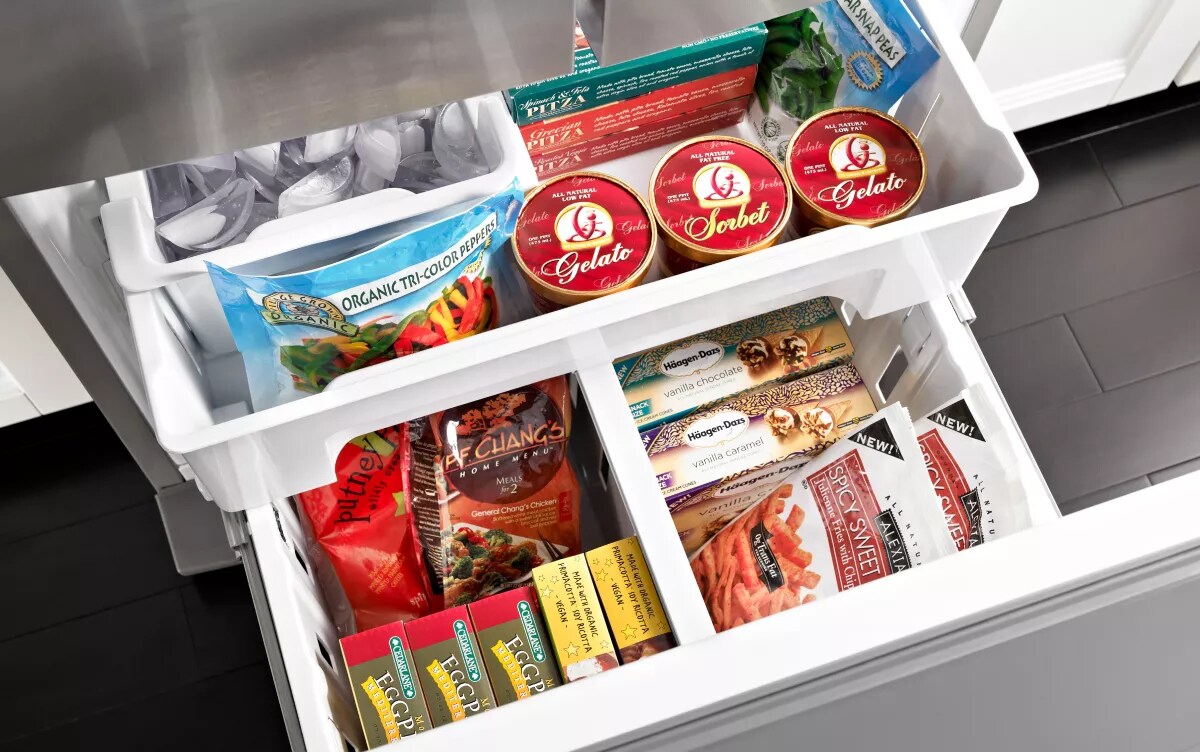
Using a freezer as a refrigerator changes how you store food. Freezers keep food at much lower temperatures than refrigerators. This affects the type of food you can store and how long it stays fresh. Understanding these changes helps keep your food safe and tasty.
Types Of Food Suitable
Some foods do well in a freezer set to refrigerator temperatures. Fresh fruits like apples and citrus can last longer. Hard cheeses and butter stay good for weeks. Raw vegetables, especially firm ones like carrots, keep their texture. Avoid storing soft fruits and leafy greens. They become mushy and lose flavor quickly.
Shelf Life Impact
Food stored colder than usual lasts longer than in a normal fridge. Meat and fish stay fresh for up to a week. Dairy products have extended life but may change texture. Cooked meals freeze well and keep taste. Watch for freezer burn, which can dry out food. Label items with dates to track freshness easily.
Safety Concerns
Temperature control is key to food safety. Freezers set too cold may freeze some foods, changing texture. Temperatures above 40°F (4°C) risk bacteria growth. Keep the freezer temperature between 32°F and 40°F for refrigerator use. Avoid repeated opening to maintain steady temperatures. Always check food for signs of spoilage before use.
Credit: www.whirlpool.com
Energy Efficiency And Costs
Using a freezer as a refrigerator raises questions about energy use and costs. Both appliances serve different purposes, affecting their efficiency and expenses. Understanding these differences helps decide if a freezer can replace a fridge without extra costs or energy waste.
Power Usage Comparison
Freezers generally use more power than refrigerators. They maintain lower temperatures, so compressors run longer. Refrigerators cycle on and off more often, saving energy. Using a freezer as a fridge means it works harder to keep a higher temperature. This leads to increased electricity consumption over time.
Cost Implications
Higher energy use means bigger electricity bills. Freezers consume about 20-30% more power than fridges. Running a freezer constantly at fridge temperatures can raise monthly costs. Repair and maintenance expenses may also increase. Freezers are not designed to handle frequent door openings like fridges, which can cause wear faster.
Environmental Impact
More electricity means a larger carbon footprint. Increased power use leads to more greenhouse gas emissions from power plants. Using appliances inefficiently adds to global warming risks. Choosing the right appliance reduces energy waste and environmental harm. Energy-efficient refrigerators produce fewer emissions, helping protect the planet.
Practical Tips And Alternatives
Using a freezer as a refrigerator might seem like a handy hack, but it requires some careful thought and adjustments. Understanding how to tweak your freezer settings and recognizing when it’s time to get a real refrigerator can save you from spoiled food and wasted energy. There are also smart alternatives to consider if your goal is simply to keep items cool without investing in a full fridge.
Modifying Freezer Settings
Most freezers are designed to maintain temperatures well below freezing, which isn’t ideal for fresh foods you want chilled but not frozen. You can try adjusting the thermostat to a warmer setting, usually around 35°F to 40°F, to mimic refrigerator conditions.
However, not all freezers allow precise temperature control, and some older models might not maintain a steady temperature at this range. Keep a separate thermometer inside to monitor the actual temperature, so your food stays safe and fresh.
Remember, frequent opening and closing will affect the temperature stability. If you notice frost buildup or uneven cooling, it could mean your freezer isn’t suitable for this purpose.
When To Choose A Refrigerator
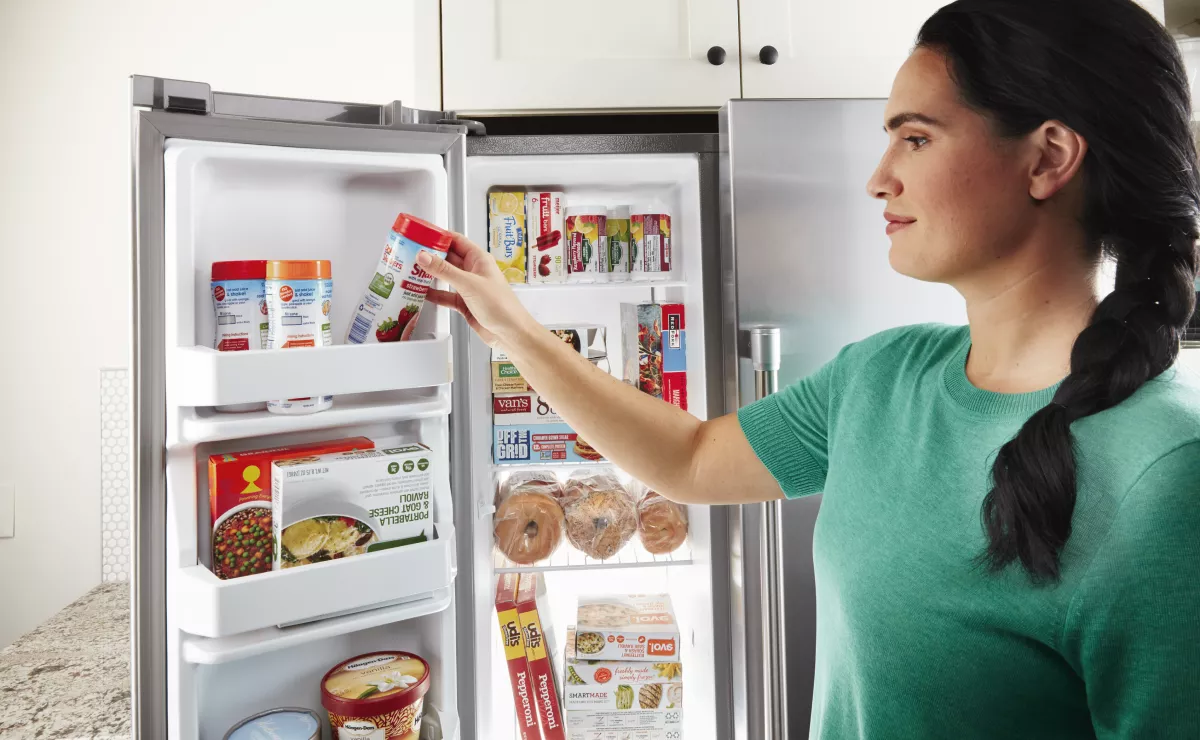
Ask yourself what types of food you need to store. If you’re dealing mostly with perishables like milk, fresh vegetables, or leftovers, a refrigerator is a safer bet. These items require consistent temperatures above freezing to stay fresh without losing texture or flavor.
Also, consider how often you access your cooling unit. Refrigerators are built to handle frequent door openings without big temperature swings, unlike freezers. If your needs include storing beverages or daily snacks, a fridge offers much more convenience.
Think about energy costs too. Running a freezer at refrigerator temperatures can be inefficient. A dedicated refrigerator often uses less power for cooling at higher temperatures.
Alternative Cooling Solutions
If buying a refrigerator isn’t an option, there are other ways to keep your food cool without freezing it. A cooler box with ice packs can be very effective for short-term storage or when you need portable cooling.
Another option is a mini-fridge, which uses less space and energy than a full-size fridge. These are perfect for small apartments, offices, or dorm rooms.
For those interested in eco-friendly choices, consider evaporative coolers or thermoelectric coolers. They don’t freeze but can keep items comfortably chilled using less electricity.
What’s your main priority: saving energy, space, or money? Choosing the right cooling solution depends on what matters most to you and how you plan to use it.
Credit: www.whirlpool.com
Frequently Asked Questions
Can A Freezer Function Properly As A Refrigerator?
A freezer is designed to keep food frozen, not just cool. Using it as a refrigerator may cause temperature issues and inefficient cooling. It can lead to food spoilage or freezer damage since freezers maintain much colder temperatures than refrigerators.
What Are The Risks Of Using A Freezer As A Fridge?
Using a freezer as a fridge can cause food to freeze unintentionally. It may also increase energy consumption and reduce appliance lifespan. Freezers lack proper humidity control, which can affect fresh food quality when used as refrigerators.
How To Adjust A Freezer To Work Like A Refrigerator?
To use a freezer as a fridge, set its thermostat to a higher temperature, around 35-40°F (1. 7-4. 4°C). Monitor the temperature closely. However, this is not ideal for long-term use due to appliance design differences and potential performance issues.
Is It Energy-efficient To Use A Freezer As A Refrigerator?
No, freezers consume more energy when used as refrigerators. Their insulation and compressors are optimized for freezing, not cooling. This mismatch causes higher electricity use and increased utility bills over time.
Conclusion
Using a freezer as a refrigerator is not ideal for most foods. Freezers keep temperatures too low for fresh fruits and vegetables. This can cause damage and spoilage. Also, freezers use more energy when opened often. For safe food storage, a proper refrigerator works best.
It keeps food fresh and at the right temperature. Small fridges cost less and save energy. Think about what you need before choosing. Your food and health depend on it.