Are you unsure whether those juicy peaches sitting on your counter need to be refrigerated? You’re not alone.
Peaches are a summer favorite, bursting with flavor and sweetness, but there’s always that lingering question about how to store them properly. Should you leave them out to bask in the warmth, or tuck them away in the cold embrace of your fridge?
The answer can affect not only their taste and texture but also how long they last. Stick around as we unravel the mystery and provide you with the best tips to keep your peaches perfect. Your taste buds will thank you!

Credit: www.yahoo.com
Peach Ripening Process
The peach ripening process is a natural progression that transforms hard, sour fruit into juicy, sweet peaches. This process happens after harvesting and can continue at room temperature or be slowed down in the fridge. Understanding how peaches ripen helps in deciding whether to refrigerate them or not.
How Peaches Ripen
Peaches ripen through a chemical process involving ethylene gas. This gas triggers the softening of the fruit’s flesh and the breakdown of starches into sugars. The skin color changes from greenish to a bright yellow or orange. The fruit becomes softer to touch and develops a sweeter aroma. Ripening usually takes a few days at room temperature.
Signs Of Ripe Peaches
- The skin turns a deep yellow or orange color with a red blush.
- The peach feels slightly soft but not mushy when gently pressed.
- A sweet, fragrant smell comes from the stem area.
- The fruit easily separates from the stem.
- The surface has no green tint left.
Credit: mysweetprecision.com
When To Refrigerate Peaches
Knowing when to refrigerate peaches helps keep them fresh and tasty longer. Peaches change quickly after picking. Proper storage depends on their ripeness and how you want to enjoy them. This guide explains the best time to use the fridge for peaches.
Ripeness And Refrigeration
Peaches that are still hard and green do not need refrigeration. They should ripen at room temperature. Place them on the counter away from direct sunlight. Once peaches feel soft and give slightly to pressure, they are ripe. At this stage, refrigeration slows down further ripening and spoilage. Store ripe peaches in the fridge to extend freshness for a few days.
Impact Of Refrigeration On Flavor
Cold temperatures slow peach ripening but can affect taste and texture. Refrigerated peaches may lose some sweetness and juiciness. The flesh can become mealy or dry if kept too long. To enjoy the best flavor, take peaches out of the fridge about 30 minutes before eating. This allows natural sugars and aroma to develop again.
Best Storage Methods
Storing peaches properly keeps them fresh and tasty. Choosing the right storage method depends on the ripeness of the fruit. Peaches continue to ripen after picking. This means you can control their softness and sweetness by how you store them. Here are the best ways to store peaches to enjoy their flavor longer.
Room Temperature Storage
Keep unripe peaches at room temperature. Place them in a single layer on the counter. Avoid stacking to prevent bruising. Let them ripen naturally over a few days. Check daily for softness. When peaches feel slightly soft, they are ready to eat. Room temperature helps develop their full flavor.
Refrigeration Tips
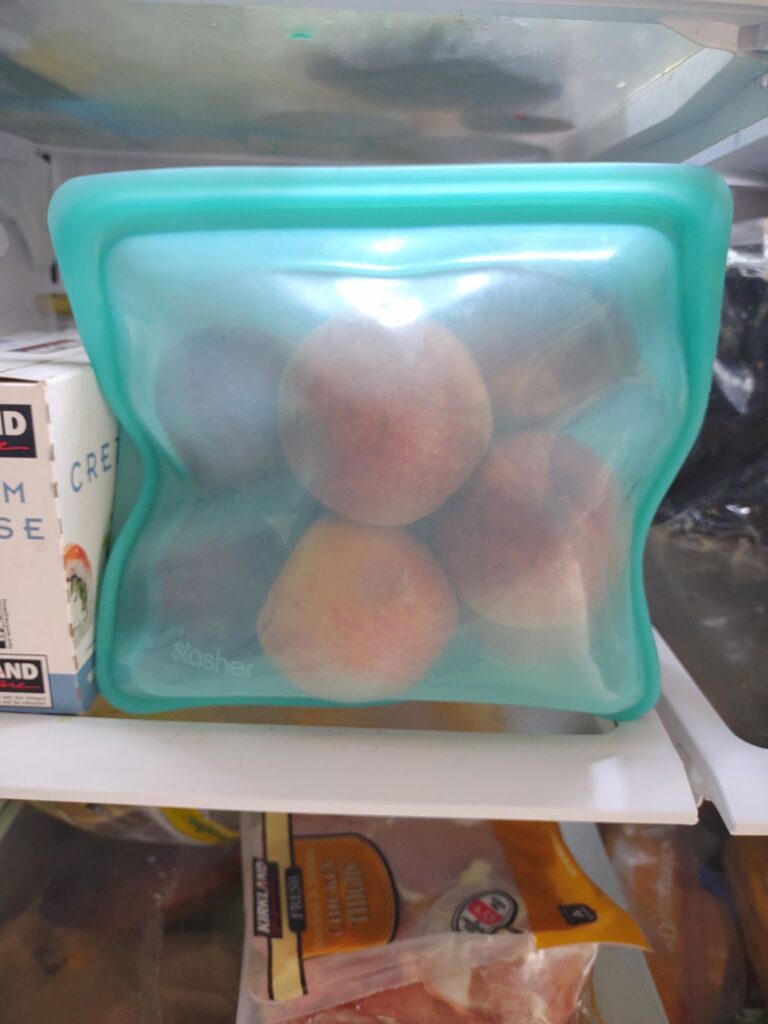
Once peaches ripen, refrigeration slows down spoilage. Store ripe peaches in the fridge’s crisper drawer. Use a plastic bag with holes or a breathable container. This keeps peaches fresh for up to a week. Avoid washing peaches before storing. Moisture can cause mold and spoilage. Wash right before eating for best taste.
Using Paper Bags For Ripening
Place peaches in a paper bag to speed ripening. The bag traps natural gases peaches release. This helps soften the fruit faster. Add an apple or banana to the bag to boost ripening. Check peaches daily to avoid overripening. Remove peaches from the bag once they reach desired softness. This method is simple and effective.

Credit: www.eatlikenoone.com
Handling And Preparation
Proper handling and preparation of peaches keep them fresh and tasty. It also helps maintain their natural sweetness and texture. Knowing how to wash, handle, and store peaches ensures you enjoy them at their best. This section guides you through simple steps for peach care.
Washing Peaches
Rinse peaches under cool running water. Avoid using soap or detergents. Gently rub the skin with your fingers to remove dirt. Use a soft brush if needed. Dry peaches with a clean towel before eating or storing.
Avoiding Bruising
Peaches bruise easily due to their soft skin. Handle them with care to keep them firm. Do not stack heavy items on peaches. Store peaches in a single layer. Use padded containers if transporting.
Pre-cut Peach Storage
Cut peaches spoil faster than whole ones. Store pre-cut peaches in an airtight container. Keep them in the refrigerator to slow spoilage. Use within 1-2 days for best taste. Sprinkle lemon juice to prevent browning.
Extending Peach Freshness
Peaches are delicious but spoil quickly. Extending their freshness helps enjoy them longer. Proper storage and preservation keep peaches tasty and safe to eat.
Fresh peaches stored correctly stay juicy and sweet. Refrigeration slows ripening but can change texture. Other ways help keep peaches fresh beyond just chilling.
Freezing Peaches
Freezing preserves peaches for months. Peel and slice peaches before freezing. Use airtight containers or freezer bags to avoid freezer burn.
- Wash and dry peaches thoroughly.
- Peel skins using boiling water or a knife.
- Cut peaches into slices or chunks.
- Place pieces on a tray to freeze individually.
- Transfer frozen slices to bags or containers.
Frozen peaches work well in smoothies, desserts, and baking. This method keeps flavor and nutrients intact.
Preserving With Canning
Canning allows long-term peach storage. It requires sterilized jars and syrup or juice. Heat jars to kill bacteria and seal tightly.
- Prepare peaches by peeling and slicing.
- Make a simple syrup with sugar and water.
- Pack peaches into jars and pour syrup over.
- Remove air bubbles and wipe jar rims clean.
- Process jars in a boiling water bath for safety.
Canned peaches keep well for a year. They are ready to eat or use in recipes.
Using Peaches In Recipes
Cooked peaches last longer than fresh ones. Baking, making jams, or sauces preserves flavor. Cooking also softens peaches for easier use.
- Make peach jam or preserves with sugar and lemon juice.
- Add peaches to pies, crisps, or cobblers.
- Prepare peach sauces or chutneys for meats and desserts.
Using peaches in recipes reduces waste. It gives new life to ripening fruit.
Frequently Asked Questions
Do Peaches Need Refrigeration To Stay Fresh?
Ripe peaches should be refrigerated to extend freshness. Unripe peaches ripen best at room temperature. Refrigeration slows ripening and preserves flavor once soft.
How Long Can Peaches Last In The Fridge?
Refrigerated ripe peaches last about 5 to 7 days. Keep them in a plastic bag or container. Check regularly for softness or spoilage signs.
Can Refrigerating Peaches Affect Their Taste?
Yes, refrigeration can slightly reduce peach aroma and sweetness. However, it helps maintain texture and prevents spoilage. Consume chilled peaches soon for best flavor.
Should You Wash Peaches Before Refrigerating?
It’s best to wash peaches just before eating. Washing before refrigerating can promote mold growth and spoilage. Keep them dry until ready to use.
Conclusion
Peaches taste best when stored properly. Keep unripe peaches at room temperature. Once ripe, place them in the fridge to stay fresh longer. Cold slows down ripening and decay. Avoid washing peaches before storing; moisture causes spoilage. Check peaches daily for softness or spots.
Enjoy sweet, juicy peaches by storing them right. Simple steps help keep peaches fresh and tasty. Your peach experience depends on smart storage choices.