Ever wondered what’s keeping the air inside your refrigerator fresh and odor-free? You’re not alone.
Many people are curious about how their fridge maintains that crisp, clean smell. You might ask yourself if refrigerators have air filters, and if so, what role they play in preserving your food and keeping your appliance in top condition.
Understanding this can change the way you view your fridge’s inner workings and, more importantly, help you get the most out of it. Dive into this article to uncover the secrets behind your refrigerator’s air filtration and discover how it impacts your daily life. You’ll be surprised at how this small component can make a big difference in keeping your food fresh and your appliance running efficiently.
Air Filters In Refrigerators
Air filters play a role in keeping the air inside refrigerators fresh. They help reduce odors and maintain a clean environment for food storage. Understanding how air filters work and the types used can help you choose the right refrigerator for your needs.
Presence Of Air Filters
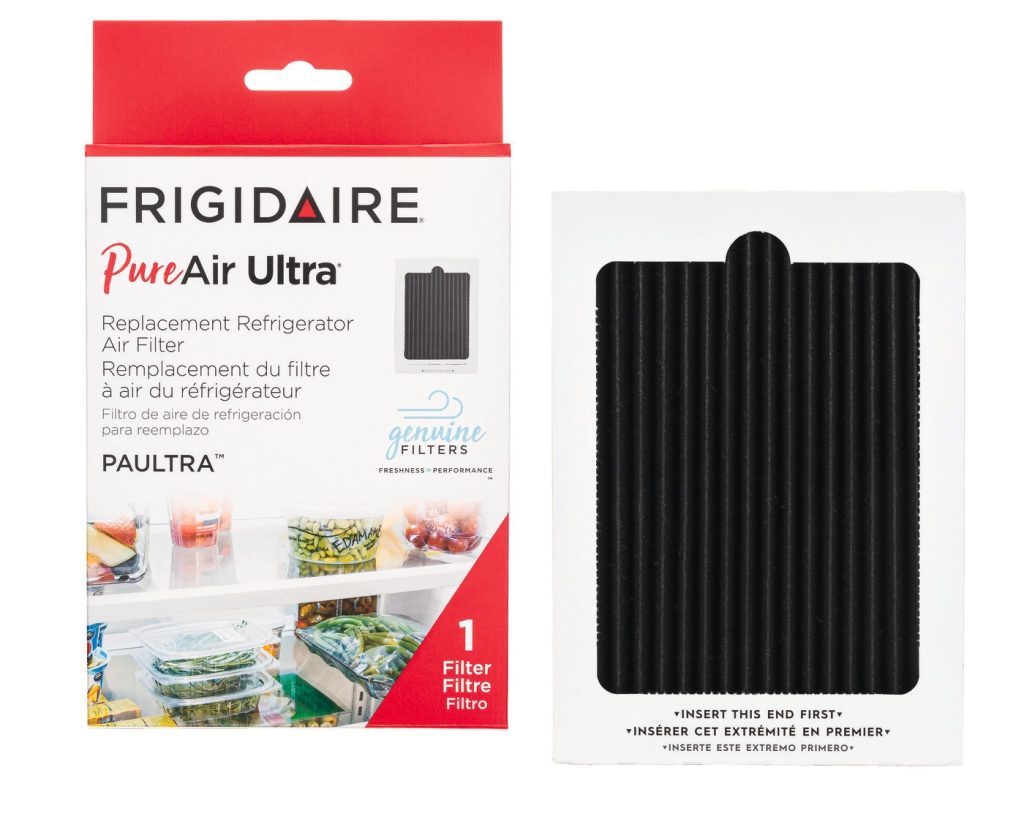
Not all refrigerators have air filters. Many modern models include them to control smells and bacteria. These filters are usually placed near the air vents inside the fridge. They help trap particles and prevent bad odors from spreading. Older or basic refrigerators often lack this feature.
Types Of Air Filters Used
Several types of air filters are used in refrigerators. The most common are carbon filters. They absorb odors and improve air quality inside the fridge. Some refrigerators use HEPA filters. These capture tiny particles and allergens. Others combine both types for better performance.
- Carbon filters:Remove smells and gases.
- HEPA filters:Capture fine particles and allergens.
- Combination filters:Offer both odor control and particle removal.
Functions Of Refrigerator Air Filters
Refrigerator air filters serve multiple important functions that can improve your kitchen experience. They do more than just trap dust or particles; they actively work to keep your fridge environment clean and fresh. Understanding these roles can help you decide if adding or replacing a filter is worth it for your home.
Odor Control
One major function of refrigerator air filters is controlling odors inside your fridge. Have you ever opened your fridge and been hit by a strange smell? Air filters help absorb and neutralize these odors, preventing strong scents from one food item from affecting others.
This means no more mixing smells between your leftover curry and fresh fruits. By removing airborne odor-causing molecules, the filter keeps your fridge smelling clean and fresh all the time.
Air Purification
Air filters in refrigerators also purify the air by trapping bacteria, mold spores, and other contaminants. This is especially helpful if you store fresh produce or dairy, which are sensitive to airborne germs.
Cleaner air inside the fridge reduces the risk of food spoilage caused by microbial growth. It’s like giving your food a cleaner environment to live in, which can make a noticeable difference in quality.
Extending Food Freshness
By controlling odors and purifying the air, refrigerator air filters play a key role in extending the freshness of your food. Have you noticed how some fruits or vegetables spoil quickly when kept together with strong-smelling items? Filters help reduce this effect by maintaining a better internal atmosphere.
This means your groceries last longer, saving you money and cutting down on waste. So, investing in a good air filter can be a smart move if you want fresher food and fewer trips to the store.
How Air Filters Work
Air filters in refrigerators help keep the air inside clean and fresh. They trap tiny particles that cause bad smells and prevent bacteria from spreading. This process helps food stay fresher longer and reduces odors. Understanding how these filters work can explain their role in your kitchen.
Filter Mechanisms
Refrigerator air filters use different materials to catch impurities. Most filters contain activated carbon. This material absorbs odors and gases. Some filters also include HEPA or charcoal layers. These layers trap dust, mold spores, and other tiny particles.
The filter works by pulling air through its layers. As air passes, unwanted smells and particles stick to the filter. Clean air then flows back into the fridge, keeping the environment fresh.
Placement Inside Refrigerators
Air filters are usually placed near the air vents inside the fridge. This location helps them clean the circulating air efficiently. Some models have filters in the fresh food section. Others place them near the freezer or air duct.
Filters need easy access for replacement. Many refrigerators have a filter cover or slot that makes changing filters simple. Proper placement ensures the air flows correctly and stays pure inside the fridge.

Credit: www.amazon.com
Maintaining Refrigerator Air Filters
Maintaining the air filter in your refrigerator is crucial for keeping the air inside fresh and your appliance running efficiently. A clean filter helps trap odors and airborne particles, preventing them from circulating and affecting the taste of your food. Paying attention to your filter’s condition can save you from unexpected smells and potential appliance issues.
Replacement Frequency
Most refrigerator air filters need to be replaced every 6 months, but this can vary depending on your model and usage. If you have pets or live in a dusty environment, consider replacing it more often. Check your refrigerator’s manual for specific recommendations to keep your filter working at its best.
Signs Of Filter Wear
How do you know when your filter needs a change? Watch for these signs:
- Unpleasant or persistent odors inside the fridge
- Increased frost buildup around vents
- Reduced airflow or strange noises from the appliance
Ignoring these signs can impact your food’s freshness and the refrigerator’s efficiency. Have you noticed any of these in your fridge lately?
Proper Installation Tips
Installing a new air filter correctly is simple but important. Always turn off your refrigerator before replacing the filter to avoid any damage. Make sure the filter fits snugly in its slot, following the arrows or markings for airflow direction.
Press firmly but gently to avoid breaking any clips or connectors. Double-check the seal after installation to ensure no air bypasses the filter. A well-installed filter keeps your fridge smelling fresh and your food tasting just right.
Air Filters Vs. Other Odor Control Methods
Air filters in refrigerators help reduce odors and improve air quality inside. They trap particles and some smells. Other odor control methods work differently. Each has its own benefits and limits. Understanding these options helps keep your fridge fresh and clean.
Activated Charcoal Packs
Activated charcoal packs absorb odors naturally. They contain tiny pores that trap smell molecules. These packs last for several months. They do not need electricity or replacement filters. Simply place them in the fridge corner. Replace when the smell returns.
Baking Soda
Baking soda is a popular odor absorber. It neutralizes acids and bases that cause smells. Just open a box and leave it inside the fridge. Replace every three months for best results. Baking soda is affordable and easy to find. It works well but does not filter air.
Ventilation Systems
Some refrigerators have built-in ventilation systems. These systems circulate air to reduce moisture and odors. They help keep food fresher longer. Ventilation does not remove odors completely. It supports air filters and other odor absorbers. Proper ventilation prevents mold and bad smells.

Credit: www.amazon.com
Choosing Refrigerators With Air Filters
Choosing a refrigerator with an air filter can make a noticeable difference in how fresh your food stays and how clean your fridge smells. You might not realize that some models come with built-in air filtration systems designed to reduce odors and bacteria. Picking the right one means paying attention to brand reliability and the specific features that matter most to your kitchen habits.
Popular Brands And Models
Some well-known brands stand out for including effective air filters in their refrigerators. Samsung’s Family Hub models often feature advanced air purification that targets odor-causing particles. LG offers the Pure N Fresh system in many of their smart refrigerators, which actively circulates and cleans the air inside.
Whirlpool and GE also provide models with carbon-based filters that trap food smells and help keep the interior environment fresh. You might want to compare these brands based on your budget and the size of the fridge you need. Have you checked if your preferred brand offers a filter replacement program? That can save you hassle in the long run.
Key Features To Look For
- Type of Filter:Carbon filters are common and effective at neutralizing odors. Some models use antimicrobial filters that reduce bacteria growth inside.
- Filter Replacement:Look for refrigerators with easy-to-replace filters and clear indicators that tell you when it’s time to swap them out.
- Air Circulation:A good air filter works best when paired with strong air circulation inside the fridge to spread freshness evenly.
- Energy Efficiency:Filters and air purifying systems should not significantly increase your energy bill. Check energy ratings before deciding.
Choosing a fridge with these features can help maintain your food’s freshness longer and reduce the need for frequent cleaning. Think about how much you cook and store perishable items—would a built-in air filter save you time and reduce waste? Your daily routine can guide you to the best choice.
Cost And Benefits Of Air Filter Integration
Adding an air filter to your refrigerator is more than just a tech upgrade; it impacts both your budget and the quality of your food storage. Understanding the costs and benefits helps you decide if this feature is worth it for your kitchen.
Price Implications
Air filters in refrigerators usually add to the initial cost of the appliance. You might pay an extra $20 to $50 for models that include built-in filters. Replacement filters can range from $10 to $30 and typically need changing every 6 months.
Consider the long-term expense of maintaining these filters. While the upfront cost may seem high, some users find the price justified by the extended freshness of their food. Are you ready to invest a little more for cleaner air inside your fridge?
Health And Freshness Advantages
Air filters reduce odors by trapping bacteria and mold spores, which helps your food stay fresher longer. This can lower the chance of spoiled items and reduce waste, saving you money over time.
For people sensitive to allergens, filtered air inside the fridge can make a noticeable difference. Imagine opening your fridge to a fresh, clean smell every day instead of dealing with funky odors. Doesn’t that make the extra cost feel more reasonable?

Credit: www.amazon.com
Frequently Asked Questions
Do Refrigerators Come With Built-in Air Filters?
Most modern refrigerators include built-in air filters to reduce odors and bacteria. These filters help keep food fresh longer by improving air quality inside the fridge. However, not all models have this feature, so check the specifications before purchasing.
How Often Should Refrigerator Air Filters Be Replaced?
Refrigerator air filters typically need replacement every 6 months. Frequent use, food type, and fridge model can affect this timeline. Regular replacement ensures optimal odor control and prevents bacterial buildup inside the refrigerator.
Can Air Filters Improve Refrigerator Energy Efficiency?
Yes, clean air filters can improve refrigerator efficiency. They help maintain proper airflow, reducing the compressor workload. This leads to energy savings and prolongs the appliance’s lifespan by preventing overheating and excessive power consumption.
What Types Of Air Filters Are Used In Refrigerators?
Most refrigerators use activated carbon or charcoal air filters. These filters absorb odors and harmful gases effectively. Some advanced models might use HEPA or antimicrobial filters to provide enhanced air purification.
Conclusion
Refrigerators sometimes have air filters to keep food fresh. These filters help reduce odors and bacteria inside the fridge. Not all models include them, so check before buying. Cleaning or replacing filters keeps the fridge working well. A fresh-smelling fridge means better food storage.
Simple care makes a big difference in fridge life. Choose a fridge with a filter if you want extra freshness. Small steps keep your kitchen clean and healthy.