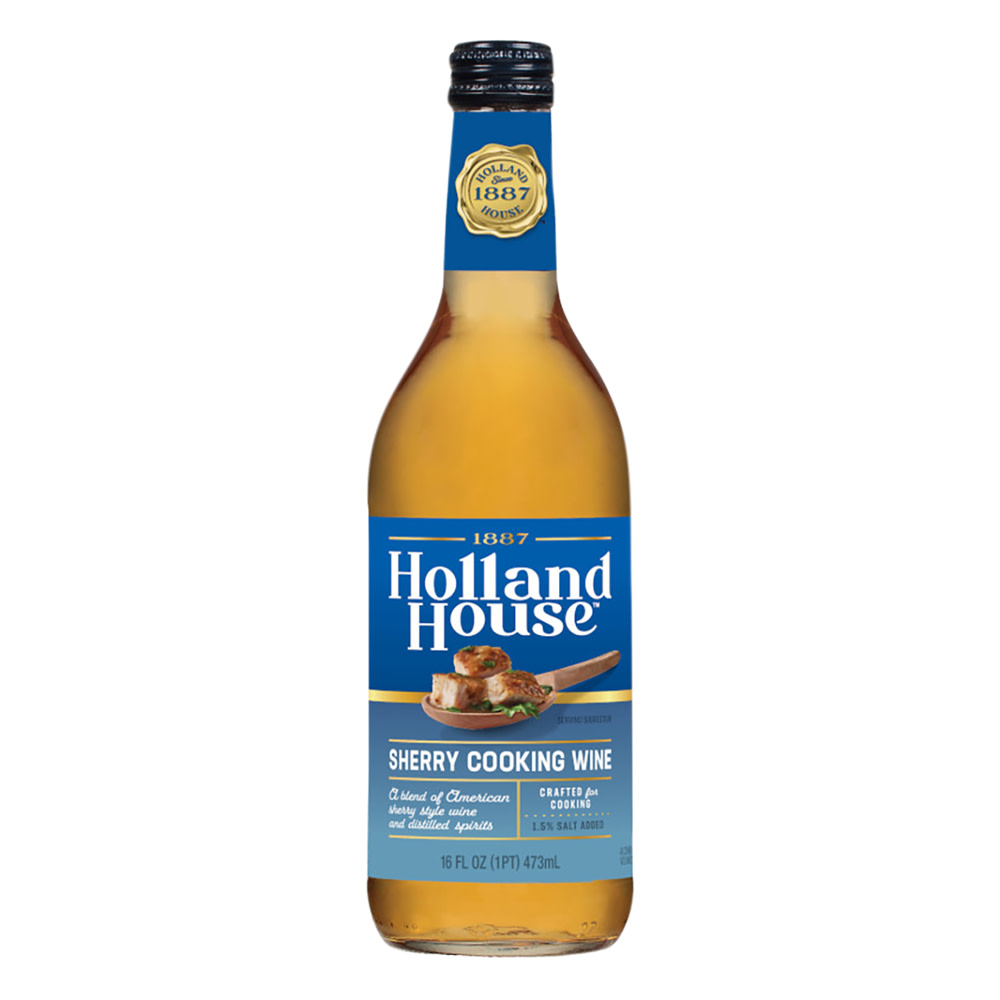
Have you ever wondered whether cooking wine needs to be refrigerated? You’re not alone.
This common kitchen question can leave many home cooks puzzled. After all, cooking wine is a staple ingredient in enhancing flavors and creating mouthwatering dishes. But does it really need to take up space in your fridge, or can it sit comfortably on your pantry shelf?
We’ll dive into the do’s and don’ts of storing cooking wine. By the end, you’ll know exactly how to keep your cooking wine fresh and flavorful, ensuring your dishes always taste their best. Keep reading to discover the secret to perfect wine storage that every home chef should know.
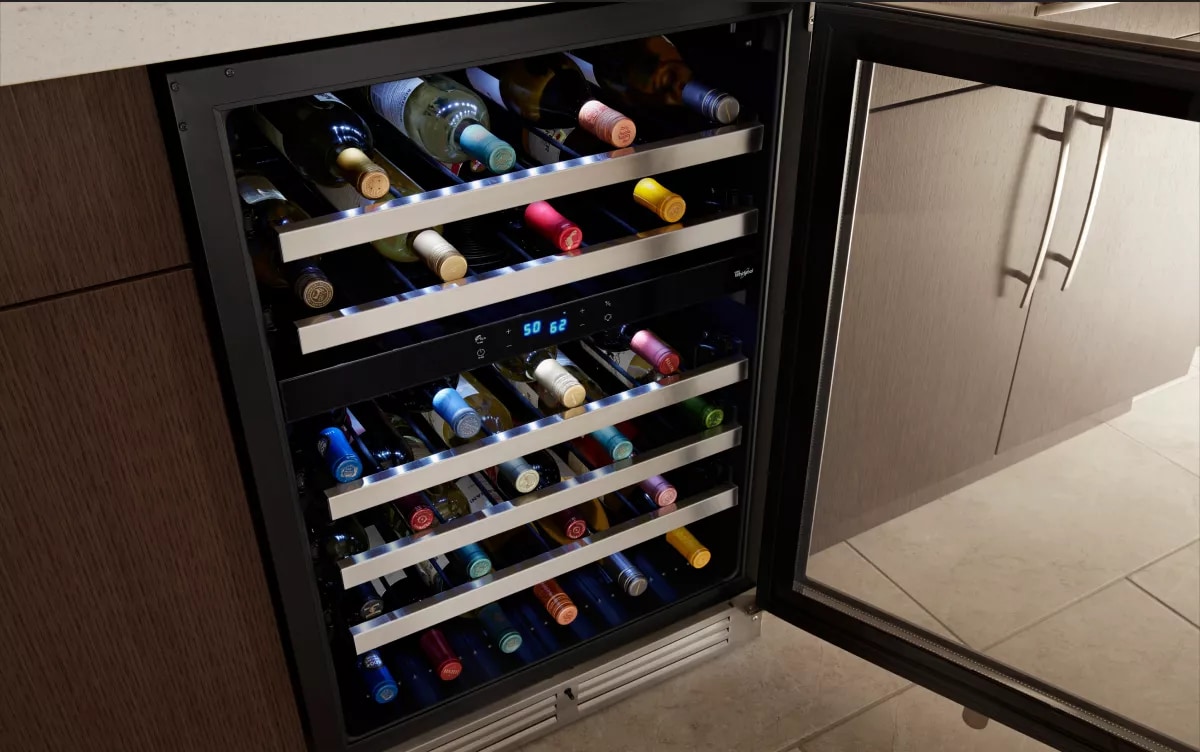
Credit: www.whirlpool.com
Types Of Cooking Wine
Cooking wine comes in different types, each bringing unique flavors to your dishes. Knowing these types helps you choose the right one for your recipe and storage needs. Let’s look at the common varieties and what makes them special.
Dry Vs. Sweet Cooking Wines
Dry cooking wines have little to no sugar, giving your dishes a crisp, clean flavor. They work well in savory recipes like stews, sauces, and marinades. Sweet cooking wines, on the other hand, contain more sugar and add a richer, fruity taste, perfect for desserts or glazes.
Think about a chicken dish you’ve made—did you notice how a splash of dry wine added brightness without overpowering? That’s the magic of dry cooking wine. Sweet wines can sometimes mask flavors if used in the wrong dish, so use them wisely.
Fortified Cooking Wines
Fortified wines have extra alcohol added, which helps preserve them longer after opening. Popular examples include Marsala, Sherry, and Madeira. These wines add depth and complexity to recipes like risottos, sauces, and braises.
Because of their higher alcohol content, fortified wines usually don’t need refrigeration right away. Have you ever wondered why your bottle of Marsala lasts so long even after months on the shelf? That’s due to fortification.
Understanding these types can guide you in both cooking and storing your wines properly.

Credit: www.foodservicedirect.com
Shelf Life Of Cooking Wine
Cooking wine is a common kitchen staple. Knowing its shelf life helps avoid waste and ensures good taste. Storage affects how long cooking wine stays fresh and usable. Both unopened and opened bottles have different shelf lives. Understanding these can guide proper storage and usage.
Unopened Bottles
Unopened cooking wine lasts longer than opened ones. It can stay good for up to two years. Keep it in a cool, dark place away from heat. Avoid storing near the stove or sunlight. Check the bottle for any expiration or best-by dates. The alcohol and preservatives help preserve the wine for a long time.
Opened Bottles
Once opened, cooking wine begins to lose its quality. It usually stays good for about 3 to 6 months. Store opened bottles tightly sealed to slow down spoilage. Refrigeration helps extend the shelf life after opening. Watch for changes in color, smell, or taste. Discard if it smells sour or tastes off.
Storing Cooking Wine
Storing cooking wine properly keeps its flavor fresh and safe to use. The way you store it affects its taste and quality over time. Knowing the right storage method extends the shelf life and prevents spoilage. Here are key points about storing cooking wine effectively.
Room Temperature Storage
Cooking wine can stay at room temperature if unopened. Keep it in a cool, dark place away from heat and sunlight. Avoid storing near the stove or oven. Once opened, its quality drops faster at room temperature. Use it within a few weeks after opening to enjoy the best flavor.
Refrigeration Benefits
Refrigerating cooking wine after opening slows down oxidation. This preserves the taste and aroma longer. It also prevents the growth of bacteria or mold. A tightly sealed bottle in the fridge can last up to six months. Refrigeration keeps cooking wine fresher for extended use.
Avoiding Common Storage Mistakes
- Do not store cooking wine in direct sunlight or near heat sources.
- Always seal the bottle tightly to prevent air exposure.
- Avoid storing wine in a warm or humid place.
- Do not freeze cooking wine; it can change texture and taste.
- Use old cooking wine quickly to avoid stale flavors.

Credit: www.yahoo.com
Signs Cooking Wine Has Gone Bad
Knowing when your cooking wine has gone bad can save your dishes from an unpleasant taste and prevent potential food safety issues. Cooking wine doesn’t spoil as quickly as fresh wine, but it can still degrade over time. Watch for clear signs that your cooking wine is no longer good to use before you pour it into your meal.
Changes In Color And Smell
One of the easiest ways to spot bad cooking wine is by checking its color. If the wine has turned cloudy or developed a darker, murky hue, it’s a red flag. Fresh cooking wine usually has a consistent, clear color that matches its type, whether white or red.
Smell is just as important. If your cooking wine smells sour, musty, or has an off-putting vinegar-like odor, it’s time to toss it. A fresh bottle should have a pleasant aroma, often slightly fruity or neutral, depending on the variety.
Taste Alterations
Tasting a small amount can quickly reveal if the wine has gone bad. Cooking wine that tastes bitter, overly acidic, or flat indicates spoilage. Since cooking wine is meant to enhance flavors, any unpleasant taste will ruin your dish.
Have you ever added wine to a sauce only to find the flavor turned weird? That’s often because the wine was past its prime. Trust your taste buds—they are your best guide in deciding if the wine is still good.
Tips To Extend Cooking Wine Freshness
Keeping cooking wine fresh helps maintain its flavor and aroma for longer. Proper care prevents spoilage and waste. Simple habits can stretch the life of your cooking wine.
Proper Sealing Techniques
Seal the bottle tightly after each use. Use the original cork or a wine stopper. Avoid leaving air inside the bottle. Air exposure speeds up oxidation, ruining the wine’s taste. Store the bottle upright to minimize surface area contact with air.
Using Smaller Bottles
Transfer cooking wine into smaller containers. Smaller bottles reduce air exposure after opening. This keeps the wine fresher over time. Use clean, airtight bottles or jars. Label them with the date of transfer for tracking freshness.
Frequently Asked Questions
Does Cooking Wine Require Refrigeration After Opening?
Yes, cooking wine should be refrigerated after opening. This helps preserve its flavor and prevent spoilage. Keeping it cold slows oxidation and maintains quality for longer use.
How Long Does Opened Cooking Wine Last Refrigerated?
Opened cooking wine lasts about 1 to 3 months in the fridge. Proper sealing and refrigeration help retain its taste and safety during this period.
Can Cooking Wine Be Stored At Room Temperature?
Unopened cooking wine can be stored at room temperature. However, once opened, refrigeration is necessary to avoid flavor degradation and bacterial growth.
Is It Safe To Use Unrefrigerated Cooking Wine?
Using unrefrigerated cooking wine is safe short-term but not recommended long-term. Exposure to air and warmth reduces quality and may cause spoilage.
Conclusion
Cooking wine does not always need refrigeration. Many types last well in a cool, dark place. Once opened, sealing the bottle tight helps keep flavor fresh. Refrigeration can slow down spoilage but is not always required. Check the label for storage advice.
Using cooking wine within a few months ensures best taste. Keep your kitchen simple and organized. Save space by storing wine where it stays stable. Enjoy cooking without worry about wine storage.