Have you ever opened your refrigerator only to find unwanted moisture clinging to your food and shelves? This dampness not only invites mold and bacteria but can also make your fresh produce spoil faster.
If you’ve been battling this frustrating issue, you’re not alone. Many people face this common problem and are seeking a simple, effective solution. This guide will reveal why your fridge might be turning into a mini rainforest and, more importantly, how you can banish that pesky moisture for good.
Stick around to learn practical tips that will keep your refrigerator dry and your food fresher for longer.
Causes Of Refrigerator Moisture
Moisture inside a refrigerator can cause problems like mold, bad smells, and spoiled food. Understanding what causes this moisture helps prevent these issues. Several common factors lead to excess moisture buildup in refrigerators.
Humidity And Temperature Factors
High humidity outside the fridge increases moisture inside. Warm air holds more water vapor. When this air enters the cold fridge, it cools and turns into water droplets. Temperature changes inside the fridge also cause condensation. A fridge set too cold or too warm can create more moisture.
Frequent Door Opening
Opening the fridge door often lets warm, moist air inside. This air quickly cools and forms water droplets on surfaces. The longer the door stays open, the more moisture enters. This raises the humidity inside the fridge and causes dampness.
Improper Sealing
Damaged or loose door seals allow air leaks. Warm air seeps in through gaps and condenses inside the fridge. Poor sealing makes the fridge work harder to stay cold. This can increase moisture and frost buildup around the door.
Storing Warm Food
Placing warm or hot food in the fridge adds moisture to the air. The heat from the food evaporates water, raising humidity inside. This moisture then condenses on cold surfaces. Always let food cool before refrigerating to reduce moisture buildup.
Effects Of Excess Moisture
Excess moisture in your refrigerator can cause more trouble than just a little dampness. It creates an environment where problems multiply quickly, affecting the quality and safety of your food. Understanding these effects helps you see why controlling moisture isn’t just about comfort—it’s about keeping your food fresh and your fridge running smoothly.
Food Spoilage
Too much moisture speeds up the decay of fresh produce, dairy, and leftovers. When water accumulates, it promotes bacterial and mold growth on your food. Have you ever opened your fridge only to find veggies wilting or milk turning sour faster than usual? That’s moisture at work, breaking down your groceries and wasting your money.
Frost Build-up
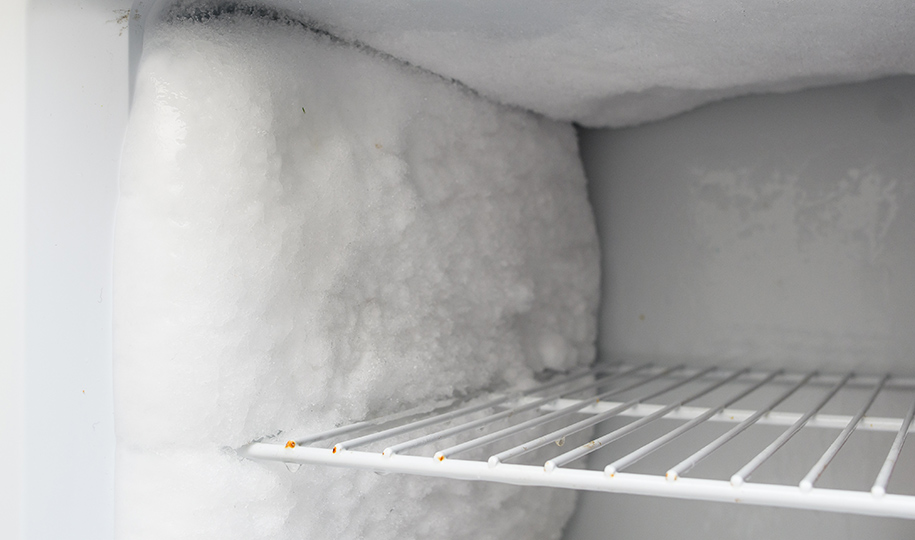
Excess moisture inside the fridge can turn into frost, especially in freezers. This frost builds up on walls and shelves, reducing space and making your fridge work harder. A thicker frost layer means your fridge uses more energy, which can increase your bills. Imagine spending extra just because of hidden ice buildup—frustrating, right?
Odor Development
Moist environments are perfect for unpleasant smells to develop. When water lingers, it encourages bacteria that cause odors to thrive. You might notice your fridge smelling musty or sour, even if you clean it regularly. Have you checked if moisture could be the hidden reason behind that stubborn fridge smell?
Preparation Before Moisture Removal
Before tackling the moisture inside your refrigerator, some preparation is essential to ensure the process is safe and effective. Skipping these steps might lead to wasted effort or even damage to your appliance. Taking time to prepare properly will make moisture removal faster and help prevent it from returning quickly.
Unplugging The Refrigerator
Always start by unplugging your refrigerator. This stops the compressor from running and reduces the risk of electrical shock while cleaning. It also allows the fridge to warm up slightly, which can help loosen any ice or moisture buildup inside.
Have you ever tried cleaning a plugged-in fridge and ended up with water near electrical parts? Avoid that risk by unplugging first. It’s a simple step that protects both you and your appliance.
Emptying Contents
Remove all food items, drinks, and shelves before you begin cleaning. This clears the space for you to reach every corner where moisture hides. It also prevents food from spoiling as you clean.
While emptying, check your items for expiration dates. You might find things you forgot about that are better tossed. This helps keep your fridge fresh and organized long after the moisture is gone.
Gathering Cleaning Supplies
Collect all the materials you’ll need before you start. Essential supplies include a soft cloth or sponge, mild dish soap, white vinegar or baking soda for natural cleaning, and a bowl for mixing solutions. Having these ready keeps the process smooth and prevents interruptions.
Think about adding a small fan or dehumidifier near the fridge to speed up drying after cleaning. Small tools like these can make a big difference in preventing moisture from coming back.
Quick Moisture Removal Techniques
Moisture buildup inside your refrigerator can cause unpleasant odors, spoil food faster, and even damage the appliance over time. Tackling this issue quickly is essential to keep your fridge clean and efficient. Here are some straightforward techniques you can apply immediately to reduce and remove excess moisture.
Using Absorbent Materials
Placing absorbent materials inside your fridge is a simple trick that works wonders. You can use items like baking soda, activated charcoal, or even dry rice in open containers to soak up excess moisture.
I once placed a bowl of baking soda on the fridge shelf, and within a few days, the damp feeling inside noticeably decreased. These materials not only absorb moisture but also help neutralize odors, making your fridge fresher.
Improving Air Circulation
Good air circulation prevents moisture from settling on surfaces inside your fridge. Avoid overcrowding by organizing items so air can flow freely around them.
Try leaving space between containers and avoid blocking air vents. Ever noticed how your fridge feels damper when packed? That’s because airflow is restricted, so rearranging your items can make a big difference.
Adjusting Temperature Settings
Setting the right temperature is crucial for moisture control. Your fridge should be between 37°F and 40°F (3°C to 4°C) to keep food fresh and reduce condensation.
Temperatures set too low can cause freezing and moisture buildup, while too high lets humidity rise. Have you checked your fridge’s thermostat lately? Making small adjustments can solve moisture problems quickly.
Deep Cleaning Methods
Moisture buildup in your refrigerator not only spoils food faster but can also cause unpleasant odors and damage to the appliance. Tackling this issue often requires a thorough deep cleaning. By focusing on hidden areas where water collects and using effective cleaning techniques, you can keep your fridge dry and fresh.
Cleaning Drip Pan And Drain Hole
The drip pan collects condensation and can become a breeding ground for mold and bacteria if neglected. Locate the drip pan beneath your fridge and remove it carefully. Clean it with warm, soapy water and a sponge, then rinse thoroughly before putting it back.
The drain hole is another spot where moisture tends to accumulate. Use a pipe cleaner or a small brush to clear any clogs. Flushing the drain hole with a mixture of warm water and mild vinegar helps prevent blockages and reduces odors.
Wiping Interior Surfaces
Moisture clings to the walls, shelves, and door seals of your refrigerator. Use a cloth dampened with a solution of water and baking soda to wipe down all interior surfaces. This not only removes moisture but also neutralizes smells without harsh chemicals.
Don’t forget to dry every corner thoroughly with a clean towel. Wet spots left behind can turn into moisture traps, defeating your effort. How often do you check those overlooked corners for dampness?
Defrosting The Freezer Compartment
Ice buildup in the freezer increases humidity inside your refrigerator. If you notice thick frost layers, it’s time to defrost. Turn off the fridge and leave the freezer door open to let the ice melt naturally, placing towels underneath to catch the water.
Once defrosted, wipe the freezer dry and restart the appliance. Regular defrosting helps maintain proper airflow and reduces moisture. Have you noticed how quickly frost returns when defrosting is skipped?
Credit: homewarranty.firstam.com
Preventing Future Moisture Build-up
Stopping moisture from building up in your refrigerator is key to keeping your food fresh and your appliance running smoothly. Tackling moisture before it appears saves you from frequent cleaning and potential mold issues. Let’s look at some practical ways you can prevent moisture buildup for good.
Proper Food Storage Tips
How you store your food makes a big difference in moisture control. Use airtight containers or resealable bags to keep moisture inside the food, not in the fridge air. Wrapping vegetables in paper towels before placing them in containers can absorb excess moisture and keep them crisp longer.
Remember to avoid putting hot or warm food directly into the fridge. This adds unnecessary moisture and forces your fridge to work harder. Cooling leftovers to room temperature before storing helps maintain a stable environment inside.
Maintaining Door Seals
Check your refrigerator’s door seals regularly. Damaged or dirty seals let warm air in, causing condensation inside. Clean the seals with warm, soapy water and inspect them for cracks or gaps.
If you notice your door seals aren’t tight, replace them promptly. A well-sealed door keeps cold air in and moisture out, which directly reduces condensation. Have you checked your fridge seals recently?
Controlling Refrigerator Temperature
Setting your fridge to the right temperature is crucial. Keep the temperature between 37°F (3°C) and 40°F (5°C) to minimize moisture without freezing your food. Temperatures too low can cause frost, while too high encourages moisture buildup.
Using a separate thermometer inside your fridge can help you keep a precise check. Don’t rely only on the fridge’s built-in settings since they can be inaccurate over time.
Limiting Door Opening Frequency
Every time you open the fridge door, warm, humid air rushes in, increasing moisture inside. Try to plan what you need before opening the door to reduce the time it stays open. If you have a large family, encourage everyone to grab what they need quickly and close the door firmly.
Have you noticed how much moisture builds up after frequent door openings? Being mindful about this simple habit can make a big difference in reducing moisture and energy waste.
Using Moisture Absorbers And Dehumidifiers
Moisture buildup in your refrigerator can cause unpleasant odors, spoil food faster, and even damage the appliance. Using moisture absorbers and dehumidifiers is a smart way to tackle this issue effectively. These tools help maintain the right humidity level inside your fridge, keeping your food fresh and your fridge running smoothly.
Types Of Moisture Absorbers
There are several moisture absorbers you can use, each with its own benefits:
- Silica Gel Packs:Commonly found in packaging, these small packets absorb moisture quickly and are easy to replace.
- Calcium Chloride Crystals:These are highly effective and often used in commercial dehumidifiers; they dissolve as they absorb moisture, so you’ll need to check and refill regularly.
- Baking Soda:A natural and inexpensive option that neutralizes odors while absorbing moisture.
- Activated Charcoal:Besides moisture absorption, it also eliminates odors, making it a dual-purpose choice.
Choosing the right absorber depends on your fridge size and how much moisture you typically encounter.
Placement Tips
Where you place moisture absorbers matters a lot for their effectiveness. Put them in areas where moisture tends to collect, such as near vegetable drawers or the back wall of the fridge.
Avoid blocking air vents to ensure proper air circulation. You can use small containers or mesh bags to keep absorbers contained and prevent any mess.
Check absorbers regularly and replace or recharge them as needed. Have you noticed spots in your fridge that get damp faster? Start placing absorbers there first to test what works best.
Safety Considerations
While moisture absorbers are generally safe, some require careful handling. For example, calcium chloride can be toxic if ingested, so keep it out of reach of children and pets.
Always follow the manufacturer’s instructions for use and disposal. Avoid placing absorbers directly on food items to prevent contamination.
If you experience any unusual smells or residue, remove the absorber immediately and clean the area. Safety should always come first when managing moisture in your fridge.

Credit: www.searshomeservices.com

Credit: www.aol.com
Frequently Asked Questions
Why Is There Moisture Buildup In My Refrigerator?
Moisture builds up due to warm air entering when the door opens. It also happens if food is uncovered or the fridge seals are faulty. This causes condensation and dampness inside the fridge, leading to moisture buildup and potential mold growth.
How Can I Prevent Moisture In My Fridge Naturally?
Keep foods covered and use airtight containers. Avoid placing hot food directly inside. Regularly check and clean door seals for tight closure. Set fridge temperature between 37°F and 40°F to minimize condensation and moisture buildup naturally.
Does Temperature Affect Moisture Levels Inside The Refrigerator?
Yes, improper temperature causes excess moisture. Too warm or too cold settings lead to condensation. Maintaining a steady fridge temperature around 37°F to 40°F reduces moisture and keeps food fresh longer by preventing dampness and frost formation.
Can Moisture Damage Food Stored In Refrigerators?
Yes, moisture can cause food spoilage, mold, and bacteria growth. Excess dampness makes food soggy and reduces shelf life. Controlling moisture keeps food fresh, safe, and prevents unpleasant odors inside the refrigerator.
Conclusion
Keeping moisture out of your refrigerator helps food stay fresh longer. Clean the fridge regularly and check door seals for tightness. Avoid putting hot or uncovered food inside. Use moisture absorbers or baking soda to reduce dampness. Small steps can make a big difference in preventing moisture buildup.
A dry fridge means less mold and better food quality. Try these tips to keep your fridge fresh and moisture-free. Easy to follow and effective. Your food will thank you.