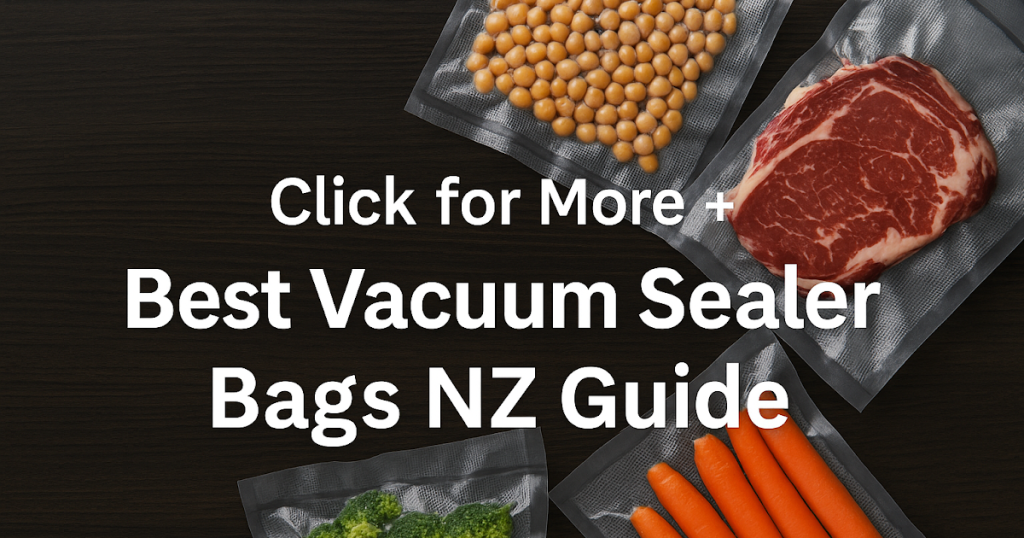
Imagine opening your pantry to find perfectly preserved foods, still fresh and ready to eat. Vacuum packing can make this a reality, but how long do vacuum packed foods really last?
If you’re wondering whether those vacuum sealed goodies on your shelf are still safe to consume, you’re not alone. Many people are curious about the lifespan of vacuum packed foods, and understanding this can save you money, reduce waste, and ensure you’re always enjoying the best flavors.
Dive into this article to uncover the secrets behind vacuum packed food longevity, and discover how you can make the most out of your storage solutions. Your kitchen might just become a treasure trove of fresh flavors, waiting to be discovered. Are you ready to find out more?

Credit: angusmeatsdirect.com
Vacuum Packing Basics
Understanding the basics of vacuum packing helps you make smarter choices about food storage. It’s more than just sealing food in plastic—it’s about controlling the environment around your food to keep it fresh longer. Let’s look at what vacuum packing really means and how it works to extend the shelf life of your groceries.
What Is Vacuum Packing
Vacuum packing removes air from the package before sealing it tightly around the food. This process uses a special machine that sucks out oxygen, which is the main cause of food spoilage. Without air, bacteria and mold have a hard time growing, so your food stays fresher.
You might have seen vacuum-sealed bags in grocery stores or used them for sous vide cooking. They come in various sizes and can be used for meats, vegetables, cheese, and even leftovers. The key is that the packaging is airtight, which is different from just wrapping food in plastic wrap.
How Vacuum Packing Extends Shelf Life
Oxygen speeds up food spoilage by encouraging bacterial growth and oxidation. Vacuum packing slows down this process by removing most of the air inside the package. This means your food can last weeks or even months longer than if it were stored in a regular plastic bag.
Think about the last time you stored sliced cheese in a vacuum-sealed bag. Did it last noticeably longer compared to the cheese wrapped in cling film? That’s the effect vacuum packing has on shelf life.
- Reduces freezer burn:Vacuum sealing blocks moisture loss and freezer air exposure.
- Preserves flavor and texture:Food stays juicy and flavorful because it’s sealed tight.
- Prevents contamination:Keeps out dust, insects, and other contaminants.
Have you ever wondered how much longer your favorite foods could last if you vacuum packed them? It’s worth experimenting to see the difference for yourself.
Shelf Life Of Common Foods
Vacuum packing extends the shelf life of many foods by removing air. This slows down spoilage and preserves freshness. Different foods last different amounts of time when vacuum sealed. Knowing how long common foods last helps reduce waste and keeps food safe.
Meats And Seafood
Vacuum packed meats and seafood stay fresh longer than regular storage. Raw beef, pork, or chicken can last 1 to 2 weeks in the fridge. Frozen vacuum packed meat can last 1 to 3 years without losing quality. Fish and shellfish last about 1 week refrigerated, but up to 2 years frozen. Always check for signs of spoilage before use.
Fruits And Vegetables
Vacuum packing slows down ripening and mold growth in produce. Fresh fruits like berries or apples last 1 to 2 weeks in the fridge. Vegetables such as carrots or broccoli can last 2 to 3 weeks vacuum sealed. Frozen fruits and vegetables keep quality for 8 to 12 months. Some produce may soften but remain safe to eat.
Cheese And Dairy
Vacuum sealed cheese stays fresh much longer. Hard cheeses like cheddar or parmesan last 4 to 8 months in the fridge. Soft cheeses last about 1 to 2 weeks vacuum packed. Dairy products like butter can last 6 to 9 months frozen. Avoid storing soft cheeses too long, as texture changes may occur.
Dry Goods And Snacks
Vacuum packing protects dry goods from moisture and pests. Nuts and seeds can last 1 to 2 years in a sealed bag. Chips and crackers stay crisp for 6 to 8 months. Coffee and spices keep their aroma for 1 to 2 years vacuum sealed. Proper storage keeps snacks fresh and tasty longer.
Storage Conditions Impact
Storage conditions play a key role in how long vacuum packed foods remain fresh and safe. Temperature and environment affect food quality and shelf life. Knowing the right place to store these foods helps avoid spoilage and waste.
Refrigeration Effects
Refrigeration slows down bacteria growth and keeps food fresh longer. Most vacuum packed foods last from one to two weeks in the fridge. Cold temperatures also help preserve texture and flavor. Store foods below 40°F (4°C) for best results.
Freezing Vacuum Packed Foods
Freezing extends the shelf life of vacuum packed foods significantly. It can keep food safe for months or even years. Vacuum sealing prevents freezer burn and moisture loss. Always label packages with the date to track storage time.
Room Temperature Storage
Some vacuum packed foods can be stored at room temperature. Dry and shelf-stable items like nuts or dried fruits last longer this way. Keep them in a cool, dark place away from heat and sunlight. Avoid storing perishable foods without refrigeration.

Credit: vakumar.net
Signs Of Spoilage
Knowing the signs of spoilage in vacuum packed foods can save you from unpleasant meals and potential health risks. Even though vacuum sealing extends shelf life, it doesn’t make foods last forever. Paying close attention to visual cues, smells, and textures helps you decide whether your food is still safe to eat.
Visual Changes
Look closely at the color and appearance of your vacuum packed food. Any unusual discoloration, such as dark spots, mold, or a cloudy liquid inside the package, is a red flag. Swelling or bulging of the packaging itself often means gas-producing bacteria are growing inside.
Have you ever opened a vacuum pack only to find the food looks different from when you bought it? That’s your body telling you to be cautious. Visual changes are usually the first sign that spoilage has begun.
Odor And Texture
Smell is a powerful indicator. If your vacuum packed food has a sour, rancid, or off smell, it’s time to toss it. Even if the package looks fine, an unpleasant odor signals bacteria or mold growth.
Texture changes matter too. Slimy or sticky surfaces on meats and vegetables mean spoilage. If your food feels mushy when it should be firm, don’t take the risk of eating it.
When To Discard Vacuum Packed Foods
Trust your senses above all. If you notice any visual, smell, or texture changes, discard the food immediately. Eating spoiled vacuum packed food can cause food poisoning or other health issues.
Consider the type of food and how long it has been stored. Even without signs of spoilage, some items like seafood or dairy should be eaten within recommended time frames. Ask yourself: Is the risk worth it for a questionable snack?
Tips To Maximize Freshness
Maximizing the freshness of vacuum packed foods means paying attention to how you seal, store, and handle them. Small habits can make a big difference in keeping your food tasty and safe longer. Let’s dive into practical tips that help you get the most out of your vacuum-packed items.
Proper Sealing Techniques
A strong seal is your first line of defense against spoilage. Make sure the sealing surface is clean and dry before vacuuming; moisture or crumbs can prevent a tight seal.
Check the bag for wrinkles or folds along the sealing edge, as these can cause leaks. If your vacuum sealer has adjustable settings, use the correct mode for the type of food—soft or moist foods often need a gentler seal to avoid crushing.
Have you ever opened a vacuum bag only to find it wasn’t sealed properly? It’s frustrating and wastes food. Taking a moment to inspect the seal after vacuuming saves headaches later.
Avoiding Cross Contamination
Cross contamination can ruin your vacuum-packed food faster than you think. Always handle raw and cooked foods separately before sealing to prevent bacteria transfer.
Use clean hands and utensils when placing food into vacuum bags. If you’re sealing multiple items, consider labeling bags with contents and dates to keep track and avoid mixing up foods.
Think about how you store vacuum-packed foods in the fridge or freezer. Keeping raw meats on the bottom shelf and vegetables higher up minimizes the risk of drips contaminating other items.
Best Practices For Defrosting
How you defrost vacuum-packed food affects both safety and texture. The safest way is to thaw in the refrigerator, allowing the food to defrost slowly and evenly.
If you’re in a hurry, submerge the sealed bag in cold water, changing the water every 30 minutes to keep it cold. Avoid defrosting at room temperature, which can promote bacterial growth.
Once defrosted, cook or use the food promptly. Vacuum packing slows spoilage but doesn’t stop it once the seal is broken or the food is thawed.
Comparing Vacuum Packing To Other Methods
Choosing the right food storage method can greatly impact how long your food stays fresh and safe to eat. Vacuum packing is popular, but how does it stand against other common preservation techniques? Comparing these methods can help you decide the best option for your needs and lifestyle.
Canning Vs Vacuum Packing
Canning uses heat to kill bacteria and seal food in airtight jars, preserving it for months or even years. Vacuum packing removes air but doesn’t involve heat, so it mainly slows down spoilage rather than sterilizing the food.
While canned goods last longer on the shelf, vacuum-packed foods keep their original texture and flavor better. Think about what matters more to you: long shelf life or fresh taste. Also, canning requires more equipment and time, whereas vacuum packing can be done quickly at home.
Freezing Without Vacuum Packing
Freezing alone keeps food safe by slowing bacterial growth, but ice crystals can damage texture over time. Without vacuum packing, frozen food is more prone to freezer burn because of exposure to air and moisture.
I’ve noticed that vacuum-sealed frozen vegetables stay crispier and fresher after months compared to those simply bagged. If you freeze often, vacuum packing can save both food quality and money by reducing waste.
Using Oxygen Absorbers
Oxygen absorbers are small packets that remove oxygen inside sealed containers, extending shelf life. They work well alongside vacuum packing by further reducing oxygen levels that cause spoilage.
You might ask: is it worth adding oxygen absorbers if you already vacuum pack? For long-term storage, yes. They can help protect dry goods like grains and nuts from going rancid and keep your pantry stocked with fresh ingredients for months or years.
Common Mistakes To Avoid
Vacuum packing is a great way to extend the shelf life of your food, but mistakes can quickly undo all your efforts. Avoiding common errors will help keep your vacuum packed foods fresh and safe to eat. Let’s look at some pitfalls you should watch out for to make sure your food lasts as long as possible.
Improper Sealing
One of the biggest mistakes is not sealing the bags properly. Even a small gap or wrinkle in the seal lets air in, which spoils the food faster. Have you ever opened a vacuum bag only to find it puffed up? That’s a sure sign the seal failed.
Always check the seal carefully after packing. Run your fingers along the edges to feel for any weak spots. If you notice any, reseal immediately or transfer the food to a new bag.
Ignoring Expiry Dates
Vacuum packing slows down spoilage but doesn’t stop it. You still need to pay attention to expiry dates on fresh and processed foods. Storing something well past its expiry can be risky, even if the package looks intact.
Keep a list or label your vacuum packed items with packing dates. This small step helps you use older foods first and avoid eating spoiled products accidentally. How often do you check expiry dates before vacuum packing?
Incorrect Storage Temperatures
Vacuum packed food doesn’t mean you can leave it at room temperature indefinitely. Temperature control remains crucial to prevent bacteria growth. For example, vacuum packed meat must stay refrigerated or frozen to stay safe.
Make sure your fridge and freezer are at the right temperatures—below 40°F (4°C) for refrigeration and 0°F (-18°C) for freezing. If the power goes out or the temperature rises, your vacuum packed food might spoil faster than you expect.

Credit: www.volmarpackaging.it
Frequently Asked Questions
How Long Do Vacuum Packed Foods Last In The Fridge?
Vacuum packed foods typically last 1 to 2 weeks in the fridge. The vacuum seal slows spoilage by reducing oxygen exposure. Always check the food for freshness before consuming. Proper refrigeration below 40°F (4°C) is essential to maintain quality and safety.
Can Vacuum Packing Extend Frozen Food Shelf Life?
Yes, vacuum packing can extend frozen food shelf life by 1 to 3 years. It prevents freezer burn and moisture loss. Vacuum sealed foods maintain flavor and texture longer than non-sealed items. Always freeze foods promptly after vacuum sealing for best results.
Are Vacuum Packed Foods Safe After The Expiration Date?
Vacuum packed foods may be safe shortly after expiration if stored properly. However, always inspect for spoilage signs like odor, color changes, or texture issues. The vacuum seal slows bacteria growth but does not stop it completely. When in doubt, discard expired products.
Does Vacuum Packing Affect Food Nutritional Value?
Vacuum packing preserves most nutritional value by reducing oxidation and spoilage. It helps maintain vitamins and minerals longer than traditional storage. However, it does not improve nutritional content. Proper storage conditions like temperature still influence nutrient retention significantly.
Conclusion
Vacuum packed foods last longer than regular storage. They keep freshness by removing air. Different foods have different shelf lives. Always check the package date before use. Store vacuum sealed items in a cool place. Freezing can extend their life even more.
Watch for signs of spoilage before eating. Proper storage helps reduce food waste. Understanding these tips keeps your food safe. Enjoy fresh meals with less worry about spoilage.