Have you ever wondered if you can vacuum seal your pot? It might sound like an odd question at first, but you’re not alone in your curiosity.
In the quest to preserve freshness and save space, many are exploring innovative ways to store household items. Imagine being able to keep your favorite herbs and spices as fresh as the day you bought them or storing that special cookware without worrying about dust and moisture.
You might be on the verge of discovering a game-changer for your kitchen organization. Dive into this article to learn if vacuum sealing your pot is the practical solution you’ve been searching for. Your kitchen could thank you!
Benefits Of Vacuum Sealing Pots
Vacuum sealing pots offers several benefits that improve food storage and kitchen organization. This method removes air, which slows down spoilage and keeps food fresh longer. It also helps save space and reduces waste by preserving food quality.
Extended Freshness
Vacuum sealing removes air that causes food to spoil faster. This keeps fruits, vegetables, and leftovers fresh for more days. It slows down mold and bacteria growth, preserving flavors and nutrients. You can enjoy food longer without worrying about it going bad quickly.
Space Saving
Vacuum sealed pots take up less room in the fridge or pantry. Removing air makes the contents more compact. This helps organize shelves neatly and frees up space for other items. It is easier to stack vacuum sealed pots without spills or mess.
Reduced Waste
Vacuum sealing helps you use food before it goes bad. It prevents throwing away spoiled meals or ingredients. Saving leftovers in sealed pots means less food ends up in the trash. This method supports better meal planning and reduces overall waste.
Choosing The Right Vacuum Sealer
Choosing the right vacuum sealer is key for preserving your food effectively. It ensures your pot meals stay fresh longer and taste better. Different sealers offer various features and price points. This section will help you understand what to consider before buying one.
Types Of Vacuum Sealers
- External Sealers:Common and easy to use. Seal bags placed outside the machine.
- Chamber Sealers:More advanced. Seal bags inside a chamber with controlled air pressure.
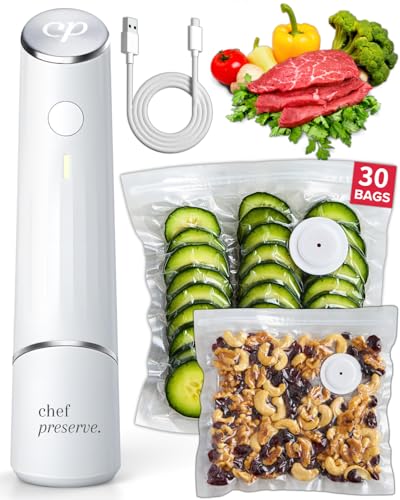
- Handheld Sealers:Small and portable. Best for quick sealing of bags or containers.
Key Features To Look For
- Seal Strength:Strong seals prevent air leaks and keep food fresh longer.
- Compatibility:Works with different bag sizes and types, including rolls.
- Ease of Use:Simple controls and clear indicators make sealing quick and easy.
- Moisture Settings:Adjustable settings for dry or moist foods avoid bag damage.
- Size and Portability:Compact models save counter space and are easy to store.
Budget Considerations
Vacuum sealers come in a wide price range. Basic models fit small budgets and work well for occasional use. Mid-range sealers offer more features and better durability. High-end machines cost more but provide professional-grade sealing and longer life.
Think about how often you will use the sealer and what foods you want to preserve. Choose a model that fits your needs without overspending. Remember, a good vacuum sealer can save money by reducing food waste.
Preparing Pots For Vacuum Sealing
Preparing pots for vacuum sealing is essential for keeping food fresh and safe. Proper preparation prevents spoilage and maintains flavor. It also ensures the vacuum sealer works efficiently. Follow these steps to get your pots ready for sealing.
Cleaning And Drying
Clean pots thoroughly before sealing. Remove any food residue and dirt. Use warm water and mild soap. Rinse well to avoid soap taste. Dry pots completely with a clean towel. Moisture can cause sealing problems and spoil food.
Proper Cooling
Cool cooked food before sealing in pots. Hot food can create steam inside the bag. Steam may lead to bacterial growth. Let food reach room temperature or refrigerate it. This step helps preserve texture and flavor.
Portioning
Divide food into smaller portions before sealing. Use sizes that match your future needs. Smaller portions freeze and thaw faster. They also reduce waste and make meals easier to reheat.

Credit: planetarydesign.com
Step-by-step Vacuum Sealing Process
Vacuum sealing pots is a simple way to store food safely and keep it fresh longer. The process removes air from the bag, which helps prevent spoilage and freezer burn. Follow these easy steps to vacuum seal pots effectively and enjoy your meals later without waste.
Selecting Appropriate Bags
Choose bags designed for vacuum sealing. Use thick, durable bags to avoid tears or leaks. Ensure the bags fit the pot size comfortably. Avoid thin plastic bags that may puncture easily. Look for bags labeled “vacuum seal compatible” for best results.
Sealing Techniques
Place the pot inside the vacuum seal bag. Leave enough space at the top for sealing. Use a vacuum sealer to remove air from the bag. Press the seal button to close the bag tightly. Check the seal to ensure no gaps or wrinkles. Store the sealed pot in the refrigerator or freezer as needed.
Avoiding Common Mistakes
- Do not overfill the bag; leave room for sealing.
- Make sure the sealing area is clean and dry.
- Avoid sealing hot or warm food; cool it first.
- Check the bag for holes before sealing.
- Do not reuse bags unless designed for multiple uses.
Storage Tips After Vacuum Sealing
After vacuum sealing your pots, how you store them makes a big difference in keeping your food fresh and tasty. Proper storage not only extends shelf life but also preserves flavors and textures. Let’s look at the best ways to handle your vacuum-sealed pots.
Freezer Vs. Refrigerator
Deciding between the freezer and refrigerator depends on how soon you plan to use your food. Vacuum-sealed pots stored in the refrigerator usually stay fresh for about 1 to 2 weeks. If you want to keep your meals for longer, the freezer is your best bet, extending freshness up to several months.
Keep in mind, freezing can sometimes affect the texture of certain foods. For example, cooked vegetables might become mushy after thawing. Do you really need to freeze everything, or could some items stay fresh enough in the fridge?
Labeling And Dating
Labeling your vacuum-sealed pots is a simple habit that saves you from guessing games later. Use a permanent marker or pre-made labels to note the sealing date and contents clearly. This way, you avoid eating spoiled food or wasting perfectly good meals.
Try to include key details like cooking date and any special ingredients that might affect shelf life. This small step makes meal planning easier and reduces food waste.
Shelf Life Expectations
Knowing how long your vacuum-sealed pots last helps you plan your meals smartly. Most cooked dishes sealed properly can last:
- Refrigerator:Up to 2 weeks
- Freezer:3 to 6 months depending on the food type
However, some foods like soups and stews may last longer in the freezer compared to delicate items like seafood. Are you tracking the shelf life of your stored foods, or do you rely on your senses alone?

Credit: www.reddit.com
Vacuum Sealing For Different Types Of Pots
Vacuum sealing pots can be a game changer in your kitchen, but the approach varies depending on what’s inside. Different types of pots—whether they hold cooked meals, raw ingredients, or liquids—require unique handling to preserve freshness and avoid mess. Understanding these differences can help you get the best results every time.
Cooked Meals
Vacuum sealing cooked meals helps lock in flavors and extend shelf life. Make sure the food is cooled to room temperature before sealing; hot food can create steam, which may interfere with the vacuum process. If you’re sealing a pot with mixed dishes, consider portioning the meal into smaller containers or bags for easier storage and reheating.
Have you noticed how vacuum sealing keeps your leftovers tasting fresh for days longer? It’s a simple trick that prevents freezer burn and cuts down on food waste.
Raw Ingredients
Raw ingredients like vegetables, meats, or grains can benefit greatly from vacuum sealing. Remove any excess moisture and pat dry to prevent freezer burn and spoilage. For meats, consider pre-freezing them slightly to maintain shape and make sealing easier.
Think about your weekly grocery haul—vacuum sealing can help you organize and extend the life of raw items without losing quality. Do you often find yourself throwing out food that went bad too quickly?
Soups And Liquids
Sealing soups or liquids directly in a pot is tricky because liquids can be sucked into the vacuum sealer, causing damage or incomplete seals. Instead, cool the soup completely and transfer it to a freezer-safe bag or container before vacuum sealing. Using a handheld vacuum sealer or sealing in small batches can help avoid spills.
Have you ever tried vacuum sealing a stew only to have it leak? Taking time to transfer liquids properly saves frustration and keeps your vacuum sealer working smoothly.
Troubleshooting Vacuum Sealing Issues
Troubleshooting vacuum sealing issues is key to preserving food properly. Problems like seal failures and air leaks reduce the freshness of your food. Proper equipment care also plays a big role in avoiding these issues. This section helps you identify and fix common vacuum sealing problems quickly.
Seal Failures
Seal failures happen when the vacuum bag does not close tightly. This can cause air to enter, spoiling the food. Check the sealing strip for dirt or damage before sealing. Use bags designed for your vacuum sealer. Avoid overfilling the bag, as this stops a proper seal. Try resealing if the first attempt fails.
Air Leaks
Air leaks let oxygen inside the vacuum bag, causing spoilage. Look for small holes or tears in the bag. Use a damp cloth to clean the bag’s edge before sealing. Make sure the bag is flat and wrinkle-free. Avoid sharp objects inside the bag that can puncture it.
Equipment Maintenance
Keep your vacuum sealer clean to ensure it works well. Wipe the sealing strip and vacuum chamber regularly. Check the rubber gasket for cracks or wear and replace if needed. Store the machine in a dry place to prevent damage. Regular maintenance extends the life of your vacuum sealer.
Alternative Preservation Methods
Looking for ways to preserve your pots of food without vacuum sealing? There are several effective alternatives that can keep your meals fresh and tasty for longer periods. These methods are simple, practical, and don’t require specialized equipment.
Freezing Without Vacuum Sealing
Freezing is a go-to method for many because it’s quick and easy. You can store soups, stews, and cooked meals directly in freezer-safe containers or zip-top bags.
To avoid freezer burn, remove as much air as possible from the bags before sealing. Label your containers with the date to keep track of freshness. Have you ever found a forgotten meal in your freezer that still tasted great weeks later? That’s the power of freezing done right.
Canning
Canning uses heat to kill bacteria and seal food in jars for long-term storage. It’s perfect for preserving fruits, vegetables, and even some cooked dishes.
Pressure canning is essential for low-acid foods to prevent spoilage. While it takes more time and effort, canned foods can last for a year or more on your pantry shelf. Have you tried homemade canned tomato sauce or pickles? They offer a fresh taste that’s hard to beat.
Drying And Dehydrating
Drying removes moisture from food, stopping bacteria growth and extending shelf life. You can dry herbs, fruits, and even some vegetables using a dehydrator or your oven.
Dried foods are lightweight and perfect for snacks or adding to recipes. Think about dried tomatoes or apple chips you can make at home. Do you have space in your kitchen for a small dehydrator? It could open up a world of preservation possibilities.
Credit: www.zmescience.com
Frequently Asked Questions
Can You Vacuum Seal Cooked Pot Meals?
Yes, you can vacuum seal cooked pot meals. Ensure the food is cool before sealing to avoid moisture. This preserves freshness and extends shelf life effectively.
Is Vacuum Sealing Pot Food Safe For Freezing?
Vacuum sealing pot food is safe for freezing. It prevents freezer burn and keeps flavors intact. Use suitable vacuum bags designed for freezing.
How Long Does Vacuum-sealed Pot Food Last?
Vacuum-sealed pot food can last 1-2 weeks in the fridge. When frozen, it can last up to 6 months. Always label and date your packages.
Can You Vacuum Seal Liquids From Pot Recipes?
Vacuum sealing liquids can be tricky due to suction issues. Use a chamber vacuum sealer for best results. Alternatively, freeze liquids first, then vacuum seal.
Conclusion
Vacuum sealing pots can save space and keep food fresh longer. Use the right bags and tools for best results. Avoid sealing hot food to prevent damage. Remember to label and date your sealed pots for easy use. This method helps reduce waste and saves money.
Try vacuum sealing to keep your kitchen organized and your meals fresh. Simple, effective, and worth trying.