Are you worried about the impact of refrigerants on our planet? You’re not alone.
Many people are searching for ways to reduce their carbon footprint, and choosing the right refrigerant is a crucial step. If you’ve ever wondered which refrigerant has the lowest Global Warming Potential (GWP), you’re in the right place. By the end of this article, you’ll not only discover the refrigerant that can help you make a positive change, but you’ll also gain insights into how your choices can contribute to a healthier environment.
Imagine being part of a movement that safeguards our planet for future generations. Curious? Let’s dive into the fascinating world of refrigerants and find out which one stands out in terms of sustainability.
Global Warming Potential And Refrigerants
Refrigerants play a big role in cooling systems like air conditioners and refrigerators. These chemicals help move heat to cool indoor spaces. But some refrigerants harm the environment more than others. Global Warming Potential (GWP) measures how much a refrigerant impacts climate change. Understanding GWP helps choose better, eco-friendly refrigerants.
What Gwp Means
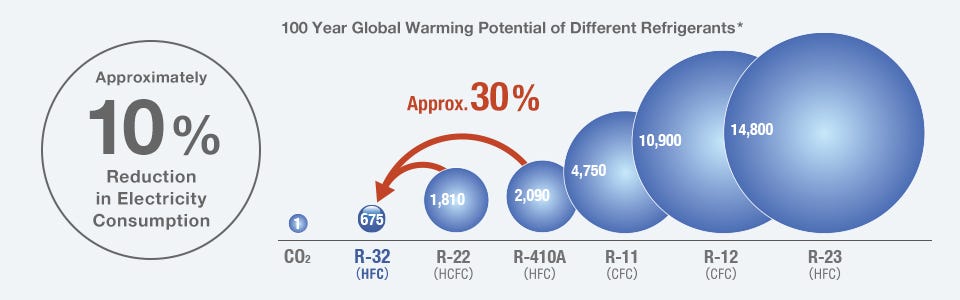
Global Warming Potential is a number that shows how much heat a gas traps in the atmosphere. It compares the gas to carbon dioxide (CO2), which has a GWP of 1. A higher GWP means the gas causes more warming. For example, a gas with a GWP of 100 traps 100 times more heat than CO2.
GWP looks at the effect over 20, 100, or 500 years. Most often, the 100-year GWP is used. This helps scientists and industries understand long-term climate impact.
Why Gwp Matters In Cooling
Cooling systems release refrigerants into the air through leaks or disposal. These gases can stay in the atmosphere for many years. If the refrigerant has a high GWP, it adds more to global warming. Choosing refrigerants with low GWP helps reduce this effect.
Governments and companies now prefer refrigerants that are safer for the planet. Using low-GWP refrigerants supports climate goals and protects the environment. It also encourages innovation in cooling technology.

Credit: www.achrnews.com
Common Refrigerants And Their Gwp Levels
Refrigerants play a key role in cooling systems. Their Global Warming Potential (GWP) measures their impact on climate change. Understanding common refrigerants and their GWP levels helps in choosing eco-friendly options. This section covers traditional refrigerants, natural refrigerants, and new low-GWP alternatives.
Traditional Refrigerants
Traditional refrigerants, such as CFCs and HCFCs, have high GWP levels. For example, R-22 has a GWP of about 1,810. These chemicals harm the ozone layer and contribute to global warming. Due to environmental laws, many traditional refrigerants are now phased out.
Natural Refrigerants
Natural refrigerants include substances like ammonia, carbon dioxide, and hydrocarbons. They have very low GWP values. For instance, CO2 has a GWP of 1, and ammonia’s GWP is almost zero. These refrigerants are safe for the environment but require careful handling.
New Low-gwp Alternatives
New low-GWP refrigerants are designed to replace harmful traditional chemicals. Hydrofluoroolefins (HFOs) are popular options with GWP below 10. R-1234yf, an HFO, has a GWP of 4. These alternatives offer efficient cooling with less environmental damage.
Refrigerants With The Lowest Gwp
Choosing refrigerants with low Global Warming Potential (GWP) helps reduce environmental impact. These refrigerants release fewer greenhouse gases. They support climate-friendly cooling and heating systems. Below are some types with the lowest GWP values.
Hydrocarbons
Hydrocarbon refrigerants include propane (R-290) and isobutane (R-600a). They have very low GWP, often less than 5. These refrigerants are natural and break down quickly in the atmosphere. They are energy efficient and cost-effective. Safety measures are needed due to their flammability. Hydrocarbons are common in small refrigeration systems and household appliances.
Carbon Dioxide (co2)
CO2, also called R-744, is a natural refrigerant with a GWP of 1. It does not harm the ozone layer. CO2 works well in commercial refrigeration and heat pumps. It requires high pressure systems but is non-toxic and non-flammable. CO2 systems are durable and have good energy efficiency. This refrigerant is ideal for sustainable cooling solutions.
Hydrofluoroolefins (hfos)
HFOs are synthetic refrigerants with very low GWP values, often below 10. They replace older HFCs that have high GWP. HFOs are less flammable and have good energy performance. These refrigerants are used in air conditioning and refrigeration. HFOs help meet environmental regulations. Their low GWP supports climate change mitigation efforts.

Credit: www.skillcatapp.com
Benefits Of Low-gwp Refrigerants
Choosing refrigerants with low Global Warming Potential (GWP) offers more than just environmental perks. These substances can significantly impact your energy bills, legal standing, and overall system performance. Understanding the benefits can help you make smarter decisions for your cooling needs.
Environmental Impact
Low-GWP refrigerants reduce the release of harmful gases that contribute to global warming. By using these refrigerants, you directly lower your carbon footprint.
Think about how a simple switch in your air conditioning system could help slow climate change. Are you ready to be part of that solution?
Energy Efficiency
Many low-GWP refrigerants are designed to improve energy efficiency. This means your cooling system can use less electricity while delivering the same or better performance.
Lower energy consumption not only saves money but also reduces strain on power grids. Have you noticed how your energy bills can drop after upgrading to newer refrigerants?
Regulatory Compliance
Governments around the world are tightening rules on high-GWP refrigerants. Using low-GWP options helps you stay ahead of these regulations and avoid penalties.
Compliance isn’t just about avoiding fines; it shows your commitment to sustainable practices. Could adopting low-GWP refrigerants improve your brand’s reputation in the eyes of customers and partners?
Challenges With Low-gwp Refrigerants
Low-GWP refrigerants offer a better option for the environment. Yet, they come with their own set of challenges. These issues affect their use in cooling systems worldwide. Understanding these challenges helps in making smart choices.
Flammability Concerns
Many low-GWP refrigerants are mildly flammable. This raises safety concerns during handling and use. Proper storage and equipment design become essential. Ignoring flammability risks can lead to accidents. Safety standards must evolve with these new refrigerants.
Compatibility Issues
Older cooling systems often do not support low-GWP refrigerants. Components like seals and lubricants may fail. This causes leaks and system breakdowns. Retrofitting or new equipment may be needed. Compatibility testing is crucial before switching refrigerants.
Cost Factors
Low-GWP refrigerants tend to be more expensive than traditional ones. Initial investment in new systems or retrofits adds to costs. Training technicians for safe use also requires funds. Over time, efficiency gains may reduce expenses. Budget planning should consider both short and long-term costs.
Credit: www.danfoss.com
Choosing The Right Eco-friendly Refrigerant
Choosing the right eco-friendly refrigerant is crucial for reducing environmental impact. Different refrigerants have varying global warming potential (GWP) levels. Selecting one with the lowest GWP helps protect the planet. At the same time, the refrigerant must meet specific performance and safety requirements.
Understanding your needs and the refrigerant’s properties ensures effective and sustainable cooling solutions.
Assessing Application Needs
Each refrigeration system has unique demands. Consider the system size, cooling capacity, and operating conditions. Some refrigerants work better in large industrial setups. Others suit small commercial or residential units. Check compatibility with existing equipment. Efficiency and energy use also matter. Choosing a refrigerant that fits your application reduces waste and saves money.
Balancing Safety And Performance
Safety is a key factor in refrigerant choice. Some eco-friendly options are flammable or toxic. Proper handling and storage are essential. Look for refrigerants with low flammability and minimal health risks. Performance includes cooling power and energy efficiency. The best refrigerant balances safety with strong performance. This ensures reliability and lowers operational costs.
Future Trends In Refrigeration
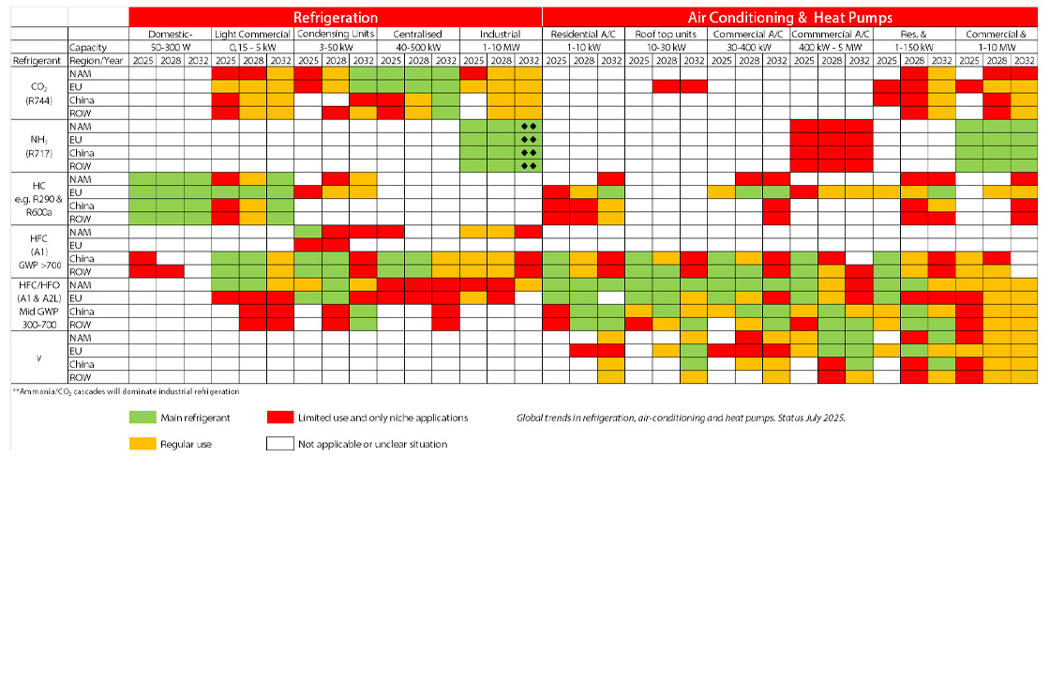
The refrigeration industry is moving toward natural and low-GWP refrigerants. Hydrofluoroolefins (HFOs) and hydrocarbons gain popularity. Regulations push for greener alternatives worldwide. Innovations focus on improving efficiency and safety. Staying informed about new refrigerants helps plan long-term upgrades. Choosing future-ready refrigerants supports environmental goals and compliance.
Steps To Transition To Low-gwp Cooling Systems
Transitioning to low-GWP cooling systems is crucial for reducing environmental impact while maintaining effective temperature control. The process requires careful planning, whether you’re upgrading an existing system or installing a new one. Understanding your options and best practices will help you make informed decisions that benefit both your comfort and the planet.
Retrofit Options
Retrofitting lets you keep your current equipment while switching to refrigerants with lower global warming potential. This approach often saves money compared to a full replacement.
Check if your system is compatible with low-GWP refrigerants like R-32 or R-290 before making the switch. Some older units may need minor adjustments, such as new seals or lubricants, to handle the new refrigerant safely.
Have you evaluated the energy efficiency improvements after retrofitting? Sometimes, even small tweaks can lead to noticeable savings on your energy bill.
New System Installations
Installing a brand-new cooling system designed for low-GWP refrigerants offers the best performance and efficiency. Modern systems are built with these refrigerants in mind, reducing leaks and maximizing output.
Look for units certified with low-GWP refrigerants such as R-454B or R-1234yf. These options balance environmental benefits with safety and energy efficiency.
Consider your local climate and cooling needs when choosing a system. A well-matched unit not only lowers emissions but also improves your comfort and reduces operational costs.
Maintenance And Handling
Proper maintenance is key to keeping low-GWP cooling systems running efficiently and safely. Leak prevention and regular inspections protect the environment and extend equipment life.
Ensure technicians are trained in handling new refrigerants, as some require specific tools and safety measures. Improper handling can lead to leaks that undo your environmental efforts.
How often do you schedule system check-ups? Regular maintenance can catch issues early, preventing costly repairs and minimizing refrigerant loss.
Frequently Asked Questions
Which Refrigerant Has The Lowest Gwp Value?
Hydrofluoroolefins (HFOs) like R-1234yf have the lowest GWP, typically below 1. They are eco-friendly alternatives to traditional refrigerants.
Why Is Low Gwp Important For Refrigerants?
Low GWP refrigerants reduce environmental impact by minimizing greenhouse gas emissions. They help combat climate change and meet regulatory standards.
Can Natural Refrigerants Have Low Gwp?
Yes, natural refrigerants like ammonia (R-717) and carbon dioxide (R-744) have very low GWP values, often close to zero.
How Does Gwp Affect Refrigerant Choice?
Lower GWP refrigerants are preferred for sustainability. They comply with environmental laws and reduce carbon footprint in cooling systems.
Conclusion
Choosing a refrigerant with low GWP helps protect our planet. It reduces harmful gases that warm the earth. Many options now exist with safer, cleaner formulas. These choices support energy efficiency and lower emissions. Think about the environment when selecting refrigerants.
Small changes can make a big difference today. Using low-GWP refrigerants benefits both businesses and nature. Cleaner air and cooler temperatures start with smart decisions. This topic matters for our future and health.