
Do you ever wonder if your delicious homemade buckeyes need to be refrigerated? You’re not alone.
Many people find themselves pondering this question as they indulge in these delightful peanut butter and chocolate treats. Whether you’re preparing for a family gathering or simply enjoying a batch by yourself, knowing how to store them properly ensures they stay fresh and tasty.
We’ll explore whether refrigeration is necessary for buckeyes and share tips to keep them in their prime condition. Stick around to discover the best way to enjoy your buckeyes without worry.
What Are Buckeyes
Buckeyes are a delicious treat that often spark curiosity about their origin and ingredients. If you’ve ever seen these shiny, peanut butter-filled chocolates, you might wonder what exactly they are and why they’re called buckeyes.
Understanding what buckeyes are will help you appreciate their unique taste and decide how to store them properly. Let’s dive into the basics.
What Is A Buckeye Candy?
Buckeye candy is a popular sweet made from a creamy peanut butter center coated in rich chocolate. The name comes from the nut of the Ohio buckeye tree, which the candy resembles—round with a dark chocolate “shell” and a lighter peanut butter “eye.”
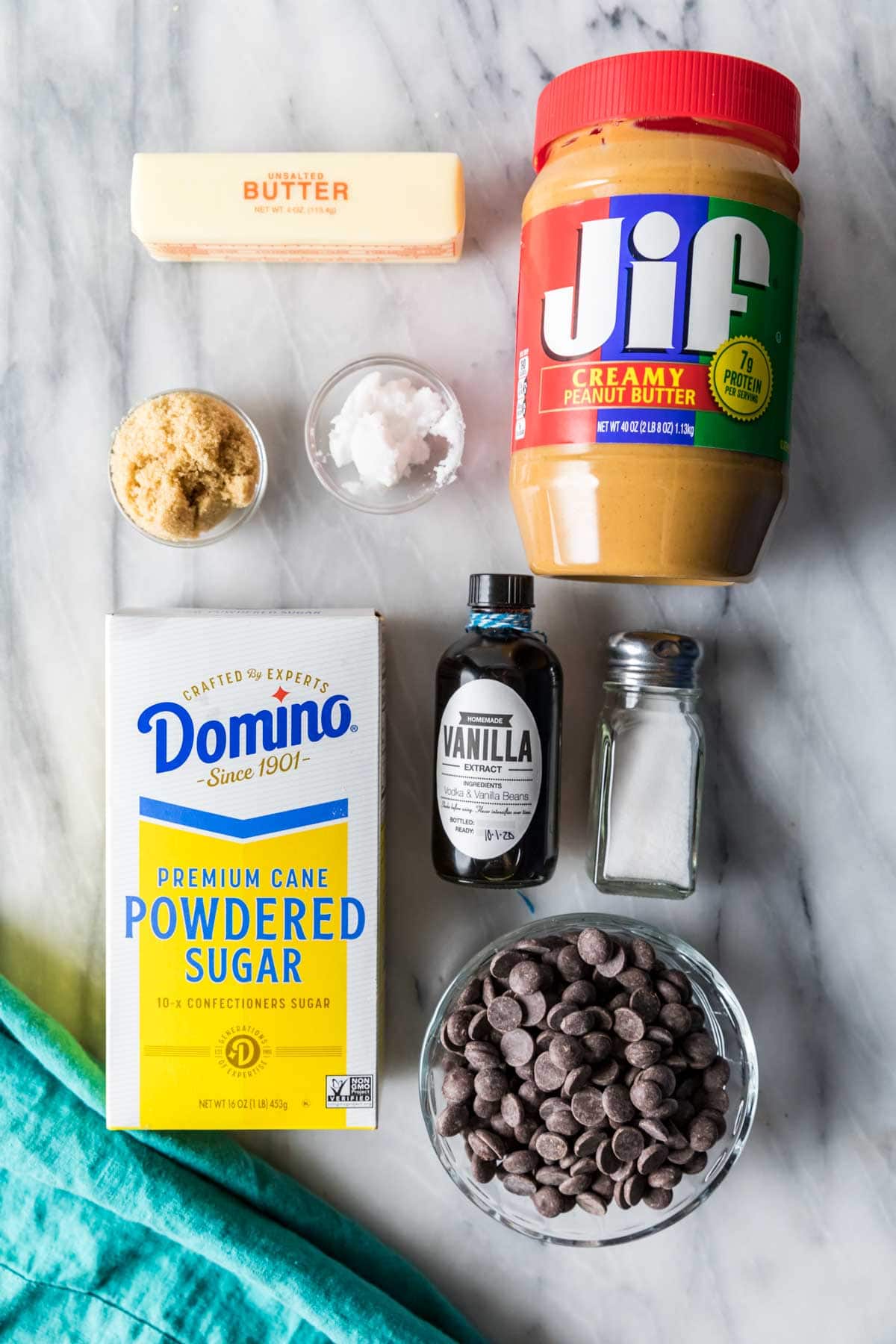
The candy doesn’t actually contain any buckeye nuts. Instead, it combines simple ingredients like peanut butter, powdered sugar, butter, and chocolate.
Where Do Buckeyes Come From?
Buckeyes have strong ties to Ohio, where the buckeye tree is the state symbol. The candy became popular as a homemade treat passed down through families and shared at gatherings.
Many Ohioans consider buckeyes a must-have during holidays and special occasions. Have you ever tried making them yourself? It’s easier than you might think.
Why Are Buckeyes So Popular?
The mix of salty peanut butter and sweet chocolate creates a perfect balance that appeals to many taste buds. Buckeyes are bite-sized, making them easy to share and enjoy.
People love the nostalgic feel and the connection to Ohio heritage. If you’re looking for a crowd-pleaser that’s quick to make, buckeyes might be your new go-to recipe.
Shelf Life At Room Temperature
Buckeyes are a popular sweet treat made from peanut butter and chocolate. Many wonder how long they last outside the fridge. Understanding their shelf life at room temperature helps keep them fresh and tasty.
At room temperature, buckeyes can stay good for a limited time. The peanut butter filling is prone to spoilage if left out too long. The chocolate coating offers some protection but not enough to keep them fresh for days.
Shelf Life Duration
Buckeyes usually last 2 to 3 days at room temperature. This depends on the room’s temperature and humidity. Cooler, dry places help them stay fresh longer. Warm or humid areas cause quicker spoilage.
Signs Buckeyes Are No Longer Good
- Soft or oily texture on peanut butter filling
- Chocolate coating looks dull or cracked
- Unpleasant or sour smell
- Unusual taste or flavor changes
Best Storage Tips At Room Temperature
- Keep buckeyes in an airtight container
- Store in a cool, dry place away from sunlight
- Avoid stacking to prevent chocolate cracking
- Check daily for any signs of spoilage
Refrigeration Benefits
Refrigerating Buckeyes offers several key benefits. It helps keep them fresh for longer periods. This storage method slows down spoilage and maintains their texture and flavor. Proper refrigeration prevents the chocolate from melting or becoming soft. It also reduces the risk of bacterial growth, making Buckeyes safer to eat. Chilling Buckeyes keeps the peanut butter center firm and enjoyable. Refrigeration is especially useful in warm climates or during summer months.
Extends Shelf Life
Cold temperatures slow the breakdown of ingredients in Buckeyes. This means they stay good to eat for days or weeks. Without refrigeration, Buckeyes can spoil faster, especially the peanut butter center. Keeping them in the fridge helps preserve their quality.
Maintains Texture And Taste
Refrigeration prevents chocolate from melting or becoming sticky. It keeps the outer layer firm and smooth. The peanut butter filling stays creamy but solid. This balance ensures every bite tastes just right.
Prevents Bacterial Growth
Warm environments encourage bacteria to grow on food. Refrigerating Buckeyes reduces this risk. It helps keep the treats safe and clean. This is important for homemade Buckeyes without preservatives.
Ideal For Hot Weather
Heat can quickly ruin Buckeyes by melting the chocolate. The fridge protects them from warm temperatures. This keeps Buckeyes ready to serve and enjoy anytime. A cold treat on a hot day is always welcome.
Credit: sugarspunrun.com
How To Store Buckeyes Properly
Storing buckeyes the right way can keep their rich, chocolatey flavor intact and prevent them from becoming sticky or stale. How you store them affects their texture and freshness more than you might expect. Let’s look at simple yet effective ways to keep your buckeyes tasting just like you made them.
Using Airtight Containers
Choose containers that seal tightly to keep air out. Exposure to air can dry out your buckeyes or make the chocolate develop an unwanted white film called bloom.
I once stored buckeyes in a loosely covered bowl and noticed they got hard and lost their creamy center. Since then, I always use airtight containers to lock in freshness.
Avoiding Moisture
Moisture can cause buckeyes to spoil faster or make the chocolate coating soggy. Keep them dry by placing a small packet of food-safe silica gel inside the container.
Also, avoid storing buckeyes near fruits or vegetables that release moisture. Do you store your sweets near other snacks? It might be time to rethink that habit.
Optimal Temperature Settings
Buckeyes do best in cool, consistent temperatures. Refrigeration can extend their shelf life but may cause condensation when taken out, affecting texture.
If you refrigerate, allow the buckeyes to come to room temperature before eating. Alternatively, storing them in a cool pantry (around 65-70°F) works well for short-term keeping.
Freezing Buckeyes For Long-term Storage
Freezing buckeyes is an excellent way to keep these delicious treats fresh for weeks or even months. This method preserves their rich peanut butter and chocolate flavors, allowing you to enjoy them long after making them. Proper freezing techniques can prevent texture changes and keep every bite tasting just right.
Preparation Tips
Before freezing, make sure the buckeyes are completely cooled and the chocolate has fully hardened. Wrap each buckeye individually in plastic wrap or wax paper to avoid them sticking together. Place the wrapped buckeyes in an airtight container or freezer-safe bag to protect them from freezer odors and moisture.
Label the container with the date to track how long they’ve been frozen. Buckeyes can typically be stored for up to three months without losing quality. Have you ever noticed how small details like wrapping can make a big difference in frozen treats?
Thawing Methods
To thaw, transfer the buckeyes from the freezer to the refrigerator and let them sit overnight. This slow thaw helps maintain their texture and prevents condensation from forming on the chocolate. If you’re short on time, leave them at room temperature for about 30 minutes, but keep an eye on them so they don’t get too soft.
Avoid microwaving buckeyes to thaw, as this can cause the chocolate to melt unevenly and change the texture. Have you tried thawing your buckeyes this way? You might be surprised how simple steps can keep them tasting fresh and delicious.
Signs Buckeyes Have Gone Bad
Buckeyes are a delicious treat that many enjoy. Knowing when they go bad is important to avoid eating spoiled food. Buckeyes have a short shelf life, especially without refrigeration. Watch for signs that show they are no longer safe to eat.
Changes In Appearance
Look for discoloration on the peanut butter or chocolate parts. A dull or grayish color suggests spoilage. White spots or mold indicate the buckeyes have gone bad. Any change from their normal shiny look is a warning.
Unpleasant Smell
Fresh buckeyes have a sweet, nutty aroma. A sour or rancid smell means the oils in the peanut butter are spoiled. If the chocolate smells off or strange, do not eat it. Trust your nose to detect bad buckeyes.
Texture Differences
Good buckeyes are smooth and firm. If they feel sticky, slimy, or overly hard, they may be spoiled. A grainy or dry texture is another sign of old buckeyes. Texture changes often come with flavor loss.
Off Taste
Take a small bite to test the flavor. A bitter, sour, or stale taste means the buckeyes are no longer good. Don’t swallow if the taste is unpleasant. Spit it out and discard the treat safely.
Common Storage Mistakes To Avoid
Storing buckeyes might seem straightforward, but many people unknowingly make mistakes that affect their taste and texture. Avoiding these common errors can keep your buckeyes fresh and delicious longer. Are you sure you’re storing them the right way?
Storing Buckeyes At Room Temperature For Too Long
Leaving buckeyes out on the counter for days can cause the chocolate to soften and the peanut filling to spoil. You might think it’s fine since they don’t look bad, but bacteria can grow quickly in warm conditions. If you want to keep them fresh, limit how long they stay unrefrigerated.
Using Plastic Wrap Instead Of Airtight Containers
Wrapping buckeyes in plastic wrap might seem easy, but it traps moisture and can make the chocolate sticky or sweaty. Airtight containers help maintain the right humidity and prevent odors from other foods getting inside. Have you noticed your buckeyes picking up strange smells? This might be why.
Freezing Buckeyes Without Proper Protection
Freezing is a great way to extend shelf life, but many people skip wrapping buckeyes well before freezing. Without proper protection, they can develop freezer burn or absorb unwanted flavors. Try wrapping them tightly in parchment paper before placing them in a sealed freezer bag.
Stacking Buckeyes Without Separation
Stacking buckeyes directly on top of each other can cause them to stick and lose their shape. Adding layers of parchment paper between them keeps each piece intact. Next time you store them, consider this small trick to avoid a messy pile.
Ignoring Temperature Changes During Storage
Moving buckeyes frequently between cold and warm places causes condensation, which affects texture and flavor. If you bring them out of the fridge, let them sit at room temperature before eating instead of refrigerating and unrefrigerating repeatedly. How often do you move your buckeyes around? This could be harming their quality.
Credit: www.lemon8-app.com
Credit: www.lemon8-app.com
Frequently Asked Questions
Do Buckeyes Need Refrigeration After Making?
Yes, Buckeyes should be refrigerated after making to maintain freshness. Store them in an airtight container in the fridge. This prevents the peanut butter and chocolate from spoiling or melting. Refrigeration also helps Buckeyes keep their shape and texture longer.
How Long Do Buckeyes Last Refrigerated?
Buckeyes last about 1 to 2 weeks when refrigerated properly. Keep them in an airtight container to avoid absorbing fridge odors. For longer storage, consider freezing them. Proper refrigeration ensures Buckeyes remain fresh and safe to eat within this time frame.
Can Buckeyes Be Stored At Room Temperature?
Buckeyes can be stored at room temperature for up to 2 days. After that, refrigeration is recommended to prevent spoilage and melting. Keep them in a cool, dry place away from direct sunlight for best results. Room temperature storage suits short-term keeping only.
What Is The Best Way To Store Buckeyes?
The best way to store Buckeyes is in an airtight container inside the refrigerator. This keeps them fresh and prevents melting or drying out. For longer storage, freeze them in a sealed container. Proper storage maintains taste, texture, and quality.
Conclusion
Buckeyes stay fresh longer when kept in the refrigerator. This helps keep their texture and taste just right. Leaving them out can make them soft or sticky quickly. Store them in an airtight container to avoid drying out. Enjoy your Buckeyes within a week for the best flavor.
Simple care keeps these treats delicious and safe. Refrigeration is the easy way to keep Buckeyes fresh and tasty.