Ever popped open the hood of your car on a sizzling summer day, only to be blasted by a wave of hot air? You’re not alone.
Keeping your car’s air conditioning system running efficiently is crucial for those hot days, and understanding how much refrigerant your car needs is key. Are you wondering if your AC is giving you the cold shoulder because of low refrigerant levels?
You’re about to find out. Imagine driving comfortably with a perfectly chilled interior, even when the sun is blazing outside. We’ll demystify the world of car refrigerants and reveal exactly how many ounces your vehicle requires for optimal performance. Ready to ensure a cool and comfortable ride every time you hit the road? Let’s dive in.
Credit: www.walmart.com
Refrigerant Basics
Understanding the basics of refrigerant is key to maintaining your car’s air conditioning system. Refrigerant isn’t just a gas; it’s the lifeblood that keeps your AC blowing cold air. Without the right type and amount, your system won’t perform well, and you might even damage it.
Types Of Refrigerants
Car AC systems primarily use a few types of refrigerants. The most common one in modern vehicles is R-134a, known for being efficient and environmentally friendlier than older types. Some newer models have switched to R-1234yf, which has an even lower environmental impact.
Older cars might still use R-12, but it’s mostly phased out due to its harmful effects on the ozone layer. Knowing which refrigerant your car needs is crucial because mixing types can cause leaks and poor cooling. Check your car’s manual or the label under the hood to find the exact type.
Role In Car Ac Systems
Refrigerant works by absorbing heat from inside your car and releasing it outside. It changes from liquid to gas and back in a continuous cycle, which cools the air that blows through your vents. Think of it as the medium that moves heat away from your cabin.
If your refrigerant level is too low, your AC will struggle to cool effectively. Too much, and you risk damaging the compressor. Have you ever felt your AC blowing warm air on a hot day? That’s often a sign your refrigerant needs checking.

Credit: www.reddit.com
Determining Refrigerant Amount
Figuring out how many ounces of refrigerant your car needs is essential for keeping the air conditioning system running smoothly. Adding too little refrigerant won’t cool your car effectively, while too much can damage the system. Knowing the right amount helps you avoid costly repairs and keeps your ride comfortable during hot days.
Checking Manufacturer Specifications
Your first stop should be the vehicle’s manufacturer specifications. These details are usually found in the owner’s manual or on a sticker under the hood.
The manufacturer specifies the exact refrigerant type and quantity in ounces or grams. For example, many cars use R-134a refrigerant, and the required amount typically ranges between 12 to 28 ounces.
Ignoring these specs can lead to overcharging or undercharging your AC system, which affects performance and longevity. Have you ever wondered why some repair shops ask for your car’s make and model before refilling the refrigerant? It’s because the amount needed varies widely.
Factors Affecting Refrigerant Levels
Several factors influence how much refrigerant your car actually needs beyond the basic specs.
- Leakage:Older cars or systems with worn components may lose refrigerant over time, requiring a recharge.
- System Repairs:If you replace parts like the compressor or condenser, you might need to add or remove refrigerant to match the new setup.
- Ambient Temperature:While this doesn’t change the amount needed, high outside temperatures put more strain on your AC system, making proper refrigerant levels even more critical.
Remember, topping off refrigerant without fixing leaks is like filling a bucket with a hole. It won’t last, and you’ll keep spending money.
Have you checked your AC system’s pressure recently? Using a gauge can help confirm whether your refrigerant levels are spot on or need adjustment based on actual system performance.
Measuring Refrigerant In Ounces
Measuring refrigerant in ounces is key to maintaining your car’s air conditioning system. It ensures the system runs efficiently without damage. Too little refrigerant means weak cooling. Too much can cause pressure issues and harm components.
Knowing the exact amount of refrigerant needed helps avoid costly repairs. This measurement depends on your car’s make, model, and AC system type. Understanding how to read refrigerant labels and common quantities makes the process simpler.
Common Refrigerant Quantities
Cars use different amounts of refrigerant, usually measured in ounces (oz). Most vehicles need between 12 and 32 ounces. Small cars require less refrigerant. Larger vehicles or trucks need more for proper cooling.
| Vehicle Type | Typical Refrigerant Amount (oz) |
|---|---|
| Compact Cars | 12 – 18 oz |
| Sedans | 18 – 24 oz |
| SUVs and Trucks | 24 – 32 oz |
Always check your vehicle’s manual for the exact amount. Incorrect refrigerant levels reduce AC efficiency and may cause system failure.
How To Read Refrigerant Labels
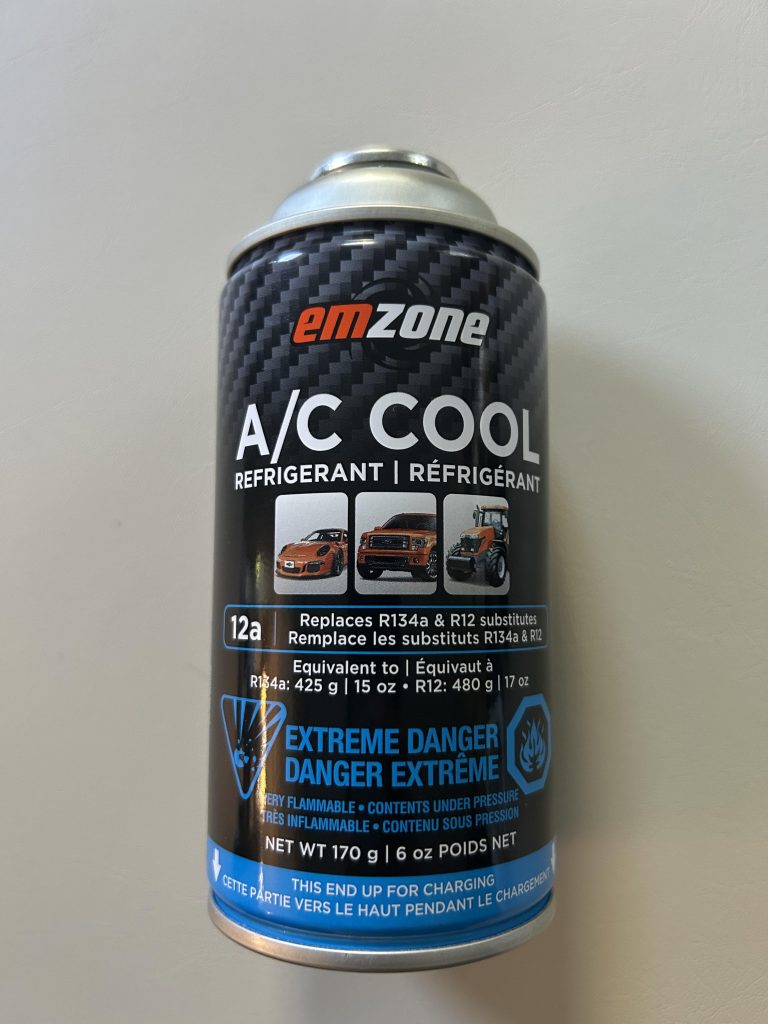
Refrigerant cans have labels showing important information. These details include refrigerant type and net weight. The net weight tells you how many ounces the can contains.
- Look for “Net Weight” or “Weight” on the label
- Check the refrigerant type, such as R134a or R1234yf
- Note the measurement units, usually ounces (oz) or grams (g)
Choose the right refrigerant type for your car. Using the wrong type can damage the AC system.
Measure refrigerant carefully using a gauge or scale. Avoid overfilling to protect your car’s air conditioning.
Refilling Refrigerant Safely
Refilling refrigerant safely in a car is essential to keep the air conditioning working well. Incorrect handling can harm the system or cause injury. Using the right tools and following a careful process helps prevent leaks and ensures proper pressure levels. Safety gear protects your skin and eyes from harmful chemicals. Understanding the correct refrigerant amount for your vehicle avoids overfilling or underfilling issues.
Tools Needed For Recharging
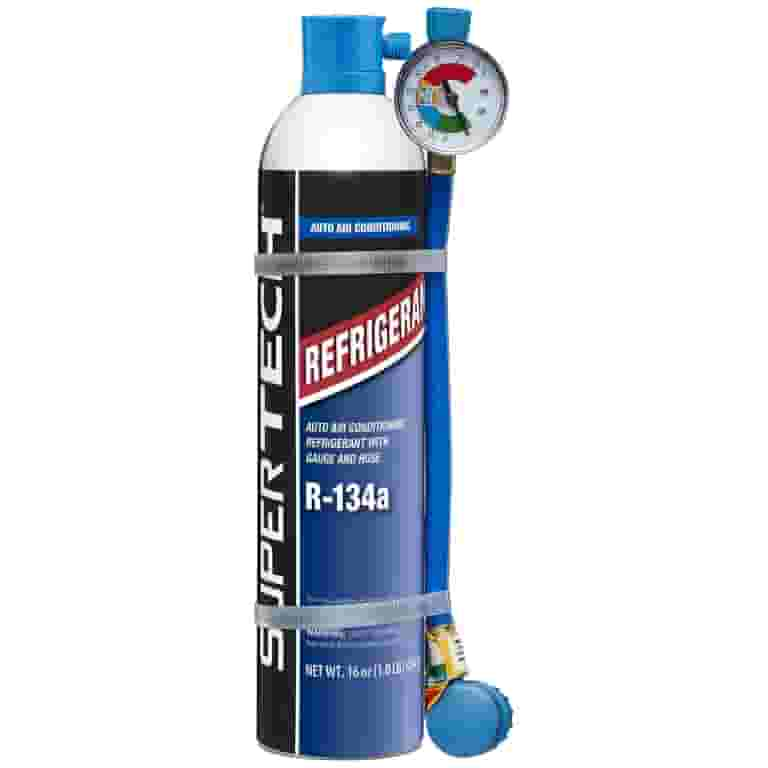
- Refrigerant can with correct type and amount
- Pressure gauge to monitor system pressure
- Recharge hose with valve for controlled release
- Protective gloves and safety glasses
- Thermometer to check air temperature
- Leak detector spray (optional but recommended)
Step-by-step Refill Process
- Park the car in a shaded, well-ventilated area.
- Turn off the engine and open the hood.
- Locate the low-pressure service port on the AC system.
- Wear gloves and safety glasses before handling refrigerant.
- Attach the recharge hose to the refrigerant can and low-pressure port.
- Check the pressure gauge to understand current system pressure.
- Start the engine and set AC to the highest cool setting.
- Slowly open the valve on the refrigerant can to release gas.
- Monitor the pressure gauge and stop when the correct pressure is reached.
- Close the valve and remove the hose carefully.
- Check the air temperature inside the car for cooling improvement.
- Inspect for leaks using a leak detector spray if available.
Signs Of Refrigerant Issues
Refrigerant is essential for a car’s air conditioning system. Detecting problems early helps avoid costly repairs. Signs of refrigerant issues often show in how the AC performs and feels inside the car. Knowing these signs can help identify low refrigerant levels before damage occurs.
Low Refrigerant Symptoms
- Warm air blowing from the vents
- AC takes longer to cool the car
- Hissing or bubbling sounds under the hood
- Frost or ice on the AC lines
- Strong smell inside the car when AC runs
Impact On Ac Performance
Low refrigerant reduces cooling power significantly. The AC system works harder and less efficiently. This strain can cause parts to wear out faster. Fuel consumption might increase as the engine runs harder. Without enough refrigerant, the air inside the car never gets cold enough.
Environmental And Legal Considerations
Knowing how many ounces of refrigerant your car needs is important, but understanding the environmental and legal aspects is just as crucial. Refrigerants impact the environment, and mishandling them can lead to serious consequences. You might wonder how your actions with refrigerants affect the planet and what laws protect both you and the environment.
Handling Refrigerants Responsibly
Refrigerants can harm the atmosphere if released carelessly. You should always avoid venting refrigerants into the air, as they contribute to ozone depletion and global warming. Using proper recovery and recycling equipment helps keep these chemicals contained.
Think about the last time you worked on your car’s air conditioning. Did you take steps to capture the refrigerant, or did you let it escape? Small actions add up, and responsible handling reduces environmental damage.
Regulations And Compliance
There are strict laws governing refrigerant use. The Environmental Protection Agency (EPA) requires technicians to be certified before handling certain refrigerants. This certification ensures that you follow proper procedures.
Failure to comply can lead to hefty fines and legal trouble. Check local and federal regulations to know what applies to you. Staying informed protects your wallet and the environment.
Professional Help Vs Diy
Deciding between professional help and a do-it-yourself approach for adding refrigerant to your car matters. This task requires precision and understanding. Mistakes can cause damage or reduce your car’s cooling efficiency. Knowing when to call an expert or handle it yourself keeps your car safe and cool.
When To Seek Expert Assistance
Look for professional help if your car’s AC is not cooling well after recharging. Experts have the right tools to measure refrigerant levels accurately. They can detect leaks and fix them properly. Complex issues like compressor problems also need professional care. Professionals follow safety rules to handle refrigerants without harm.
Risks Of Incorrect Recharging
Adding too much or too little refrigerant harms your car’s AC system. Overcharging causes high pressure that can damage parts. Undercharging leads to poor cooling and more wear on the system. Using the wrong refrigerant type may cause leaks or system failure. DIY attempts without proper tools risk personal injury and environmental harm.

Credit: www.amazon.com
Frequently Asked Questions
How Many Ounces Of Refrigerant Does A Car Need?
Most cars require between 12 to 30 ounces of refrigerant. The exact amount depends on the vehicle’s make and model. Check the owner’s manual for the specific requirement to avoid overcharging or undercharging your car’s AC system.
What Happens If A Car Gets Too Much Refrigerant?
Overcharging a car’s AC with refrigerant can cause high pressure. This may damage the compressor and reduce cooling efficiency. It’s important to add refrigerant carefully and follow manufacturer guidelines to maintain optimal performance and avoid costly repairs.
How Do I Know When My Car Needs Refrigerant?
Signs your car needs refrigerant include weak cooling, warm air from vents, or a hissing sound. Low refrigerant often causes the AC system to blow less cold air. Regular maintenance checks help identify refrigerant levels and keep the AC running smoothly.
Can I Add Refrigerant To My Car Myself?
Yes, you can add refrigerant yourself using the correct type and tools. However, it requires careful handling and adherence to safety measures. Incorrect charging can damage the AC system, so consider professional help if unsure about the process.
Conclusion
Knowing the right amount of refrigerant helps your car’s AC work well. Too little or too much can cause problems. Always check your car’s manual for the exact ounces needed. If you are unsure, ask a professional to avoid mistakes.
Proper refrigerant levels keep your car cool and safe. Regular AC checks save money and keep you comfortable. Simple steps make a big difference in car care. Keep your ride cool all year long.