Are you standing in the kitchen, staring at your refrigerator and wondering which water filter you should buy? You’re not alone.
Choosing the right water filter for your refrigerator can feel like a daunting task, especially with so many options available. You want to ensure your family is drinking clean, safe water, but how can you be sure you’re making the right choice?
This decision isn’t just about grabbing the first filter you see. It’s about understanding your needs, the specifics of your appliance, and making an informed purchase. In this guide, we’ll simplify the process for you, breaking down what you need to know to confidently choose the best water filter for your refrigerator. Read on, because the right choice could mean healthier, tastier water for you and your loved ones.
Types Of Refrigerator Water Filters
Choosing the right water filter for your refrigerator depends on understanding the types available. Each filter type cleans water differently and suits different needs. Knowing these types helps you pick the best option for clean, fresh water.
Carbon Filters
Carbon filters use activated carbon to remove impurities. They reduce chlorine taste, odors, and some chemicals. These filters improve water flavor and clarity. They are common, affordable, and easy to replace. Carbon filters work well for everyday use.
Reverse Osmosis Filters
Reverse osmosis filters push water through a fine membrane. This removes many contaminants like lead, arsenic, and bacteria. They provide very pure water but may waste some water during the process. These filters need more maintenance and are pricier. Ideal for those wanting the highest water purity.
Ultraviolet Filters
Ultraviolet (UV) filters use light to kill bacteria and viruses. They do not remove chemicals or sediments. UV filters ensure water is safe from germs. Often used with other filters for full protection. Best for areas with possible water contamination.
Signs You Need To Replace Your Filter
Knowing when to replace your refrigerator water filter is key to clean, fresh water. Filters trap contaminants but lose effectiveness over time. Watch for clear signs indicating it’s time for a change. This keeps water tasting good and prevents damage to your fridge’s water system.
Water Taste And Odor Changes
Notice a strange taste or smell in your water? This often signals a worn-out filter. Old filters may let chlorine, metals, or other impurities pass through. Fresh filters restore clean flavor and remove unpleasant odors. Trust your senses as a simple test of filter health.
Reduced Water Flow
Water coming out slower than usual? A clogged filter can block water flow. This reduces water pressure and delays filling your glass or ice tray. Replacing the filter clears blockages and improves flow speed. It keeps your fridge functioning smoothly.
Indicator Lights
Many modern refrigerators have built-in filter indicators. These lights turn on or change color when it’s time for a replacement. Check your user manual to understand your fridge’s signals. Responding to these alerts helps maintain water quality and appliance health.
Compatibility With Your Refrigerator
Choosing the right water filter means ensuring it fits your refrigerator perfectly. Compatibility matters to keep water clean and the fridge working well. Using the wrong filter can cause leaks or poor water quality. Check your refrigerator’s details carefully before buying.
Model Numbers
Find the model number on your fridge label or manual. It helps identify the correct filter type. Each model may require a specific filter design. Match your fridge’s model number with the filter’s listed models. This step avoids buying a filter that won’t fit or work right.
Filter Sizes
Filters come in different sizes and shapes. The size must match the filter slot in your fridge. Too big or too small filters won’t install properly. Measure the space or check your fridge’s guide. Use this info to pick a filter that fits snugly and seals well.
Oem Vs. Third-party Filters
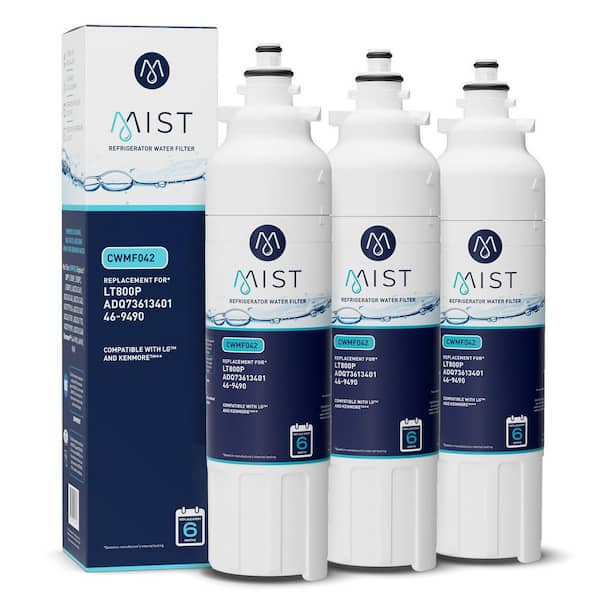
OEM filters come from the fridge’s original maker. They fit perfectly and meet brand standards. Third-party filters cost less and may offer similar performance. Some third-party options fit many models, but quality varies. Choose based on your budget and how much you trust the brand.

Credit: www.homedepot.com
Filter Certifications To Consider
Choosing the right water filter for your refrigerator isn’t just about price or brand. Certifications tell you if a filter meets specific safety and quality standards. Knowing which certifications matter can save you from buying ineffective filters and ensure your water tastes great and stays healthy.
Nsf/ansi Standards
Look for filters certified by NSF International or meeting ANSI standards. These certifications confirm the filter has been tested for safety and performance. For instance, NSF/ANSI Standard 42 focuses on improving taste and odor, while Standard 53 targets health-related contaminants like lead and cysts.
Imagine buying a filter without these certifications—you could end up with water that still contains harmful chemicals. Ask yourself, would you trust a filter that hasn’t been independently tested? These standards provide peace of mind you’re not just guessing about water quality.
Contaminant Removal Claims
Check what contaminants the filter claims to remove and verify if those claims are backed by certification. Some filters say they remove chlorine but might not tackle heavy metals or bacteria. The key is to match the filter’s capabilities with your local water issues.
For example, if your water supply has high lead levels, a filter certified to remove lead is essential. Don’t settle for vague promises; look for clear, certified contaminant removal claims. How confident are you that your filter actually removes the harmful substances you want gone?
Installation And Maintenance Tips
Installing and maintaining a water filter for your refrigerator keeps water clean and fresh. Proper care extends the filter’s life and ensures safe drinking water. Follow simple steps for installation and routine maintenance. Pay attention to signs that show when the filter needs replacing or fixing.
Step-by-step Installation
- Turn off the water supply to the refrigerator.
- Locate the filter compartment, usually inside or behind the fridge.
- Remove the old filter by twisting or pulling it out gently.
- Unpack the new filter and remove any protective covers.
- Insert the new filter firmly into the slot until it clicks.
- Turn the water supply back on and check for leaks.
- Flush the filter by running water through it for a few minutes.
Filter Replacement Frequency
Change the filter every 6 months or as the manufacturer advises. Dirty filters reduce water quality and flow speed. Signs to replace include bad taste, odor, or slow water flow. Some filters have indicators that alert you when it’s time to change them.
Troubleshooting Common Issues
- Water tastes strange: Replace the filter immediately.
- Water leaks: Check if the filter is installed correctly and tightened.
- Low water flow: Flush the filter or replace it if clogged.
- Filter indicator not working: Reset it by following your fridge manual.
- Water dispenser not working: Ensure water supply is on and filter is seated properly.

Credit: www.amazon.com
Cost And Value Factors
Choosing the right water filter means balancing cost with value. Price alone does not show the full picture. Consider how long the filter lasts and how well it cleans water. This helps you pick a filter that fits your budget and needs.
Price Comparison
Water filters vary widely in price. Some cost just a few dollars, while others are more expensive. Compare prices of different brands and models. Check if the price includes shipping or installation fees. A higher price does not always mean better quality.
Filter Longevity
Longer-lasting filters save money over time. A filter that works for six months or more reduces how often you buy replacements. Check the manufacturer’s recommended lifespan. Filters that last longer often provide better value, even if they cost more upfront.
Impact On Water Quality
A good filter improves water taste and safety. Look for filters that remove chlorine, lead, and other impurities. Some filters also reduce odors and sediments. Better water quality protects your health and makes drinking water more enjoyable.

Credit: www.amazon.com
Frequently Asked Questions
How Do I Identify My Refrigerator’s Water Filter Type?
Check your refrigerator’s manual or model number online. Most brands list compatible filters clearly. Look inside the fridge for a filter compartment or label. This helps find the exact filter type you need.
What Factors Affect Choosing A Water Filter For Refrigerators?
Consider water source quality, filter lifespan, and certification standards. Choose filters certified for removing contaminants like chlorine and lead. Also, ensure the filter fits your refrigerator model for proper function.
How Often Should I Replace My Refrigerator Water Filter?
Replace filters every 6 months or as recommended by the manufacturer. Frequent replacement ensures clean, fresh-tasting water and prevents clogging. Signs include reduced water flow or bad taste.
Can I Use Third-party Water Filters In My Refrigerator?
Yes, but ensure they are compatible and certified for your model. Third-party filters can be cost-effective but vary in quality. Always check reviews and certifications before purchasing.
Conclusion
Choosing the right water filter for your refrigerator is simple with the right info. Check your fridge model and water quality first. Match the filter type and certification to your needs. Regularly change the filter to keep water clean and fresh.
Clear water means better taste and health. Take your time and pick a filter that fits well. Enjoy fresh, safe water every day without hassle. Making a smart choice saves money and worry in the long run. Easy steps lead to better water for your home.