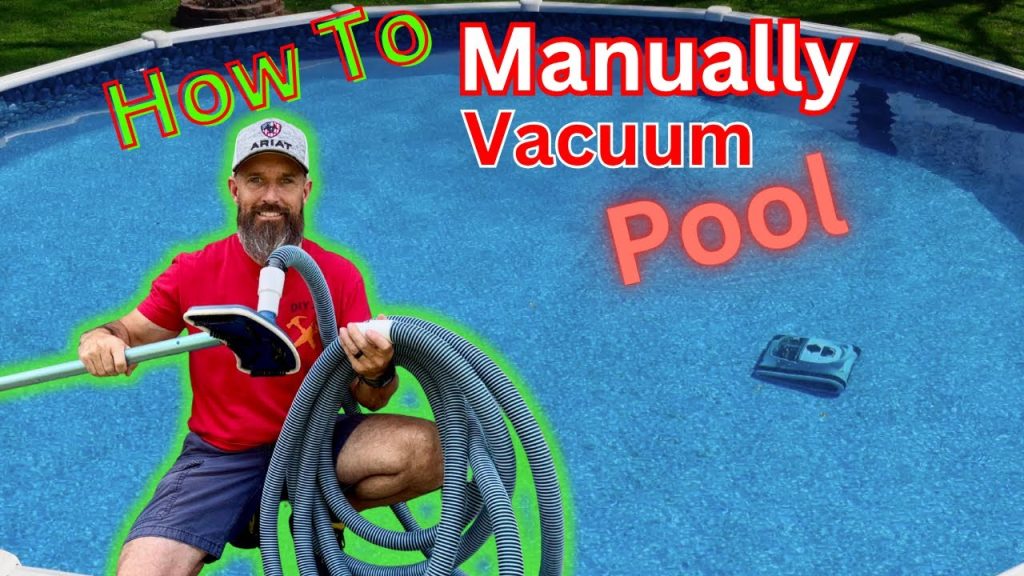
Are you tired of looking at your pool and seeing debris floating around? You’re not alone.
A sparkling clean pool is the dream of every pool owner, but it often feels like a daunting task to achieve. Imagine diving into crystal-clear water, free of dirt and leaves. Sounds perfect, right? The good news is, you don’t need expensive gadgets or services to get there.
You have the power to turn your pool into a pristine oasis with just a manual vacuum and a little know-how. In this guide, I’ll show you how to manually vacuum your pool efficiently and effectively. By the end of this article, you’ll feel equipped and confident, ready to transform your pool into the inviting retreat you’ve always wanted. So, let’s dive in and discover the simple steps to make your pool sparkle like never before.
Credit: www.poolsupplies.com
Choosing The Right Manual Vacuum
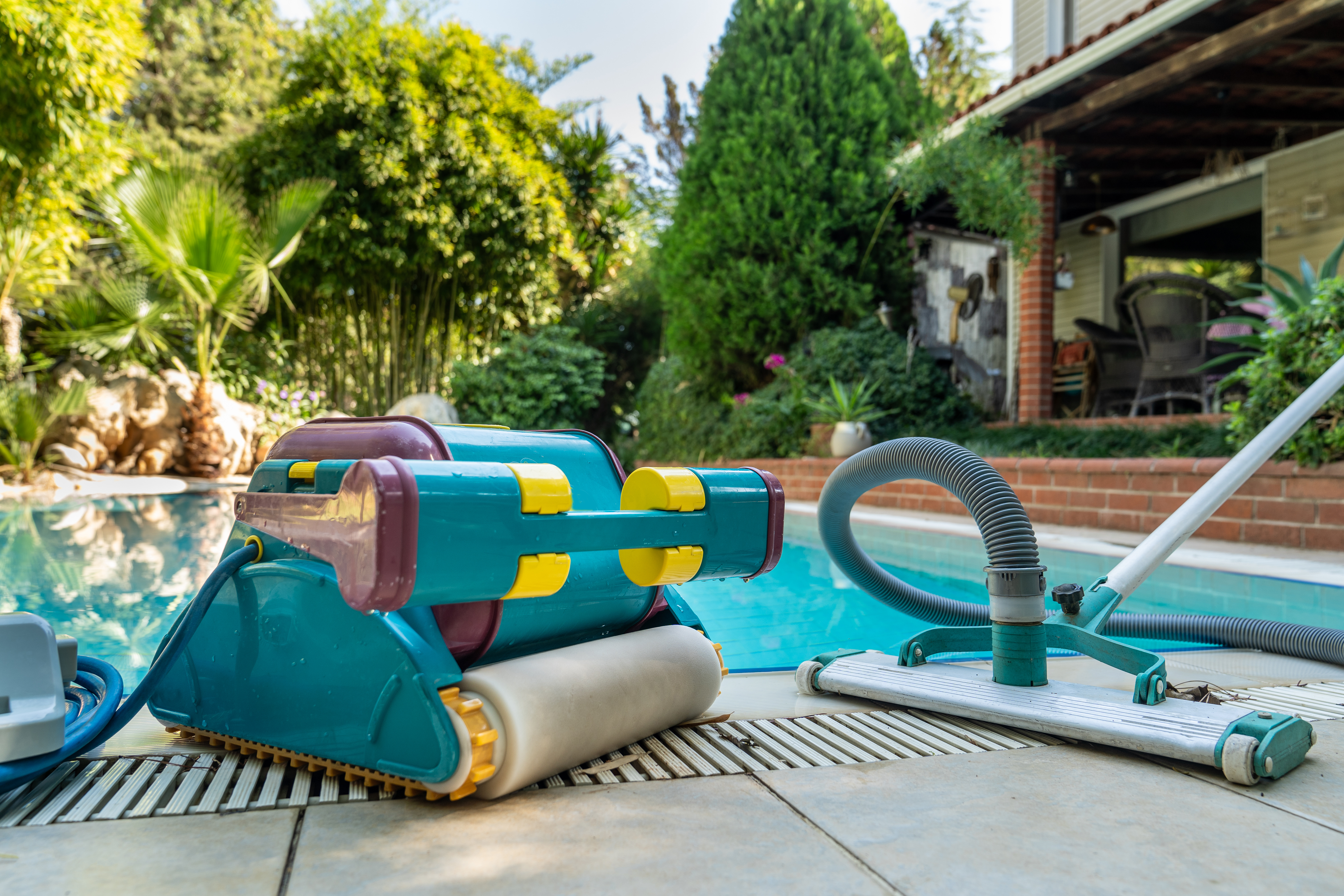
Choosing the right manual vacuum makes pool cleaning easier and more effective. The right tool fits your pool’s shape, size, and debris type. Picking poorly can waste time and effort. Understanding different types of vacuums and how they match your pool size helps you decide smartly.
Types Of Pool Vacuums
Manual pool vacuums come in a few common types:
- Pressure-side vacuums:Use water pressure to pick up large debris.
- Suction-side vacuums:Connect to your pool’s skimmer and pull dirt through suction.
- Battery-powered vacuums:Portable and easy to move but need charging.
- Leaf vacuums:Designed specifically for leaves and large debris.
Each type suits different cleaning needs and pool conditions. Choose based on what debris you mostly face.
Matching Vacuum To Pool Size
Small pools need lightweight, easy-to-maneuver vacuums. Large pools require vacuums with longer poles and better suction power. Deep pools benefit from vacuums with stronger suction and longer hoses. Consider your pool’s dimensions before buying. A vacuum that is too small or weak will slow cleaning down.
Preparing The Pool For Vacuuming
Preparing your pool for vacuuming is a crucial step that can save you time and effort later. Skipping proper preparation can lead to ineffective cleaning and even damage your pool equipment. Taking a few moments to get your pool ready ensures the vacuum works smoothly and your water stays crystal clear.
Removing Debris
Start by clearing the surface of the pool. Use a leaf skimmer or net to scoop out leaves, twigs, and other floating debris. This prevents the vacuum from clogging and helps you avoid pushing dirt around instead of removing it.
Check the bottom and corners of the pool for larger debris that might block the vacuum hose. Pick up anything you can by hand before you begin vacuuming. This simple step makes your vacuuming session quicker and more efficient.
Balancing Pool Chemicals
Before vacuuming, test your pool’s chemical levels. Proper pH and chlorine balance protect your pool surfaces and equipment during cleaning. An unbalanced pool can cause scale buildup or corrosion, which affects the vacuum’s performance.
If your pH is too high or too low, adjust it using the recommended pool chemicals. Ensure chlorine levels are safe—not too strong to irritate your skin, but enough to keep algae and bacteria in check. Balanced water means cleaner results and a healthier swimming environment.
Setting Up The Vacuum Equipment
Setting up your pool vacuum equipment properly is key to an efficient cleaning session. Skipping or rushing this part can lead to poor suction and a longer cleanup time. Take a few extra minutes to ensure each component is correctly assembled and connected.
Assembling The Vacuum Head And Pole
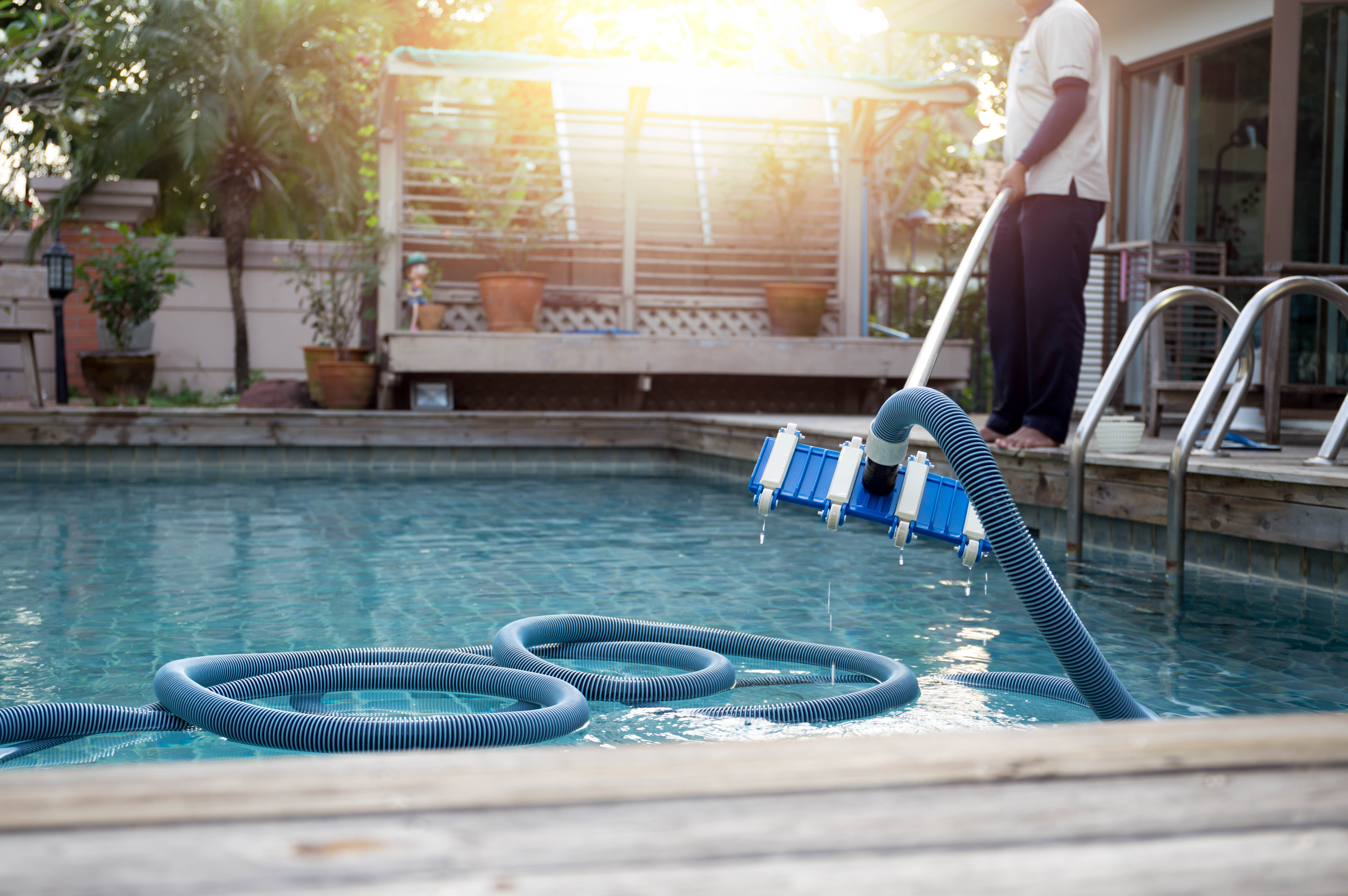
Start by attaching the vacuum head to the telescopic pole. Make sure it snaps or twists firmly into place to avoid wobbling while you clean. A stable connection lets you reach every corner of the pool without frustration.
Check the vacuum head for any debris or blockages before attaching the pole. This small check saves you from wasting time later fixing suction problems.
Connecting The Hose
Next, connect the vacuum hose to the vacuum head. Push the hose firmly onto the swivel fitting to create a tight seal. Loose connections can cause air leaks that reduce suction power.
Lay the hose along the pool deck and slowly feed it into the water, letting air escape as it fills. This prevents trapped air bubbles that can disrupt cleaning.
Priming The Vacuum
Priming the vacuum hose is crucial to get the water flowing properly. Submerge the entire hose in the pool to fill it with water before connecting it to the skimmer or suction port.
Have you noticed your vacuum struggling to pick up debris? Often, an unprimed hose is the culprit. Taking the time to prime ensures strong suction and a cleaner pool faster.

Credit: www.youtube.com
Vacuuming Techniques
Mastering the right vacuuming techniques can make your pool cleaning faster and more effective. It’s not just about pushing the vacuum around; it’s about how you move and where you start. Your approach can save you time and leave your pool sparkling.
Starting From Shallow To Deep End
Begin vacuuming at the shallow end of your pool. This helps you avoid stirring up debris that can settle in the deep end later. Moving from shallow to deep ensures that any dirt loosened in the shallow part doesn’t just drift to the deeper areas.
Think about it like sweeping a floor—you start where the dirt is easiest to gather and then move toward harder spots. This tactic keeps your cleaning process organized and efficient.
Using Slow And Steady Movements
Keep your vacuum movements slow and steady. Quick or jerky motions can stir up dirt, making it harder to collect. Slow movements allow the vacuum to suck up more debris with each pass.
Imagine trying to catch small crumbs with a vacuum—if you rush, many crumbs escape. Moving slowly ensures you get every bit, leaving your pool cleaner after each session.
Covering All Pool Surfaces
Don’t just focus on the bottom—vacuum the walls and steps as well. Algae and dirt can cling to vertical surfaces and corners, so these areas need your attention. Use the vacuum head to gently scrub and remove buildup.
Have you ever noticed slippery spots near the pool steps? That’s algae settling in. Covering every surface prevents these problem areas from becoming bigger issues later on.
Maintaining Water Flow
Maintaining proper water flow is crucial when manually vacuuming your pool. Without good circulation, debris won’t reach the filter efficiently, making your cleaning efforts less effective. Paying attention to water flow ensures your vacuum works smoothly and keeps your pool sparkling clean.
Adjusting Skimmer And Pump Settings
Your skimmer and pump settings directly impact water flow. If the suction is too low, the vacuum won’t pick up dirt properly. Try increasing the pump speed or adjusting the skimmer basket to optimize suction.
Sometimes, partially closing the return jets helps increase suction at the vacuum head. You want a balance where the water moves well but doesn’t overwhelm the vacuum hose. Have you experimented with your pump’s settings to find that sweet spot?
Checking For Air Leaks
Air leaks in the vacuum hose or pump system can reduce water flow and suction power. Inspect all hose connections carefully for bubbles or hissing sounds—these are signs of air entering the system. Even a small leak can cause big problems in water circulation.
One trick I learned is to submerge the hose fully before connecting it to the pump to push out trapped air. Ensuring airtight connections keeps the vacuum running efficiently and saves you time scrubbing stubborn spots. How often do you check your hoses for leaks?
Credit: www.poolsupplies.com
Cleaning After Vacuuming
Cleaning after vacuuming is important to keep your pool equipment working well. It prevents clogging and helps maintain clean water. Taking time to clean parts like filters and baskets ensures the vacuum works efficiently next time. This simple maintenance step saves money and effort over time.
Backwashing The Filter
Backwashing removes dirt and debris caught in the pool filter. Turn off the pump before starting. Set the filter valve to the backwash position. Turn the pump on and run until the water runs clear, usually 2 to 3 minutes. Turn off the pump again and set the valve to the rinse position. Run the pump for 30 seconds to settle the filter media. Finish by returning the valve to the filter position and turning the pump back on.
Emptying The Skimmer And Pump Baskets
The skimmer and pump baskets catch leaves and debris. Turn off the pump before opening the baskets. Remove the baskets carefully to avoid spilling debris into the pool. Empty the debris into a trash bin. Rinse the baskets with a hose to clear any stuck dirt. Place the baskets back in their positions securely. Turn the pump on and check for proper water flow.
Troubleshooting Common Issues
Troubleshooting common issues during manual pool vacuuming can save time and effort. Understanding simple fixes helps maintain pool cleanliness. This section covers common problems and easy solutions to keep your vacuum working well.
Low Suction Power
Low suction reduces vacuum efficiency and cleaning speed. Check if the pool pump is running properly. Clean the pump basket and skimmer basket to remove debris. Inspect the filter for clogs and backwash if needed. Ensure all valves are open and correctly positioned for suction. A blocked or dirty vacuum hose can also lower suction. Replace or clean the hose if necessary.
Hose Kinks And Leaks
Kinks in the vacuum hose block water flow and suction. Straighten the hose fully before use. Avoid sharp bends and twists while vacuuming. Leaks cause loss of suction power. Look for holes or cracks along the hose. Seal small leaks with waterproof tape or replace the hose if damage is severe. Secure hose connections tightly to prevent air leaks.
Vacuum Head Not Moving Properly
A stuck vacuum head makes cleaning slow and uneven. Check for debris caught in the brush or wheels. Clean the vacuum head thoroughly. Make sure the vacuum head fits the pool surface. Adjust the pole length to improve reach and control. If the wheels are damaged, replace them for smooth movement. Regular maintenance keeps the vacuum head working well.
Frequently Asked Questions
How Do I Prepare My Pool For Manual Vacuuming?
Start by removing large debris with a skimmer net. Check and balance pool chemicals. Attach the vacuum head to the telescopic pole and connect the vacuum hose. Ensure the pump is off before submerging the hose to remove air.
What Is The Best Technique For Vacuuming A Pool Manually?
Move the vacuum slowly along the pool floor in overlapping strokes. Avoid lifting the vacuum head to prevent debris from escaping. Vacuum all pool areas, focusing on corners and steps for thorough cleaning.
How Often Should I Manually Vacuum My Pool?
Vacuum your pool at least once a week during heavy use. Increase frequency after storms or when visible debris accumulates. Regular vacuuming maintains water clarity and prevents algae growth.
Can I Use A Manual Vacuum On Any Pool Type?
Yes, manual vacuums work on most pool types, including concrete, vinyl, and fiberglass. Ensure your vacuum head is compatible with your pool surface to avoid damage.
Conclusion
Cleaning your pool manually keeps water clear and safe. It takes some effort but saves money. Use the right tools and follow steps carefully. Regular vacuuming stops dirt from building up. You will enjoy swimming in a cleaner pool. Keep a routine to avoid big cleaning jobs later.
Simple steps bring great results every time. Your pool will stay inviting and fresh all season.