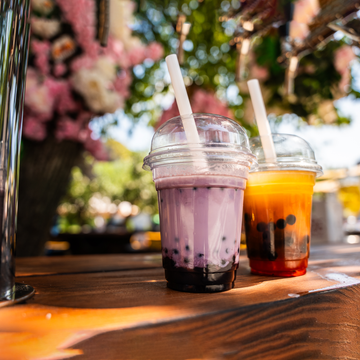
Boba, also known as bubble tea, has taken the world by storm with its chewy tapioca pearls and delightful flavors. But here’s a question that might have crossed your mind: Does boba need to be refrigerated?
Whether you’re a boba aficionado or a casual sipper, understanding how to store your boba is crucial to enjoying its best taste and texture. Imagine reaching for your favorite boba drink only to find it spoiled or lacking that signature chewiness.
You wouldn’t want that, right? We’ll dive into the nitty-gritty of boba storage, ensuring every sip you take is as satisfying as the first. Stick around to discover the secrets to keeping your boba as fresh as possible.

Credit: www.reteacups.com
What Is Boba Made Of
Boba, also called tapioca pearls, are chewy spheres found in bubble tea. Understanding what boba is made of helps explain how to store it properly. Boba’s main ingredient is tapioca starch, which comes from the cassava root. This starch gives the pearls their unique chewy texture.
Other ingredients often include sweeteners and sometimes coloring to make boba more appealing. These simple ingredients affect how long boba stays fresh and whether it needs refrigeration.
Core Ingredient: Tapioca Starch
Tapioca starch is a white powder extracted from cassava roots. It forms the base of boba pearls. When cooked, the starch gelatinizes and creates a soft, chewy texture. This texture is key to boba’s popularity.
Sweeteners And Flavorings
Brown sugar, honey, or syrup often sweeten boba. These add flavor and a slight stickiness. Some recipes use caramel coloring to give boba a dark brown color. These elements can affect the shelf life of boba.
Water And Cooking Process
Boba is boiled in water until it becomes soft and chewy. Cooking transforms the starch into a gelatinous form. After cooking, pearls are soaked in syrup or sugar water to keep them moist and tasty.

Credit: nordicboba.com
Shelf Life Without Refrigeration
Boba pearls are a popular addition to many drinks. Knowing how long they last without refrigeration is important. This helps avoid waste and ensures safety. The shelf life depends on the type of boba and storage conditions.
Shelf Life Of Cooked Boba Pearls
Cooked boba pearls start to harden after a short time. At room temperature, they last about 4 to 6 hours. After that, they become tough and lose their chewy texture. Bacteria can also grow, making them unsafe to eat.
Shelf Life Of Uncooked Boba Pearls
Uncooked boba pearls have a longer shelf life without refrigeration. They can last for several months if kept in a cool, dry place. Keep them sealed in an airtight container to prevent moisture and pests.
Factors Affecting Boba Shelf Life
- Temperature: Higher temperatures reduce shelf life quickly.
- Humidity: Moist environments cause boba to spoil faster.
- Exposure to air: Air can dry out or contaminate boba.
- Packaging: Proper sealing helps maintain freshness.
Effects Of Temperature On Boba Texture
Temperature plays a big role in how boba feels in your mouth. The texture can change a lot depending on whether it is hot, cold, or at room temperature. Understanding these effects helps keep boba chewy and tasty.
How Heat Softens Boba
Warm temperatures make boba softer and less chewy. Heat breaks down the starch inside the pearls. This makes them easier to bite but can also make them mushy if too warm. Hot boba usually feels tender but can lose its bounce.
Cold Temperature And Boba Firmness
Cold boba becomes firmer and chewier. Cooling tightens the starch, making the pearls more solid. This can add a nice texture contrast in cold drinks. However, very cold boba can feel hard and less pleasant to chew.
Room Temperature And Boba Texture
Boba at room temperature holds a balanced texture. It is chewy but not too soft or hard. This is often the best state for eating boba after cooking. Over time, though, room temperature boba can dry out and become tough.
Effects Of Refrigeration On Boba
Refrigeration slows down the starch breakdown process. It keeps boba firmer for longer periods. But cold storage can also dry out the pearls. To keep good texture, store boba in a sealed container with some syrup or water.
When To Refrigerate Boba
Boba pearls have a short shelf life at room temperature. Proper storage keeps their texture and taste fresh. Knowing when to refrigerate boba helps avoid spoilage and waste.
Freshly cooked boba should be eaten quickly. Leaving them out too long causes them to harden or become sticky. Refrigeration slows down this process and keeps boba soft for longer.
Refrigerate Cooked Boba Leftover For More Than Two Hours
Boba left at room temperature over two hours can grow bacteria. Refrigerate leftovers within this time to prevent spoilage. Store cooked boba in an airtight container in the fridge.
Store Pre-packaged Uncooked Boba In A Cool, Dry Place
Uncooked boba pearls do not need refrigeration. Keep the package sealed and store it in a cool, dry area. Avoid moisture to maintain their quality until cooking.
Refrigerate Cooked Boba If Not Consumed Within 24 Hours
Cooked boba lasts up to 24 hours in the fridge. Beyond that, the texture changes and becomes less enjoyable. Consume refrigerated boba quickly for the best taste.
Freeze Cooked Boba For Extended Storage
Freezing cooked boba extends shelf life up to two weeks. Use a freezer-safe bag or container. Thaw in the fridge before reheating to restore texture.
Best Practices For Storing Boba
Proper storage is key to keeping boba fresh and tasty. Boba pearls can lose their texture quickly without the right care. Following best practices preserves their chewiness and flavor.
Knowing how to store both cooked and uncooked boba extends their shelf life. Using airtight containers also helps maintain their quality. These simple steps make a big difference in enjoying boba at its best.
Storing Cooked Boba
Cooked boba should be stored in a sugar syrup to keep them soft. Let the pearls cool first, then place them in the syrup. Store the container in the refrigerator.
Use the cooked boba within 24 hours for the best texture. Avoid freezing cooked boba, as it can become hard and lose chewiness.
Storing Uncooked Boba Pearls
Uncooked boba pearls should be kept in a cool, dry place. Keep them in their original packaging or transfer to a sealed container. Avoid moisture and heat to prevent sticking and spoilage.
Uncooked pearls can last for several months if stored properly. Check the package for expiration dates before use.
Using Airtight Containers
Airtight containers block air and moisture, preserving boba quality. Use containers made of glass or BPA-free plastic. Ensure lids seal tightly to keep boba fresh.
Label containers with the date of storage. This helps track freshness and avoid using old boba.
How To Reheat Refrigerated Boba
Reheating refrigerated boba is essential to bring back its chewy texture and pleasant warmth. If you’ve stored your boba pearls in the fridge, they can become hard and less enjoyable. Knowing how to properly reheat them makes a big difference in your bubble tea experience.
Using Hot Water To Warm Up Boba
One simple way to reheat boba is by soaking them in hot water. Heat some water until it’s just below boiling—around 80-90°C (176-194°F) works well.
Place the refrigerated boba in a bowl and pour the hot water over them. Let them sit for about 2-3 minutes, then drain the water carefully. This method softens the pearls without making them too mushy.
Microwaving Boba Pearls Safely
If you’re in a hurry, the microwave can help, but you need to be cautious. Put the boba in a microwave-safe bowl, add a splash of water to keep them moist, and cover the bowl loosely.
Heat on medium power for 20-30 seconds, check the texture, and repeat if necessary. Avoid overheating, which can make the pearls hard or rubbery.
Stirring In Warm Sugar Syrup
Reheating boba in warm sugar syrup not only softens the pearls but also enhances their flavor. Warm your syrup gently on the stove or in the microwave.
Mix the cold boba into the warm syrup and stir gently for a minute or two. This keeps the pearls tender and delicious, ready for your drink.
Signs Boba Has Gone Bad
Knowing when your boba has gone bad can save you from an unpleasant and potentially harmful experience. Boba pearls are delicious when fresh, but they don’t last forever. Paying attention to certain signs can help you decide whether to enjoy them or toss them out.
Appearance Changes
Fresh boba pearls are shiny and smooth. If you notice they look dry, cracked, or slimy, it’s a clear sign they’ve gone bad. Sometimes, the pearls may even start sticking together in a way that feels unusual.
Unpleasant Smell
Give your boba a quick sniff. If it smells sour, fermented, or off in any way, don’t risk eating it. Fresh boba usually has a mild, sweet aroma that changes quickly once spoiled.
Texture Differences
Boba should be chewy but soft. If they’ve turned hard, overly mushy, or sticky, it’s time to throw them away. Texture changes often mean bacteria or mold have started to develop.
Unusual Taste
Have you ever taken a bite and felt something just didn’t taste right? Spoiled boba can taste sour or bitter instead of sweet and pleasant. If your taste buds raise a red flag, listen to them.
Visible Mold Or Discoloration
Sometimes mold spots appear as white, green, or black patches on the pearls. Discoloration from their original dark brown or black color also signals spoilage. Never consume boba with any visible mold.
Have you ever ignored these signs only to regret it later? Trust your senses—they’re the best guide when it comes to enjoying boba safely.
Impact Of Refrigeration On Flavor
Refrigeration affects the flavor of boba in several ways. It changes the texture of the tapioca pearls and can dull the taste of the drink. Understanding these changes helps keep your boba enjoyable.
Effect Of Cold Temperature On Tapioca Pearls
Cold temperatures make tapioca pearls hard and chewy. They lose their soft, chewy texture that many people enjoy. This change can make the boba less pleasant to eat.
Flavor Loss In Boba Tea
Refrigeration can mute the flavors of the tea and milk. The cold dulls the sweetness and aroma, making the drink taste bland. Freshly made boba tea usually tastes stronger and richer.
How Refrigeration Slows Down Flavor Changes
Cold storage slows bacterial growth, keeping the drink safe longer. It also prevents fermentation, which can spoil the taste. This helps extend the drink’s shelf life but may reduce flavor quality.
- Store tapioca pearls separately from the tea.
- Keep the tea refrigerated without pearls for better flavor.
- Consume refrigerated boba within 24 hours for best taste.
Alternatives To Refrigeration
Storing boba pearls without refrigeration can be tricky, but it’s not impossible. You might wonder if there’s a way to keep your boba fresh and chewy without relying on the fridge. The good news is that some simple alternatives can help maintain their texture and safety for a short time.
Storing Boba In A Cool, Dry Place
If you don’t have immediate access to a refrigerator, keeping boba in a cool, dry spot is your next best option. Avoid places exposed to direct sunlight or heat, as these conditions can make the pearls spoil faster.
Try placing your boba container in a pantry or cupboard that stays relatively cool. This won’t preserve them as long as refrigeration, but it can keep them usable for a few hours.
Using Airtight Containers
Air exposure causes boba to dry out or become stale quickly. Using an airtight container slows down this process by locking in moisture and preventing contamination.
Seal your cooked boba tightly in containers or resealable plastic bags. This method works especially well if you plan to consume the boba within a day.
Submerging Boba In Sugar Syrup
Another way to keep boba fresh is by storing them in sugar syrup instead of plain water. The syrup acts as a natural preservative and keeps the pearls soft.
Make a simple sugar syrup by dissolving sugar in warm water, then let the boba soak in it at room temperature. This can extend their shelf life for several hours without refrigeration.
Freezing Boba For Longer Storage
If you want to keep boba for more than a day, freezing can be an effective alternative. Place the cooked pearls in a sealed bag or container with some syrup before freezing.
When you’re ready to use them, thaw the boba in warm water to restore their chewy texture. Keep in mind, freezing may change their consistency slightly, so test this method based on your taste preferences.
Have you ever tried any of these methods for storing boba? What worked best for you? Your experience might help others enjoy fresh boba without a fridge nearby.

Credit: twistyindia.com
Frequently Asked Questions
Does Boba Need Refrigeration After Preparation?
Yes, boba should be refrigerated after preparation. Fresh boba can spoil quickly at room temperature. Refrigeration slows bacterial growth and maintains quality. Consume refrigerated boba within 24 hours for the best taste and texture.
How Long Can Boba Sit Unrefrigerated?
Boba can sit unrefrigerated for about 1 to 2 hours. Beyond this, it may harden or spoil. For safety and texture, avoid leaving boba out at room temperature for long periods.
Can Cooked Boba Be Frozen For Later Use?
Yes, cooked boba can be frozen to extend shelf life. Place boba in an airtight container or freezer bag. Thaw in the refrigerator before use to retain texture and flavor.
What Happens If Boba Is Not Refrigerated?
If not refrigerated, boba can become hard and lose chewiness. It may also develop harmful bacteria, causing spoilage and health risks. Refrigeration preserves freshness and prevents bacterial growth.
Conclusion
Boba tastes best when fresh and soft. Store leftover boba in the fridge to keep it safe longer. Cold storage slows down spoilage and keeps the texture stable. Avoid leaving boba at room temperature for hours. Always check for signs of spoilage before eating.
Proper storage helps you enjoy boba without wasting it. Simple care makes a big difference in your boba experience. Keep these tips in mind for every boba treat.