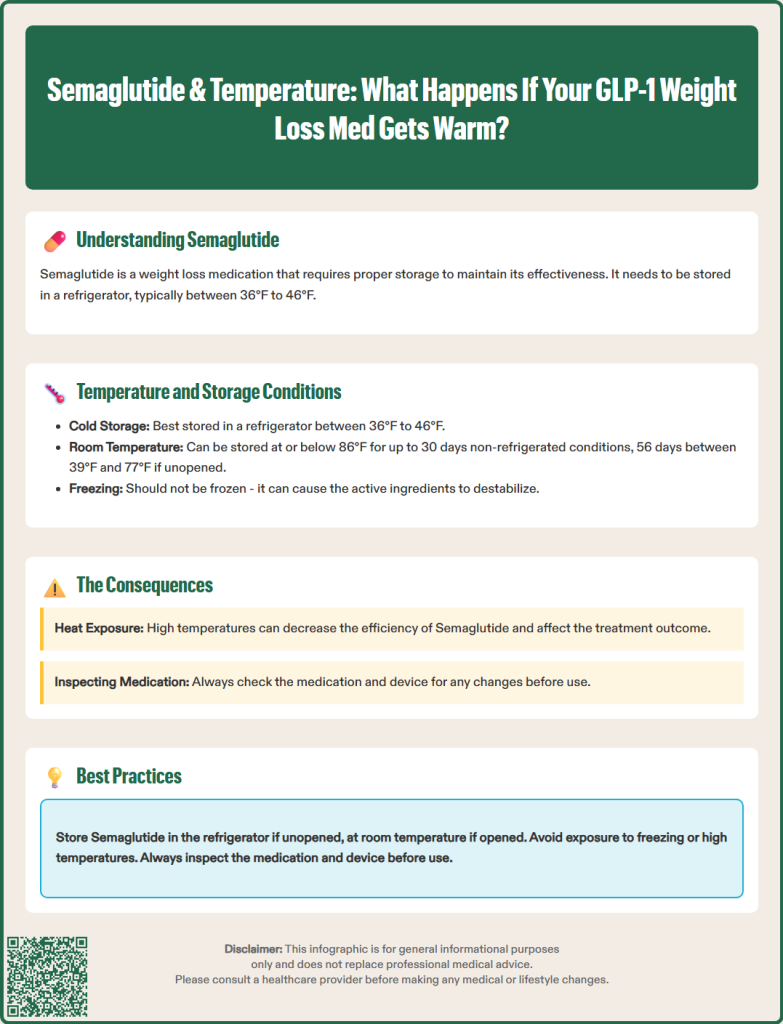
Have you ever wondered what happens if semaglutide isn’t refrigerated? You’re not alone.
This common question concerns many who rely on this medication to manage their health. Proper storage of medications is crucial, and a small oversight could potentially affect your treatment’s effectiveness. Imagine the peace of mind knowing that your medication is stored correctly, ensuring it works just as it should when you need it most.
Let’s dive into why refrigeration matters for semaglutide and what you can do if you’ve accidentally left it out. Stick around; understanding this could make all the difference in your health journey.
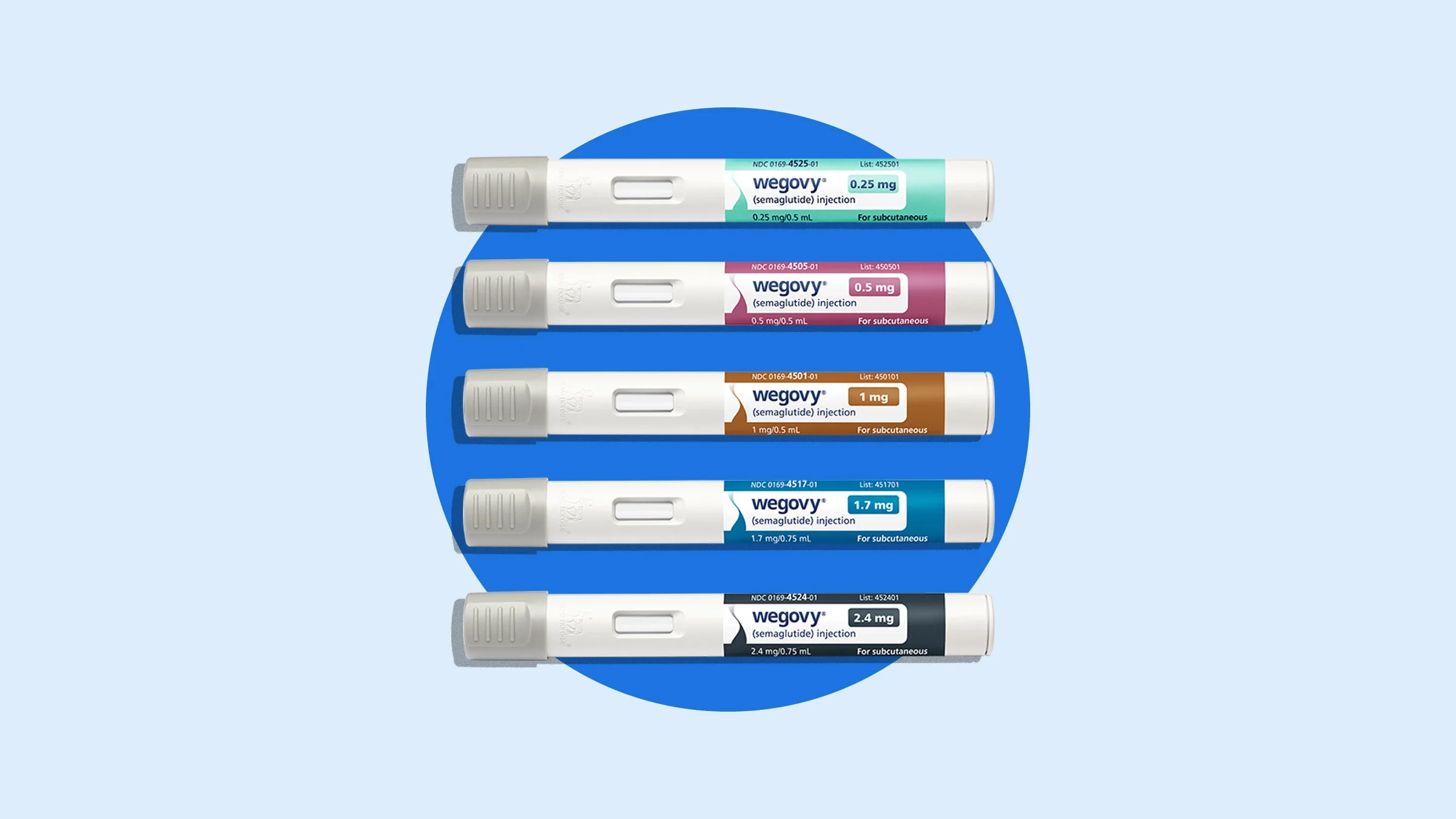
Credit: www.goodrx.com
Semaglutide Basics
Understanding the basics of semaglutide helps you handle it correctly. This medication supports blood sugar control and weight management. Proper storage is essential to keep it effective and safe. Let’s explore what semaglutide is and how to store it properly.
What Is Semaglutide
Semaglutide is a prescription medicine for type 2 diabetes. It helps lower blood sugar by mimicking natural body hormones. It also slows digestion and reduces appetite, aiding weight loss. Doctors prescribe it as an injection, usually once a week.
Storage Requirements
Semaglutide must stay cold to work well. Store it in a refrigerator between 36°F and 46°F (2°C to 8°C). Avoid freezing it, as this damages the medicine. Keep the pen or vial in its original box to protect from light.
Once opened or used, some types allow storage at room temperature for a limited time. Room temperature means below 86°F (30°C). Check the instructions on your prescription label for exact details.
Effects Of Not Refrigerating
Semaglutide requires proper storage to maintain its effectiveness. Not refrigerating this medication can cause several problems. These effects affect how well the drug works and its safety for use.
Impact On Potency
Semaglutide loses strength when stored at room temperature for long. The active ingredient breaks down faster without cold storage. This reduction means the medicine may not control blood sugar well. Using weaker semaglutide can lead to poor health results.
Changes In Appearance
Not refrigerating semaglutide can alter its look. The liquid may become cloudy or develop particles. Such changes suggest the medicine is damaged. Using semaglutide that looks different is risky and not recommended.
Potential Health Risks
Degraded semaglutide may cause unexpected side effects. Contaminated or altered medication can lead to infections. It might also cause allergic reactions or reduce treatment success. Proper storage helps avoid these health dangers.
How Long Can It Last Without Refrigeration
Semaglutide is sensitive to temperature changes. Storing it properly is important for effectiveness. Understanding how long it lasts without refrigeration helps avoid waste and ensures safety.
Once removed from the fridge, semaglutide can remain stable for a limited time. The exact duration depends on storage conditions and product type. Knowing these limits protects the medicine’s strength and your health.
Safe Time Limits
Semaglutide can last up to 30 days at room temperature. The ideal temperature range is between 59°F and 86°F (15°C to 30°C). Beyond this period, the drug may lose potency.
Keep the medication away from direct sunlight and heat sources. Do not freeze semaglutide as this can damage the drug. Use it within the recommended time to ensure safety and effectiveness.
Factors Influencing Stability
- Temperature:Higher temperatures shorten semaglutide’s shelf life.
- Light Exposure:Sunlight may degrade the medication.
- Packaging:Original sealed containers protect the drug better.
- Handling:Frequent opening can expose it to air and moisture.
Proper storage extends semaglutide’s usability outside the refrigerator. Always check the medication for changes in color or texture before use.
Signs Of Compromised Semaglutide
Semaglutide is a delicate medication that requires proper storage to maintain its potency. If it isn’t refrigerated as recommended, the drug can become compromised. Recognizing the signs early can help you avoid using ineffective or potentially unsafe doses.
Visual Indicators
One of the easiest ways to spot compromised semaglutide is by checking its appearance. Look for changes such as:
- Cloudiness:The solution should be clear and colorless. Any cloudiness or discoloration is a red flag.
- Particles:If you see floating particles or sediment that doesn’t dissolve after gentle mixing, the medication might be spoiled.
- Changes in texture:Clumping or gel-like consistency can indicate damage.
Have you ever noticed these changes and wondered if your medication was still safe? Ignoring these signs can lead to ineffective treatment or worse.
Effectiveness Concerns
Storing semaglutide outside the recommended temperature range can reduce its effectiveness. The medication may lose its ability to control blood sugar levels properly.
You might not feel the expected benefits, such as improved blood sugar control or appetite suppression. This can be frustrating, especially if you’re consistent with your dosing.
Ask yourself: Could your unexpected blood sugar spikes be related to how you store your medication? If so, it’s worth reconsidering your storage habits to ensure your treatment works as intended.
Proper Storage Tips
Proper storage of semaglutide is crucial to maintain its effectiveness and safety. If semaglutide isn’t kept within the right temperature range, its chemical structure can break down, making it less effective or even unsafe to use. Understanding the right way to store this medication helps you protect your investment and your health.
Ideal Temperature Range
Semaglutide should be stored in a refrigerator between 2°C and 8°C (36°F to 46°F). This temperature range preserves the medication’s potency and prevents it from degrading. Avoid freezing it, as ice crystals can damage the medication’s structure.
If you’re traveling or don’t have immediate access to a refrigerator, semaglutide can be kept at room temperature, but only for a short period—up to 30 days—and the temperature should not exceed 30°C (86°F). Going beyond this limit risks reducing the drug’s effectiveness, so ask yourself: could your current storage habits be putting your treatment at risk?
Avoiding Common Mistakes
- Don’t leave semaglutide in direct sunlight.Light exposure can degrade the medication.
- Do not store semaglutide in the freezer.Freezing can ruin the medication.
- Avoid storing it near the refrigerator door.Frequent temperature changes happen there due to opening and closing.
- Keep semaglutide away from heat sources.Never store it near ovens, heaters, or windows.
One person I know kept their medication on the fridge door for convenience but found it stopped working properly. Moving it to the middle shelf made a big difference. Have you checked where you keep your medication lately? Small changes like this can have a major impact.
What To Do If Left Out
Leaving semaglutide out of the refrigerator can cause worry, especially if you’re unsure about its safety or effectiveness afterward. Knowing what to do immediately can save you from unnecessary stress and help maintain the medication’s potency. Acting fast and understanding the right steps will guide you through the situation calmly and confidently.
Immediate Actions
If you realize that your semaglutide has been left out, check how long it’s been unrefrigerated. Most manufacturers recommend keeping semaglutide refrigerated between 36°F and 46°F (2°C to 8°C). If it’s been at room temperature for less than 24 hours, it is usually still safe to use.
Next, avoid exposing the medication to direct sunlight or heat. Move it back to the refrigerator as soon as possible to prevent further degradation. Make sure the pen or vial is tightly closed to protect it from contamination.
Have you ever accidentally left your medication on the kitchen counter and panicked? Taking a quick temperature check and acting fast can prevent unnecessary waste and keep your treatment on track.
When To Replace
Semaglutide should be replaced if it has been left out at temperatures above 86°F (30°C) or if it’s been unrefrigerated for more than 24 hours. These conditions can cause the medication to lose potency, making it less effective or even unsafe.
Also, look for any changes in the appearance of the solution, like cloudiness, discoloration, or particles. If you notice any of these signs, it’s best to discard the pen and get a new one.
Always consult your pharmacist or healthcare provider if you’re unsure. They can provide specific guidance based on how long your semaglutide was left out and the storage conditions.
Alternatives And Backup Plans
Keeping a backup supply of semaglutide stored properly can prevent treatment interruptions. Alternative storage options include cool, dry places away from direct sunlight to maintain effectiveness. Always check with a healthcare provider for safe handling advice.
Refrigerating semaglutide is crucial to maintain its potency. But what if you’re unable to store it in the fridge? This is where alternatives and backup plans come into play. Having a plan B ensures you don’t run out of medication when you need it most. Semaglutide is a medication that requires careful storage. Its potency can degrade if not stored properly.Travel-friendly Storage Options
- Insulated bags: These bags are designed to keep items cool for several hours.
- Cooler packs: These packs can be placed in a backpack or purse to keep medication cool.
- Portable refrigerators: These small fridges can be used to store medication during travel.
Consulting Healthcare Providers
Consulting a healthcare provider is essential if you’re unsure about storing semaglutide. They can provide guidance on alternative storage options and backup plans.
Discuss your travel plans with your healthcare provider. They may be able to provide you with a prescription for a portable refrigerator or cooler pack.
Ask about emergency storage options. Your healthcare provider may be able to provide you with a list of pharmacies or medical facilities that can store semaglutide for you.
Don’t hesitate to ask questions about storing semaglutide. Your healthcare provider is there to help you manage your medication.
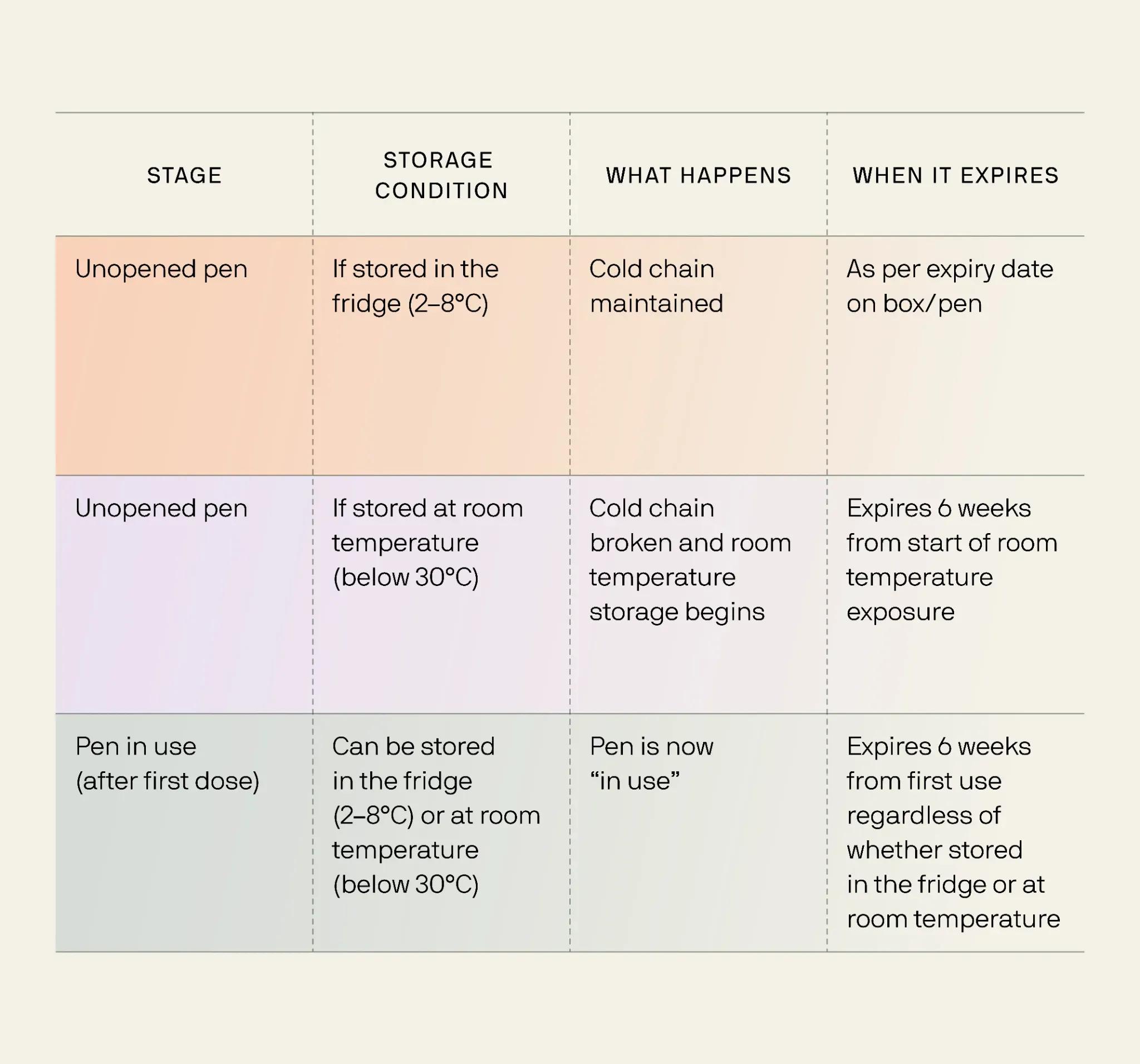
Credit: www.joinvoy.com

Credit: www.reddit.com
Frequently Asked Questions
Does Semaglutide Lose Its Effectiveness When Not Refrigerated?
Semaglutide’s effectiveness is not significantly affected by room temperature storage. However, it’s crucial to store it at a temperature range of 68°F to 77°F (20°C to 25°C) to maintain its potency.
Can I Store Semaglutide At Room Temperature For A Few Days?
Storing semaglutide at room temperature for a few days is acceptable, but it’s recommended to check the expiration date and follow the manufacturer’s guidelines. It’s essential to store it properly to prevent degradation.
Will Semaglutide Expire If Not Kept In The Refrigerator?
Semaglutide can expire if not stored properly, regardless of refrigeration. Check the expiration date and follow the manufacturer’s guidelines to ensure its effectiveness and safety.
Is It Safe To Use Semaglutide Past Its Expiration Date?
Using semaglutide past its expiration date is not recommended, as its effectiveness and safety may be compromised. Always check the expiration date and follow the manufacturer’s guidelines before use.
Conclusion
Semaglutide needs proper storage to stay effective. Not refrigerating it can weaken the medicine. This may affect your treatment results. Always check the label for storage instructions. Keep it away from heat and direct sunlight. Using spoiled Semaglutide can be unsafe.
Protect your health by storing it right. Small steps like this help your medicine work well. Remember, good care leads to better health outcomes.